Metabolic dependencies and neural progenitor dysregulation: driving forces in paediatric high-grade glioma development
Yan Hay Grace Lee, Maria Tsoli, Yan Chuan Shi, Chi Kin Ip, David Ziegler

TL;DR
This review explores how metabolic changes and neural progenitor dysregulation drive the development of deadly pediatric brain tumors, highlighting potential treatment strategies.
Contribution
The paper synthesizes current understanding of pHGG biology to identify subtype-specific metabolic and epigenetic vulnerabilities for targeted therapies.
Findings
pHGGs are biologically distinct from adult glioblastoma with four major subtypes defined by molecular features.
Metabolic reprogramming and epigenetic regulation are interconnected in pHGGs, influencing tumor progression and therapeutic resistance.
Glioma stem cells exhibit metabolic flexibility and cellular plasticity, contributing to tumor adaptation and treatment challenges.
Abstract
Paediatric high-grade gliomas (pHGGs) are the most lethal brain tumours in children, characterised by profound epigenetic dysregulation and limited treatment options. The 2021 WHO Classification has established a molecular framework that distinguishes pHGGs as biologically distinct from adult glioblastoma, recognising four major subtypes: H3K27-altered diffuse midline glioma, H3G34-mutant diffuse hemispheric glioma, infant-type hemispheric glioma, and the rare IDH-mutant gliomas. Each subtype exhibits unique epigenetic landscapes, metabolic dependencies, and therapeutic vulnerabilities, necessitating subtype-specific treatment strategies. This review explores the molecular classification of pHGGs and examines the critical role of the tumour microenvironment in disease progression. We focus on glioma stem cells as central drivers of tumour initiation, maintenance, and therapeutic…
Genes, proteins, chemicals, diseases, species, mutations and cell lines named across the full text — each resolved to its canonical identifier and authoritative record.
Click any figure to enlarge with its caption.
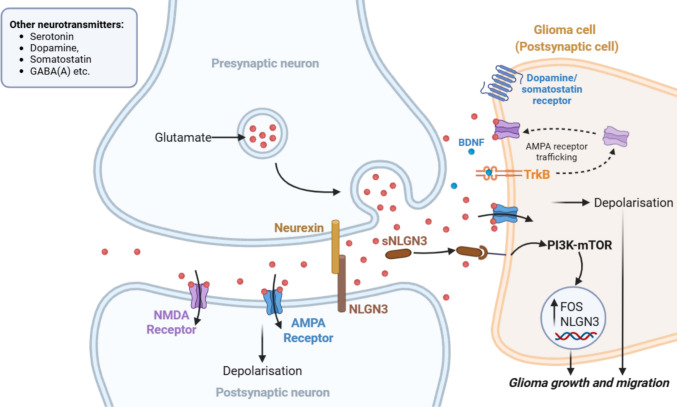 Figure 1
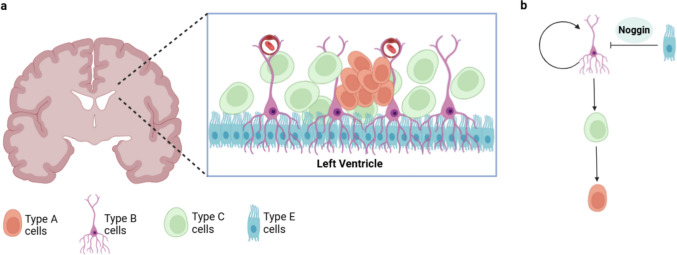 Figure 2
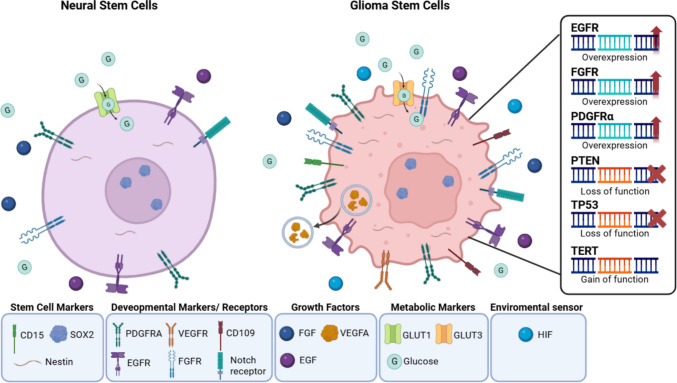 Figure 3
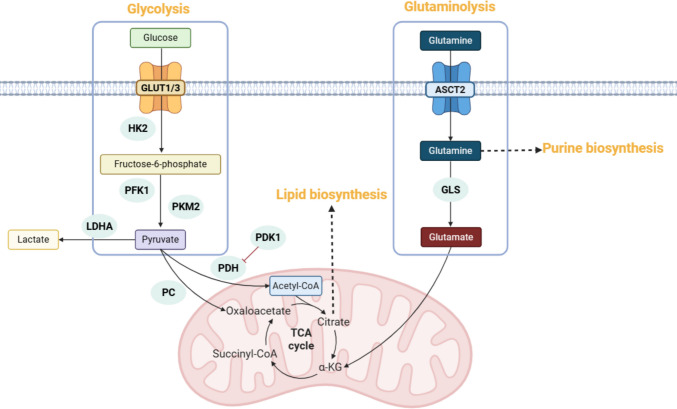 Figure 4
Peer Reviews
No public reviews on file for this paper yet. If you reviewed it on a platform where reviews are public (OpenReview, ICLR, NeurIPS, ICML), you can paste yours below so the community can read it here.
Videos
No videos yet. Explain this paper in a talk, walkthrough, or lecture? Add one.
Taxonomy
TopicsGlioma Diagnosis and Treatment · Neuroblastoma Research and Treatments · Protein Degradation and Inhibitors