Combined Impact of Neoadjuvant Therapy and Preoperative Cachexia in Patients Undergoing Pancreatoduodenectomy: Is There a “Double Jeopardy”? A National Cohort Study Investigating the Association with Short- and Long-Term Outcomes
Marcus Thomas Thor Roalsø, Celine Oanaes, Herish Garresori, Karin Hestnes Edland, Ingvild Dalen, Hanne Røland Hagland, Kjetil Søreide

TL;DR
This study finds that pre-surgery weight loss (cachexia) in cancer patients does not worsen long-term survival and does not interact with pre-surgery therapy to create a 'double jeopardy' after a complex abdominal surgery.
Contribution
The novel contribution is identifying that cachexia and neoadjuvant therapy do not synergistically worsen outcomes after pancreatoduodenectomy.
Findings
Cachexia was associated with higher textbook outcomes but not with worse long-term survival.
Neoadjuvant therapy was linked to higher mortality risk, likely due to confounding factors.
No significant interaction was found between cachexia and neoadjuvant therapy for outcomes or survival.
Abstract
Cachexia is associated with worse postoperative outcomes, but the added role of neoadjuvant therapy (NAT) is unclear. This study evaluated whether preoperative cachexia and NAT act as a “double jeopardy” after pancreatoduodenectomy. A nationwide observational cohort study was conducted using the Norwegian NORGAST registry (2016–2023). Adults undergoing pancreatoduodenectomy for malignancy were included. Cachexia was defined by consensus weight-loss criteria. Modified Poisson and Cox models (with a cachexia and NAT interaction term) estimated adjusted risk ratios (aRR) for textbook outcome (TO), prolonged length-of-stay (LOS), and adjusted hazard ratios (aHR) for overall survival. Of 1424 patients undergoing pancreatoduodenectomy, cachexia was present in 588 (41.3%). Having cachexia was associated with higher TO (aRR 1.28, 95% CI 1.13–1.46) with effect modification by body mass index…
Genes, proteins, chemicals, diseases, species, mutations and cell lines named across the full text — each resolved to its canonical identifier and authoritative record.
Click any figure to enlarge with its caption.
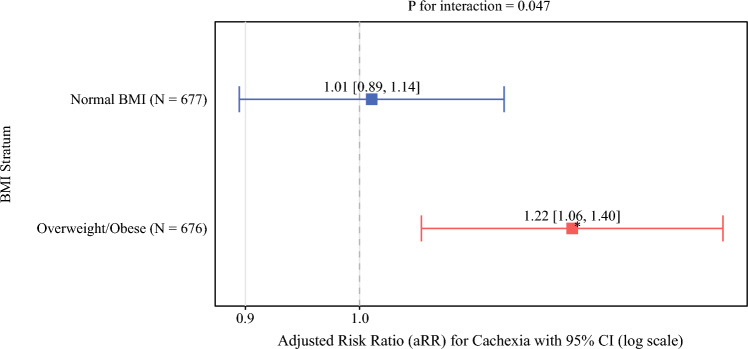 Figure 1
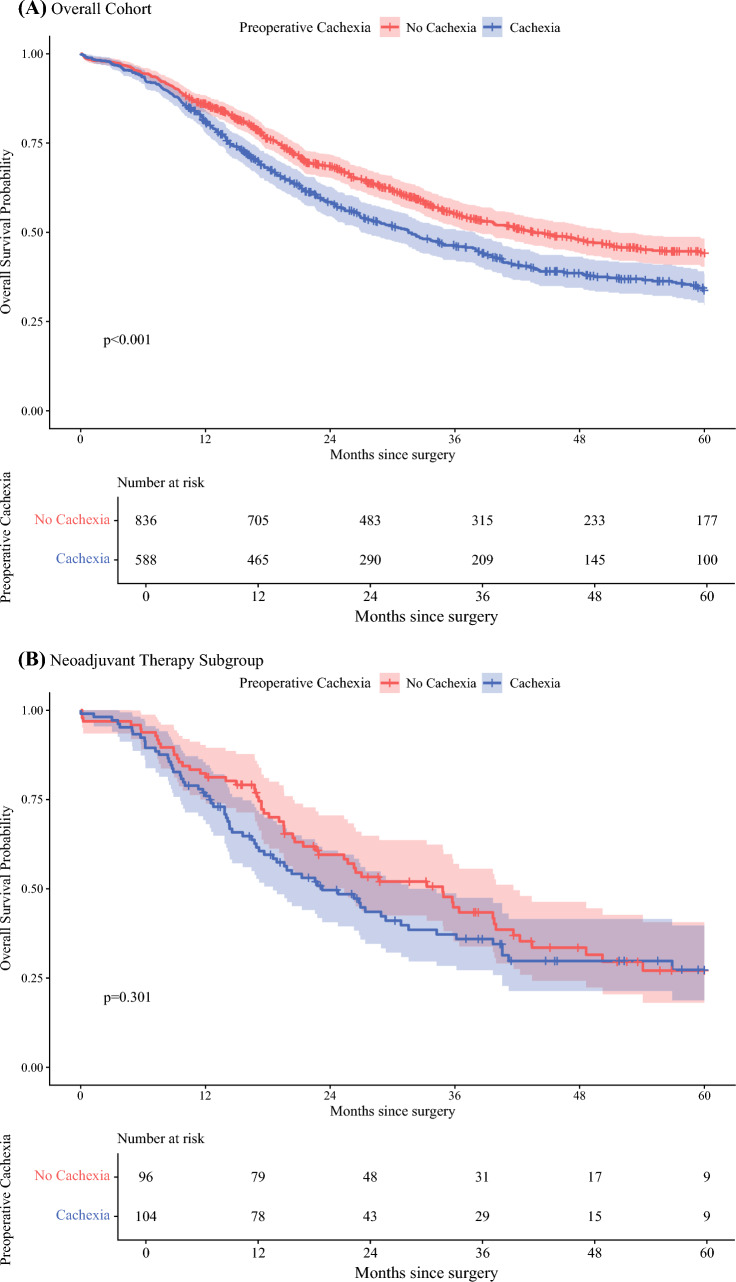 Figure 2
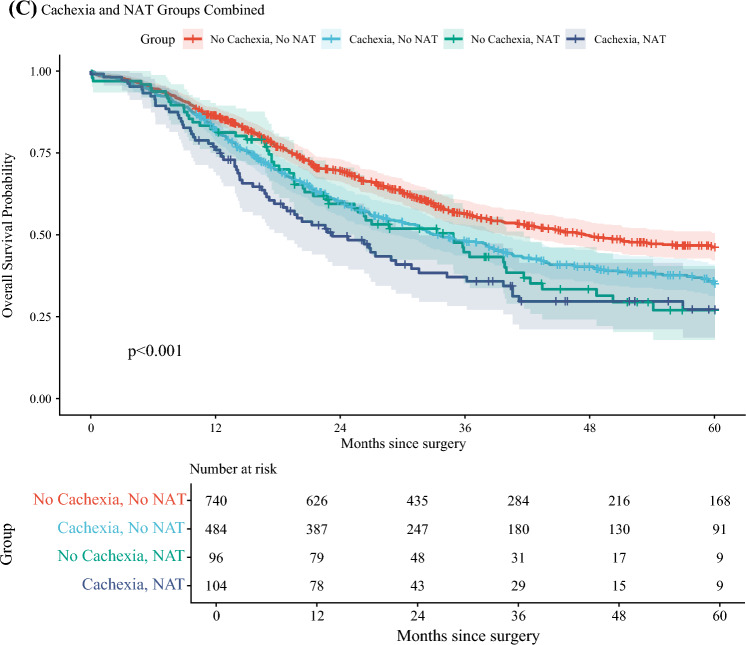 Figure 2
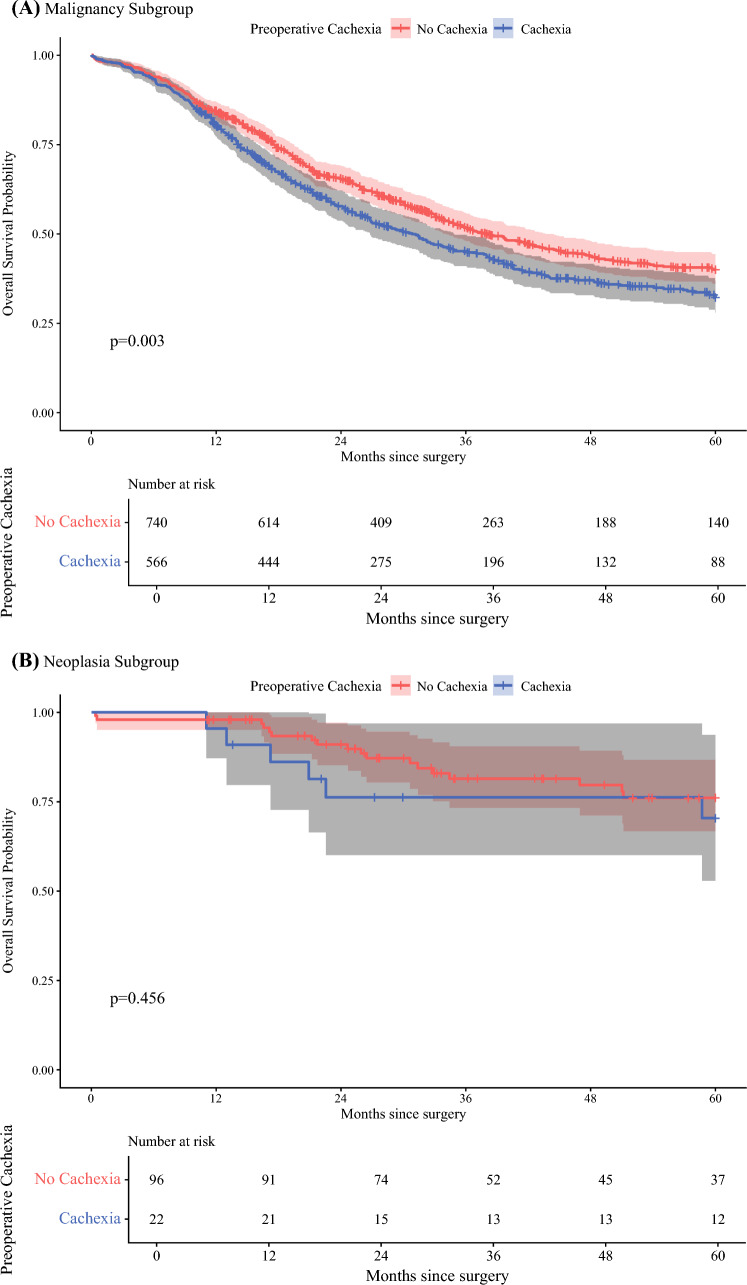 Figure 3
Peer Reviews
No public reviews on file for this paper yet. If you reviewed it on a platform where reviews are public (OpenReview, ICLR, NeurIPS, ICML), you can paste yours below so the community can read it here.
Videos
No videos yet. Explain this paper in a talk, walkthrough, or lecture? Add one.
Taxonomy
TopicsNutrition and Health in Aging · Pancreatic and Hepatic Oncology Research · Pancreatitis Pathology and Treatment