Neurobehavioral correlates of inhibitory control in youth at-risk for early low-level alcohol use initiation: neuroimaging findings from the ABCD study
Faith Adams, Ahmet O. Ceceli, Siddhartha Peri, Iliyan Ivanov, Muhammad A. Parvaz

TL;DR
This study finds that youth who experiment with alcohol show different brain activity during inhibitory control tasks, even if their behavior and impulsivity seem similar to those who don't use alcohol.
Contribution
The study identifies distinct neural correlates of inhibitory control in youth who experiment with alcohol versus those who do not, using data from the ABCD study.
Findings
AE youth showed higher activation in the right paracentral lobule and left isthmus gyrus during inhibitory control tasks.
AE youth with lower planning ability had reduced fusiform gyrus activation related to inhibitory control.
Neural differences were observed despite no behavioral or trait impulsivity differences between AE and AN youth.
Abstract
Adolescent alcohol experimentation is a rising concern given its links to future problematic drug use. Difficulty with inhibitory control (i.e., the ability to suppress unwanted behaviors) is a well-known risk factor for early alcohol use onset. Nevertheless, little is known about the neurobiology of inhibitory control during early development (i.e., preadolescence), especially in relation to minimal early low-level alcohol use. The current study will reveal neural and behavioral differences in inhibitory control that differentiate youth will go on to engage in low-level alcohol experimentation compared with youth who remain alcohol naïve. The current study examined 80 pairs of demographically and developmentally matched youth from the Adolescent Brain Cognitive Development Study to predict early alcohol experimentation, consuming at least one full drink, but no regular use,…
Genes, proteins, chemicals, diseases, species, mutations and cell lines named across the full text — each resolved to its canonical identifier and authoritative record.
Click any figure to enlarge with its caption.
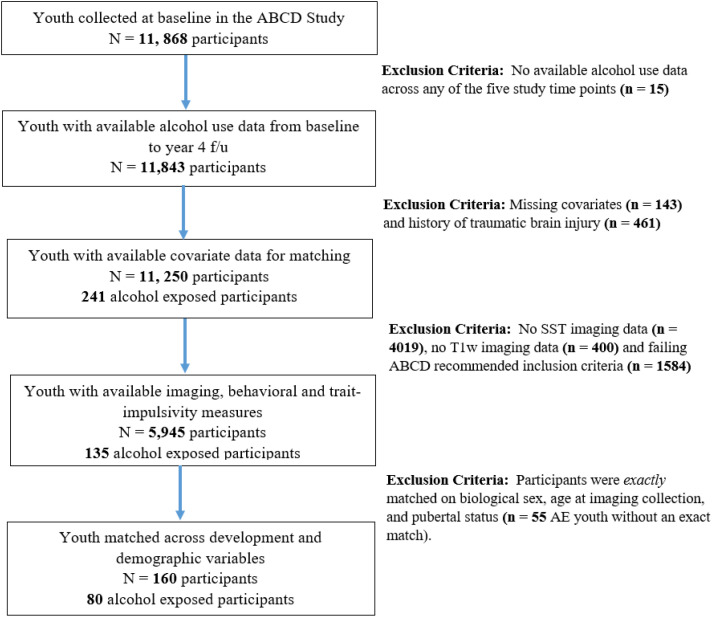 Figure 1
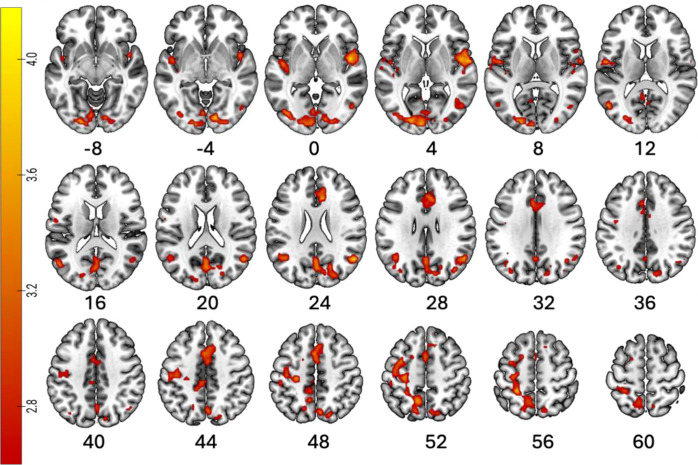 Figure 2
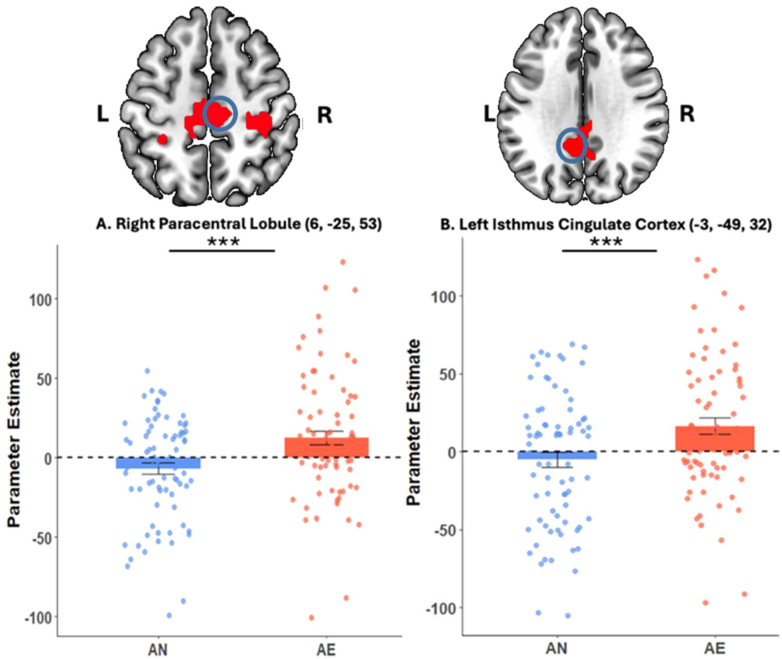 Figure 3
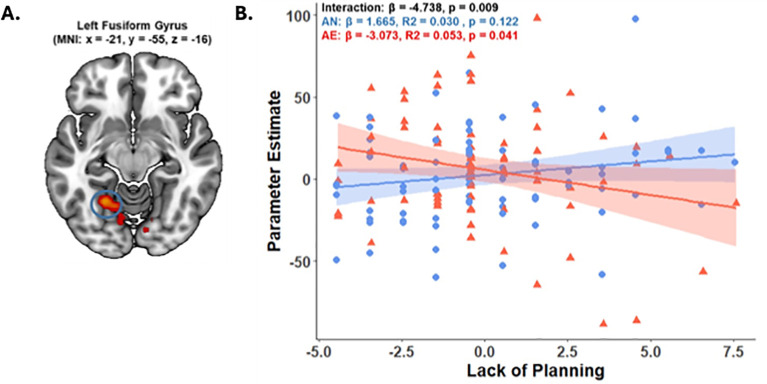 Figure 4
Peer Reviews
No public reviews on file for this paper yet. If you reviewed it on a platform where reviews are public (OpenReview, ICLR, NeurIPS, ICML), you can paste yours below so the community can read it here.
Videos
No videos yet. Explain this paper in a talk, walkthrough, or lecture? Add one.
Taxonomy
TopicsSubstance Abuse Treatment and Outcomes · Neurotransmitter Receptor Influence on Behavior · Attention Deficit Hyperactivity Disorder