Active learning potentials for first-principles phase diagrams using replica-exchange nested sampling
Nico Unglert, Michael Ketter, Georg K. H. Madsen

TL;DR
This paper introduces an automated method to build accurate machine-learning models for predicting material phase diagrams using efficient sampling techniques.
Contribution
A novel active-learning strategy using replica-exchange nested sampling for autonomous generation of training data and phase diagram prediction.
Findings
The AL process converges in ~10–15 iterations for silicon, germanium, and titanium.
The method reproduces known phase transitions and thermodynamic trends with high accuracy.
Abstract
Accurate prediction of materials phase diagrams from first principles remains a central challenge in computational materials science. Machine-learning interatomic potentials can provide near-DFT accuracy at a fraction of the cost, but their reliability crucially depends on the availability of representative training data that span all relevant regions of the potential-energy surface. Here, we present a fully automated active-learning (AL) strategy based on replica-exchange nested sampling (RENS) for the generation of training data and the computation of complete pressure-temperature phase diagrams. In our framework, RENS acts as both the exploration engine and the acquisition mechanism: its intrinsic diversity and likelihood-constrained sampling ensure that the configurations selected for DFT labeling are both informative and thermodynamically representative. We apply the approach to…
Genes, proteins, chemicals, diseases, species, mutations and cell lines named across the full text — each resolved to its canonical identifier and authoritative record.
Click any figure to enlarge with its caption.
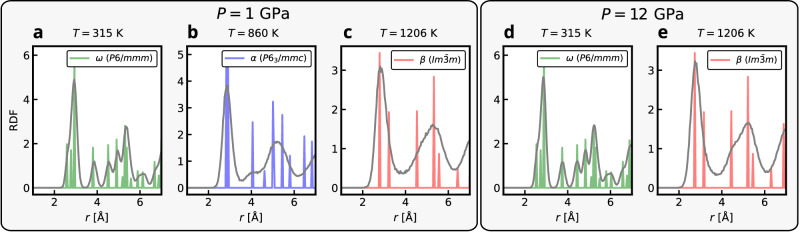 Figure 10
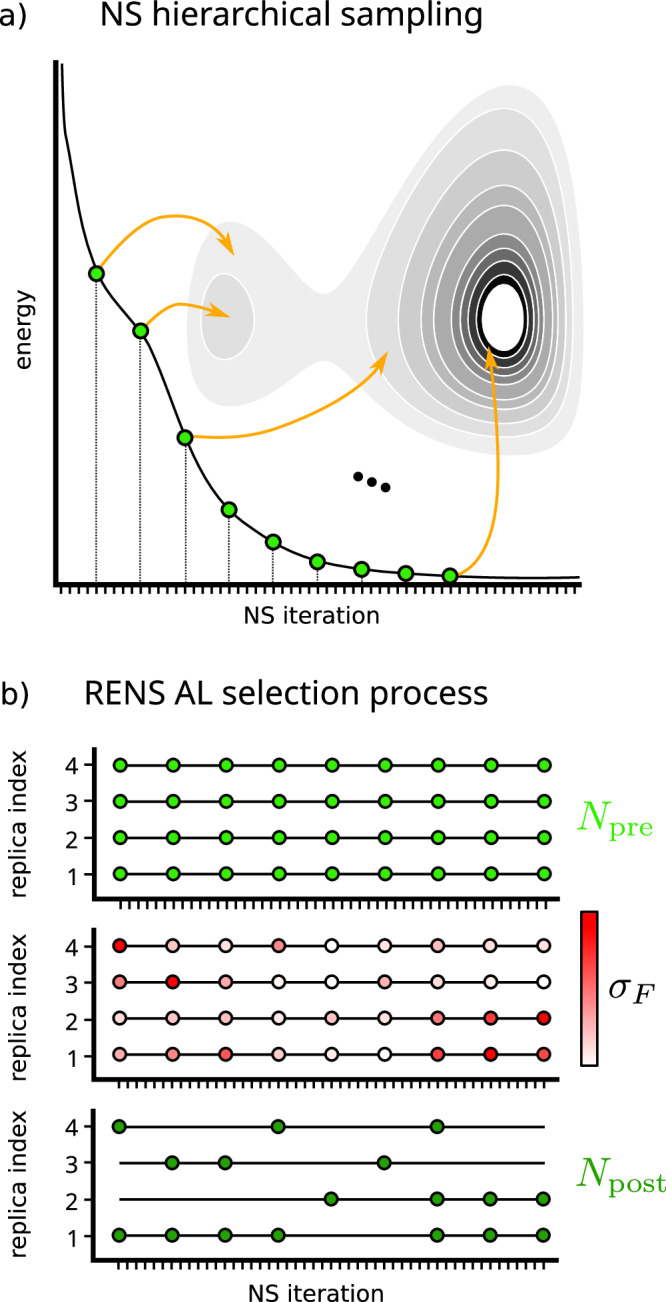 Figure 1
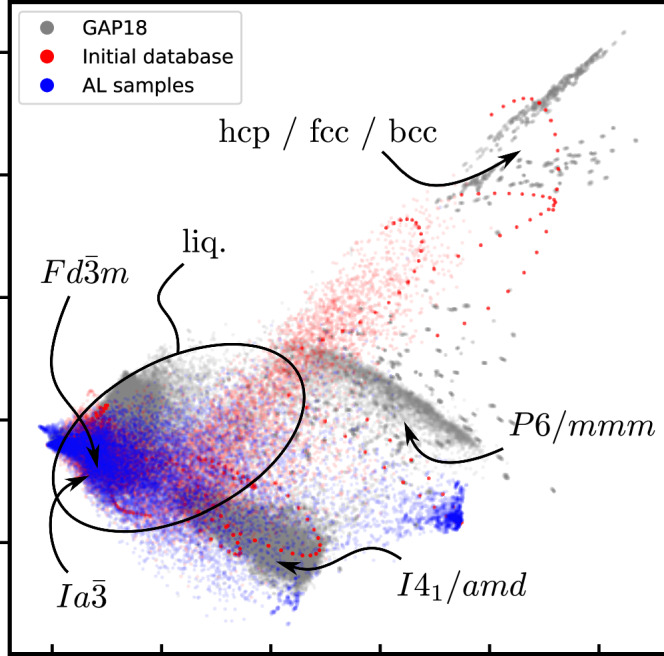 Figure 2
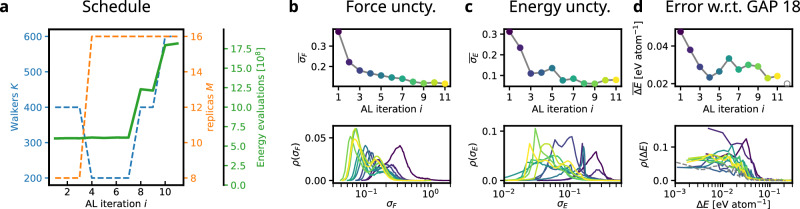 Figure 3
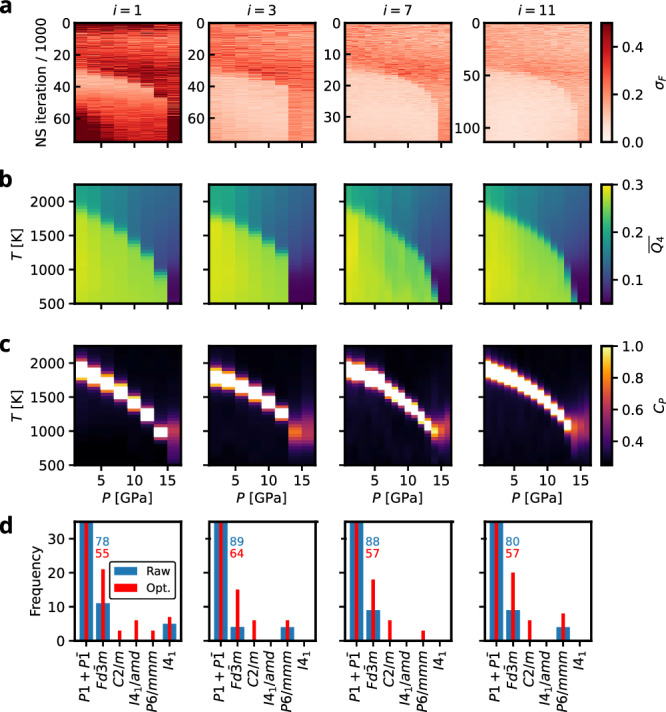 Figure 4
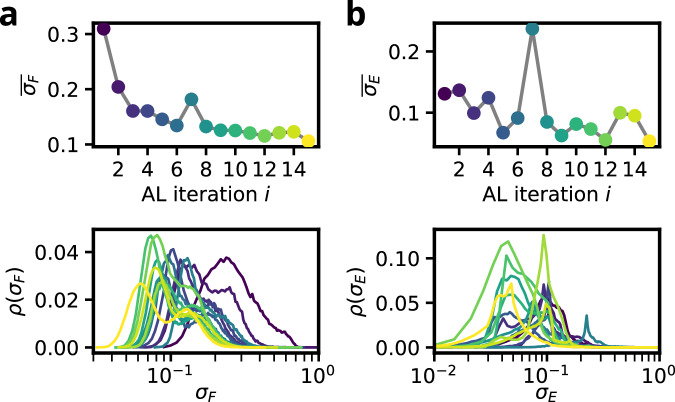 Figure 5
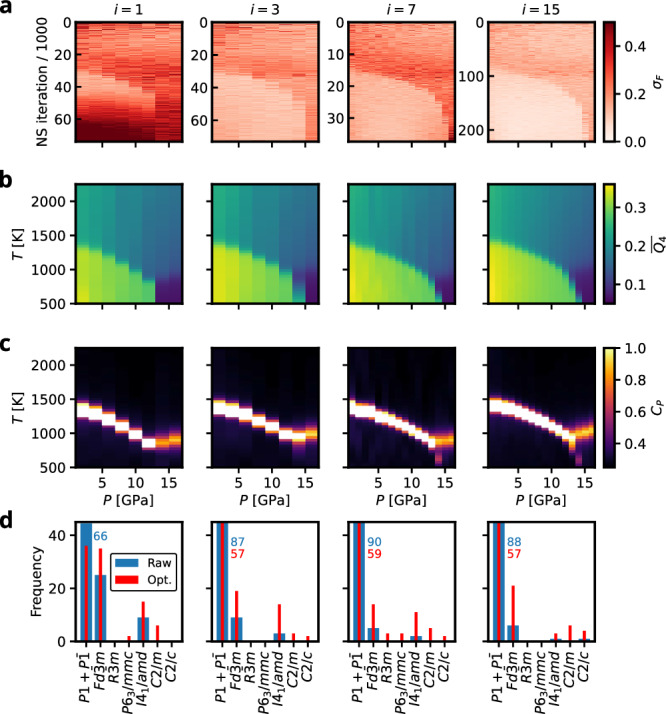 Figure 6
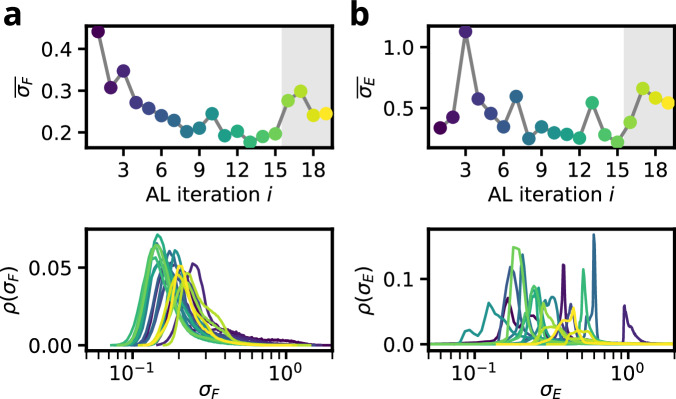 Figure 7
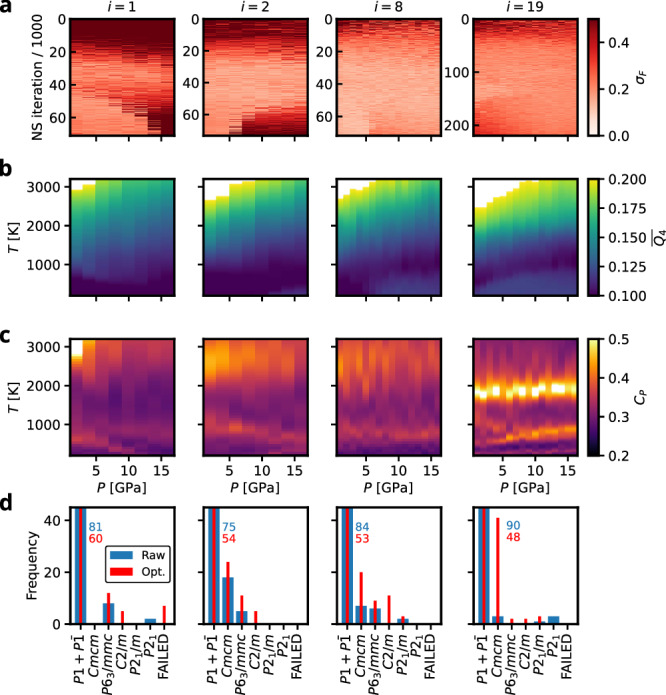 Figure 8
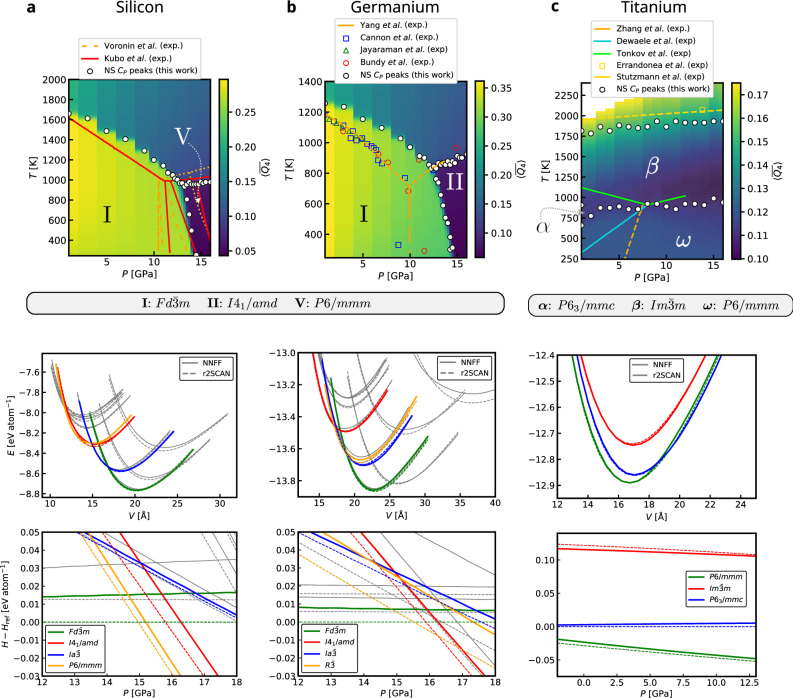 Figure 9
Peer Reviews
No public reviews on file for this paper yet. If you reviewed it on a platform where reviews are public (OpenReview, ICLR, NeurIPS, ICML), you can paste yours below so the community can read it here.
Videos
No videos yet. Explain this paper in a talk, walkthrough, or lecture? Add one.
Taxonomy
TopicsMachine Learning in Materials Science · Advanced Electron Microscopy Techniques and Applications · Model Reduction and Neural Networks