Study on the mechanism of 18β-glycyrrhetinic acid inhibiting the proliferation of renal cancer cells by inducing autophagy through the miR-27a-5p/LC3 axis
Shumin Jia, Lei Zhang, Yahong Li, Duojie Xu, Yi Yang, Ziying Zhou, Wenjing Liu, Jianan Zhao, Ling Yuan, Yi Nan

TL;DR
This study shows how 18β-glycyrrhetinic acid fights kidney cancer by triggering cell self-destruction through a specific molecular pathway.
Contribution
The novel finding is that 18β-GA inhibits renal cancer via the miR-27a-5p/LC3 autophagy axis.
Findings
18β-GA reduces miR-27a-5p levels, increasing autophagy marker LC3II/LC3I ratio in renal cancer cells.
Downregulation of miR-27a-5p by 18β-GA promotes autophagy, reduces cell viability, and induces apoptosis.
The miR-27a-5p/LC3 axis is identified as a key target for 18β-GA in treating renal cancer.
Abstract
Renal carcinoma is a common, aggressive urinary tract malignancy with notable clinical challenges such as severe treatment toxicity and poor patient outcomes; 18β-glycyrrhetinic acid (18β-GA), an active component of Chinese herb Glycyrrhiza uralensis, has potent anti-tumor activity, while its role and molecular mechanisms in renal cancer remain elusive. This research investigates the mechanism through which 18β-GA suppresses renal cancer cell proliferation. Combining whole transcriptome sequencing and network pharmacology, we identified 18β-GA-regulated key molecule miR-27a-5p and its core renal cancer targets; Cell assays confirmed 18β-GA-mediated suppression of renal cancer cell proliferation. Lentivirus-mediated miR-27a-5p modulation verified its role in renal cancer proliferation, and Western blot detection of autophagy marker LC3 expression clarified the miR-27a-5p/LC3 axis…
Genes, proteins, chemicals, diseases, species, mutations and cell lines named across the full text — each resolved to its canonical identifier and authoritative record.
Click any figure to enlarge with its caption.
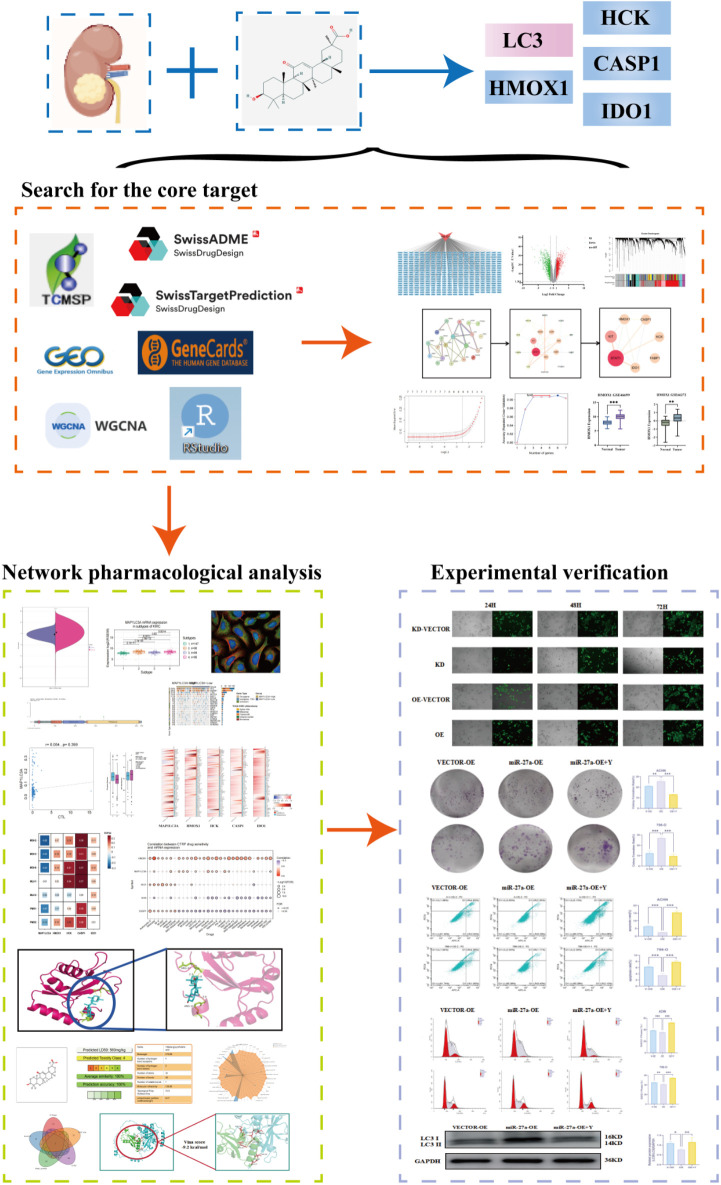 Figure 1
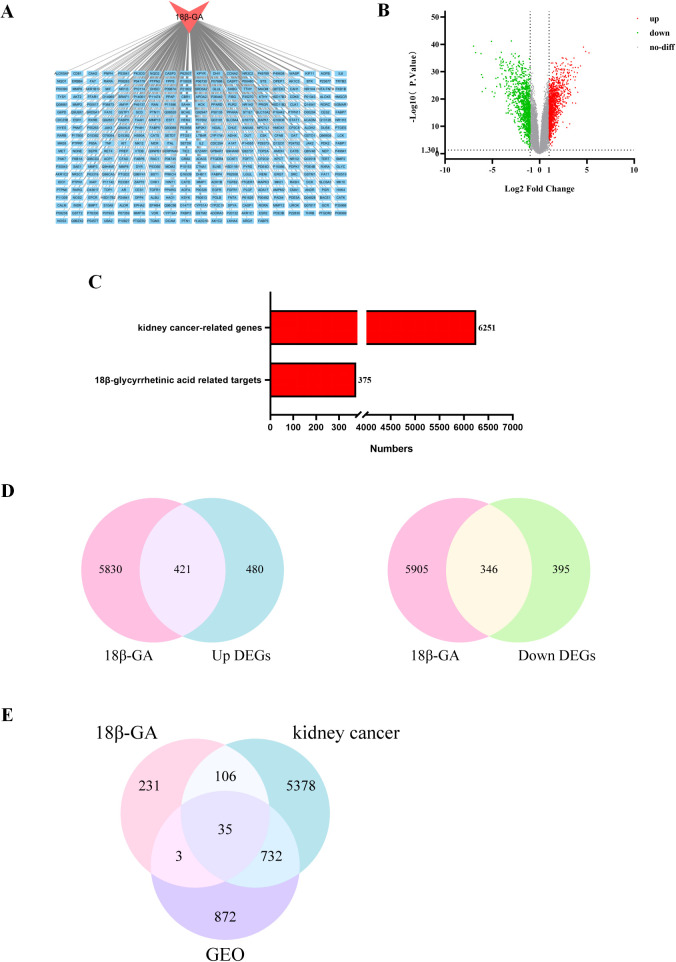 Figure 2
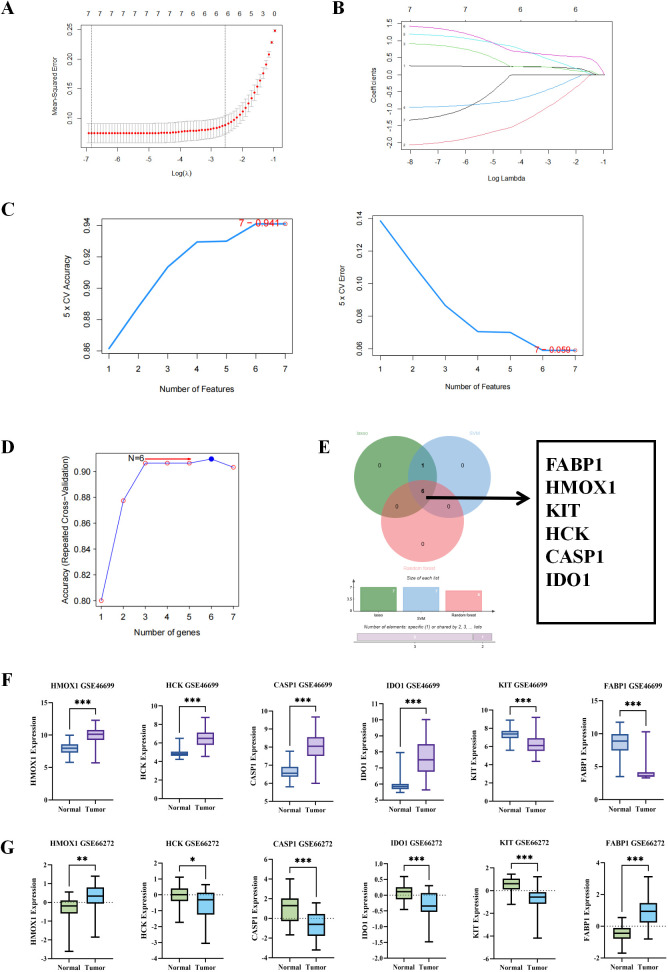 Figure 3
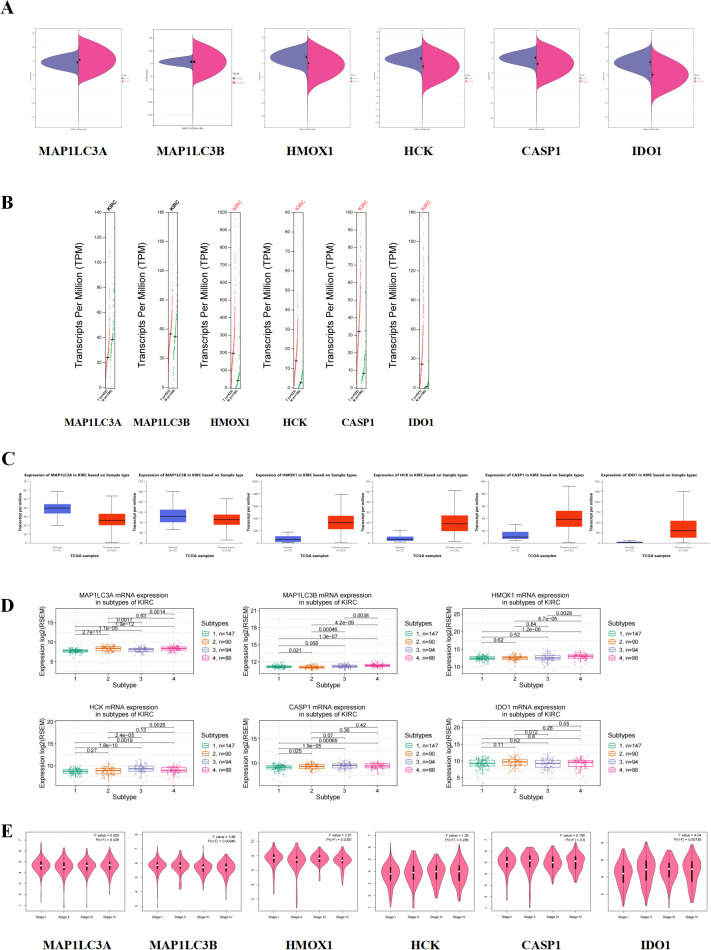 Figure 4
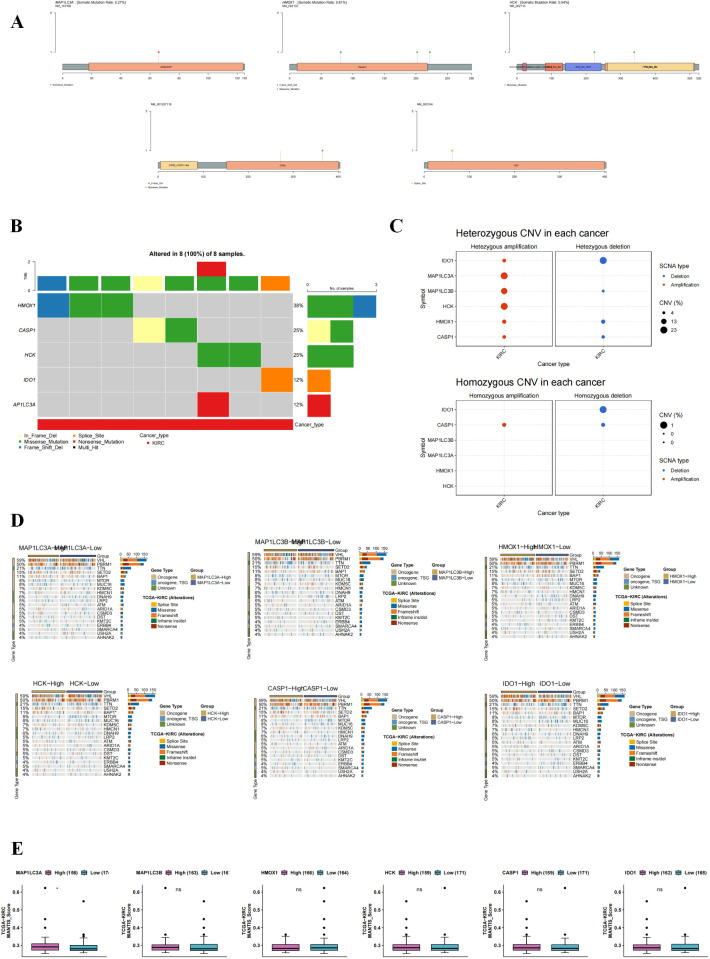 Figure 5
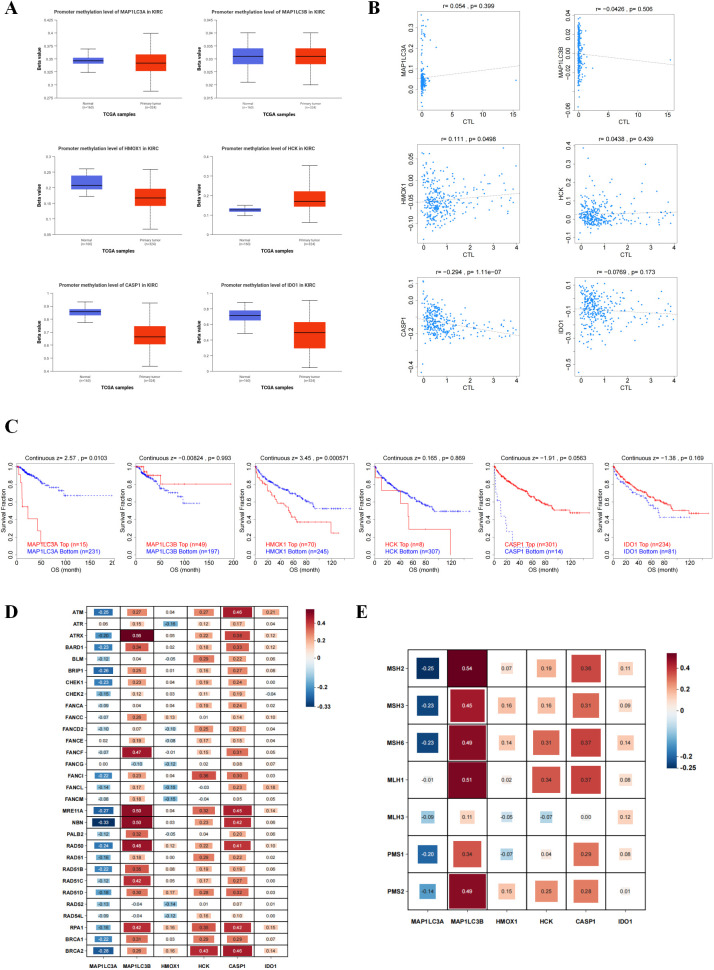 Figure 6
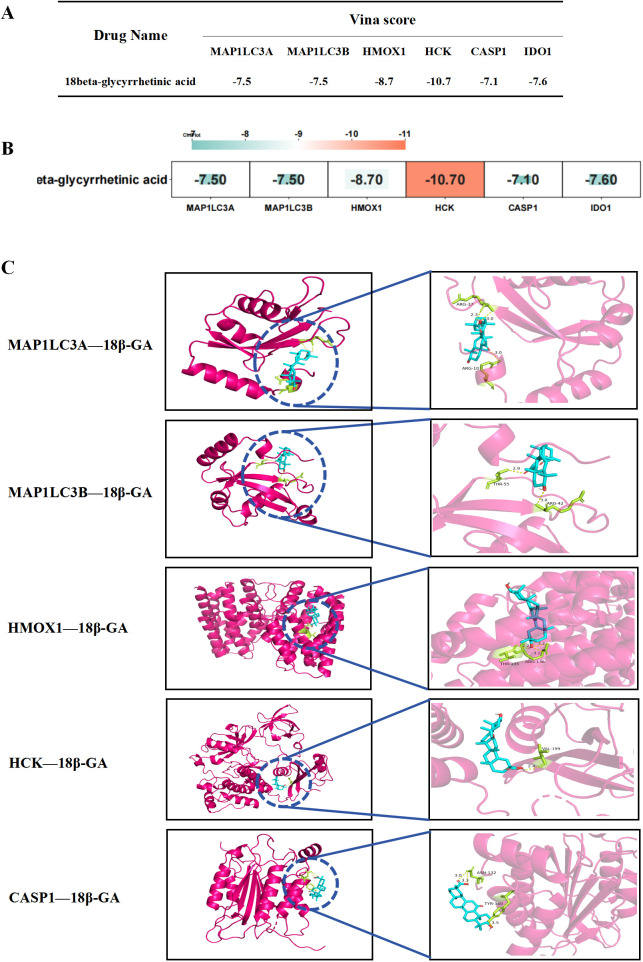 Figure 7
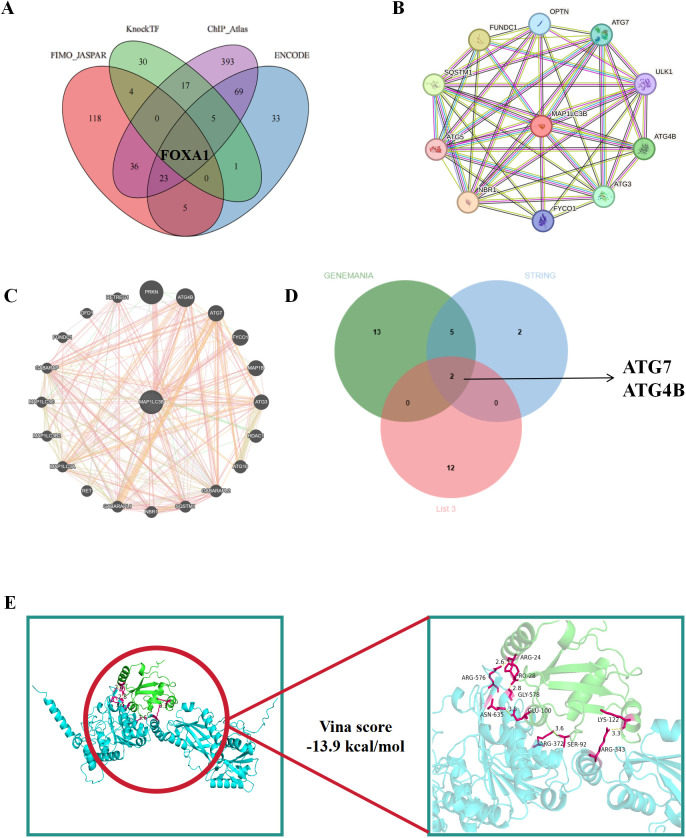 Figure 8
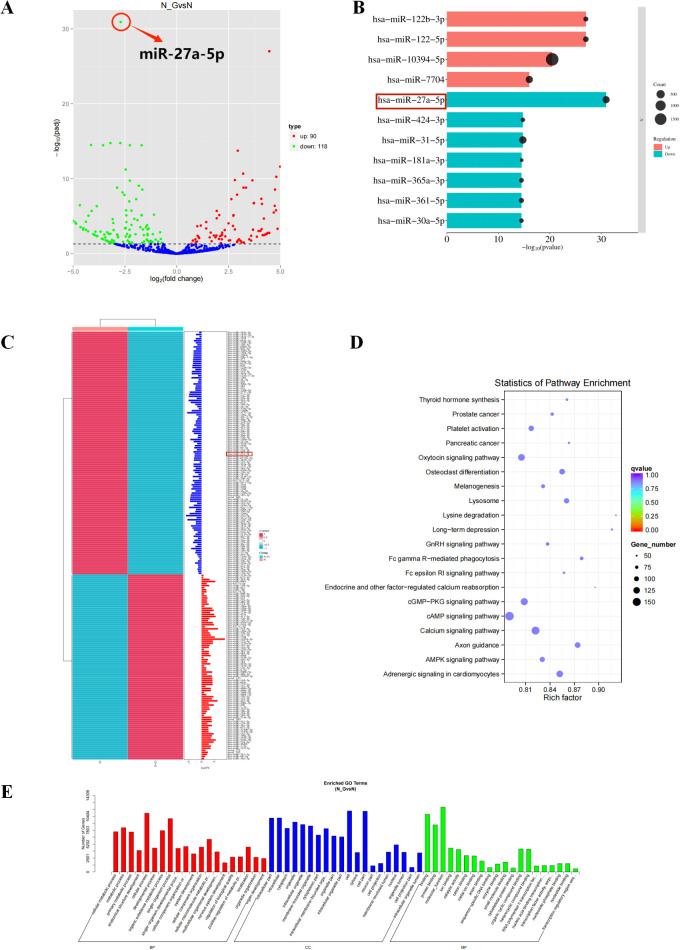 Figure 9
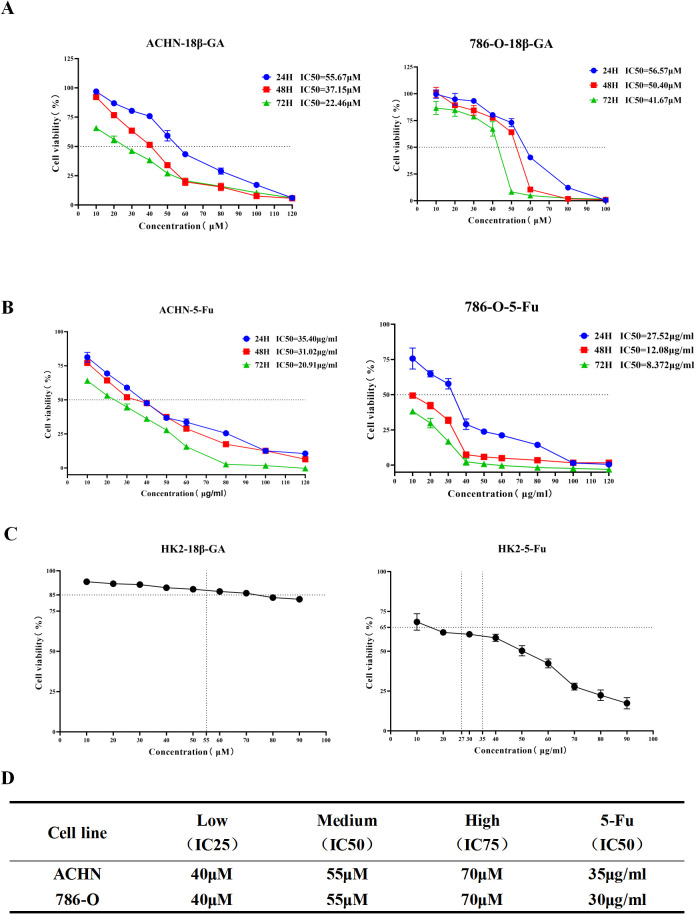 Figure 10
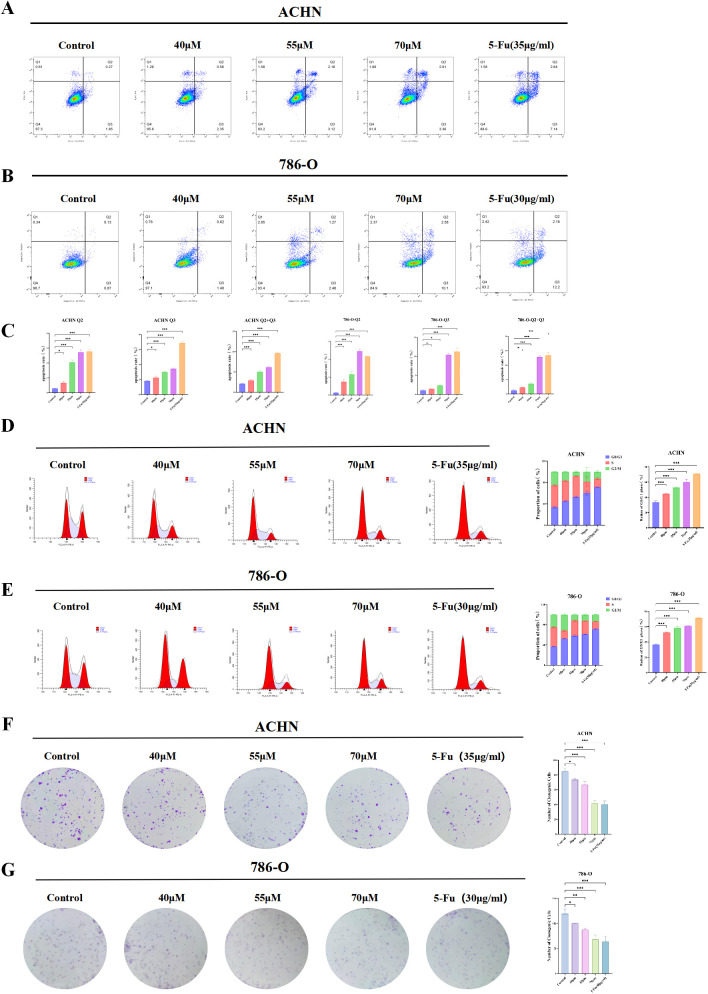 Figure 11
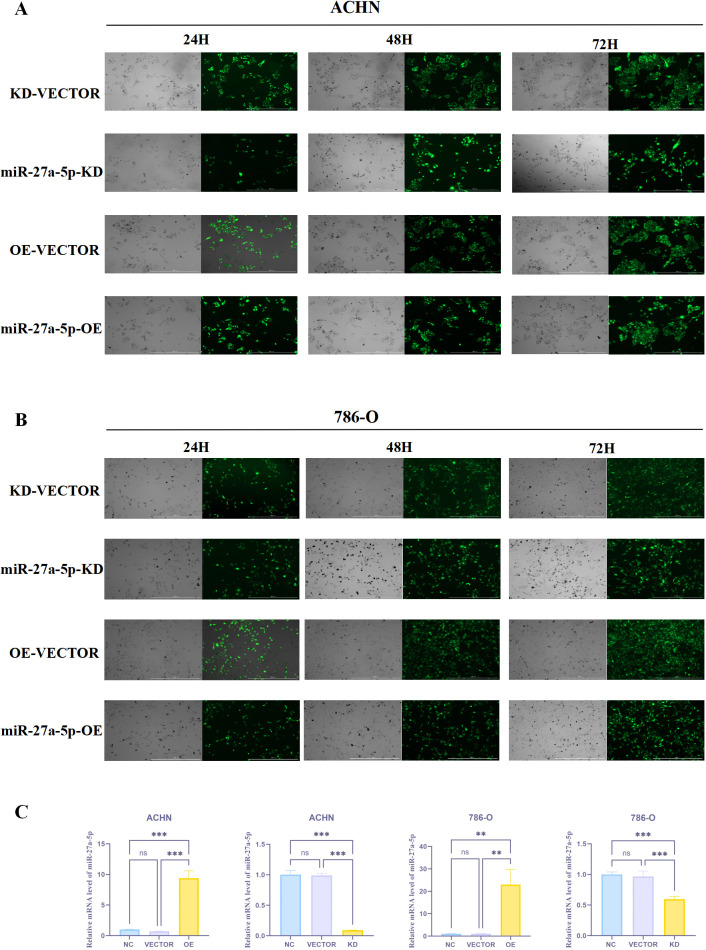 Figure 12
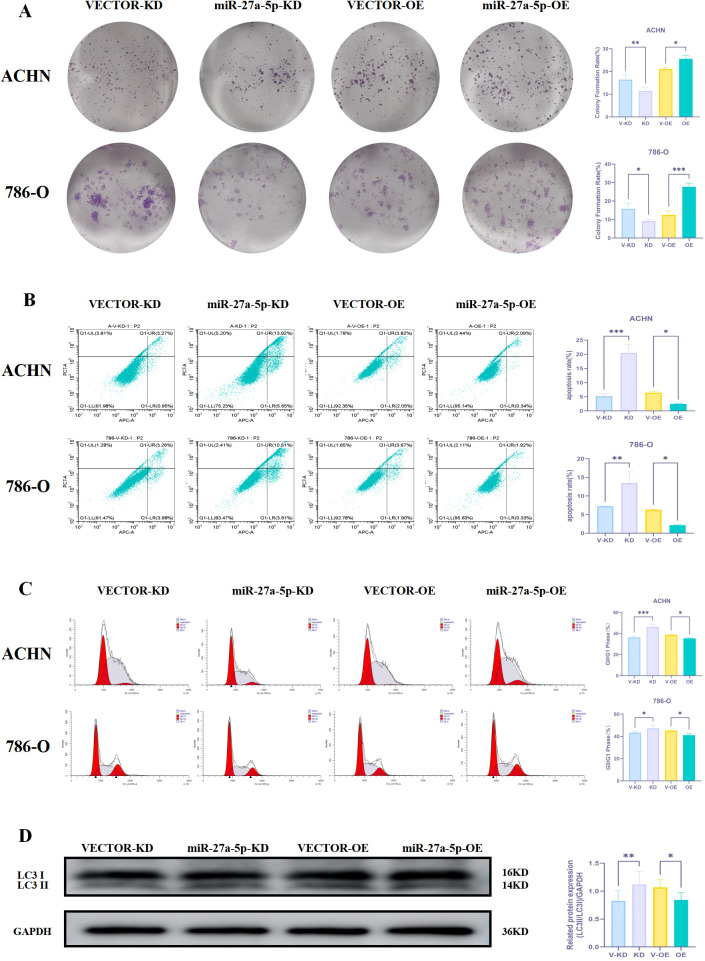 Figure 13
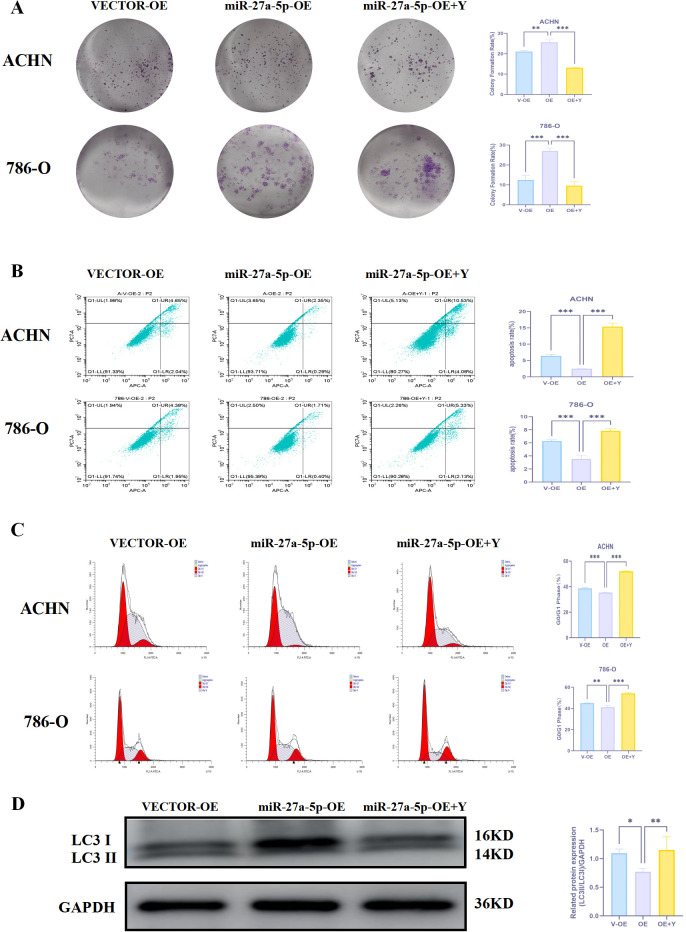 Figure 14
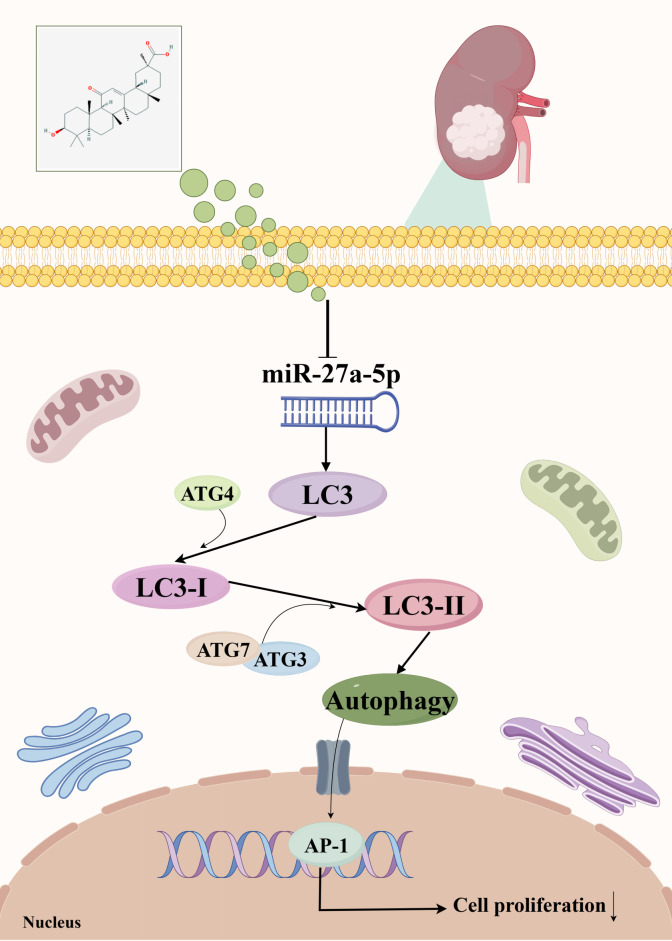 Figure 15
Peer Reviews
No public reviews on file for this paper yet. If you reviewed it on a platform where reviews are public (OpenReview, ICLR, NeurIPS, ICML), you can paste yours below so the community can read it here.
Videos
No videos yet. Explain this paper in a talk, walkthrough, or lecture? Add one.
Taxonomy
TopicsPharmacological Effects of Natural Compounds · Ginseng Biological Effects and Applications · Hormonal Regulation and Hypertension