Dynamic TyG trajectories cumulative TyG burden are associated with in-hospital mortality in acute brain injury: a multicenter interpretable machine-learning analysis
Juan Wang, Zheng Peng, Man-Man Xu, Meng-Lian Duan, Chun-Hua Hang, Peng-Lai Zhao

TL;DR
This study shows that tracking triglyceride-glucose levels over time in ICU patients with brain injuries can predict mortality better than single measurements, and these metrics can be used in a machine-learning model.
Contribution
The study introduces dynamic TyG trajectory analysis and cumulative TyG burden as novel time-sensitive predictors of mortality in acute brain injury patients.
Findings
Three distinct TyG trajectories were identified, with two showing higher mortality after day 7.
Cumulative TyG burden (TBM8p7) independently predicted in-hospital mortality.
TyG metrics added prognostic value beyond standard clinical indicators in a machine-learning model.
Abstract
Dynamic metabolic changes may influence outcomes after acute brain injury (ABI), but most ICU studies use only a single triglyceride–glucose (TyG) value. We examined whether ICU TyG trajectories and a cumulative TyG burden provide time-sensitive prognostic information and can be embedded in an interpretable mortality model. Adults with ABI from three ICU databases (NSICU, MIMIC-IV, eICU) were retrospectively analyzed. TyG trajectories were derived from serial ICU measurements, cumulative exposure was summarized as prespecified threshold-based mean area under the curve (TBM), and in-hospital mortality was evaluated with 7-day time-stratified Cox models. A machine-learning model including TyG trajectory, TBM, and routinely available clinical variables was trained in NSICU and validated in the pooled external cohort. Among 4,760 admissions, three trajectories were identified—low–slightly…
Genes, proteins, chemicals, diseases, species, mutations and cell lines named across the full text — each resolved to its canonical identifier and authoritative record.
Click any figure to enlarge with its caption.
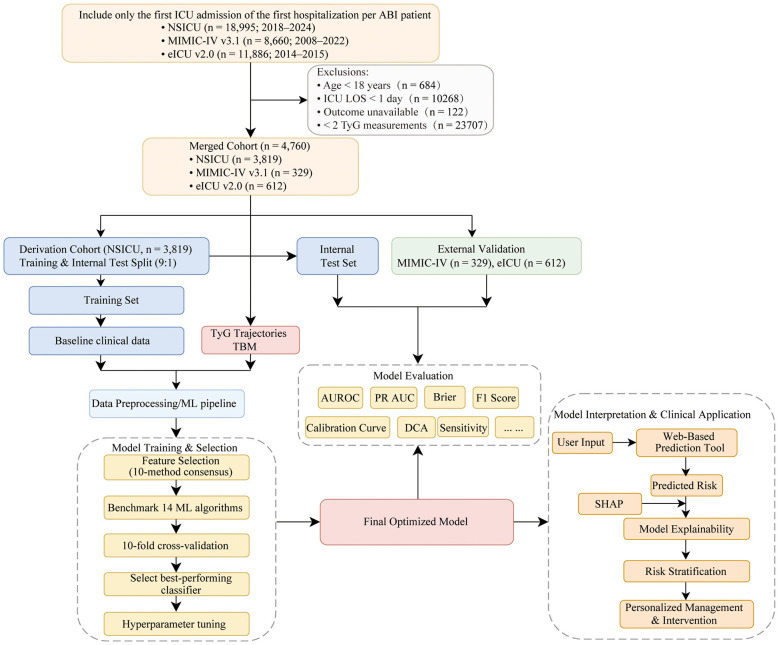 Figure 1
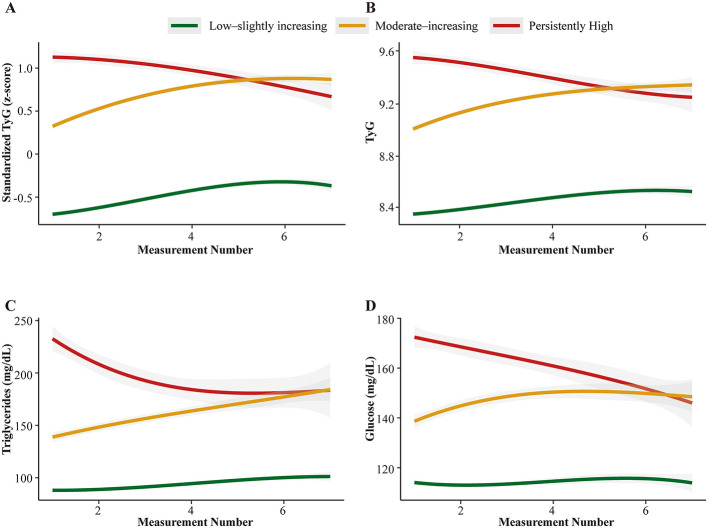 Figure 2
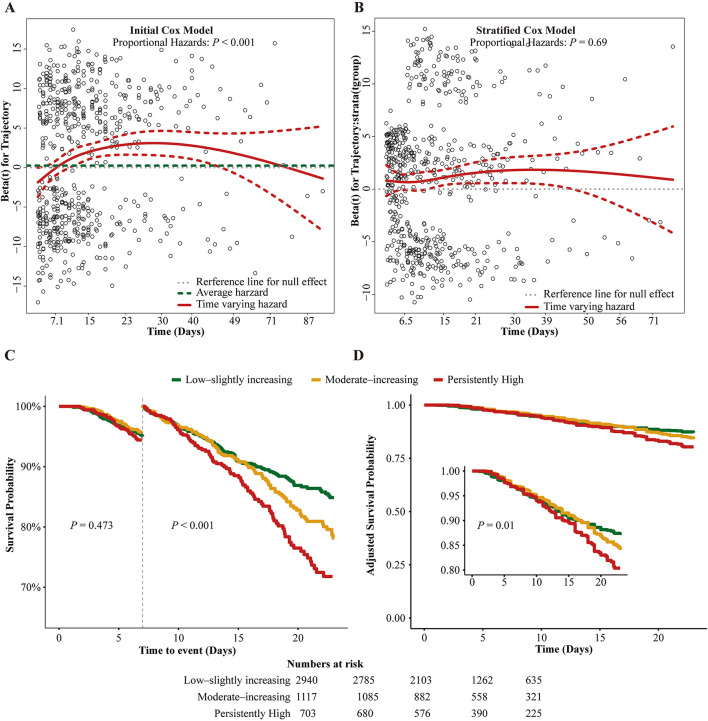 Figure 3
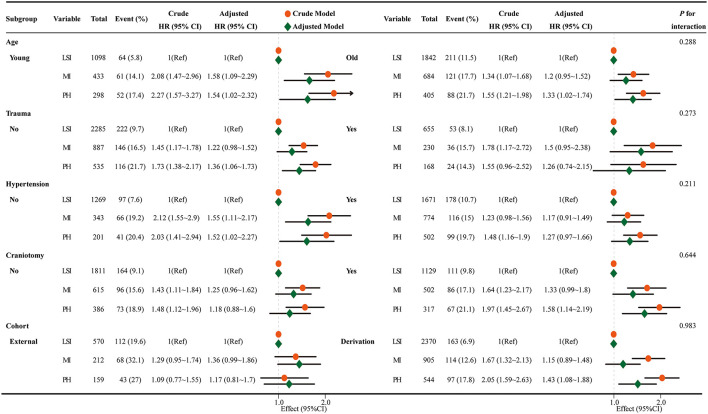 Figure 4
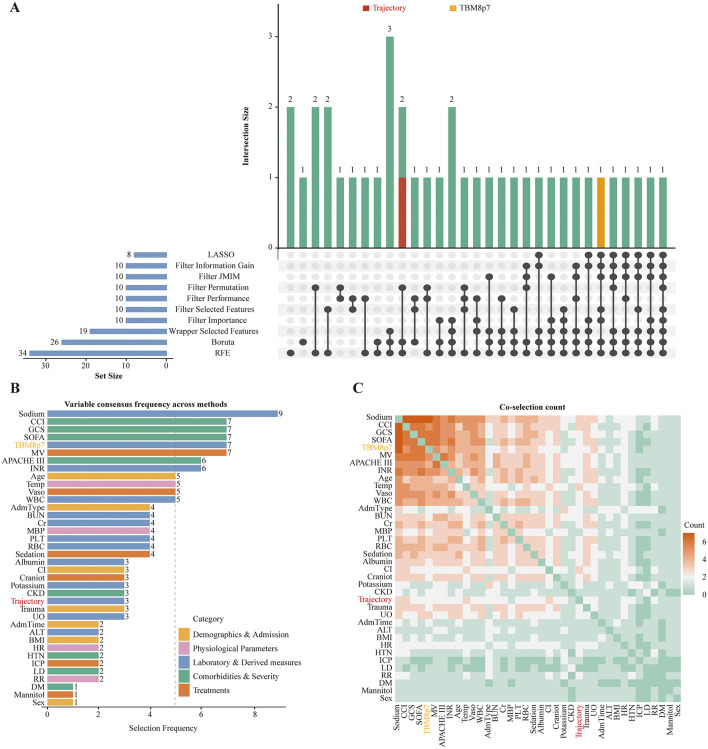 Figure 5
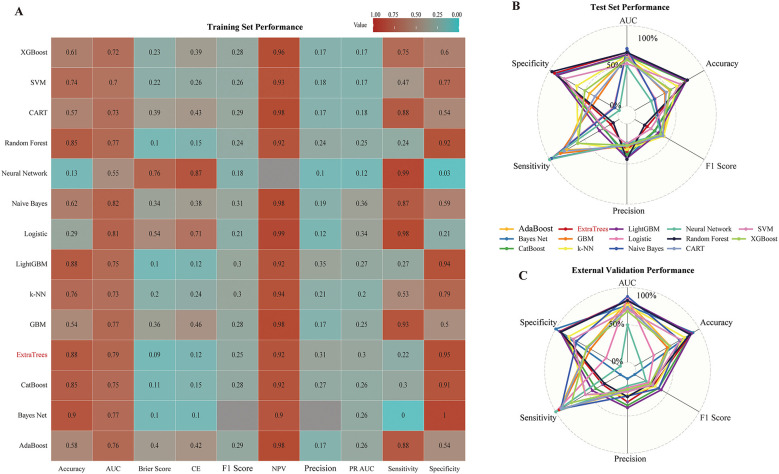 Figure 6
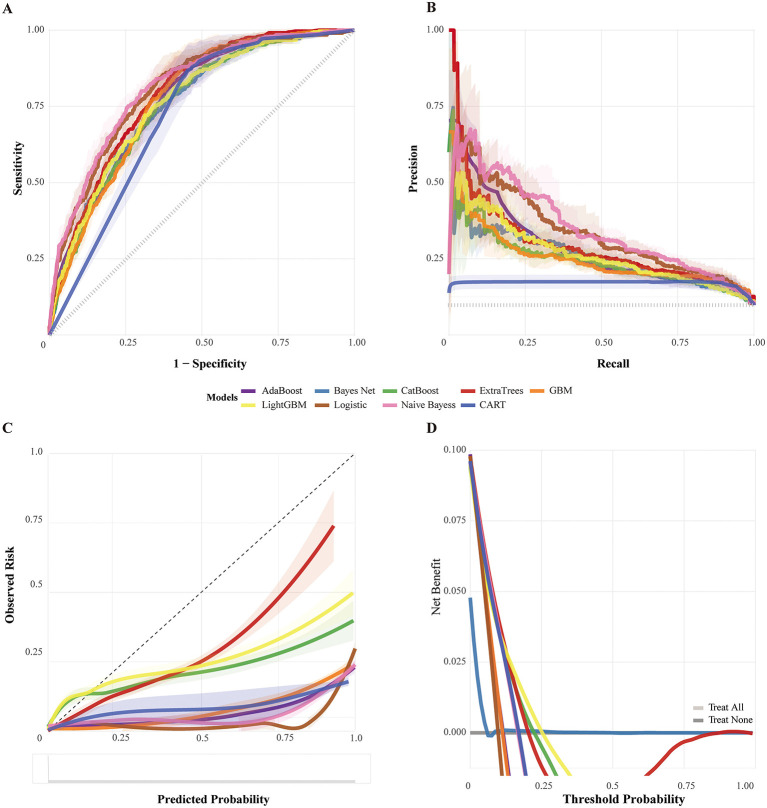 Figure 7
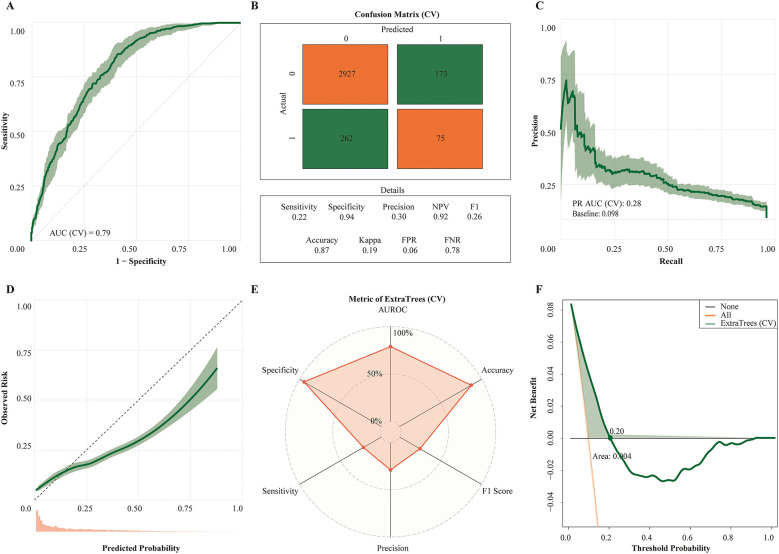 Figure 8
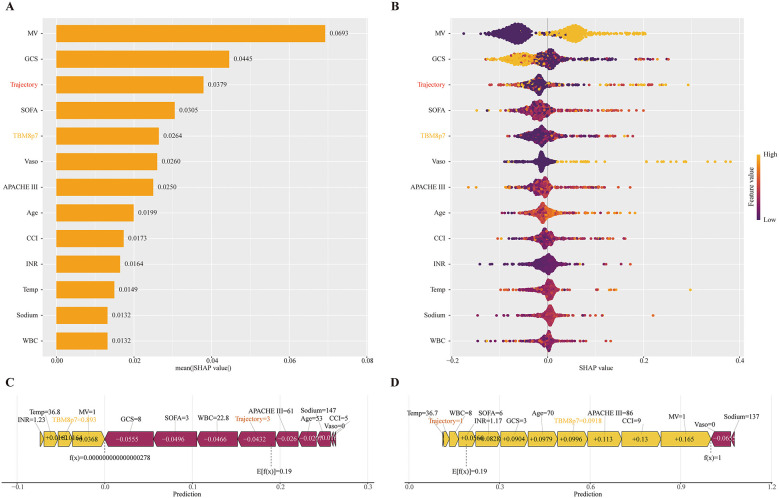 Figure 9
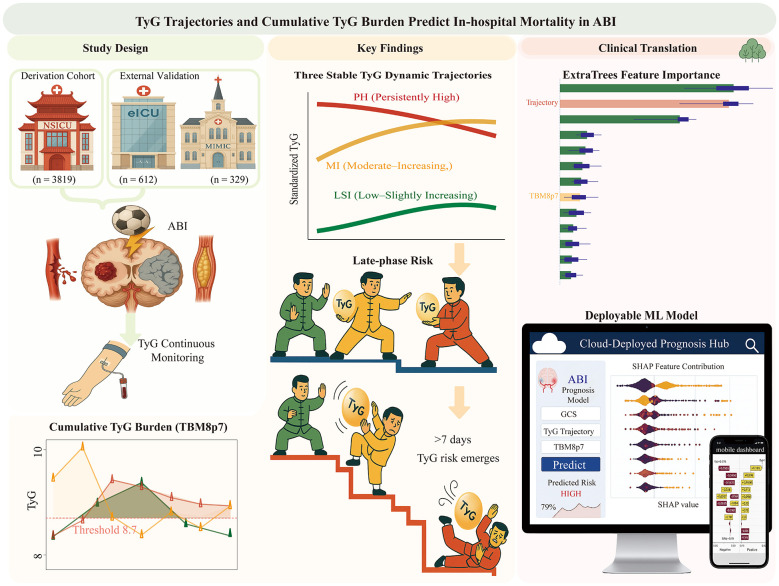 Figure 10
Peer Reviews
No public reviews on file for this paper yet. If you reviewed it on a platform where reviews are public (OpenReview, ICLR, NeurIPS, ICML), you can paste yours below so the community can read it here.
Videos
No videos yet. Explain this paper in a talk, walkthrough, or lecture? Add one.
Taxonomy
TopicsTraumatic Brain Injury and Neurovascular Disturbances · Hyperglycemia and glycemic control in critically ill and hospitalized patients · Sepsis Diagnosis and Treatment