Association between PFAS compounds in follicular fluid and POR and the intervention effect of Qizi Yusi Tang: a study based on targeted PFAS quantification analysis
Hengbing Li, Jiacheng Li, Wenjing Jiang, Xin Hu, Zizhen Guo, Jingyan Song, Zhengao Sun

TL;DR
This study finds that high levels of PFAS compounds, especially PFBA, in follicular fluid are linked to poor ovarian response in women with a specific TCM pattern, and that herbal treatment reduces these levels and improves outcomes.
Contribution
The study identifies PFBA as a metabolic marker for Kidney Deficiency-Liver Stagnation Pattern poor ovarian response and shows that Qizi Yusi Tang herbal intervention reduces PFAS levels and improves clinical outcomes.
Findings
Patients with Kidney Deficiency-Liver Stagnation Pattern POR had significantly higher PFBA levels in follicular fluid compared to controls.
Qizi Yusi Tang intervention significantly reduced PFBA levels and improved ovarian response and embryo outcomes.
Herbal treatment improved TCM syndrome scores and increased the number of oocytes and transferable embryos.
Abstract
This study employs high-throughput targeted PFAS quantification analysis to analyze per- and polyfluoroalkyl substances (PFAS) metabolites in follicular fluid from women with Kidney Deficiency-Liver Stagnation Pattern poor ovarian response (POR) and IVF controls with normal ovarian reserve. Furthermore, we examine PFAS metabolite alterations in POR patients before and after intervention with kidney-tonifying and liver-soothing herbal medicine to suggest that PFAS compounds, particularly PFBA, are significant metabolic markers associated with the Kidney Deficiency-Liver Stagnation Pattern in POR. This study enrolled 93 patients undergoing in vitro fertilization and embryo transfer (IVF-ET). Participants were divided into three groups: (1) the non-herbal intervention group (POR-NON group, n =31); (2) the control group (POR-CON group, n =31); and (3) the herbal medicine intervention group…
Genes, proteins, chemicals, diseases, species, mutations and cell lines named across the full text — each resolved to its canonical identifier and authoritative record.
Click any figure to enlarge with its caption.
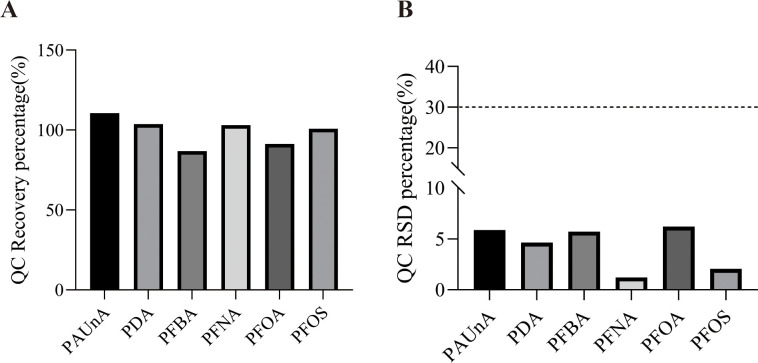 Figure 1
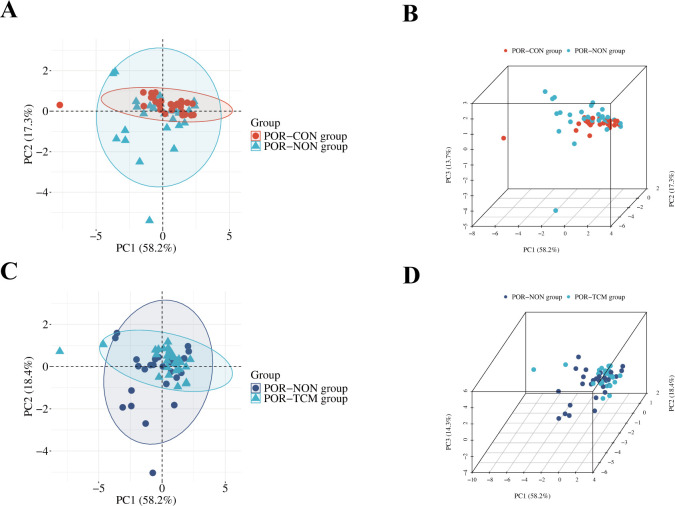 Figure 2
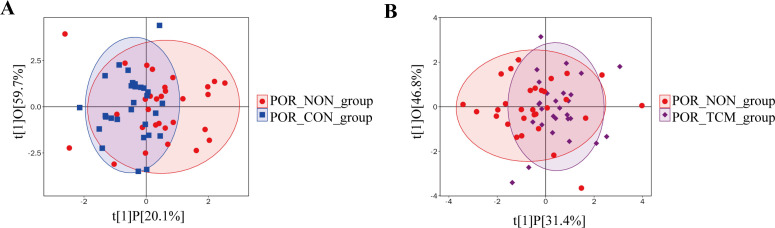 Figure 3
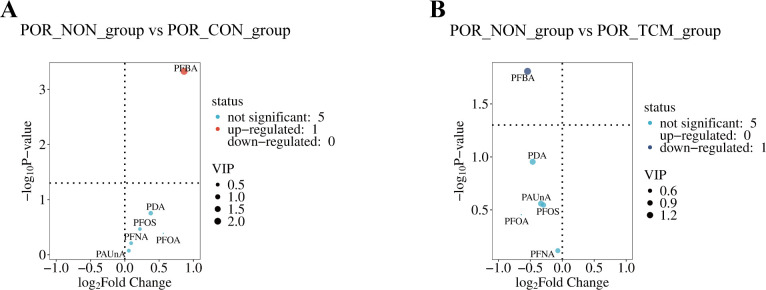 Figure 4
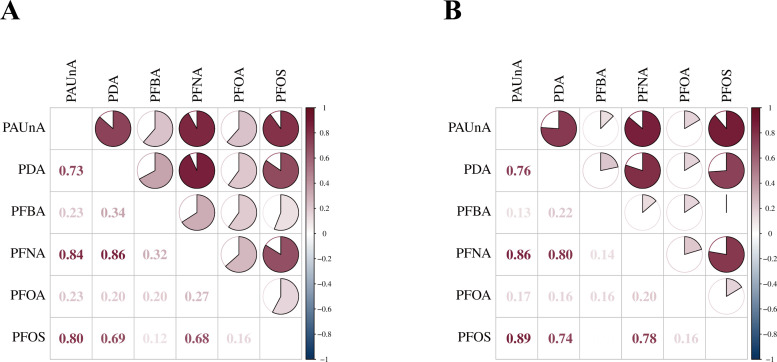 Figure 5
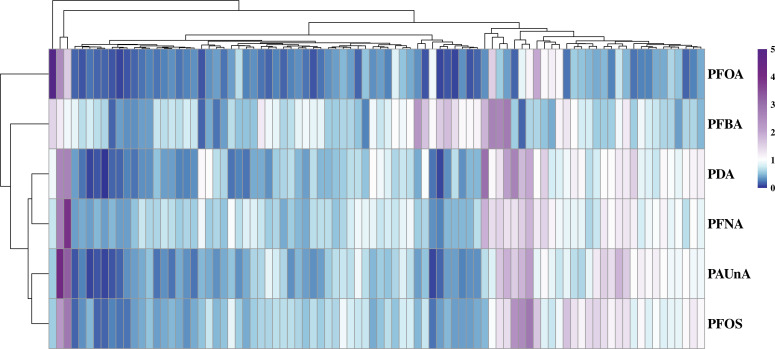 Figure 6
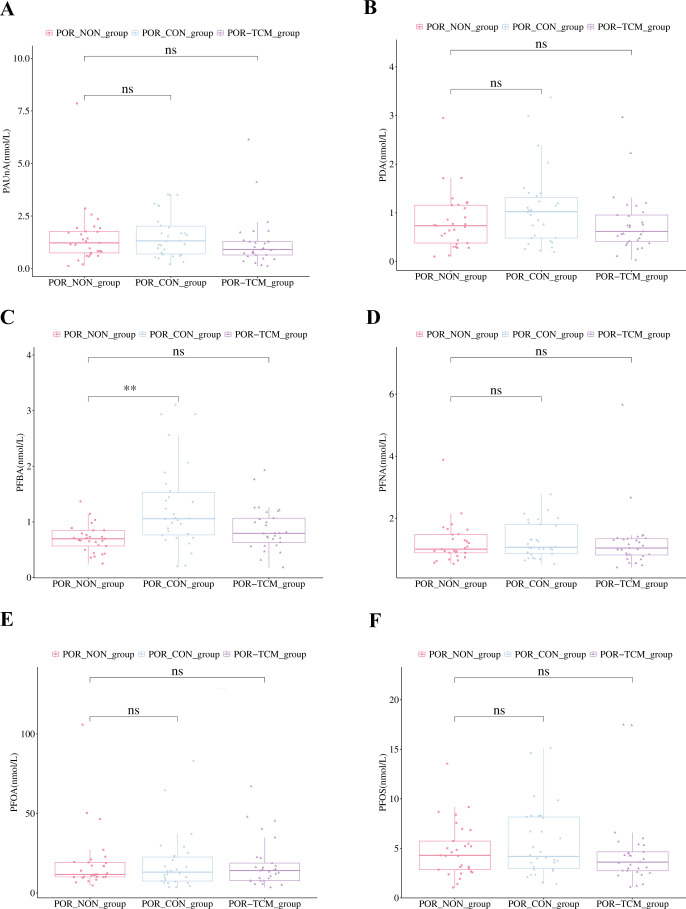 Figure 7
Peer Reviews
No public reviews on file for this paper yet. If you reviewed it on a platform where reviews are public (OpenReview, ICLR, NeurIPS, ICML), you can paste yours below so the community can read it here.
Videos
No videos yet. Explain this paper in a talk, walkthrough, or lecture? Add one.
Taxonomy
TopicsPer- and polyfluoroalkyl substances research · Fluorine in Organic Chemistry · Effects and risks of endocrine disrupting chemicals