Development and external validation of a machine learning model for predicting in-hospital mortality in ICU patients with diabetic kidney disease: a study utilizing the MIMIC database and a Chinese cohort
YuNan Han, RuMeng Mao, ChengYue Xiong, YongXiang Wang, Lin Li, HongLian Wang

TL;DR
This study creates and validates a machine learning model to predict in-hospital mortality for ICU patients with diabetic kidney disease, using data from MIMIC and a Chinese hospital.
Contribution
The novel contribution is an interpretable machine learning model for predicting ICU mortality in diabetic kidney disease patients, validated in two cohorts.
Findings
XGBoost achieved an AUROC of 0.738 in internal validation and 0.746 in external validation.
Respiratory failure, lymphocyte count, and SOFA score were identified as key predictors of mortality.
The model provides satisfactory generalizability and interpretability for clinical use.
Abstract
Patients with diabetic kidney disease (DKD) admitted to the intensive care unit (ICU) face an exceptionally high risk of in-hospital mortality. Currently, effective tools for their early risk stratification are critically lacking. Therefore, this study aimed to develop and externally validate an interpretable machine learning (ML) model for predicting in-hospital mortality in this high-risk ICU-DKD patient population. This retrospective cohort study involved developing and evaluating eight ML algorithms. Model performance was rigorously assessed using receiver operating characteristic (ROC) curves, calibration curves, and decision curve analysis (DCA). SHapley Additive exPlanations (SHAP) provided model interpretability. Data from DKD patients with ≥24-hour ICU stays were extracted from the MIMIC-IV database (n=3,403) for model development. An independent external validation cohort…
Genes, proteins, chemicals, diseases, species, mutations and cell lines named across the full text — each resolved to its canonical identifier and authoritative record.
Click any figure to enlarge with its caption.
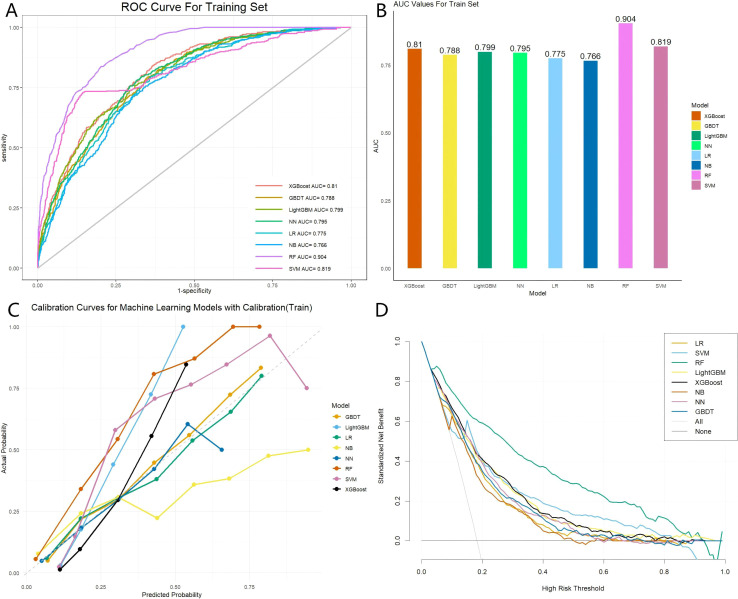 Figure 1
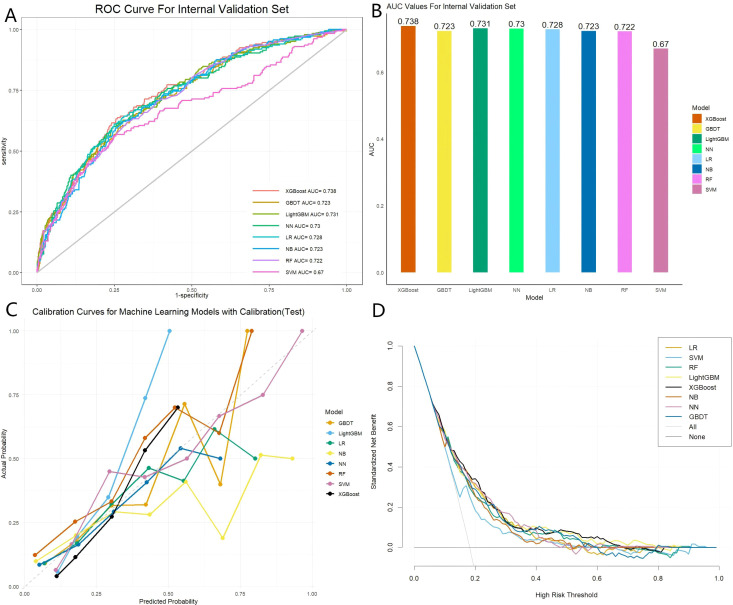 Figure 2
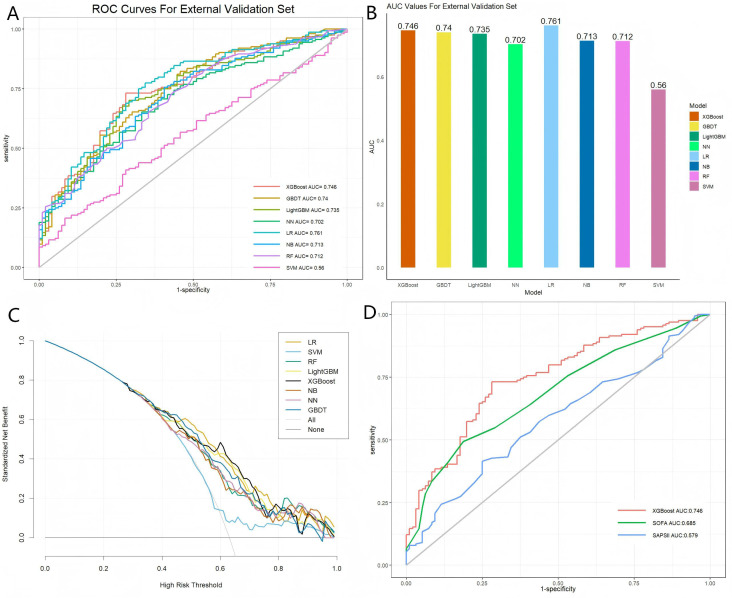 Figure 3
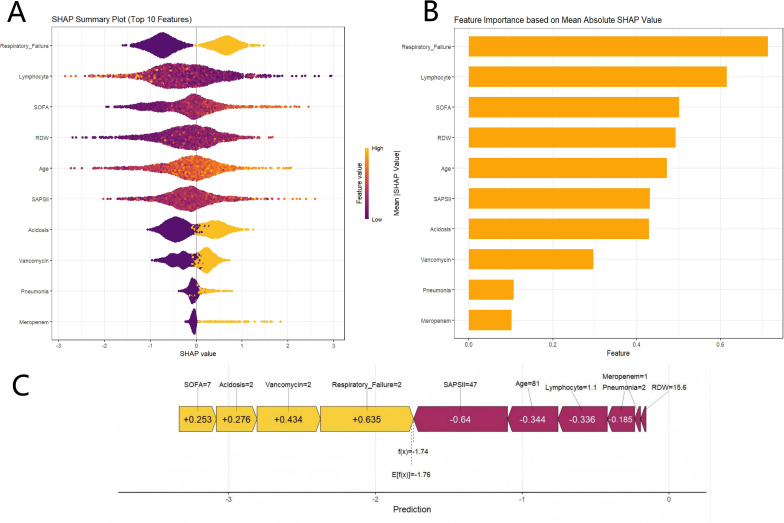 Figure 4
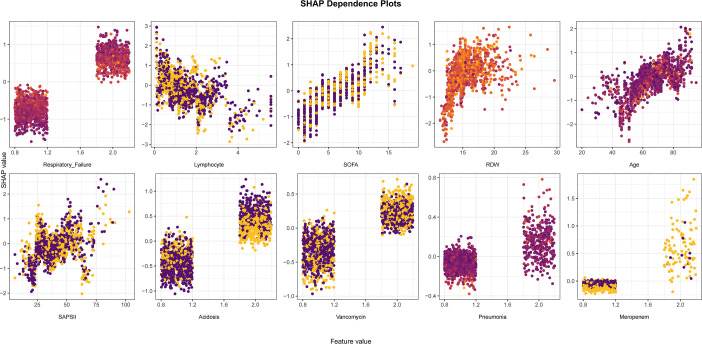 Figure 5
Peer Reviews
No public reviews on file for this paper yet. If you reviewed it on a platform where reviews are public (OpenReview, ICLR, NeurIPS, ICML), you can paste yours below so the community can read it here.
Videos
No videos yet. Explain this paper in a talk, walkthrough, or lecture? Add one.
Taxonomy
TopicsSepsis Diagnosis and Treatment · Hyperglycemia and glycemic control in critically ill and hospitalized patients · Machine Learning in Healthcare