Persistent lactic acidosis in ALK-positive anaplastic large cell lymphoma: a case report and literature review
Haoru Jin, Zhibin Xu, Qing Ai, Qiangwei Huang, Xu Chen, Yongbei Luo, Peicong Hong, Yuan Qiu

TL;DR
A patient with ALK-positive lymphoma showed persistent lactic acidosis, which improved rapidly with chemotherapy and supportive care.
Contribution
Demonstrates the importance of recognizing cancer-related lactic acidosis and timely tumor-directed therapy in stable patients.
Findings
Lactate levels decreased rapidly following ECHOP chemotherapy and CRRT support.
Timely antitumor therapy led to metabolic reversal and recovery in a hemodynamically stable patient.
Review of 18 cases showed rapid lactate decline with treatment and poor outcomes without it.
Abstract
Lactic acidosis is common in the ICU, but malignancy-associated type B lactic acidosis mediated by the clinical Warburg effect (CWE) is uncommon and easily missed when infection or organ dysfunction dominates the presentation. We report a 35-year-old man with a month of fever and progressive dyspnea who presented with persistent hyperlactatemia (peak 15.46 mmol/L) and markedly elevated LDH despite stable hemodynamics. Imaging revealed generalized lymphadenopathy, multifocal osteolytic lesions, and bilateral pleural effusions; infectious studies were unrevealing apart from chronic hepatitis B. Cervical node biopsy (CD30+, ALK-L+, EMA+; Ki-67 ~80%; EBER–; pan-B/T and epithelial markers negative) established ALK-positive anaplastic large-cell lymphoma. In the absence of shock or sustained hypoperfusion, CWE/type B lactic acidosis was diagnosed. An etoposide-containing CHOP variant…
Genes, proteins, chemicals, diseases, species, mutations and cell lines named across the full text — each resolved to its canonical identifier and authoritative record.
Click any figure to enlarge with its caption.
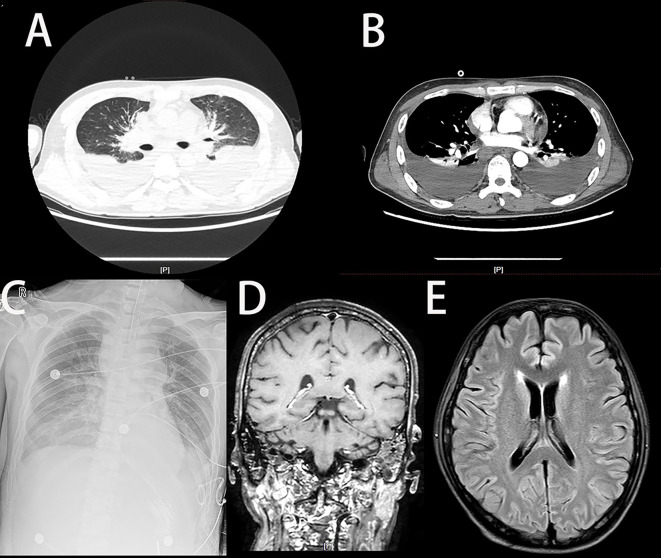 Figure 1
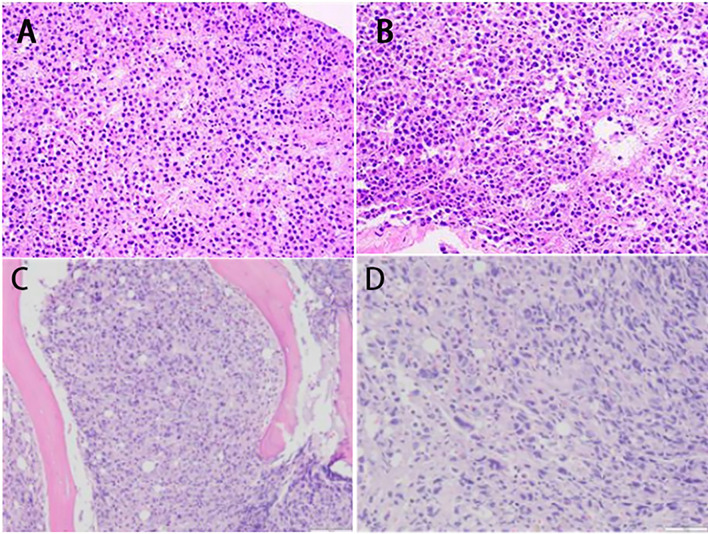 Figure 2
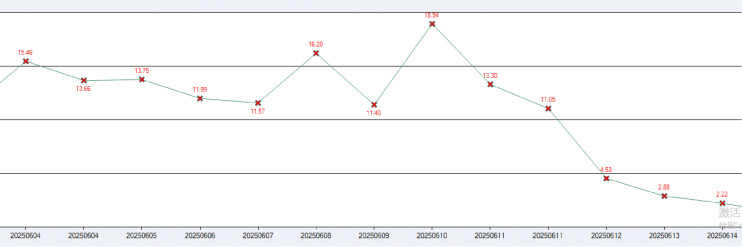 Figure 3
Peer Reviews
No public reviews on file for this paper yet. If you reviewed it on a platform where reviews are public (OpenReview, ICLR, NeurIPS, ICML), you can paste yours below so the community can read it here.
Videos
No videos yet. Explain this paper in a talk, walkthrough, or lecture? Add one.
Taxonomy
TopicsCancer, Hypoxia, and Metabolism · Hematological disorders and diagnostics · Renal function and acid-base balance