Impaired PIEZO1 function drives uterine hypercontractility in adenomyosis-associated dysmenorrhea
Dingmin Yan, Yuedong Wang, Xishi Liu, Sun-Wei Guo

TL;DR
This study shows that reduced PIEZO1 function in the uterus leads to increased contractions and pain in women with adenomyosis, suggesting a potential new treatment target.
Contribution
The study identifies PIEZO1 as a novel mechanosensor involved in uterine hypercontractility and dysmenorrhea in adenomyosis.
Findings
PIEZO1 downregulation reduces eNOS and NO production, leading to increased uterine contractility in adenomyosis.
PIEZO1 promoter hypermethylation in adenomyosis is reversed by valproic acid, reactivating PIEZO1 expression.
Adenomyosis in mice shows reduced Piezo1 and eNos, increased Piezo2 and Otr, and progressive uterine hypercontractility.
Abstract
Does PIEZO1 play any role in adenomyosis-associated dysmenorrhea? PIEZO1 downregulation in the myometrium reduces the expression of endothelial nitric oxide synthase (eNOS) and nitric oxide (NO) production, leading to increased and irregular contractility that contributes to dysmenorrhea in women with adenomyosis. Aberrant uterine contractility has long been documented in women with adenomyosis, but our knowledge of the molecular mechanisms governing uterine contractility is quite limited. Oxytocin receptor (OTR) expression in myometrium is elevated and correlates with uterine contractile amplitude and the severity of dysmenorrhea in women with adenomyosis. Adenomyosis induced in mice leads to increased uterine contractile amplitude and irregularity, accompanied by progressive generalized hyperalgesia. Additionally, increased myometrial vasopressin receptor (VP1αR) and potentially…
Genes, proteins, chemicals, diseases, species, mutations and cell lines named across the full text — each resolved to its canonical identifier and authoritative record.
Click any figure to enlarge with its caption.
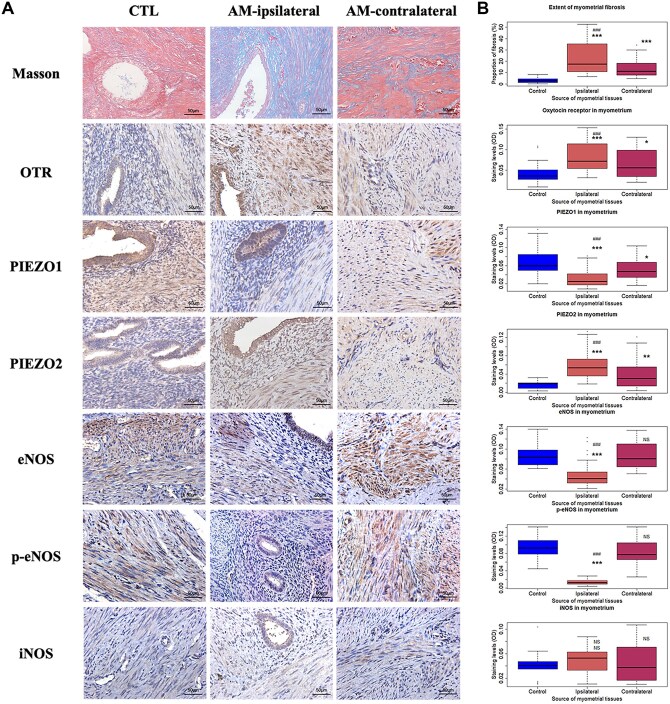 Figure 1
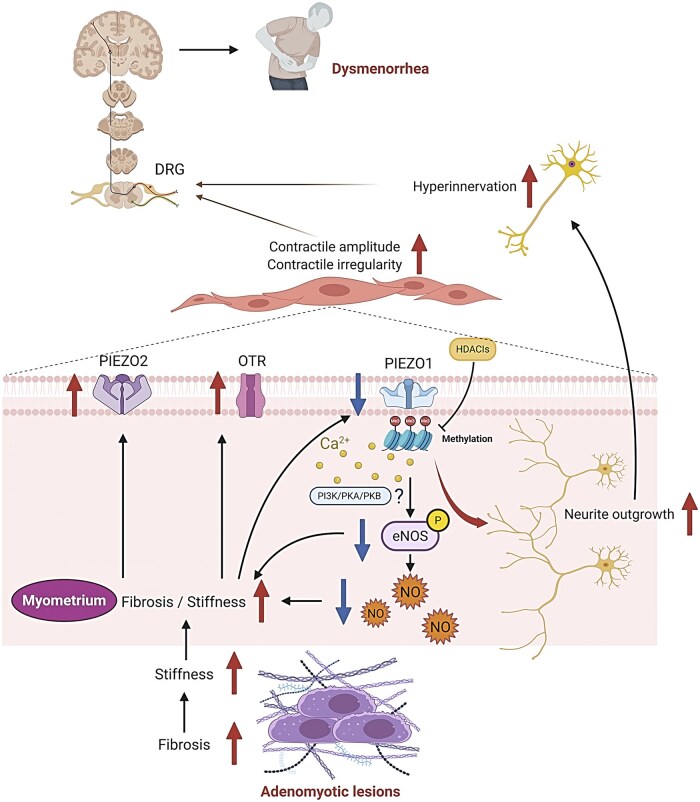 Figure 2
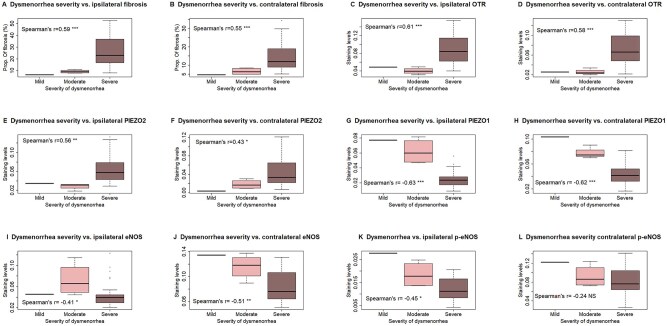 Figure 3
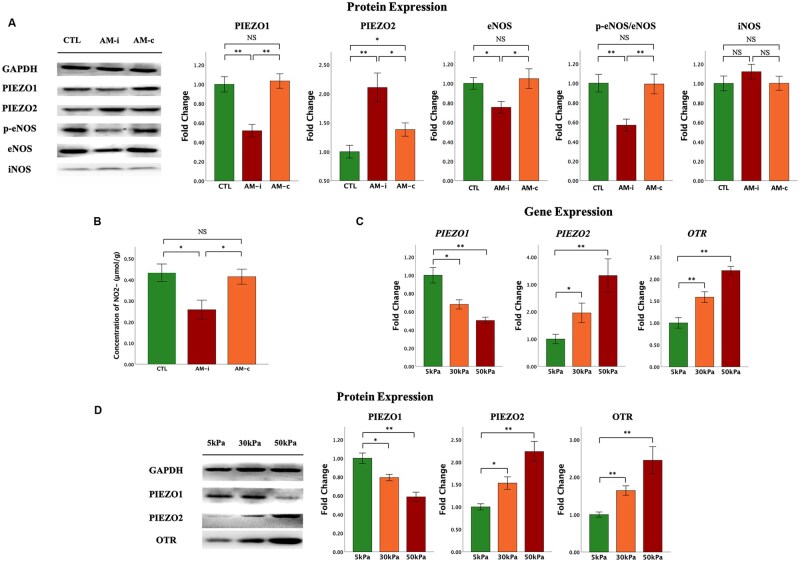 Figure 4
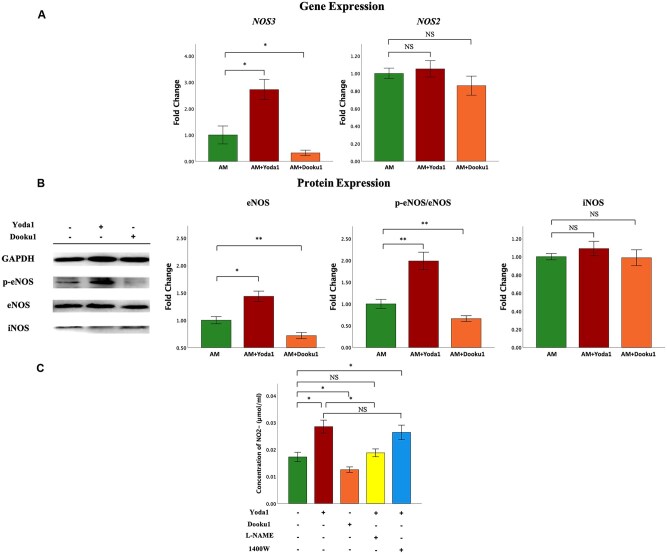 Figure 5
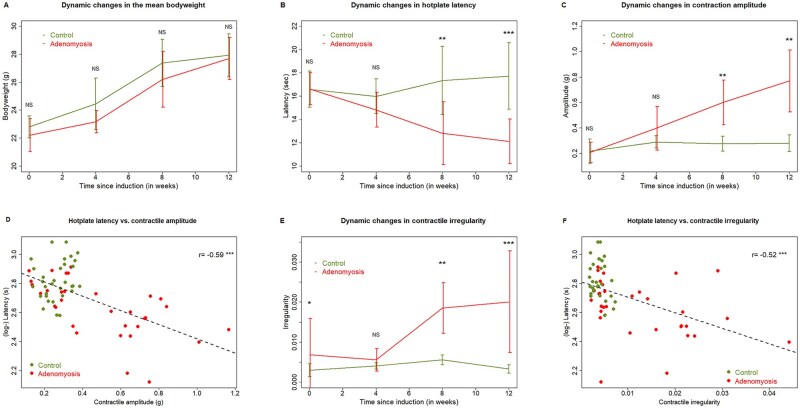 Figure 6
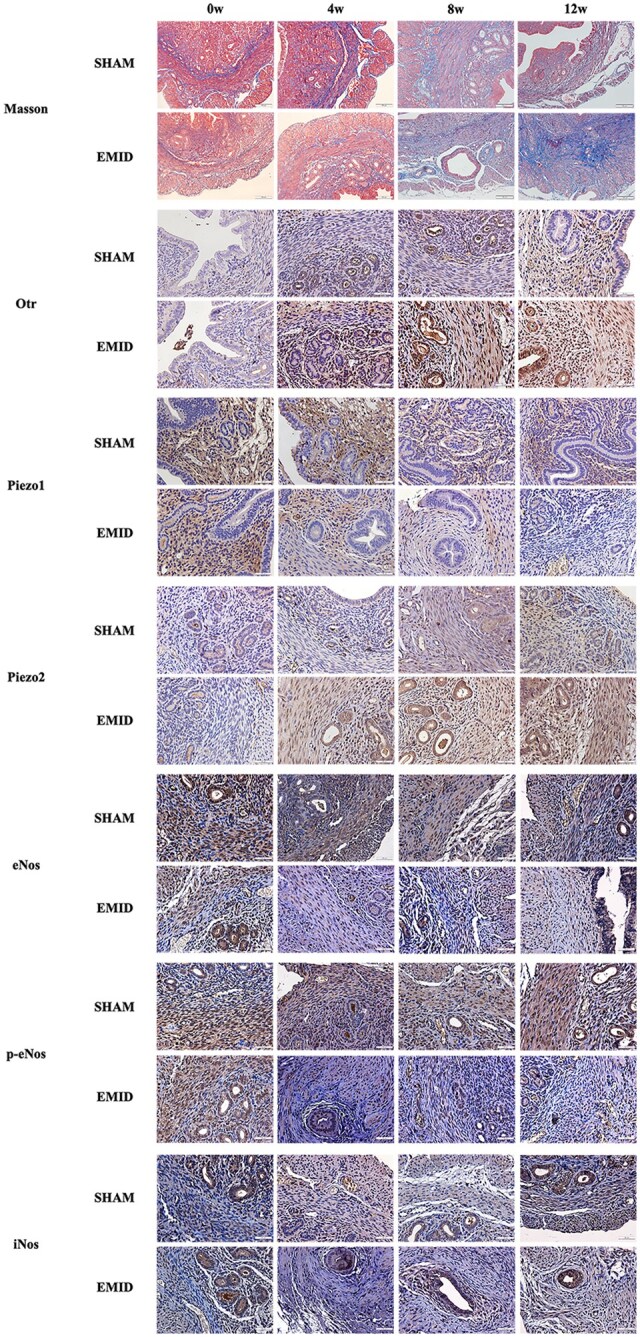 Figure 7
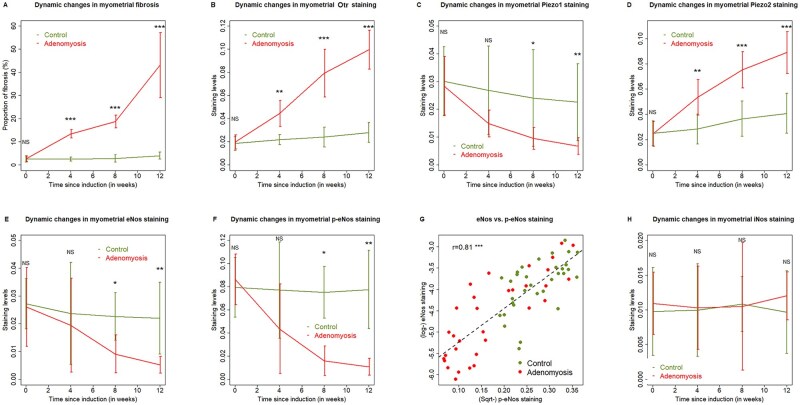 Figure 8
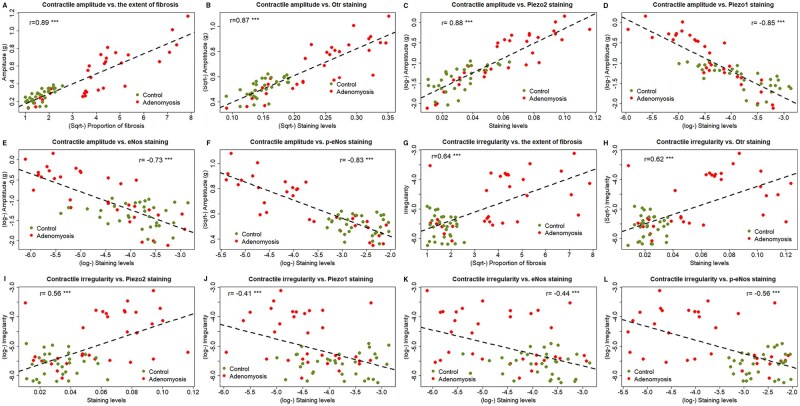 Figure 9
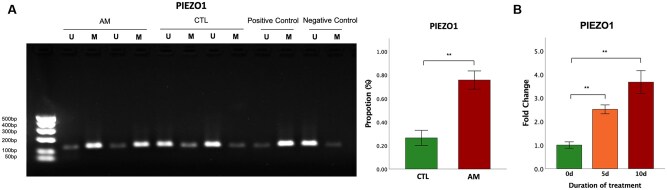 Figure 10
Peer Reviews
No public reviews on file for this paper yet. If you reviewed it on a platform where reviews are public (OpenReview, ICLR, NeurIPS, ICML), you can paste yours below so the community can read it here.
Videos
No videos yet. Explain this paper in a talk, walkthrough, or lecture? Add one.
Taxonomy
TopicsEndometriosis Research and Treatment · Uterine Myomas and Treatments · Erythrocyte Function and Pathophysiology