Evaluating the potential for sperm DNA fragmentation testing to guide the use of ICSI for couples with non-severe male infertility
Yuanyuan Wang, Rui Wang, Ying Lian, Rui Yang, Jiangman Gao, Jianqiao Liu, Li Tang, Xiaoyan Liang, Yunxia Cao, Wen Li, Li Jin, Yimin Zhu, Junli Zhao, Guimin Hao, Huichun Wang, Ben W Mol, Rong Li, Jie Qiao

TL;DR
Sperm DNA fragmentation testing does not reliably help decide whether ICSI or IVF is better for couples with mild male infertility.
Contribution
This study shows that sperm DNA fragmentation index testing is not useful for guiding ICSI versus IVF treatment decisions in non-severe male infertility cases.
Findings
Sperm DNA fragmentation index (DFI) testing showed no significant differences in cumulative live birth rates between ICSI and IVF across all DFI quantiles.
There was no evidence of interaction between sperm DFI and treatment effect of ICSI over IVF on live birth outcomes.
The study concludes that DFI testing should not be routinely recommended for couples with non-severe male infertility.
Abstract
In couples with non-severe male infertility, can sperm DNA fragmentation index (DFI) testing serve as a biomarker to identify couples who would benefit from ICSI over conventional IVF, based on cumulative live birth rate? Our secondary analysis of a randomized clinical trial (RCT) indicated that sperm DFI testing has limited value in identifying couples who would benefit from use of ICSI over IVF, based on cumulative live birth rate. We recently demonstrated that in couples with non-severe male factor infertility, ICSI decreases cumulative live birth rates following the first transfer compared to IVF. However, it remains unclear whether sperm DFI testing can effectively guide treatment selection between ICSI and IVF. We used data of participants included in a randomized controlled trial comparing ICSI versus IVF in couples with non-severe male factor infertility. Participants had…
Genes, proteins, chemicals, diseases, species, mutations and cell lines named across the full text — each resolved to its canonical identifier and authoritative record.
Click any figure to enlarge with its caption.
 Figure 1
 Figure 2
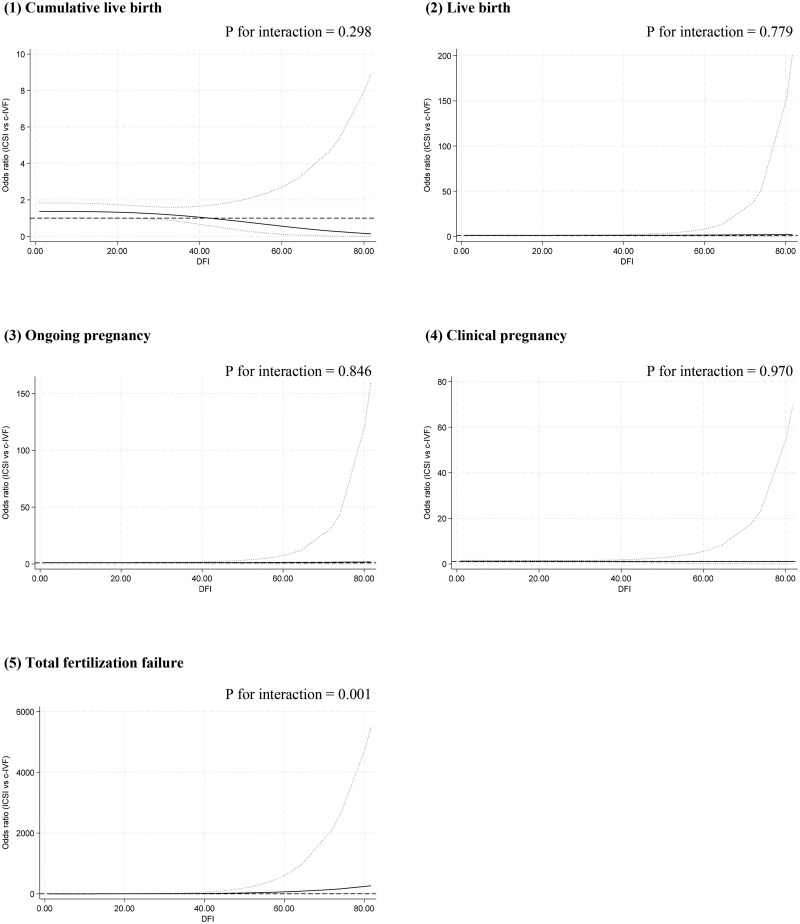 Figure 3
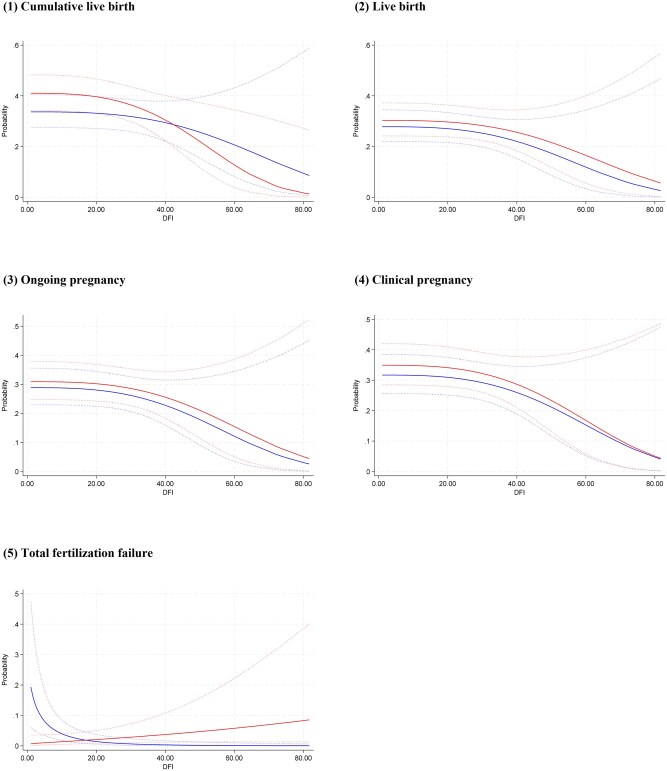 Figure 4
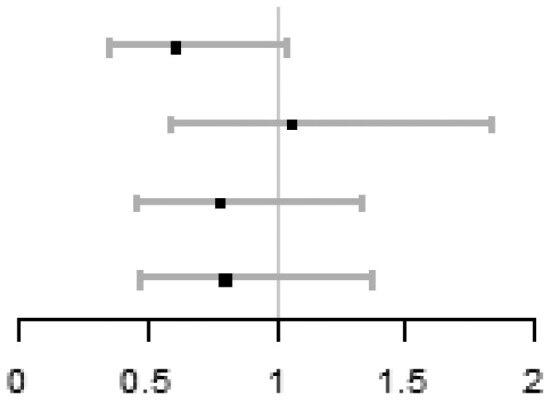 Figure 5
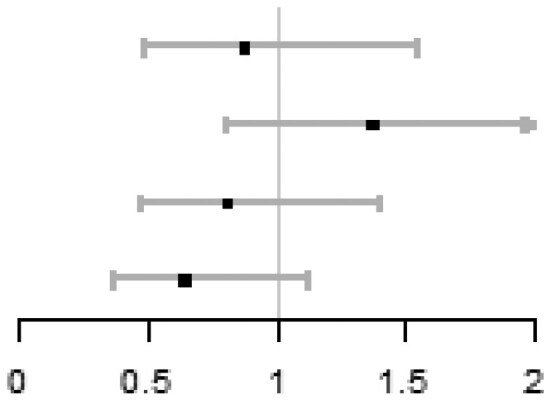 Figure 6
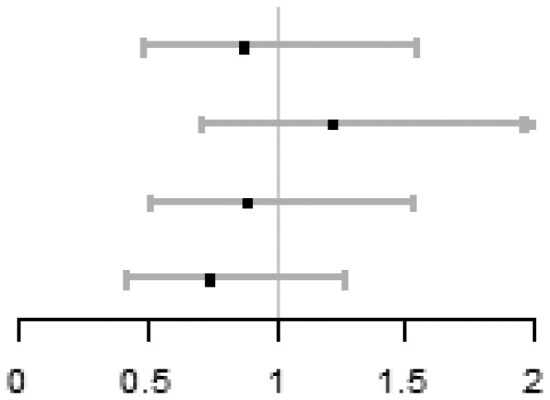 Figure 7
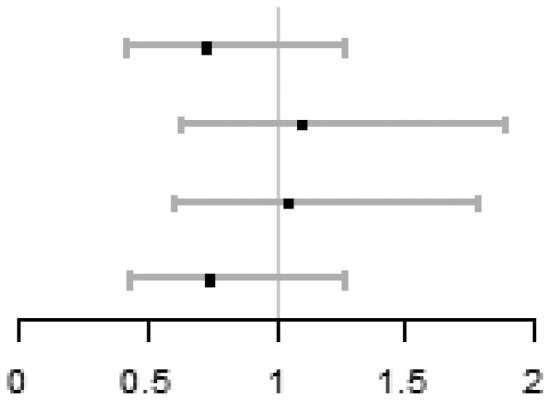 Figure 8
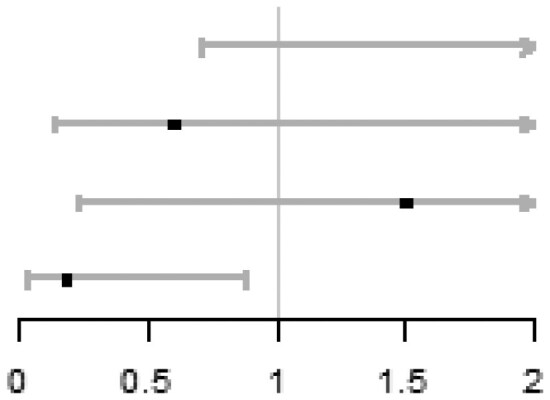 Figure 9
Peer Reviews
No public reviews on file for this paper yet. If you reviewed it on a platform where reviews are public (OpenReview, ICLR, NeurIPS, ICML), you can paste yours below so the community can read it here.
Videos
No videos yet. Explain this paper in a talk, walkthrough, or lecture? Add one.
Taxonomy
TopicsSperm and Testicular Function · Reproductive Health and Technologies · Ovarian function and disorders