Descriptive transcriptomic profiling differentiates oral leukoplakia from proliferative verrucous leukoplakia and reveals distinct molecular signatures
Mario Pérez-Sayáns, Fábio França Vieira-e-Silva, Ceres Fernández-Rozadilla, Ángel Carracedo, Silvia Carlés-González, Alejandro Ismael Lorenzo-Pouso, Alba Pérez-Jardón, Pilar Gándara-Vila, Abel García-García, José Manuel Suárez-Peñaranda, Andrés Blanco-Carrión

TL;DR
This study uses transcriptomic profiling to distinguish between two oral disorders and identifies potential biomarkers for diagnosis and prognosis.
Contribution
The study reveals distinct molecular signatures and potential biomarkers in proliferative verrucous leukoplakia through transcriptomic profiling.
Findings
Overexpressed genes in proliferative verrucous leukoplakia are linked to inflammation and immune regulation.
Syndecan 3 gene variants are identified as potential biomarkers for diagnosis and prognosis in proliferative verrucous leukoplakia.
Distinct miRNA profiles, including MIR1246 and MIR767 overexpression, are observed in proliferative verrucous leukoplakia.
Abstract
Oral leukoplakia and proliferative verrucous leukoplakia represent oral potentially malignant disorders. Oral leukoplakia typically presents as solitary lesions, while proliferative verrucous leukoplakia manifests as multifocal lesions with higher malignant potential. This study aimed to investigate the genetic heterogeneity between these disorders through differential gene expression, genetic variants, and microRNA profiling to identify potential biomarkers for diagnosis and prognosis. Biopsies and peripheral blood samples were obtained from 20 patients. Subsequently, RNA extraction, RNA-Seq libraries preparation, and bioinformatic analyses were conducted to ascertain differential gene expression, genetic variants, and microRNA expression. In mRNA analysis, overexpressed genes in proliferative verrucous leukoplakia are primarily associated with inflammation and immune regulation,…
Genes, proteins, chemicals, diseases, species, mutations and cell lines named across the full text — each resolved to its canonical identifier and authoritative record.
Click any figure to enlarge with its caption.
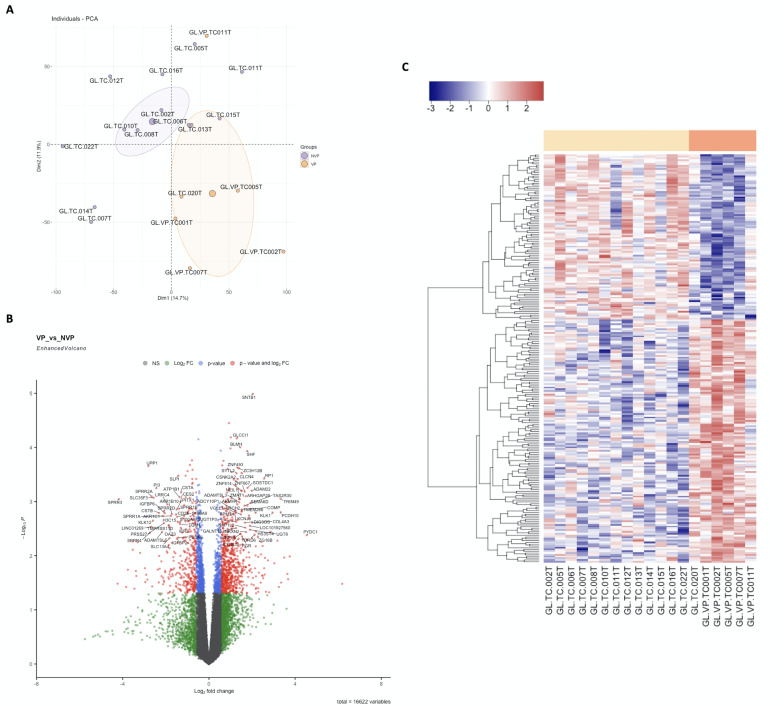 Figure 1
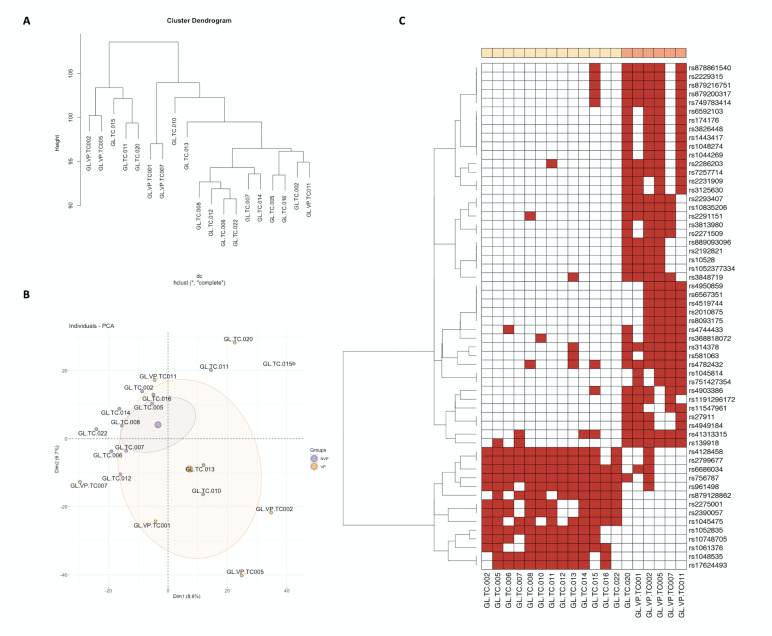 Figure 2
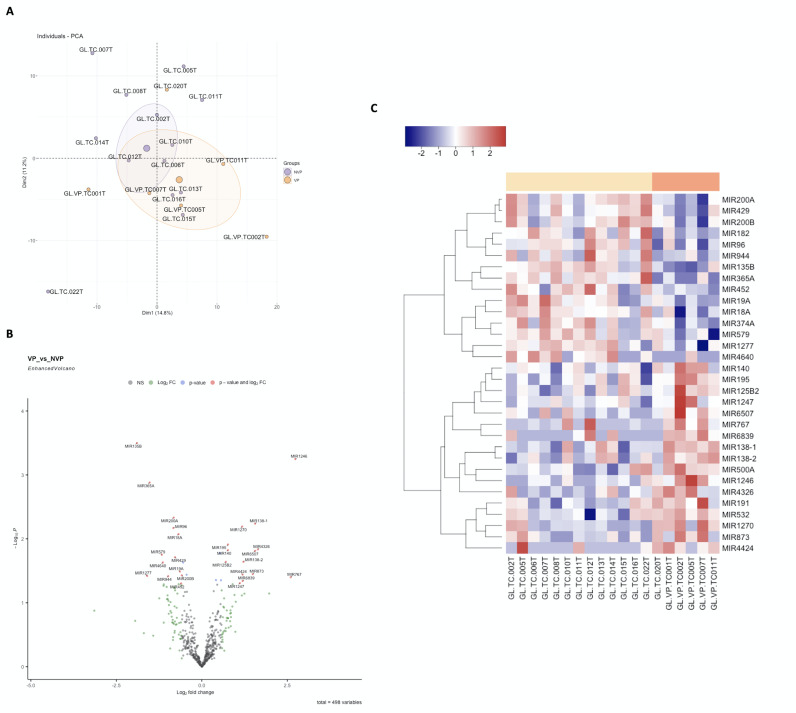 Figure 3
Peer Reviews
No public reviews on file for this paper yet. If you reviewed it on a platform where reviews are public (OpenReview, ICLR, NeurIPS, ICML), you can paste yours below so the community can read it here.
Videos
No videos yet. Explain this paper in a talk, walkthrough, or lecture? Add one.
Taxonomy
TopicsOral Health Pathology and Treatment · Head and Neck Cancer Studies · Salivary Gland Disorders and Functions