Infection-Associated Transient Neutropenia Mimicking Methimazole-Induced Agranulocytosis in Graves' Disease: A Diagnostic Dilemma
Saraswathi Saiprasad, Narayana Swamy, Theresa Cao, Sriharika Gottipolu

TL;DR
A young woman with Graves' disease experienced severe neutropenia during methimazole treatment, which was initially mistaken for a drug-induced condition but was later found to be infection-related.
Contribution
The case highlights diagnostic challenges in distinguishing drug-induced agranulocytosis from infection-associated neutropenia using clinical and laboratory features.
Findings
The patient's neutrophil count rapidly improved after infection resolution, suggesting transient infection-related neutropenia.
Methimazole was cautiously reintroduced at a reduced dose, resulting in sustained neutrophil normalization.
The case emphasizes the importance of ANC trajectory and infectious context in diagnosing neutropenia.
Abstract
Methimazole is the preferred antithyroid drug for Graves’ disease but is rarely associated with agranulocytosis, a potentially life-threatening adverse effect that traditionally mandates permanent drug discontinuation. Agranulocytosis is defined by an absolute neutrophil count (ANC) below 500 cells/µL. We report a case of severe neutropenia occurring during methimazole therapy in a young woman with Graves’ disease that closely mimicked methimazole-induced agranulocytosis but was ultimately consistent with infection-associated transient neutropenia. While receiving methimazole, the patient developed acute tonsillitis with a nadir ANC of 0.06 × 10³/µL, prompting immediate discontinuation of therapy. Rapid hematologic improvement was observed within approximately 24 hours, with continued recovery of neutrophil counts as the infection resolved. In contrast, thyroid indices worsened…
Genes, proteins, chemicals, diseases, species, mutations and cell lines named across the full text — each resolved to its canonical identifier and authoritative record.
Click any figure to enlarge with its caption.
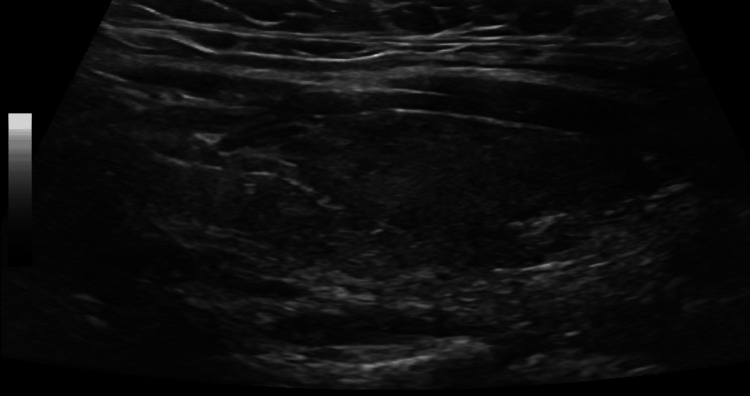 Figure 1
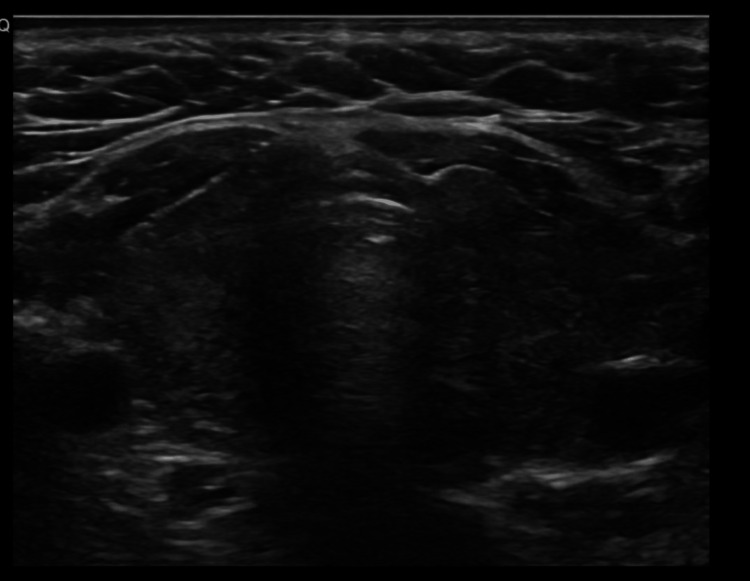 Figure 2
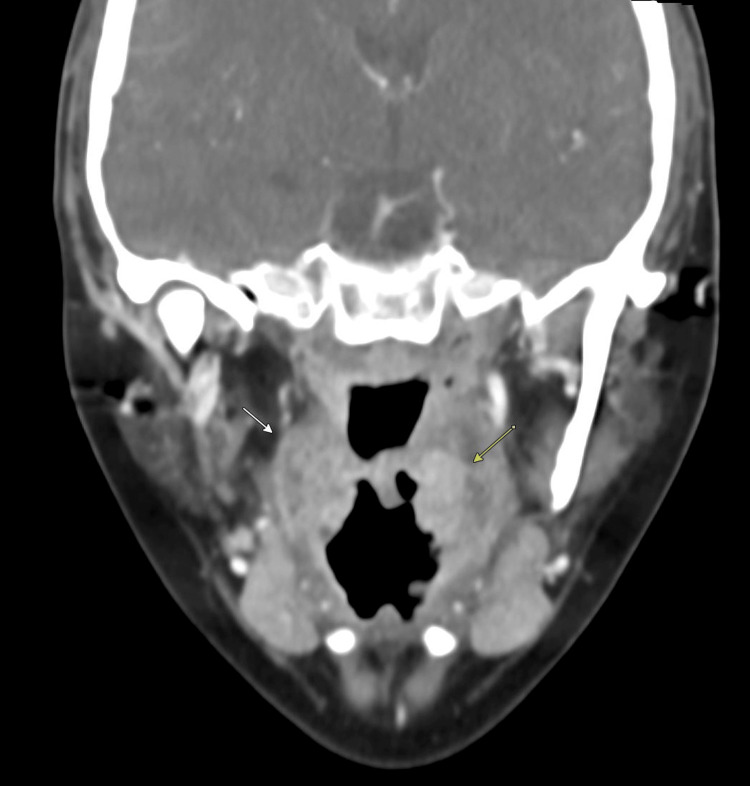 Figure 3
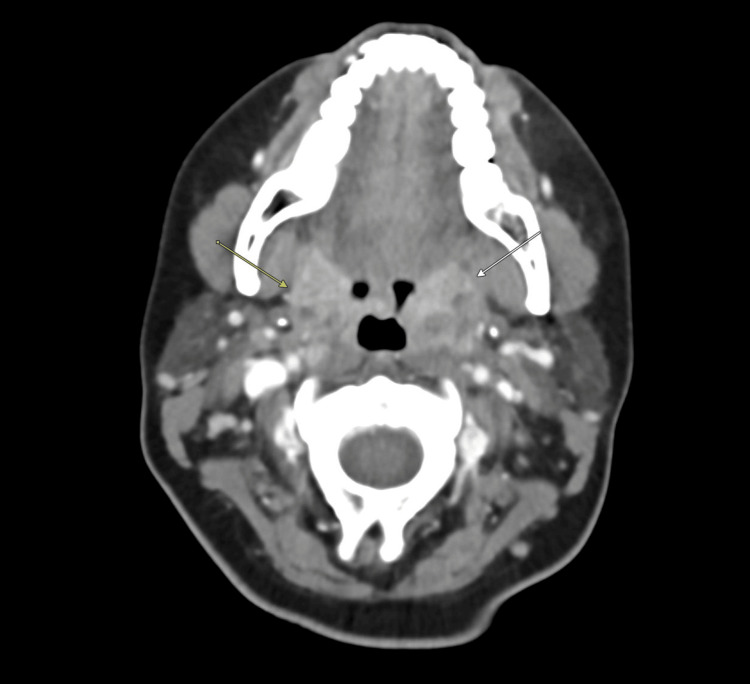 Figure 4
 Figure 5
 Figure 6
Peer Reviews
No public reviews on file for this paper yet. If you reviewed it on a platform where reviews are public (OpenReview, ICLR, NeurIPS, ICML), you can paste yours below so the community can read it here.
Videos
No videos yet. Explain this paper in a talk, walkthrough, or lecture? Add one.
Taxonomy
TopicsBlood disorders and treatments · Thyroid Disorders and Treatments · Adrenal Hormones and Disorders