Spatio-temporal analysis and geostatistical modelling of onchocerciasis prevalence in Nigeria to support elimination efforts
Ayodele Samuel Babalola, Taiwo A. Adekunle, Taiwo P. Babatunde, Yasmeen A. Adeniyi, Omolola Adeniran, Olaitan Omitola, Edore Edwin Ito, Abiodun Olakiigbe, Pam V. Gyang, Emeka Makata, Babatunde Adewale, Olaoluwa P. Akinwale, Olufunmilayo A. Idowu, Olabanji A. Surakat

TL;DR
This study uses advanced spatial modeling to track and predict onchocerciasis prevalence in Nigeria, showing a national decline but local resurgences near borders.
Contribution
The study introduces a spatio-temporal geostatistical model to estimate onchocerciasis prevalence and identify risk factors, supporting targeted elimination strategies.
Findings
Predicted onchocerciasis prevalence in Nigeria declined significantly from 1997–2000 to 2021–2024, with most states now in low-prevalence categories.
Localized resurgence was observed in areas like Taraba State and along international/interstate borders, particularly in southern Nigeria.
Environmental factors such as temperature, rainfall, elevation, and river proximity were key predictors of infection risk.
Abstract
Nigeria has made significant progress toward the elimination of onchocerciasis through mass drug administration (MDA) of ivermectin, with ten states recently declared eligible to stop treatment following WHO-recommended epidemiological and entomological assessments. However, reliable spatial prevalence estimates remain necessary to guide elimination strategies, particularly in areas with limited surveillance. We applied model-based geostatistical analysis using Monte Carlo Maximum Likelihood Estimation to assess the spatio-temporal distribution of onchocerciasis prevalence across Nigeria from 1989 to 2024. Climatic, hydrographic, socio-economic, and topographic variables were incorporated to predict prevalence in unsampled locations. Predicted prevalence declined substantially over time. During 1997–2000, 64.9% (24/37) of states had mean predicted prevalence between 10–30%, and 5.4%…
Genes, proteins, chemicals, diseases, species, mutations and cell lines named across the full text — each resolved to its canonical identifier and authoritative record.
Click any figure to enlarge with its caption.
 Figure 1
 Figure 2
 Figure 3
 Figure 4
 Figure 5
 Figure 6
 Figure 7
 Figure 8
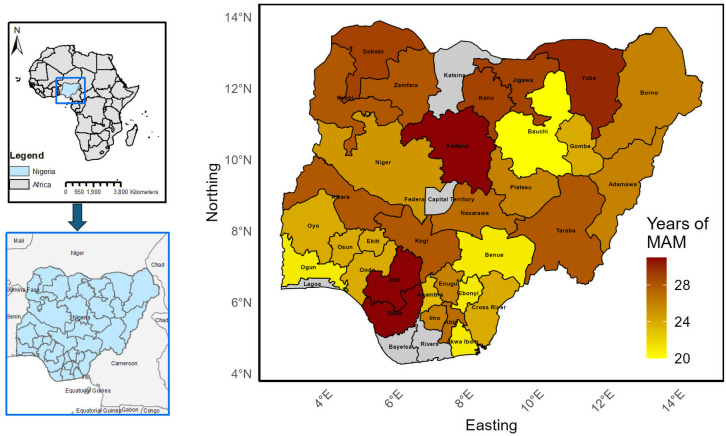 Figure 9
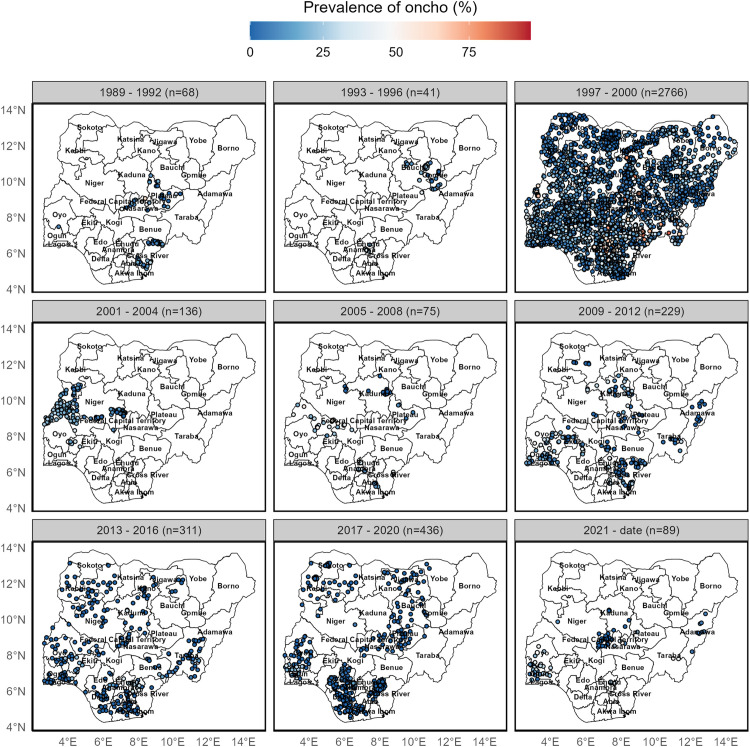 Figure 10
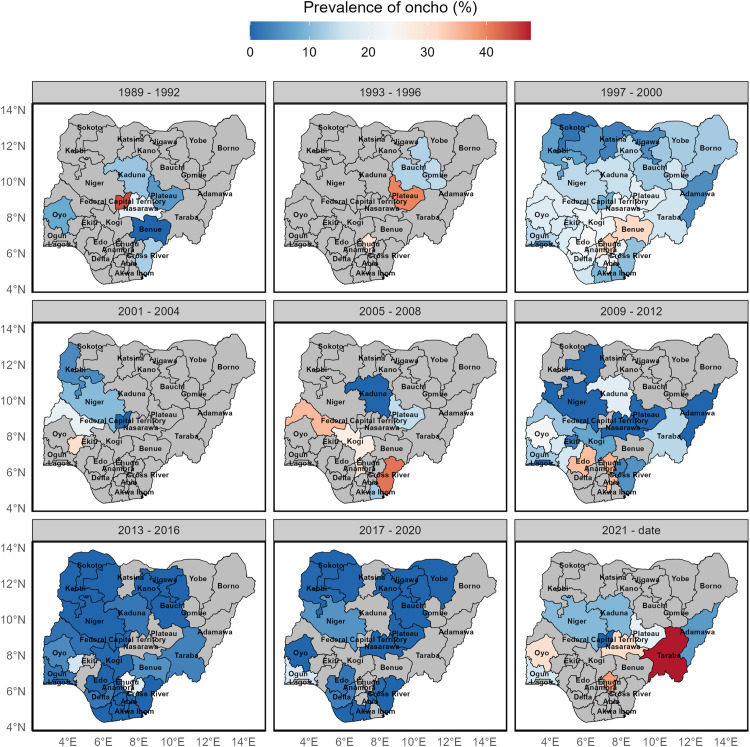 Figure 11
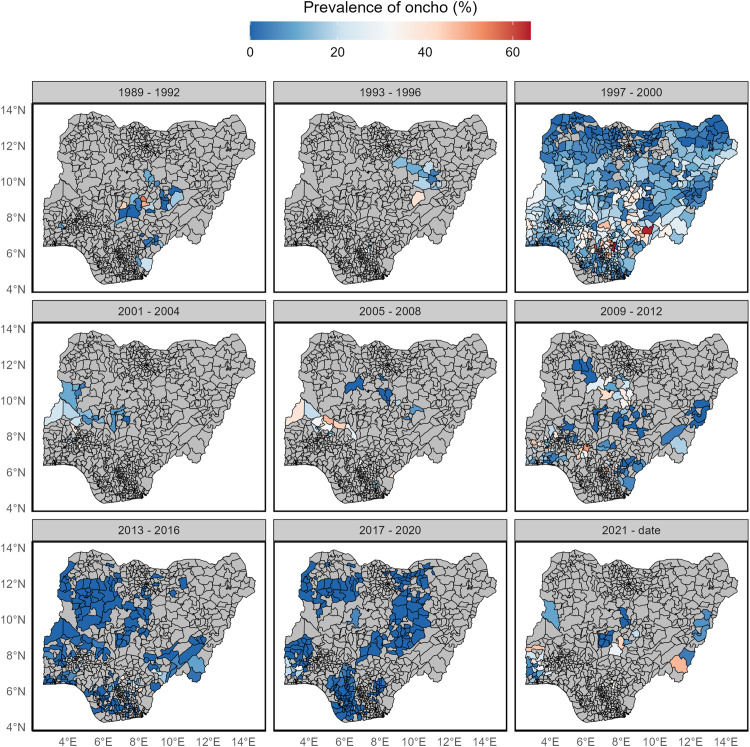 Figure 12
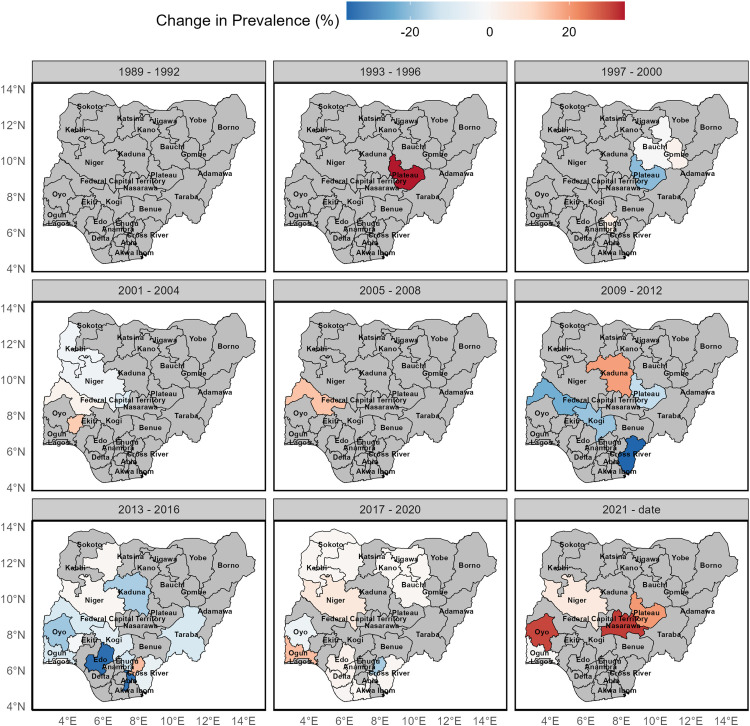 Figure 13
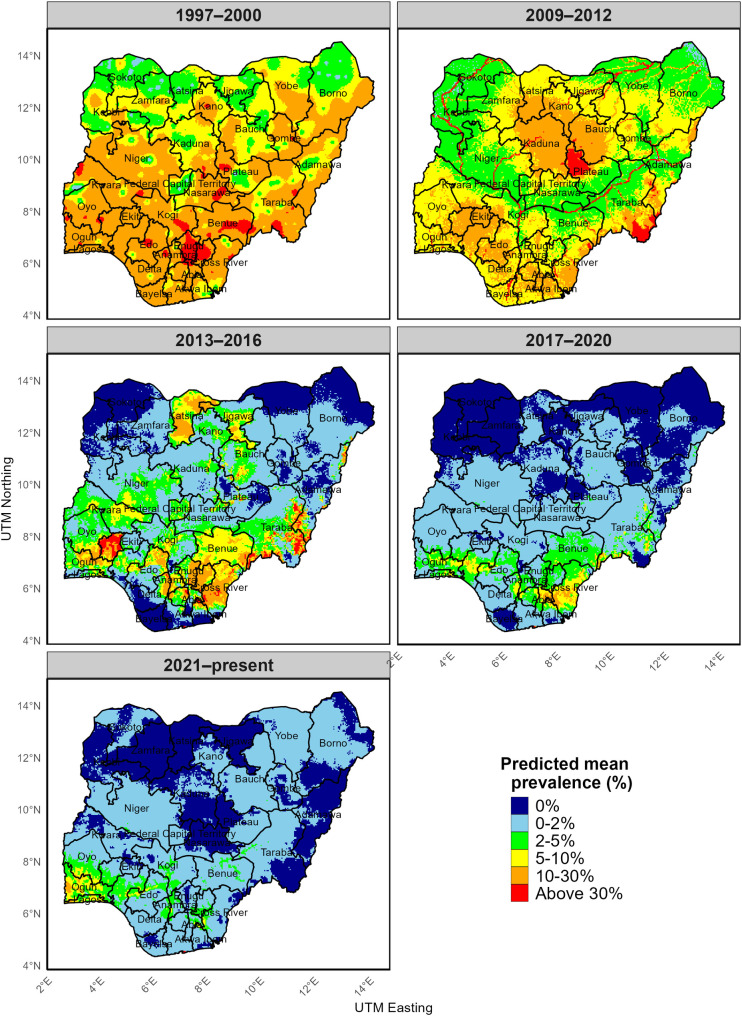 Figure 14
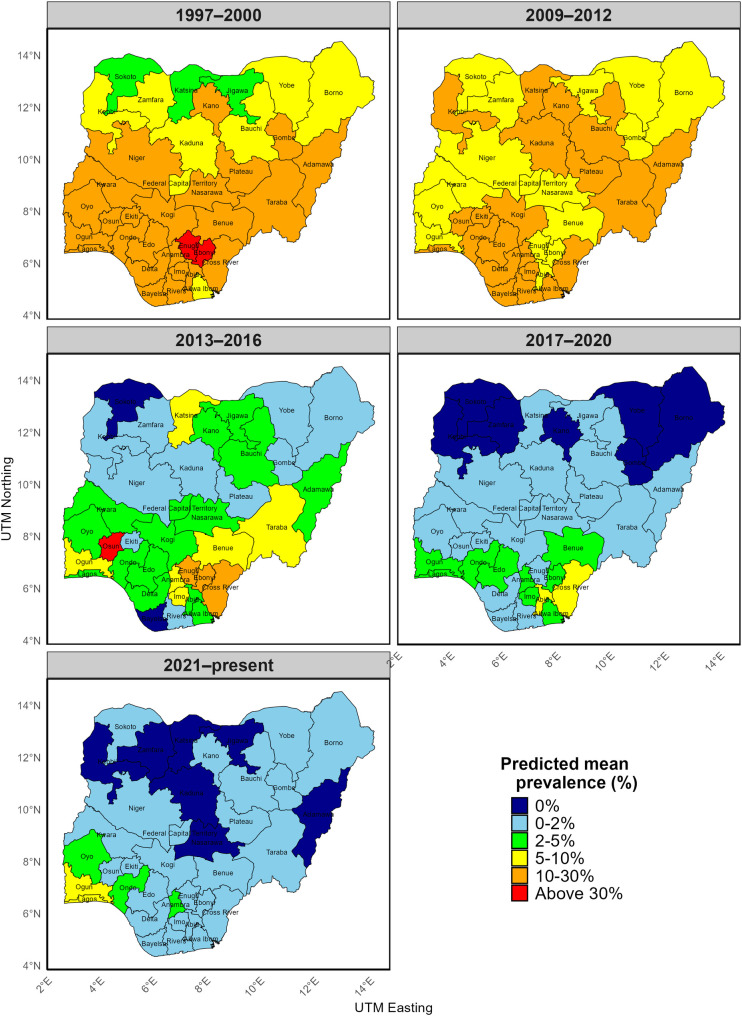 Figure 15
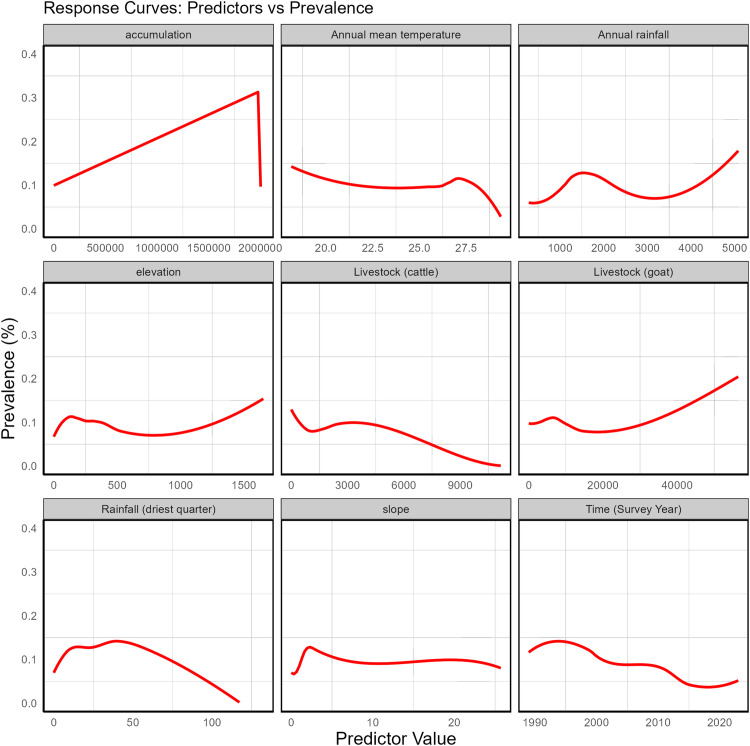 Figure 16
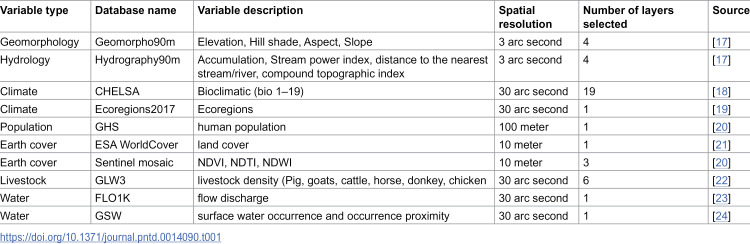 Figure 17
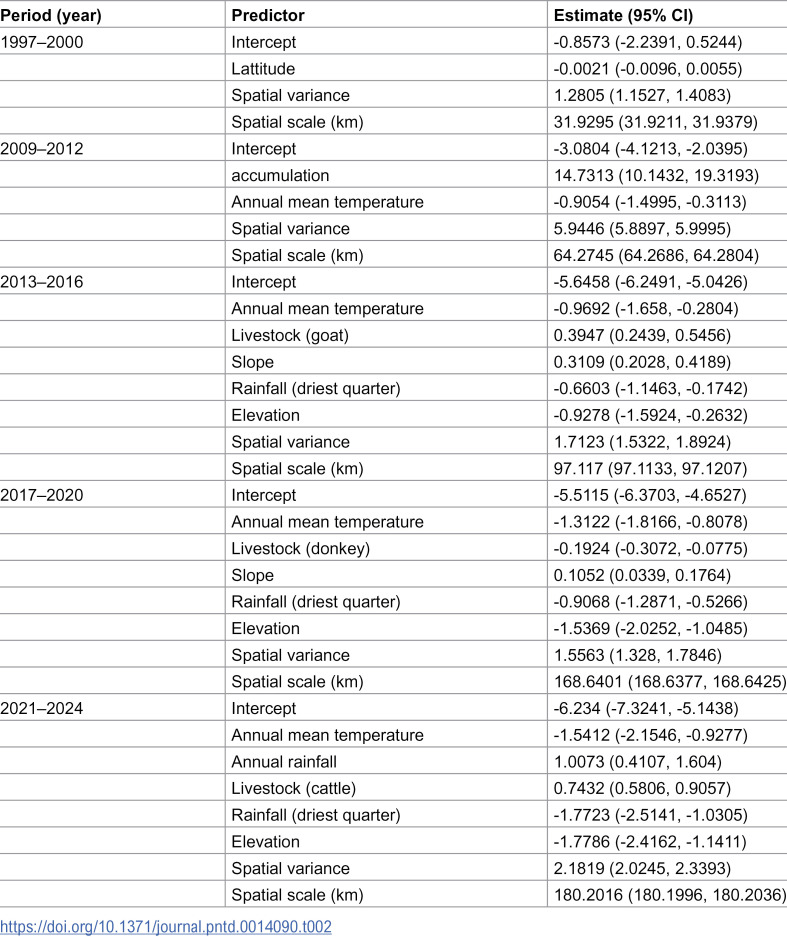 Figure 18
Peer Reviews
No public reviews on file for this paper yet. If you reviewed it on a platform where reviews are public (OpenReview, ICLR, NeurIPS, ICML), you can paste yours below so the community can read it here.
Videos
No videos yet. Explain this paper in a talk, walkthrough, or lecture? Add one.
Taxonomy
TopicsParasitic Diseases Research and Treatment · Parasites and Host Interactions · Insects and Parasite Interactions