Epidemiology and clinical spectrum of leishmaniasis due to Leishmania infantum in Tunisia: Current status, challenges, and perspectives
Najla Chargui, Ahmad Amro, Hamouda Babba, Najoua Haouas

TL;DR
This paper reviews the current state of leishmaniasis caused by Leishmania infantum in Tunisia, highlighting its spread, clinical forms, and challenges in controlling the disease.
Contribution
The paper provides an updated systematic review of L. infantum epidemiology, clinical manifestations, and zymodeme distribution in Tunisia, emphasizing recent geographic and demographic changes.
Findings
VL is highly endemic in northern Tunisia but is expanding southward, while CL cases due to L. infantum are increasing.
MON-1 is the predominant zymodeme in Tunisia, with MON-24 and MON-80 detected sporadically.
Domestic dogs and Phlebotomus perniciosus are the main reservoir and vector for VL, while other hosts and vectors may be involved in CL.
Abstract
This review focuses on leishmaniasis caused by Leishmania (L.) infantum in Tunisia, a vector-borne parasitic disease transmitted through the bite of infected female sandflies. Leishmaniasis manifests as a spectrum of clinical forms, ranging from benign cutaneous lesions, to a severe and potentially fatal visceral form. In Tunisia, L. infantum is the etiological agent of visceral leishmaniasis (VL) and cutaneous leishmaniasis (CL). While CL typically manifests as a single, small facial lesion, atypical forms are sometimes observed. VL primarily affects children under the age of five and immunocompromised individuals, although an increasing number of cases have been reported in immunocompetent adults in recent years. Although neglected, leishmaniasis is an emerging and growing public health concern in Tunisia, particularly due to the increasing incidence of VL among adults and potential…
Genes, proteins, chemicals, diseases, species, mutations and cell lines named across the full text — each resolved to its canonical identifier and authoritative record.
Click any figure to enlarge with its caption.
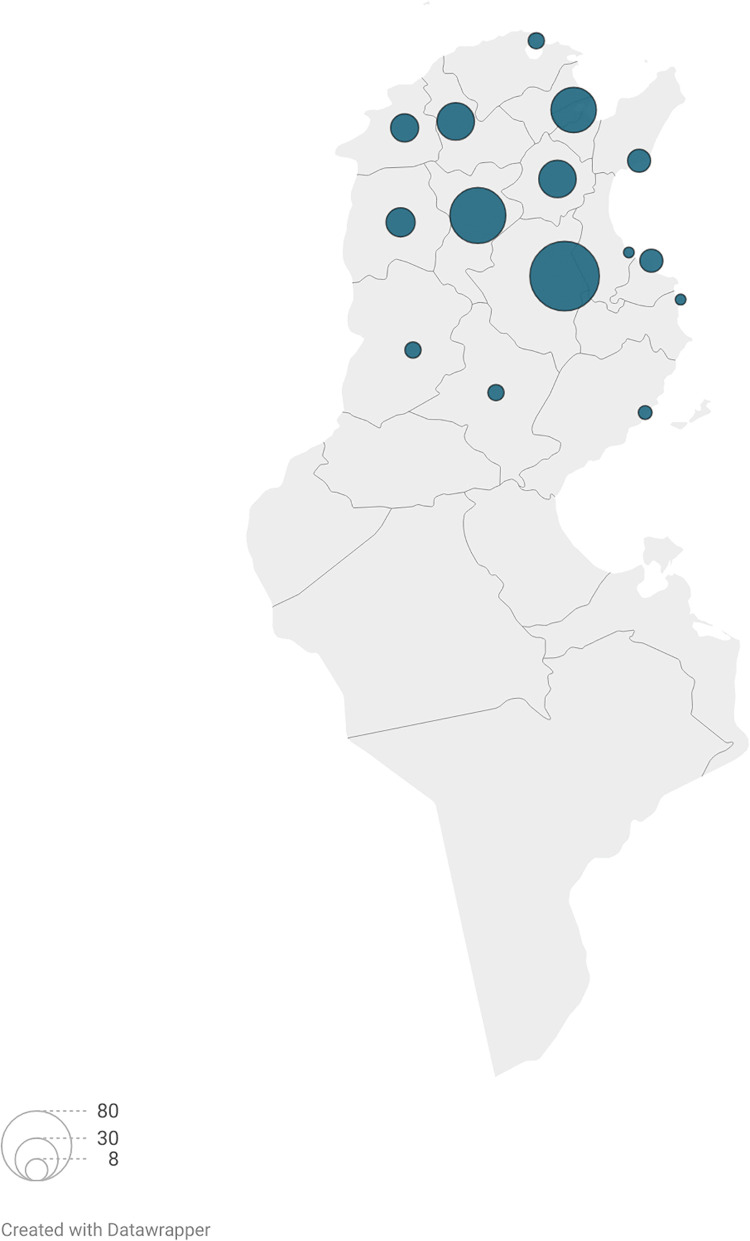 Figure 1
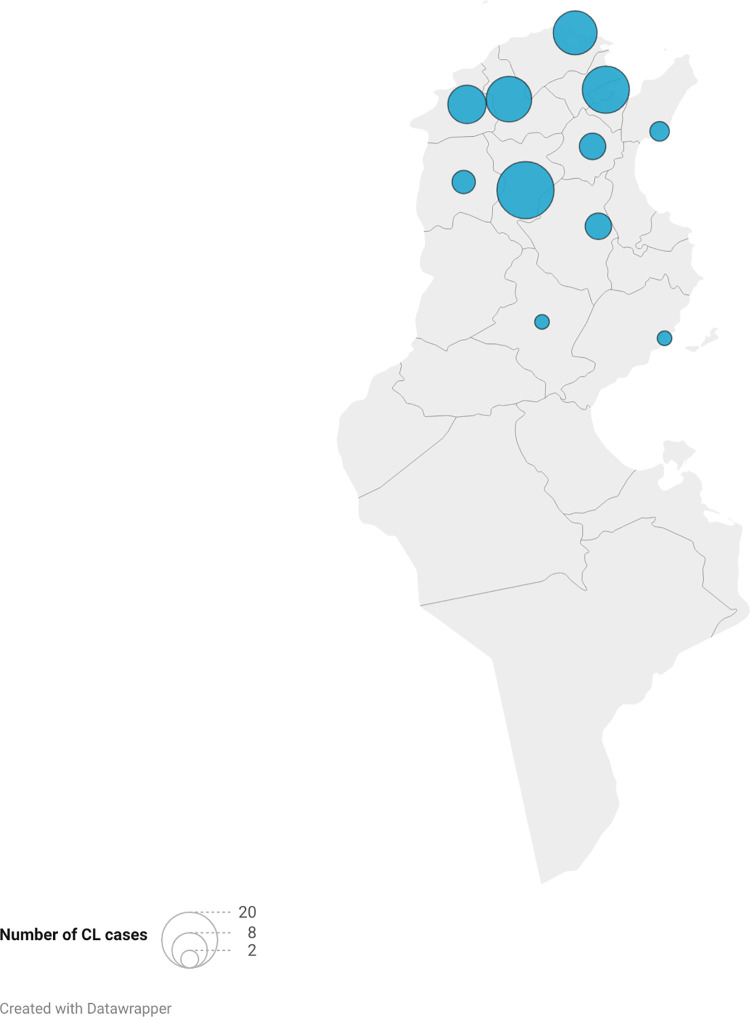 Figure 2
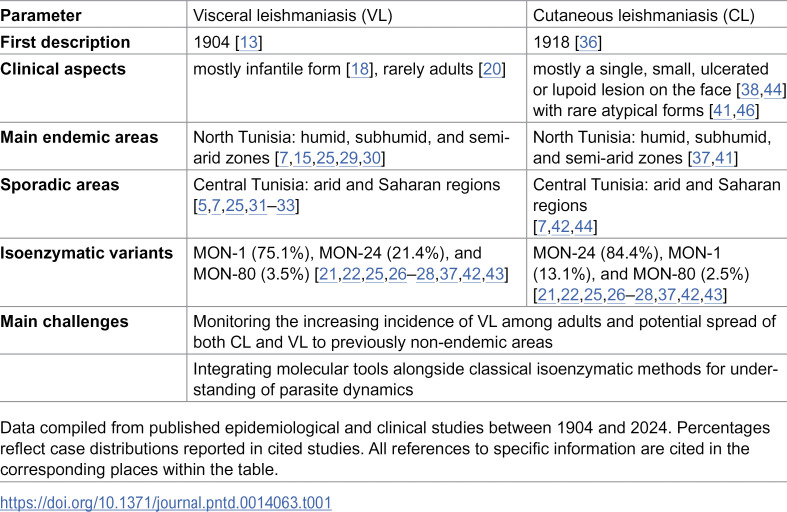 Figure 3
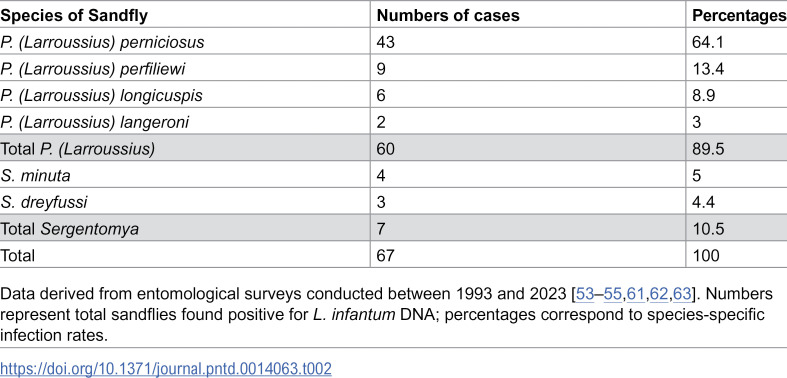 Figure 4
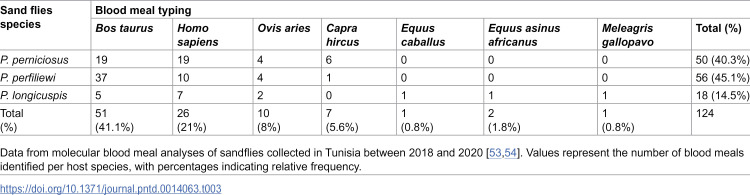 Figure 5
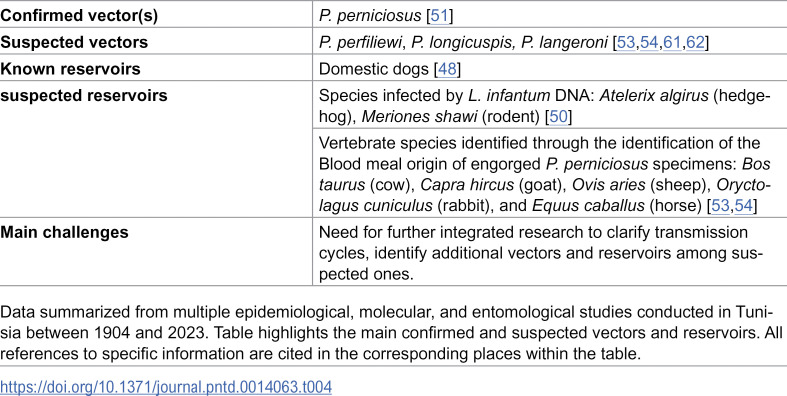 Figure 6
Peer Reviews
No public reviews on file for this paper yet. If you reviewed it on a platform where reviews are public (OpenReview, ICLR, NeurIPS, ICML), you can paste yours below so the community can read it here.
Videos
No videos yet. Explain this paper in a talk, walkthrough, or lecture? Add one.
Taxonomy
TopicsResearch on Leishmaniasis Studies · Insects and Parasite Interactions · Trypanosoma species research and implications