Association between the lactate-to-albumin ratio and 28-day all-cause mortality in diabetic ketoacidosis patients: A retrospective cohort study utilizing the MIMIC-IV database
Fan Zhang, Lingchen Wei, Yuan Liu, Guang Yang, Xiaobin Zhao, Runyun Zhang

TL;DR
This study found that a high lactate-to-albumin ratio at hospital admission is linked to higher 28-day mortality in patients with diabetic ketoacidosis.
Contribution
The study identifies the lactate-to-albumin ratio as a novel predictor of mortality in diabetic ketoacidosis patients.
Findings
A high lactate-to-albumin ratio (≥ 0.75) is an independent risk factor for 28-day all-cause mortality in diabetic ketoacidosis patients.
The lactate-to-albumin ratio shows strong prognostic value for predicting mortality in this patient group.
Kaplan-Meier survival analysis confirmed lower survival rates in patients with a high lactate-to-albumin ratio.
Abstract
The objective of this study was to assess the relationship between the lactate-to-albumin ratio upon hospital admission and the clinical outcomes of critically ill patients with a diagnosis of diabetic ketoacidosis. A retrospective cohort analysis was conducted. Patients were classified into two groups according to their lactate-to-albumin ratio values: low-lactate-to-albumin ratio (< 0.75) and high-lactate-to-albumin ratio (≥ 0.75). The association between lactate-to-albumin ratio and mortality was evaluated using Cox proportional hazards regression models and restricted cubic spline curves. Receiver operating characteristic curves were employed to assess the diagnostic capability of lactate-to-albumin ratio in predicting prognosis. Additionally, Kaplan-Meier survival analysis was performed to compare the cumulative survival rates between two groups. Subgroup analyses were conducted…
Genes, proteins, chemicals, diseases, species, mutations and cell lines named across the full text — each resolved to its canonical identifier and authoritative record.
Click any figure to enlarge with its caption.
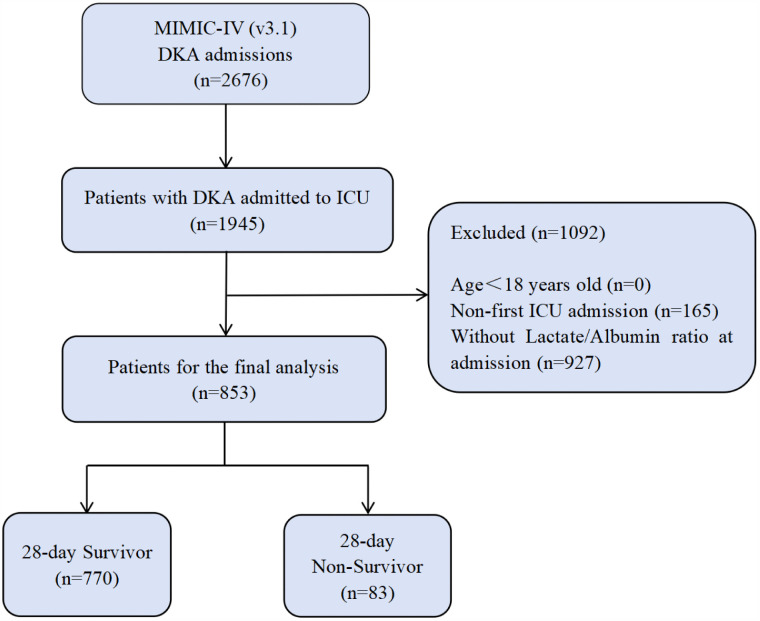 Figure 1
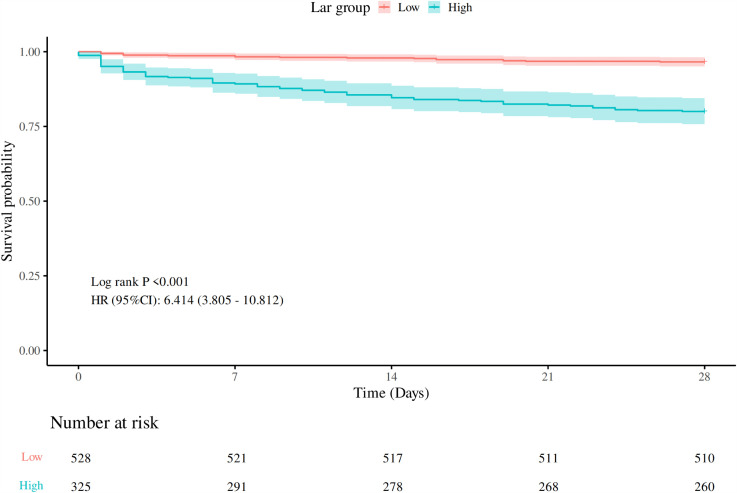 Figure 2
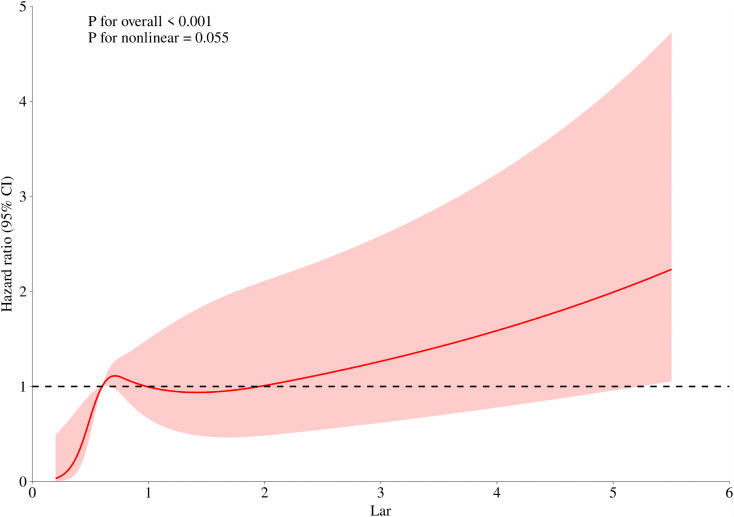 Figure 3
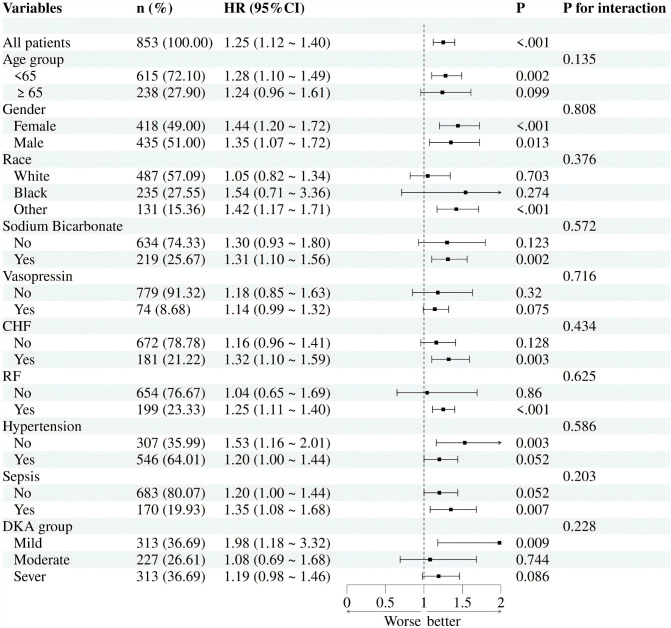 Figure 4
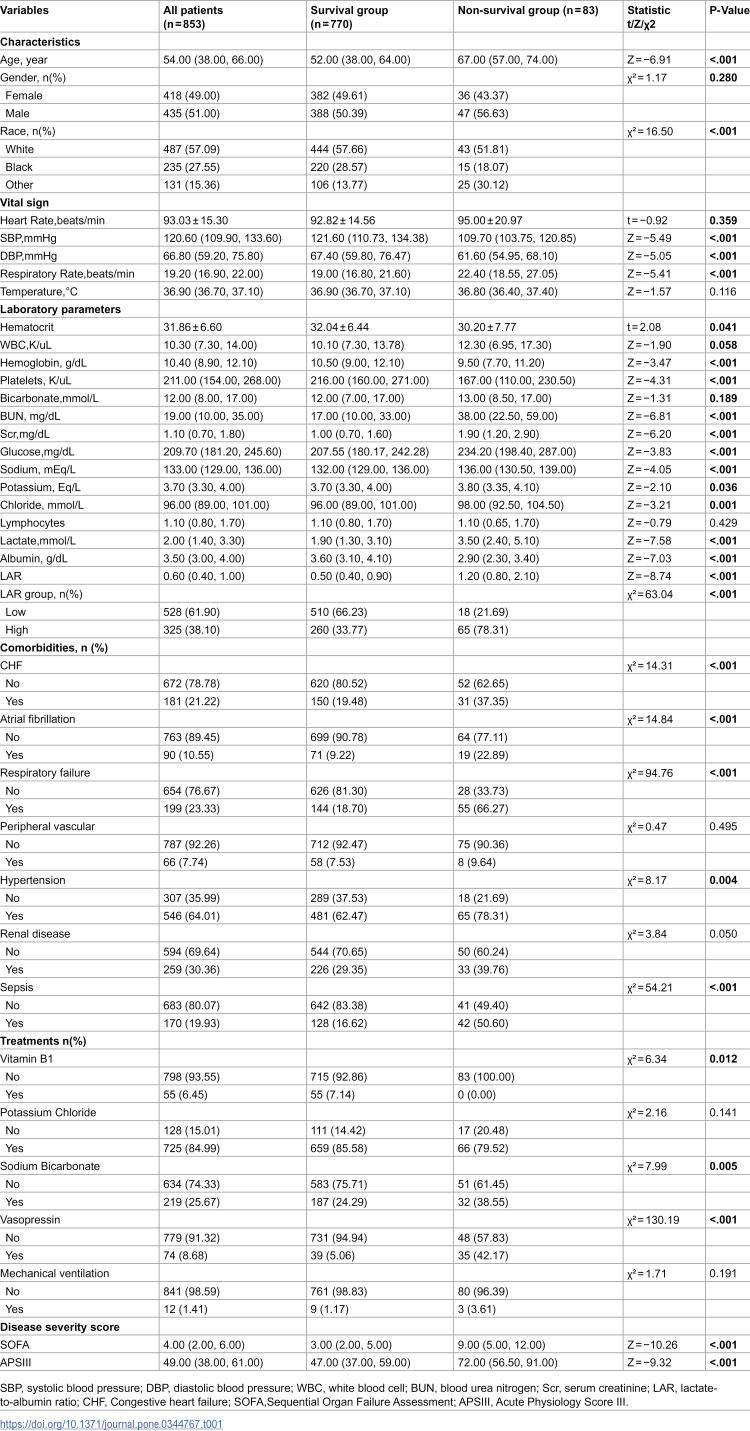 Figure 5
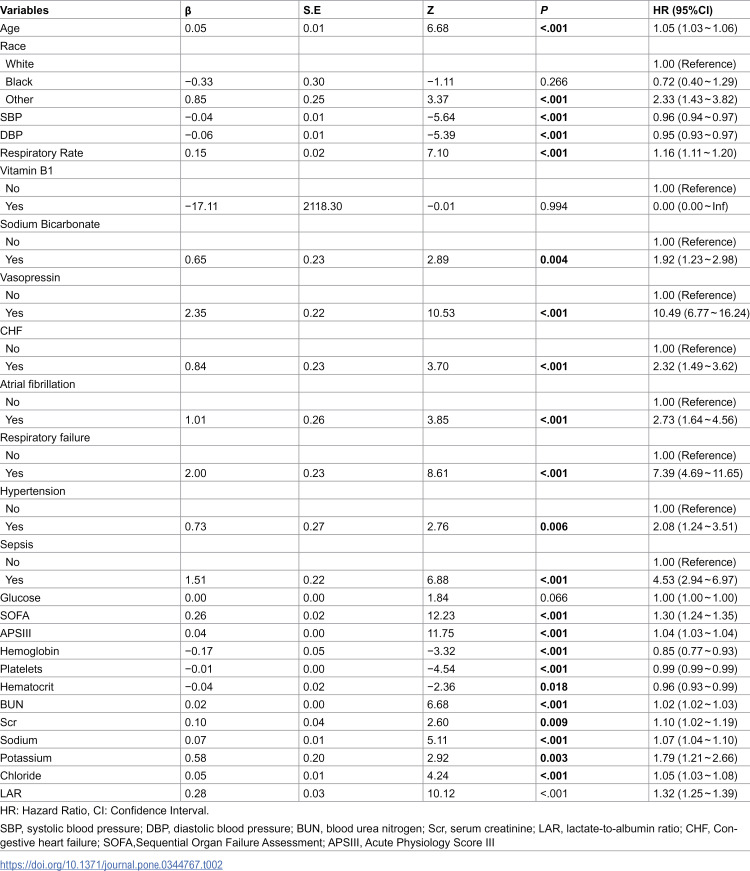 Figure 6
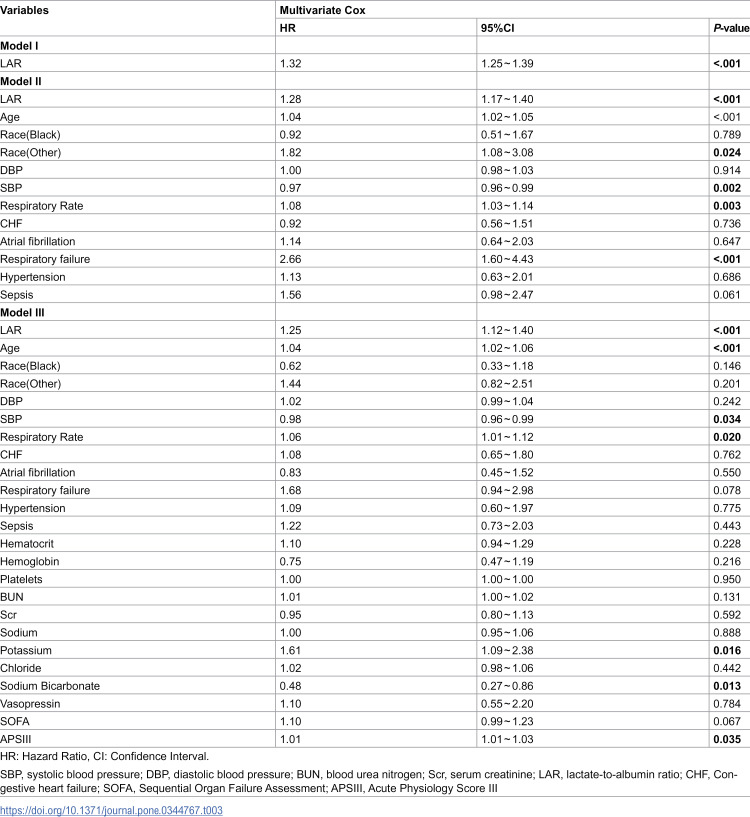 Figure 7
Peer Reviews
No public reviews on file for this paper yet. If you reviewed it on a platform where reviews are public (OpenReview, ICLR, NeurIPS, ICML), you can paste yours below so the community can read it here.
Videos
No videos yet. Explain this paper in a talk, walkthrough, or lecture? Add one.
Taxonomy
TopicsDiabetes and associated disorders · Sepsis Diagnosis and Treatment · Pancreatitis Pathology and Treatment