A new mouse mutant with a discrete mutation in Pcdhgc5 reveals that the Protocadherin γC5 isoform is not essential for dendrite arborization in the cerebral cortex
Camille M. Hanes, David M. Steffen, George C. Murray, Robert W. Burgess, Joshua A. Weiner, Andrew M. Garrett, Xiangming Zha, Xiangming Zha, Xiangming Zha

TL;DR
A new mouse model shows that the Protocadherin γC5 isoform is not essential for dendrite arborization in the cerebral cortex.
Contribution
A new mouse mutant specifically targeting Pcdhgc5 reveals the isoform's non-essential role in dendrite arborization.
Findings
γC5 expression begins postnatally and increases in the second week of life.
No major disruptions in neuronal organization or dendritic arborization were observed in mutants.
Gene pathways related to synaptic activity and cognition showed significant expression changes.
Abstract
There are ~ 60 clustered protocadherin (cPcdh) isoforms expressed from three gene clusters (Pcdha, Pcdhb, Pcdhg) arrayed in tandem across nearly 1 Mb in mammals. cPcdhs are homophilic cell adhesion molecules (CAMs) critical for a host of neural developmental functions consistent with a role in cell-cell recognition. Indeed, isoforms make recognition modules in combination to generate recognition diversity far exceeding the ~ 60 individual CAMs. However, there is also growing evidence for specialized functions for specific isoforms, particularly the C-type isoforms found at the 3’ ends of the Pcdha cluster (αC1 and αC2) and at the 3’ end of the Pcdhg cluster (γC3, γC4, and γC5). We have previously described unique roles for γC3 in dendrite arborization in the cerebral cortex and neural circuit formation in the spinal cord, as well as for γC4 in neuronal survival. Here we report a new…
Genes, proteins, chemicals, diseases, species, mutations and cell lines named across the full text — each resolved to its canonical identifier and authoritative record.
Click any figure to enlarge with its caption.
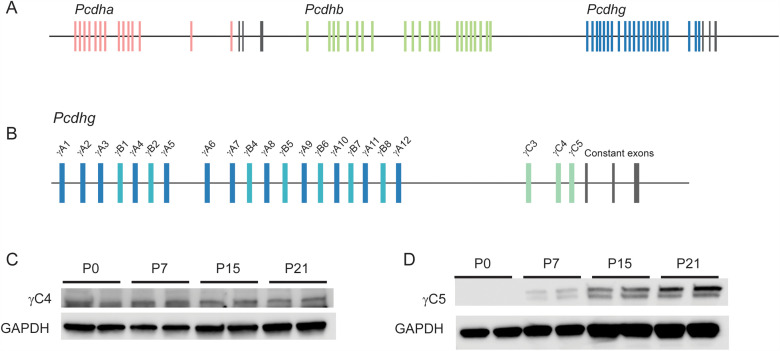 Figure 1
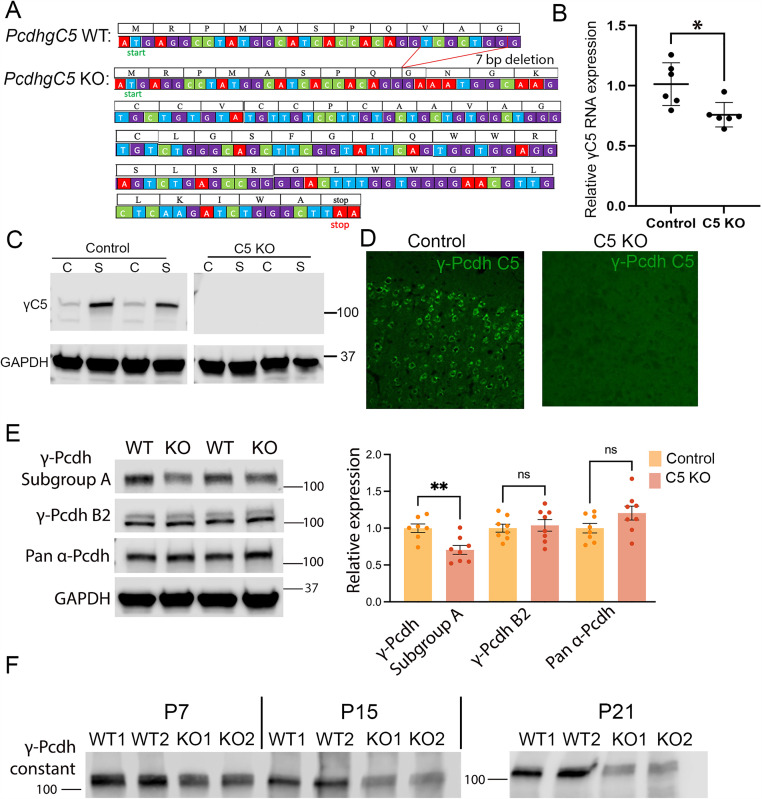 Figure 2
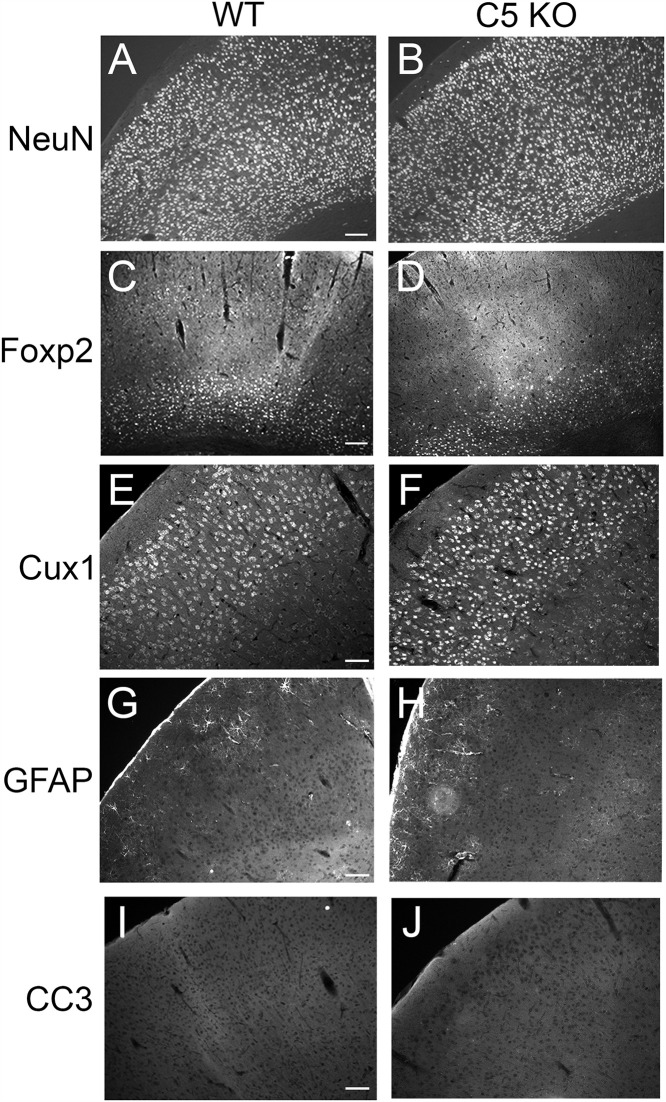 Figure 3
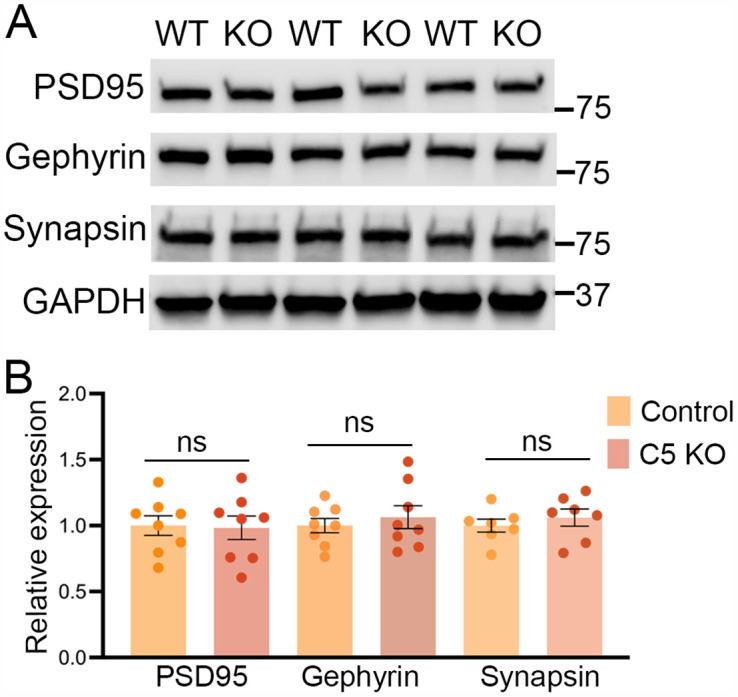 Figure 4
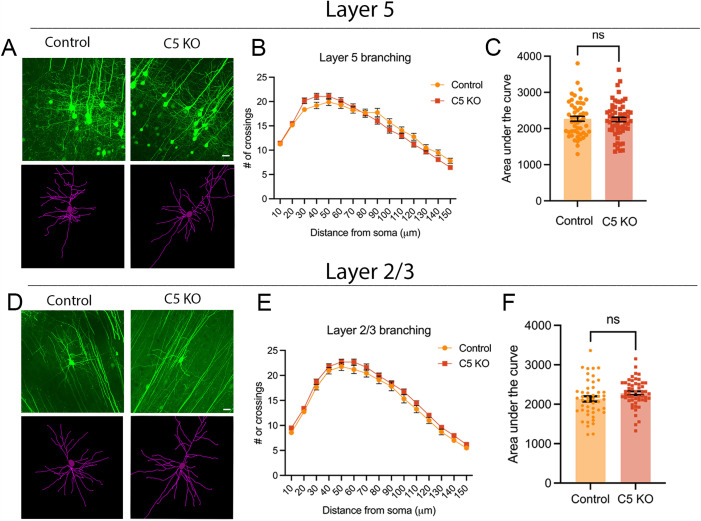 Figure 5
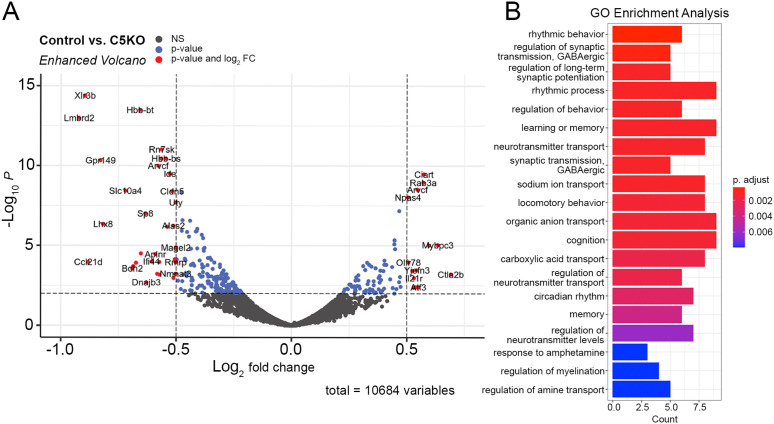 Figure 6
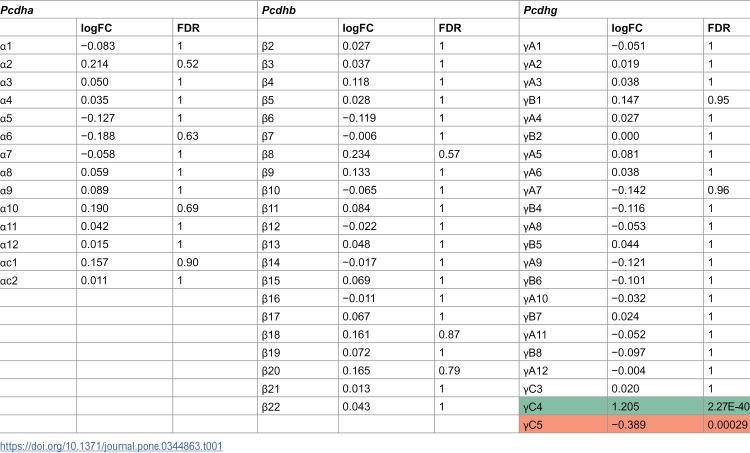 Figure 7
Peer Reviews
No public reviews on file for this paper yet. If you reviewed it on a platform where reviews are public (OpenReview, ICLR, NeurIPS, ICML), you can paste yours below so the community can read it here.
Videos
No videos yet. Explain this paper in a talk, walkthrough, or lecture? Add one.
Taxonomy
TopicsWnt/β-catenin signaling in development and cancer · Neurogenesis and neuroplasticity mechanisms · Axon Guidance and Neuronal Signaling