DS-Mamba: Depthwise separable mamba for hyperspectral image classification
Lin Wei, Huihan Yang, Yuping Yin, Zhiyuan Qu, Haonan Zheng

TL;DR
DS-Mamba improves hyperspectral image classification by using depthwise separable Mamba blocks to efficiently extract spatial and spectral features with lower computational cost.
Contribution
Proposes DS-Mamba, a novel depthwise separable Mamba architecture for HSI classification with improved accuracy and reduced computational complexity.
Findings
DS-Mamba achieved 96.54% accuracy on the Pavia University dataset.
The model has 137.74K parameters and 12.52G FLOPs on the Pavia University dataset.
DS-Mamba outperforms advanced transformer-based methods in classification performance.
Abstract
Transformers experience quadratic computational complexity in hyperspectral image (HSI) classification tasks, which can result in error propagation and memory usage issues. Recently, Mamba architectures built upon the State Space Models have supplanted Transformers across various domains to accomplish long-range sequence modeling capability while demonstrating the advantages of linear computational efficiency. However, employing the basic Mamba model for HSI classification has problems associated with the extraction of spatial and spectral features. Motivated by this, we propose the DS-Mamba, a novel depthwise separable Mamba for HSI classification. Specifically, to extract the spatial and spectral features more efficiently, we design a depth spatial Mamba block (DSpaM), a depth spectral Mamba block (DSpeM) and a feature enhancement module. These blocks use depthwise separable…
Genes, proteins, chemicals, diseases, species, mutations and cell lines named across the full text — each resolved to its canonical identifier and authoritative record.
Click any figure to enlarge with its caption.
 Figure 1
 Figure 2
 Figure 3
 Figure 4
 Figure 5
 Figure 6
 Figure 7
 Figure 8
 Figure 9
 Figure 10
 Figure 11
 Figure 12
 Figure 13
 Figure 14
 Figure 15
 Figure 16
 Figure 17
 Figure 18
 Figure 19
 Figure 20
 Figure 21
 Figure 22
 Figure 23
 Figure 24
 Figure 25
 Figure 26
 Figure 27
 Figure 28
 Figure 29
 Figure 30
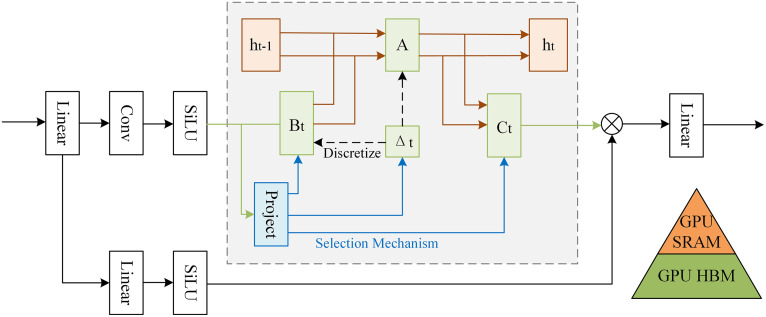 Figure 31
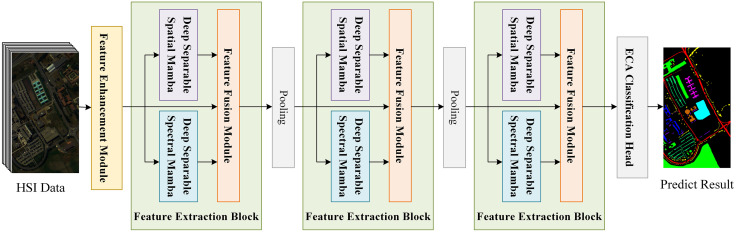 Figure 32
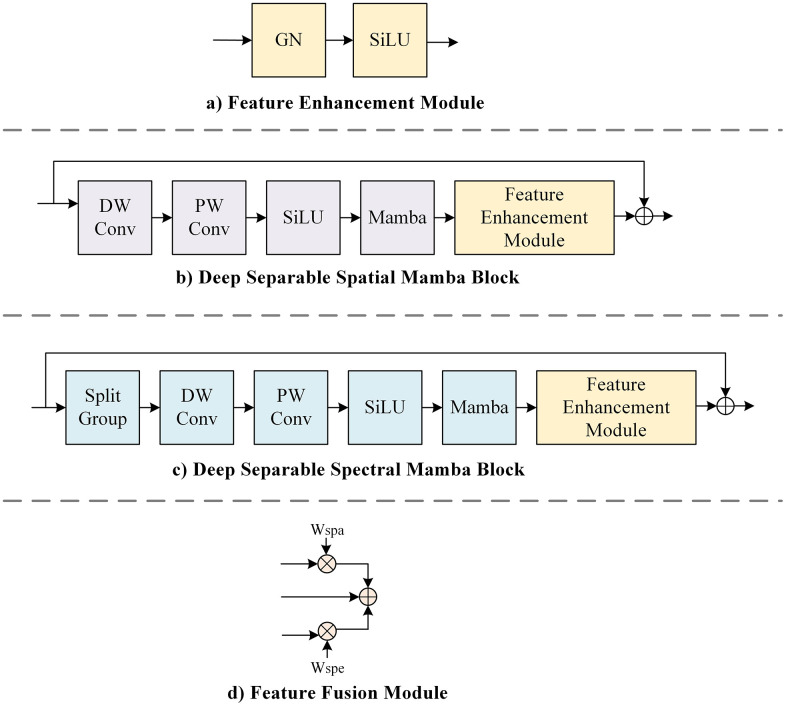 Figure 33
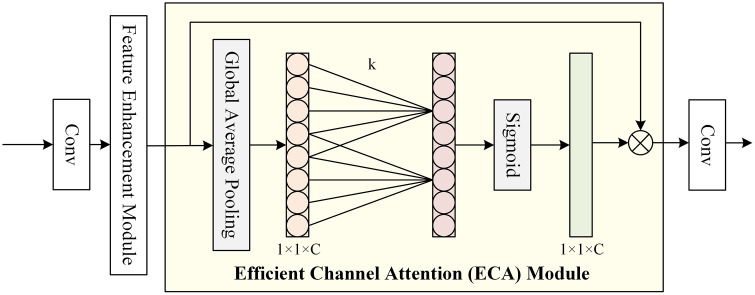 Figure 34
 Figure 35
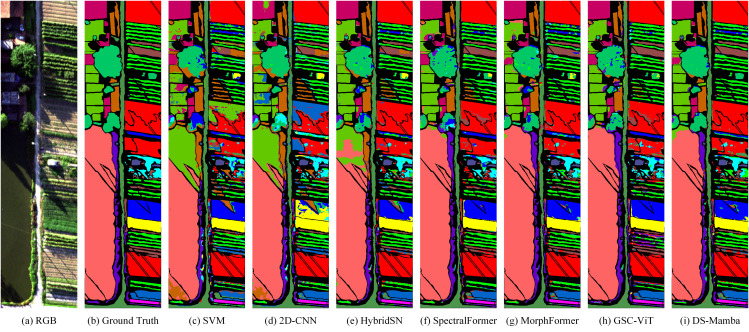 Figure 36
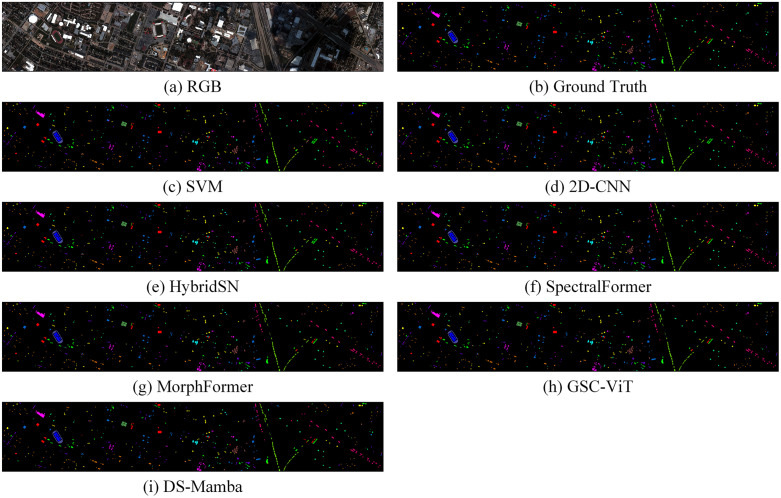 Figure 37
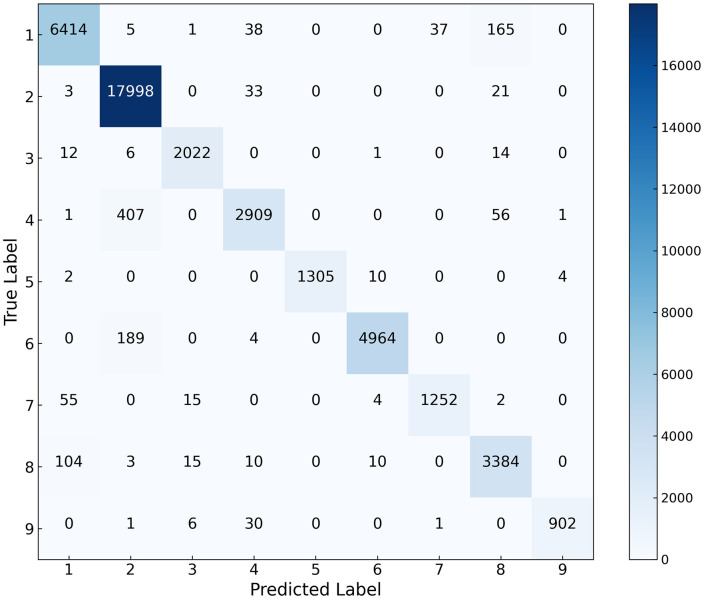 Figure 38
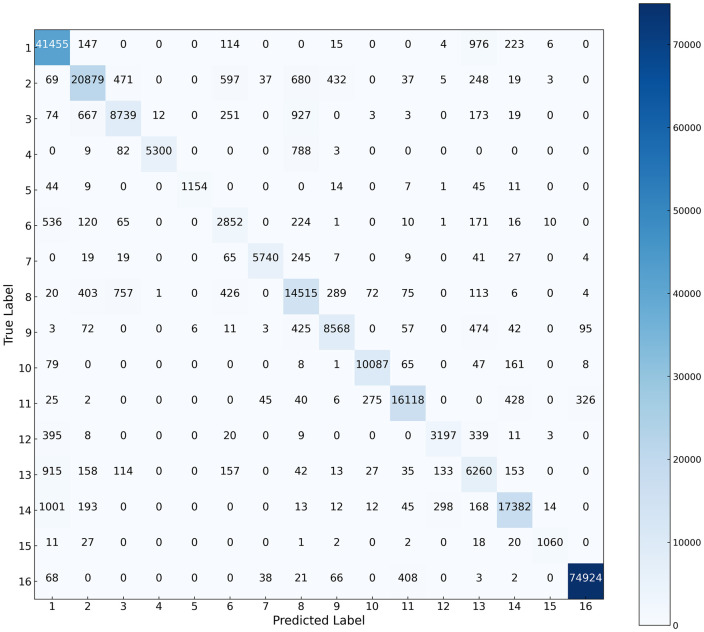 Figure 39
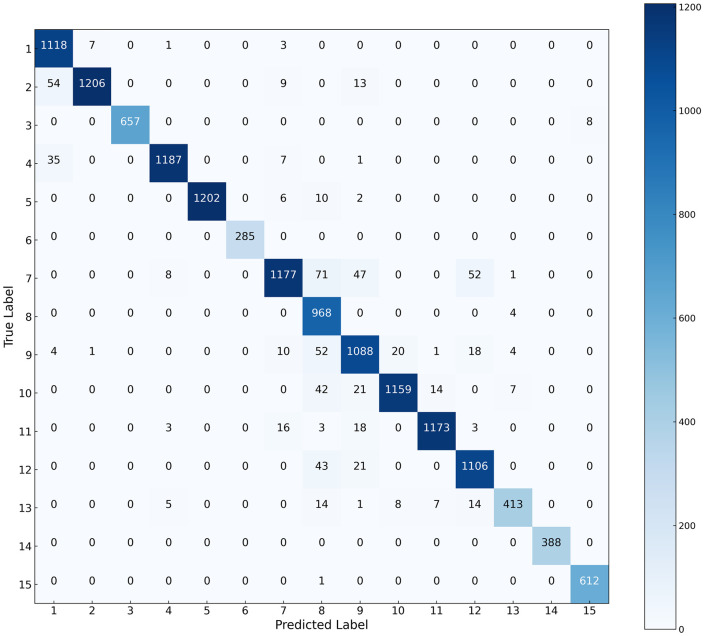 Figure 40
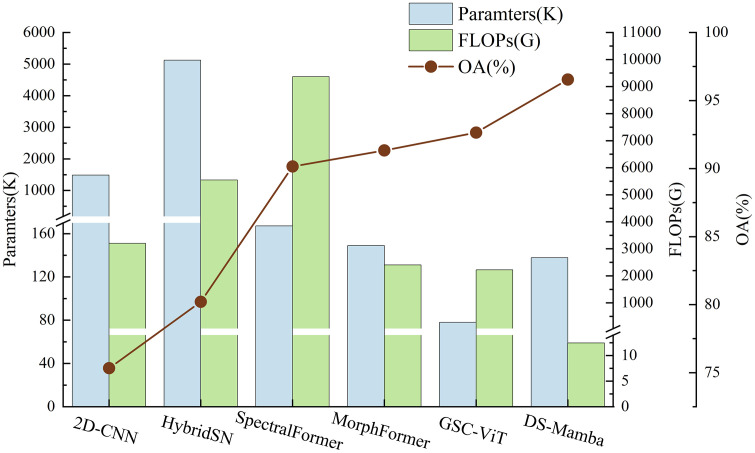 Figure 41
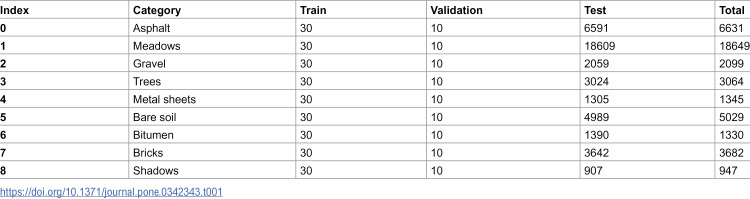 Figure 42
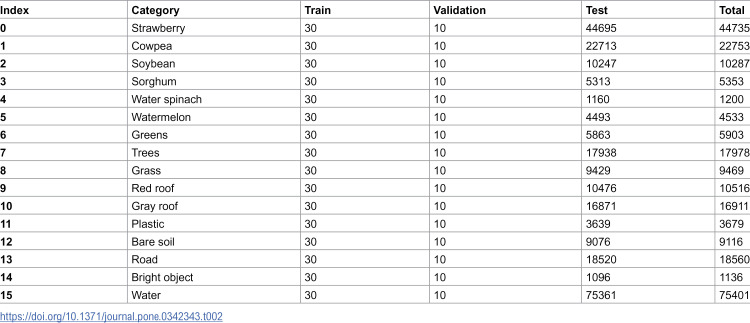 Figure 43
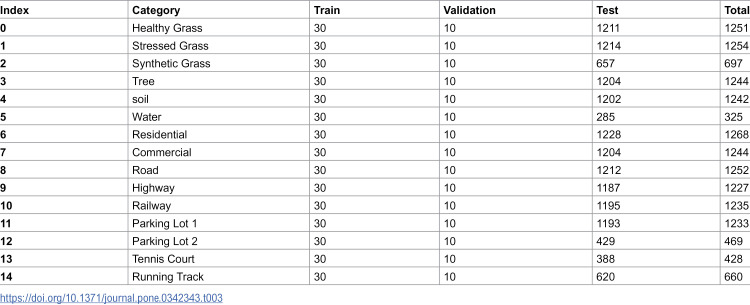 Figure 44
 Figure 45
 Figure 46
 Figure 47
 Figure 48
 Figure 49
 Figure 50
Peer Reviews
No public reviews on file for this paper yet. If you reviewed it on a platform where reviews are public (OpenReview, ICLR, NeurIPS, ICML), you can paste yours below so the community can read it here.
Videos
No videos yet. Explain this paper in a talk, walkthrough, or lecture? Add one.
Taxonomy
TopicsRemote-Sensing Image Classification · Advanced Data Compression Techniques · Advanced Neural Network Applications