Analysis of temperature adaptability of Eocanthecona furcellata (Wolff) (Hemiptera: Pentatomidae) based on age-stage, two-sex life table and predatory functional response
Lingyi Liu, Mengshuang Yao, Runa Zhao, Wenlong Chen

TL;DR
This study examines how temperature affects the development and predatory behavior of Eocanthecona furcellata, a key predator of agricultural pests.
Contribution
The study provides new insights into the temperature-dependent life table and functional response of E. furcellata for pest control.
Findings
Development duration of E. furcellata decreases with increasing temperature.
Predation ability and maximum daily predation are highest at 32°C.
E. furcellata shows strong predation preference for fourth-instar larvae of Spodoptera frugiperda.
Abstract
Eocanthecona furcellata (Wolff) (Hemiptera: Pentatomidae) is a key natural predator of agricultural and forestry pests. In nature, temperature affects the growth, development and predation ability of predators. Therefore, this study assessed the growth, development, and reproduction of E. furcellata at 20, 23, 26, 29, and 32°C. Age-stage, two-sex life table analysis showed that the development duration of each stage decreased with increasing temperature. At 20°C, individuals reached adulthood but females did not oviposit. At 29°C, intrinsic and finite rates of increase and fecundity were higher, with values of 0.12, 1.13 and 41.59, respectively. Moreover, the mean generation time was relatively short at 29.98 d. Spodoptera frugiperda (Smith) (Lepidoptera: Noctuidae) is a highly destructive invasive pest that causes severe economic losses to crops. Therefore, this study evaluated the…
Genes, proteins, chemicals, diseases, species, mutations and cell lines named across the full text — each resolved to its canonical identifier and authoritative record.
Click any figure to enlarge with its caption.
 Figure 1
 Figure 2
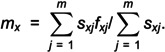 Figure 3
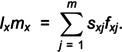 Figure 4
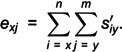 Figure 5
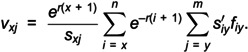 Figure 6
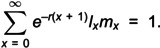 Figure 7
 Figure 8
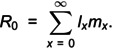 Figure 9
 Figure 10
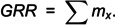 Figure 11
 Figure 12
 Figure 13
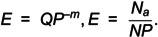 Figure 14
 Figure 15
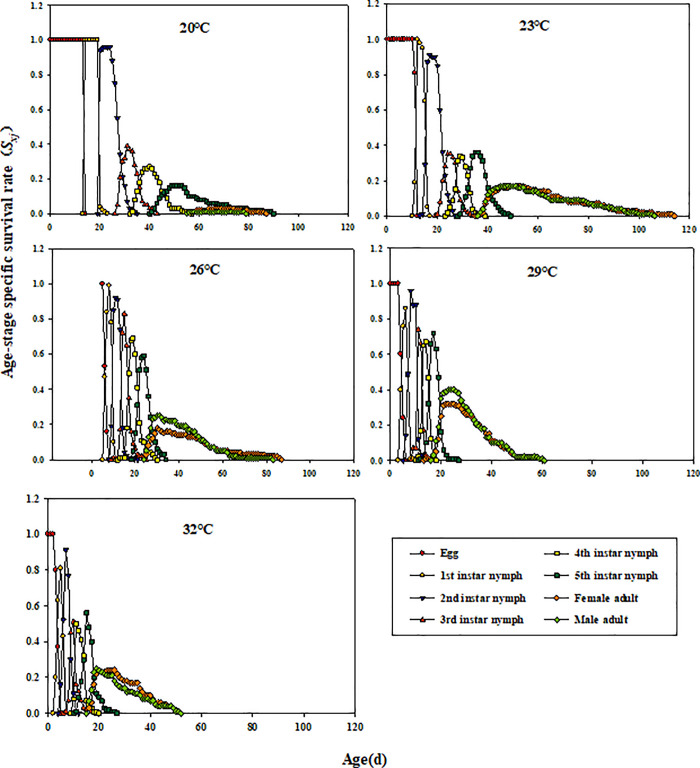 Figure 16
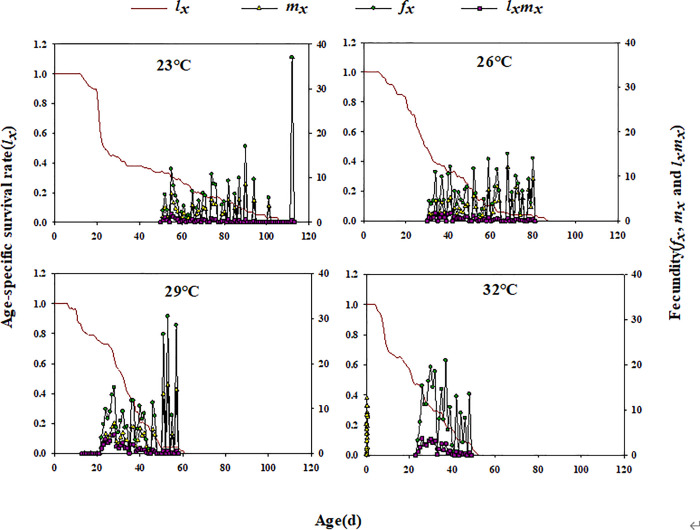 Figure 17
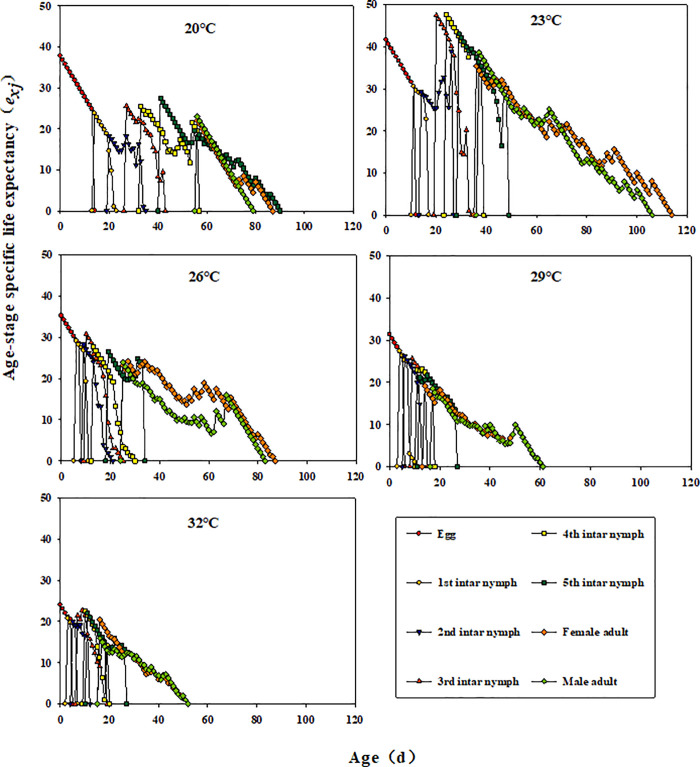 Figure 18
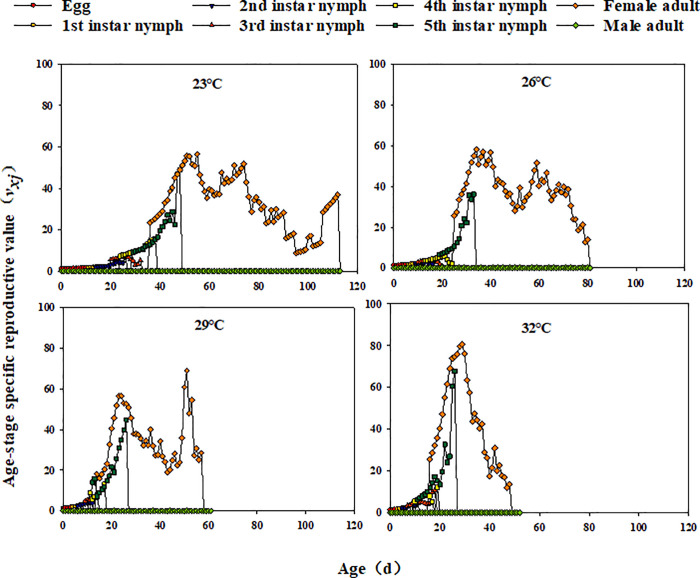 Figure 19
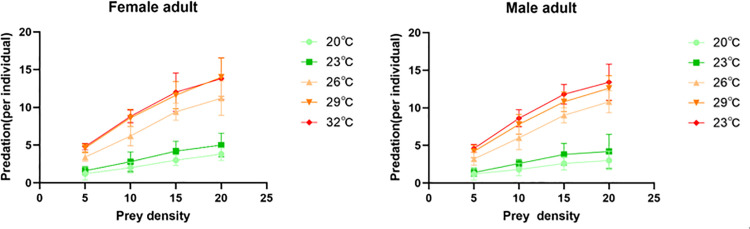 Figure 20
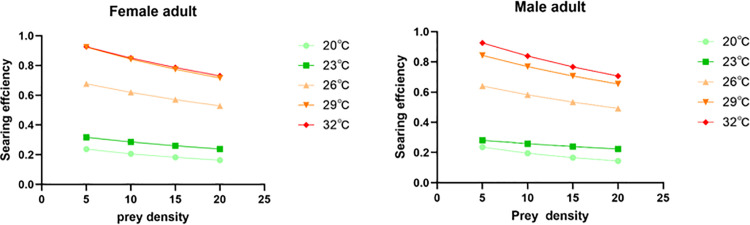 Figure 21
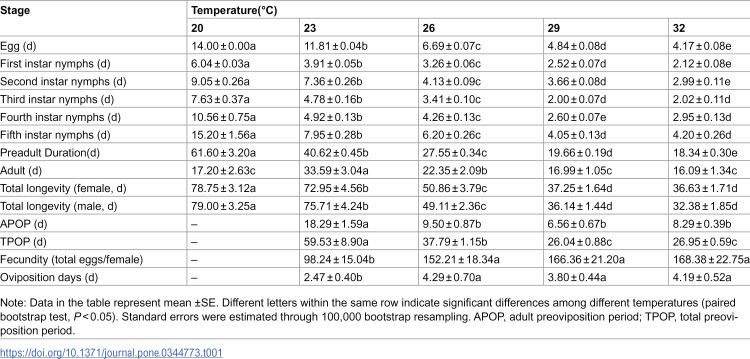 Figure 22
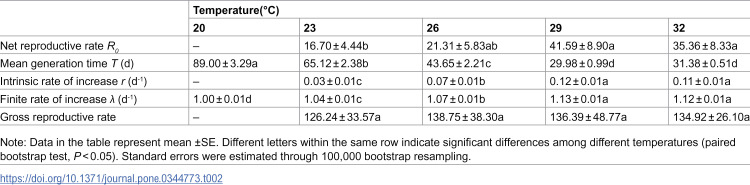 Figure 23
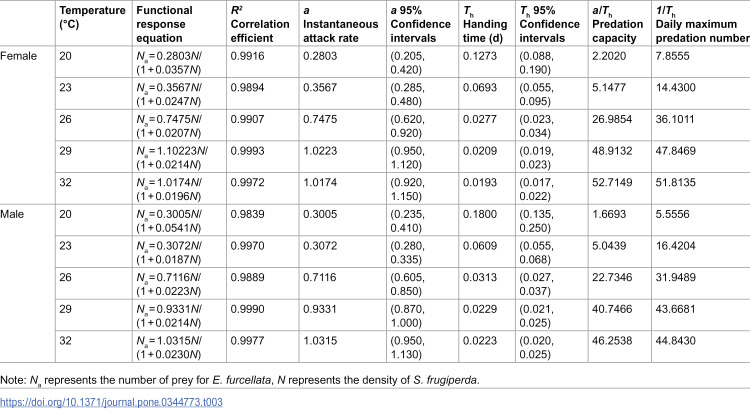 Figure 24
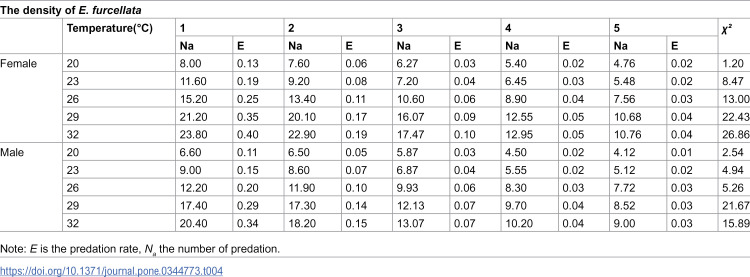 Figure 25
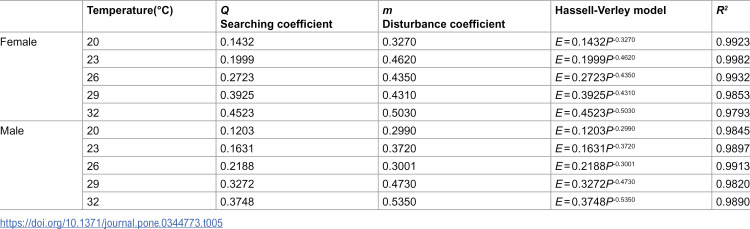 Figure 26
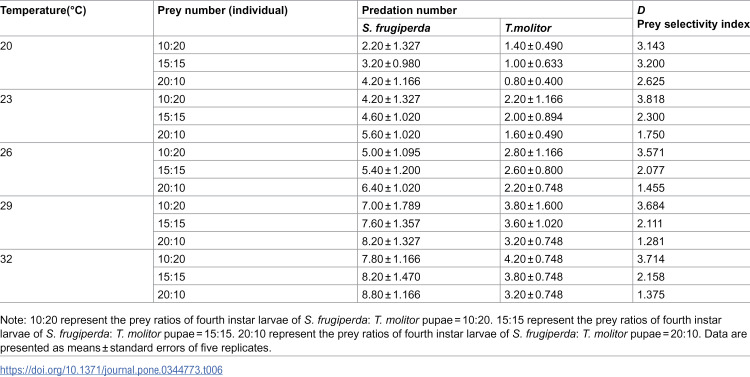 Figure 27
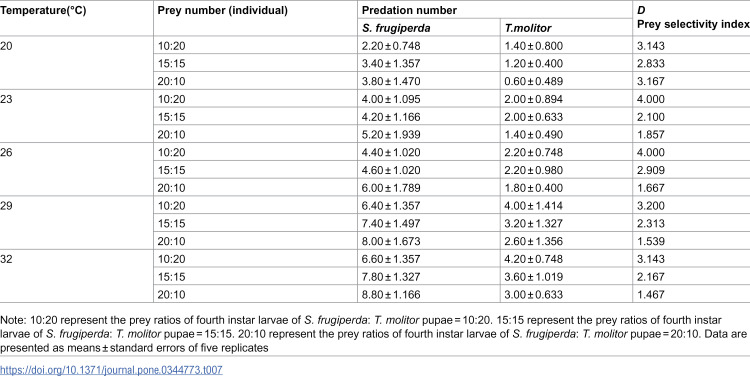 Figure 28
Peer Reviews
No public reviews on file for this paper yet. If you reviewed it on a platform where reviews are public (OpenReview, ICLR, NeurIPS, ICML), you can paste yours below so the community can read it here.
Videos
No videos yet. Explain this paper in a talk, walkthrough, or lecture? Add one.
Taxonomy
TopicsHemiptera Insect Studies · Insect-Plant Interactions and Control · Insect Resistance and Genetics