Multi-omics and network pharmacology identify IGFBP1 as an m6A-Epigenetic target of pueraria in NSCLC therapy
Rui Li, Dong-Mei Hu, Yong-Li Liu, Wei Zhao, Yu-Xin Zhang, Yi-Qing Qu, Eduardo Jardón-Valadez, Ferhat Ay, Shaun Mahony, Shaun Mahony

TL;DR
This study identifies IGFBP1 as a key target linking RNA modifications and Pueraria compounds in lung cancer treatment.
Contribution
A novel integration of m6A-based subtypes and Pueraria pharmacology identifies IGFBP1 as a therapeutic nexus in NSCLC.
Findings
A 19-gene m6A-related signature correlates with immune infiltration and survival in NSCLC.
IGFBP1 is identified as a core therapeutic target through network pharmacology and validated via molecular docking.
Pueraria compounds like 7,8,4’-trihydroxyisoflavone and genistein show stable binding to IGFBP1.
Abstract
The dysregulation of N6-methyladenosine (m6A) modification drives progression in non-small cell lung cancer (NSCLC), yet its interplay with traditional medicine-derived therapeutics remains largely unexplored. We propose a novel strategy that integrates m6A-based prognostic subtypes with Pueraria pharmacology to identify prognostic markers and therapeutic targets related to m6A regulators for NSCLC treatment. Multi-omics clustering of 1,661 NSCLC samples identified three distinct m6A modification patterns. Based on these, a robust 19-gene prognostic signature was constructed via Cox regression and validated in the GSE31210 dataset. This risk model significantly correlated with immune infiltration and patient survival. Furthermore, the expression patterns of these genes were validated via single-cell RNA-sequencing (scRNA-seq) and RT-qPCR in NSCLC cell lines. To identify pharmacological…
Genes, proteins, chemicals, diseases, species, mutations and cell lines named across the full text — each resolved to its canonical identifier and authoritative record.
Click any figure to enlarge with its caption.
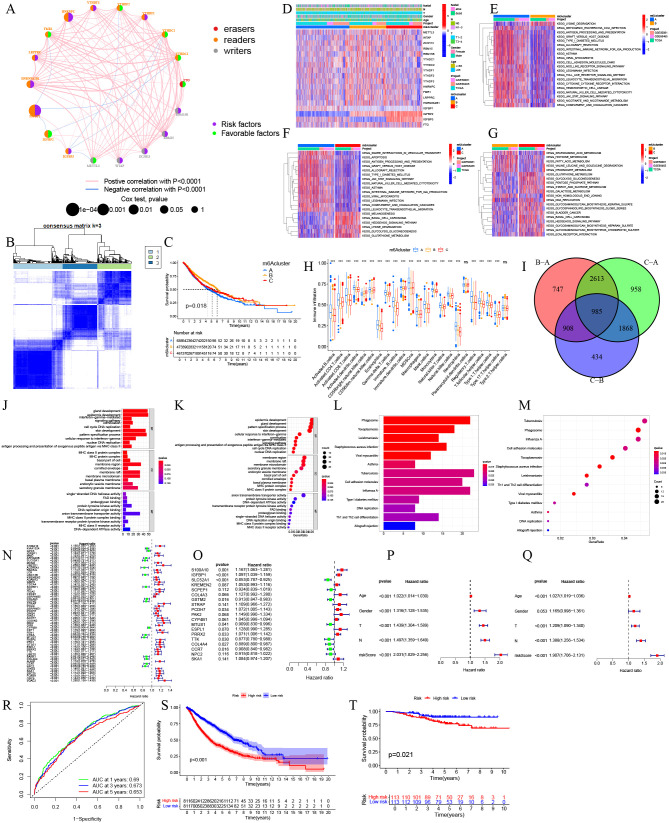 Figure 1
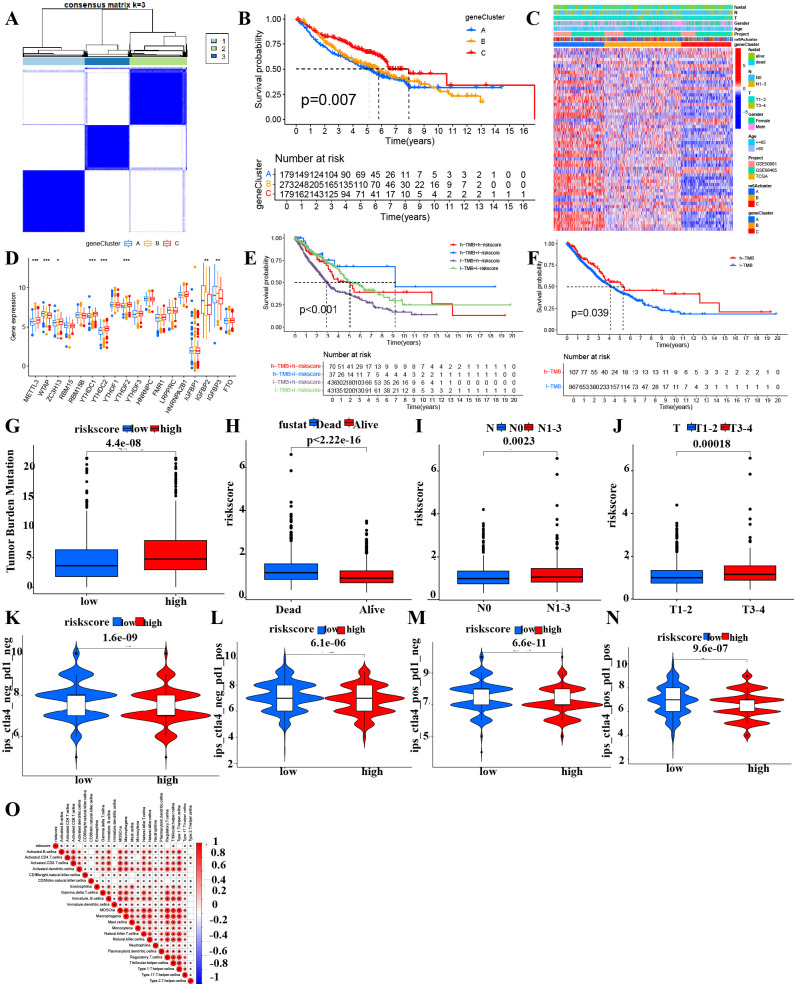 Figure 2
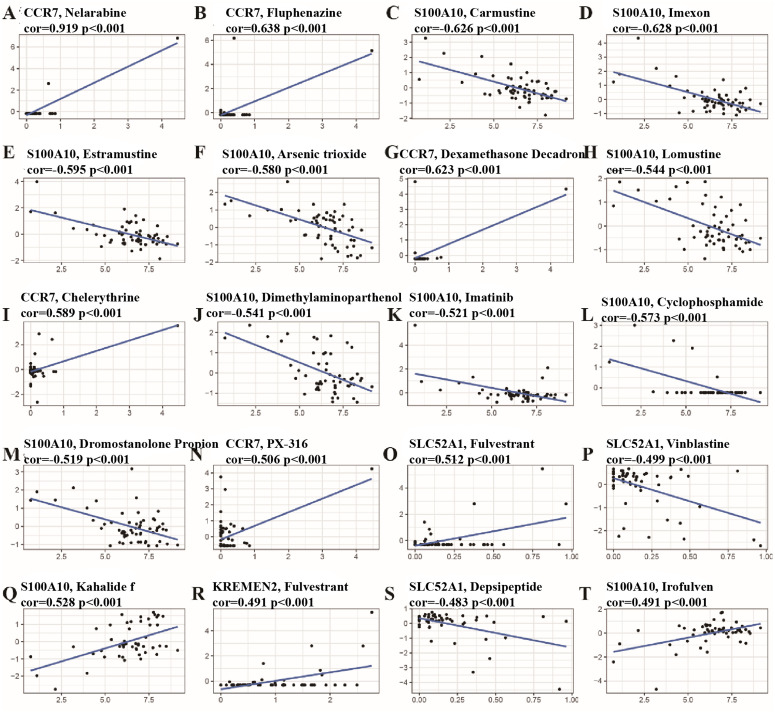 Figure 3
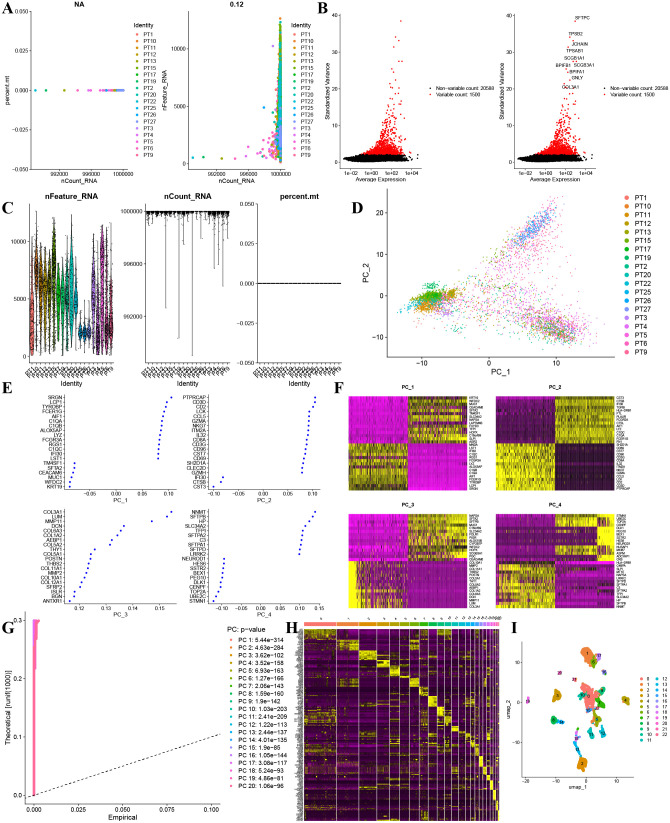 Figure 4
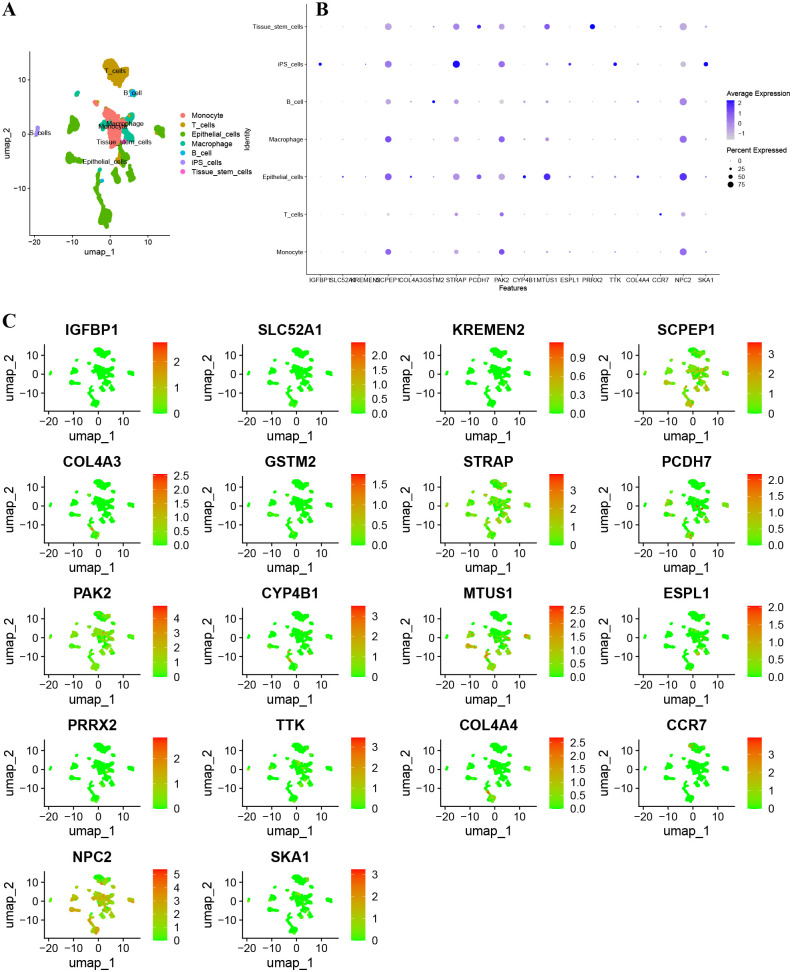 Figure 5
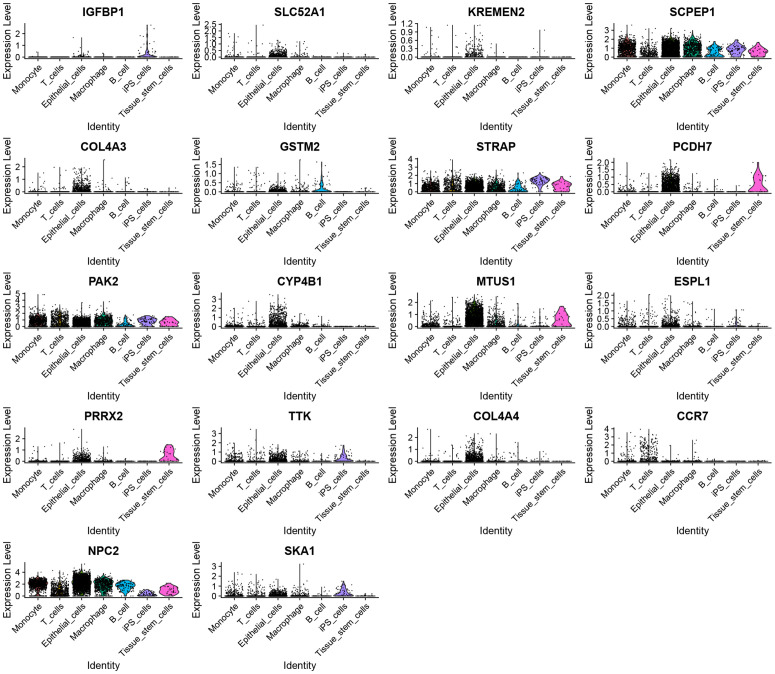 Figure 6
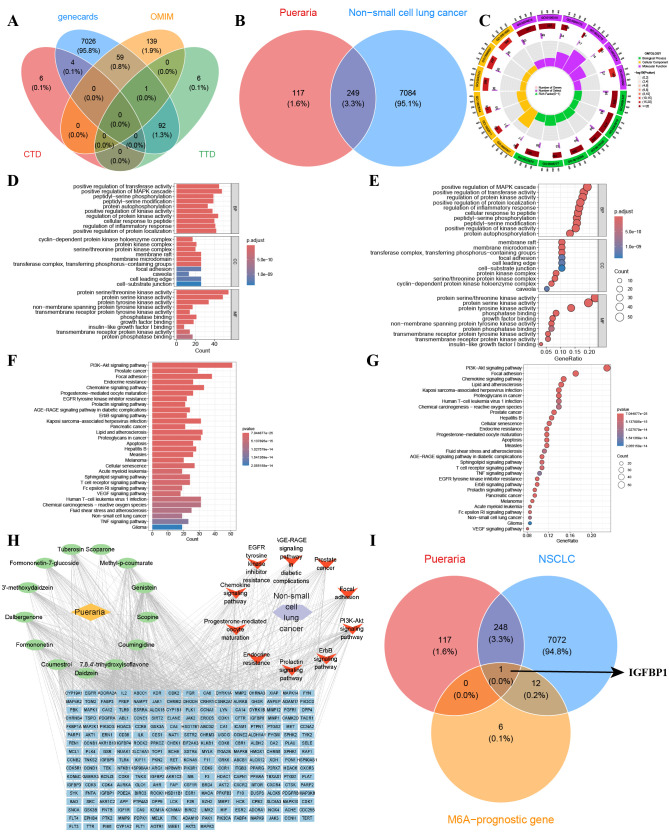 Figure 7
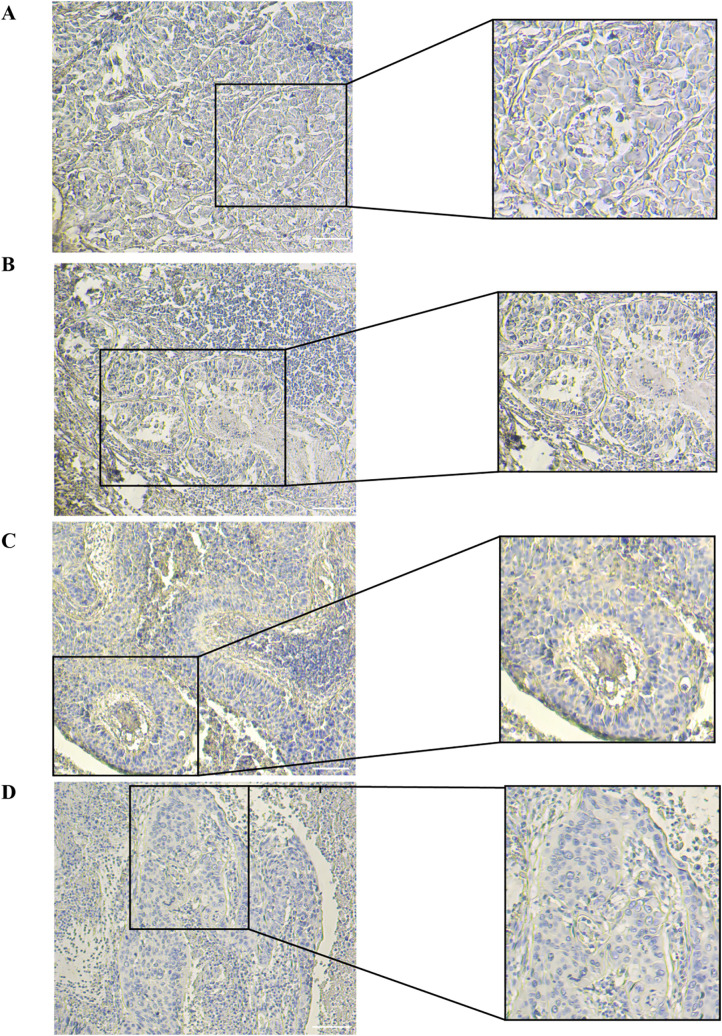 Figure 8
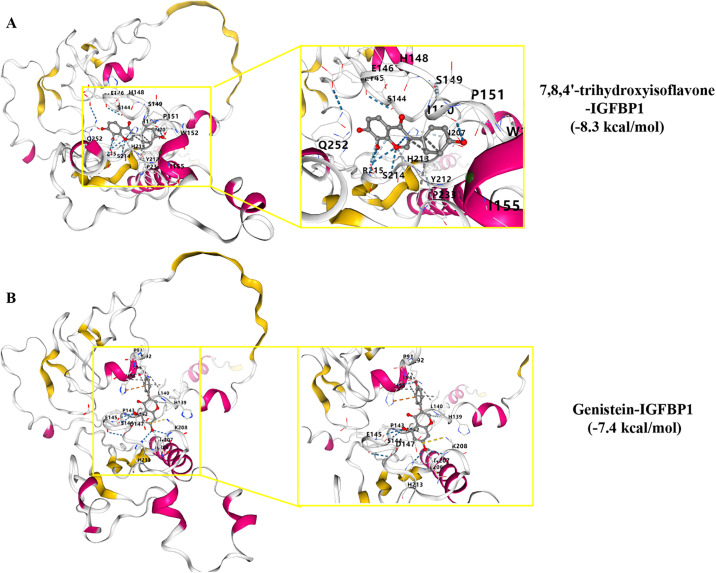 Figure 9
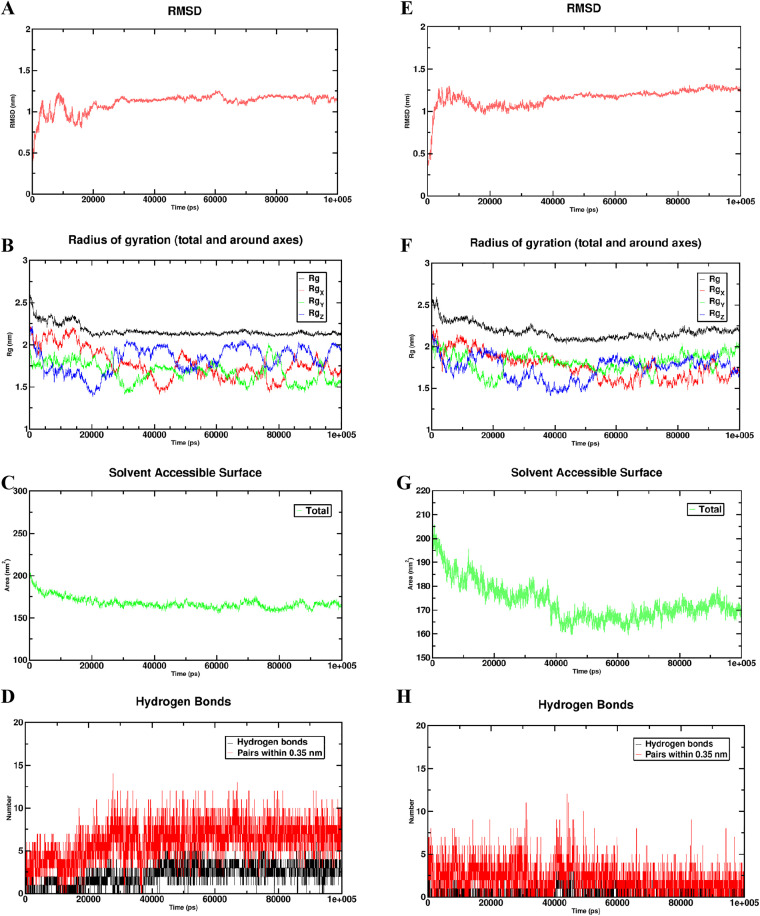 Figure 10
Peer Reviews
No public reviews on file for this paper yet. If you reviewed it on a platform where reviews are public (OpenReview, ICLR, NeurIPS, ICML), you can paste yours below so the community can read it here.
Videos
No videos yet. Explain this paper in a talk, walkthrough, or lecture? Add one.
Taxonomy
TopicsRNA modifications and cancer · Epigenetics and DNA Methylation · Cancer-related gene regulation