Detecting statistical interactions in immune receptor data: a comparative study
Thomas Minotto, Ingrid Hobæk Haff, Enrico Riccardi, Geir K. Sandve

TL;DR
This paper compares different methods for detecting amino acid interactions in immune receptor data, showing that some machine learning techniques can identify interactions with high accuracy.
Contribution
The study introduces a comparative evaluation of methods for detecting statistical interactions in immune receptor data, including their performance and efficiency.
Findings
Pairwise interactions were detected from 1000 sequences with optimal performance at a 20% implantation rate.
Higher-order interactions were best detected using logic regression and random forest methods.
Neural networks had significantly faster running times compared to other methods.
Abstract
Statistical interactions are part of numerous data generating processes and several methods have been developed to detect them. We here study immune receptors binding to antigens, where advanced machine learning techniques have proved useful for binding prediction, suggesting significant intra amino acid chain interactions. We reviewed detection methods based on logistic lasso, logic regression, random forests and neural networks. We compared detection performance in simulated immune data, and how it is affected by the order of interactions, their strength related to the main effects, their frequency of occurrence and the size of the data. Interactions were implanted as motifs of amino acids that determined the binding status of sequences through a logistic regression model. Results show that pairwise interactions were retrieved from just 1000 sequences in the dataset, and optimal…
Click any figure to enlarge with its caption.
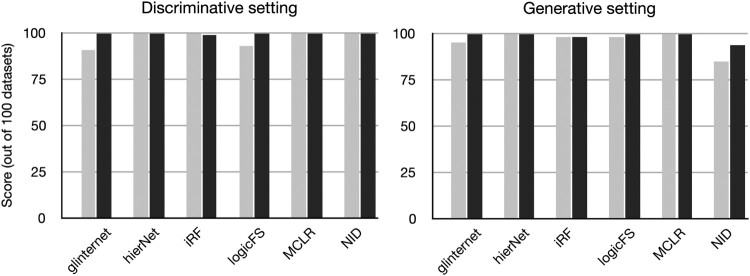 Figure 1
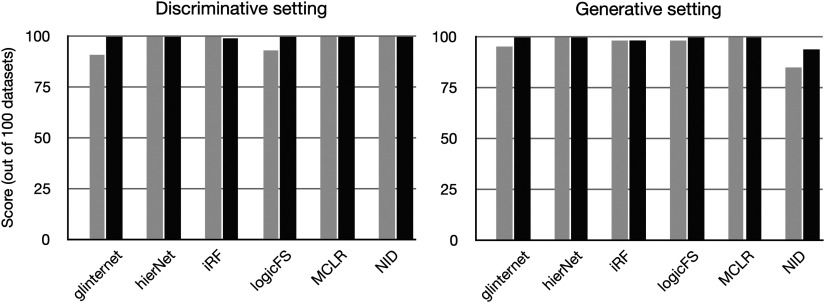 Figure 2
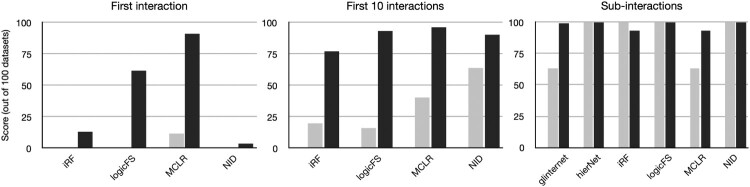 Figure 3
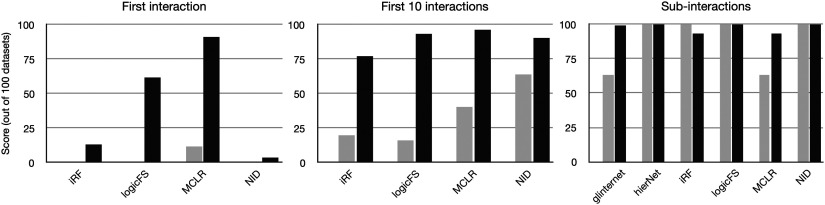 Figure 4
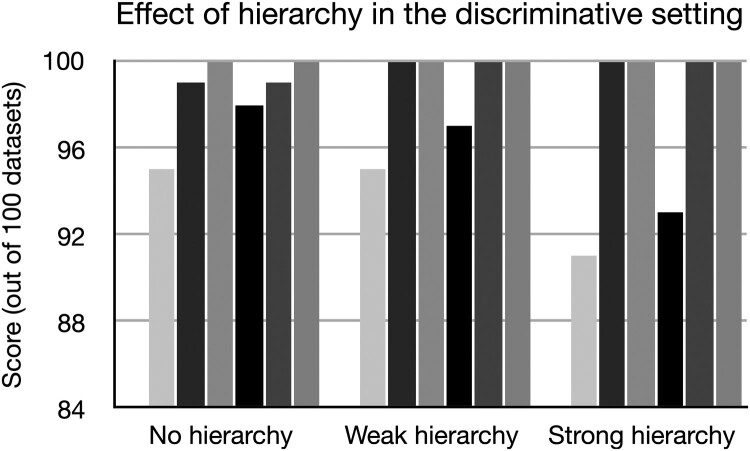 Figure 5
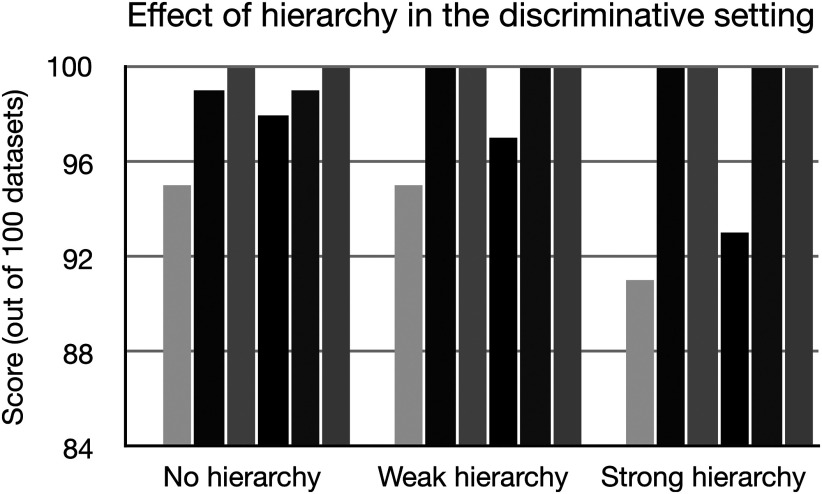 Figure 6
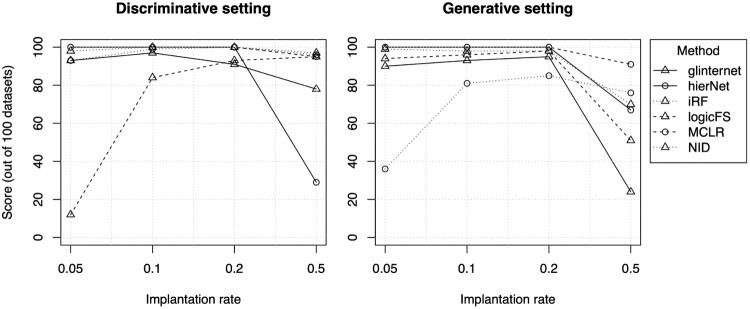 Figure 7
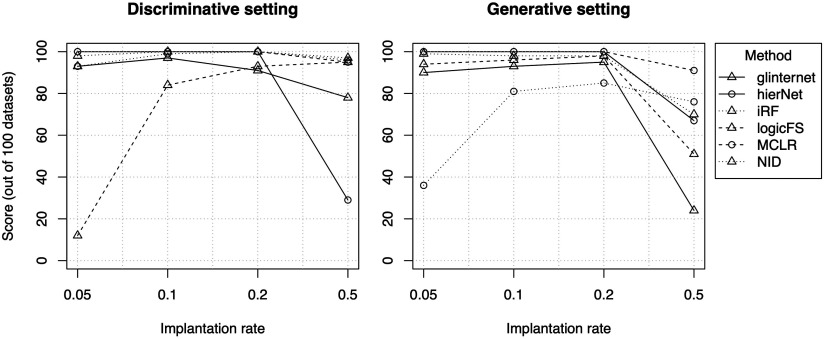 Figure 8
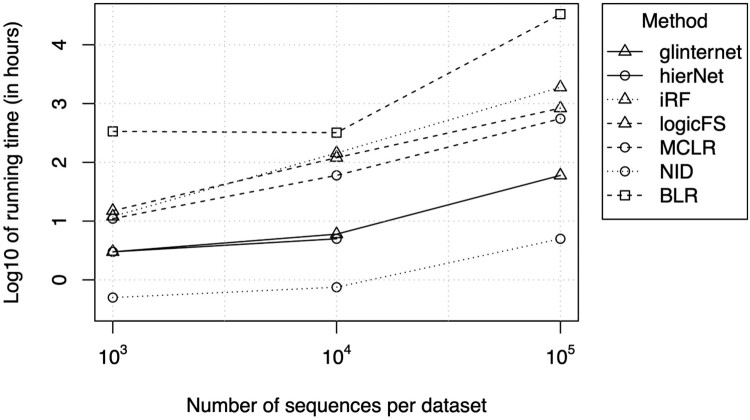 Figure 9
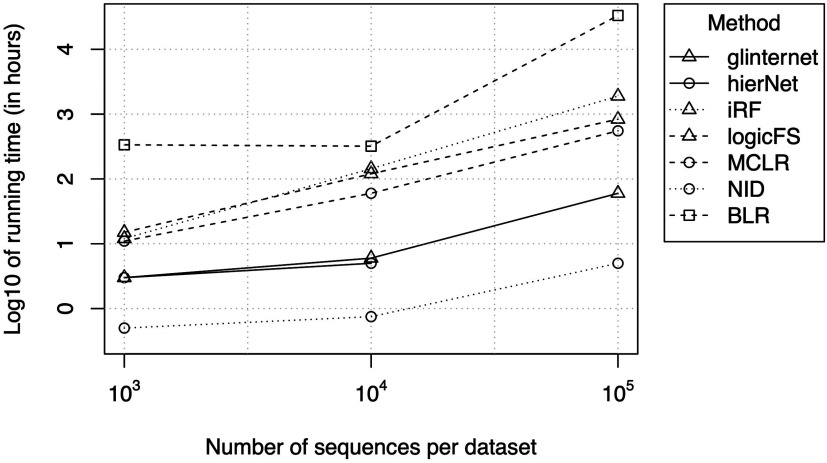 Figure 10
 Figure 11
 Figure 12
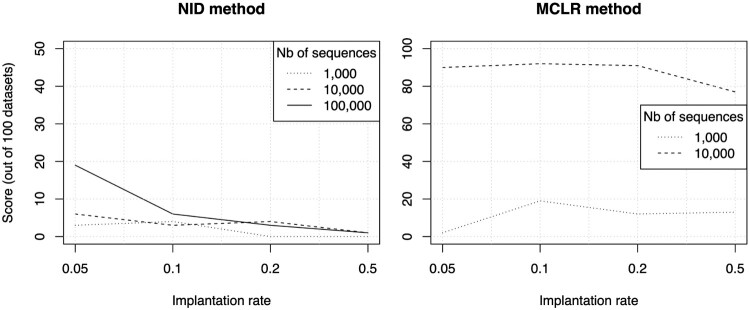 Figure 13
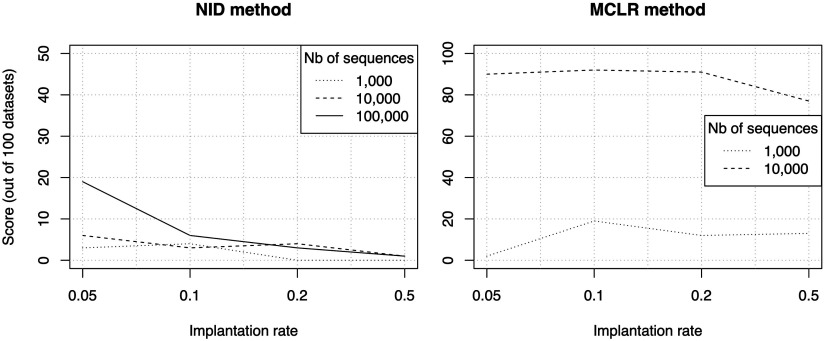 Figure 14
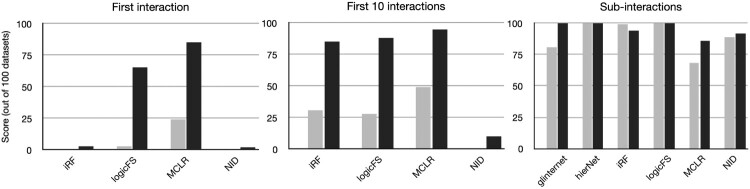 Figure 15
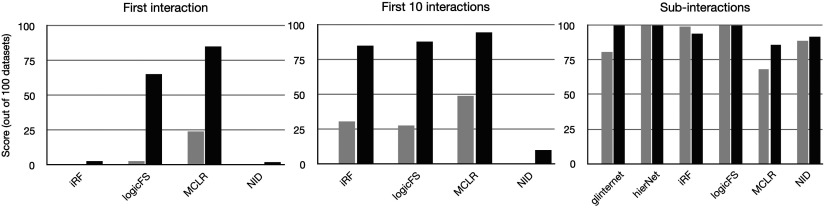 Figure 16
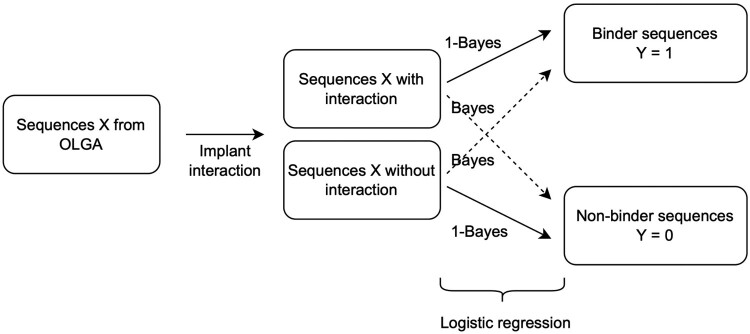 Figure 17
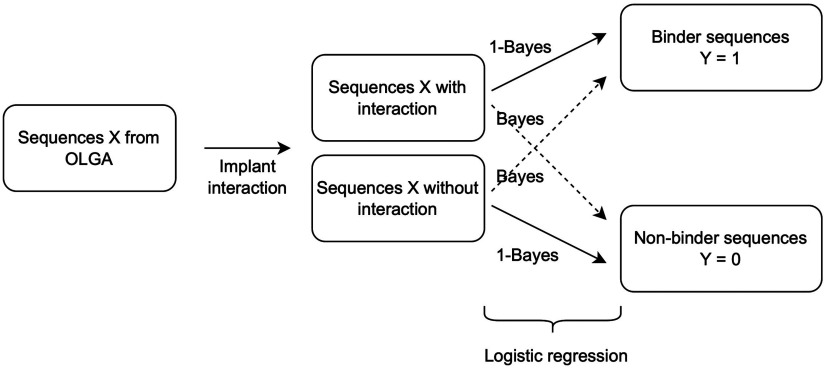 Figure 18
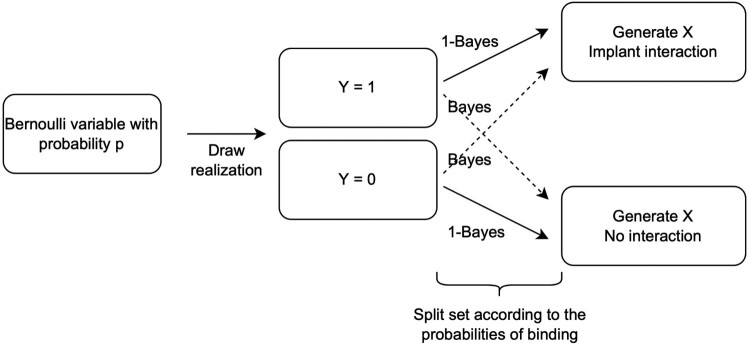 Figure 19
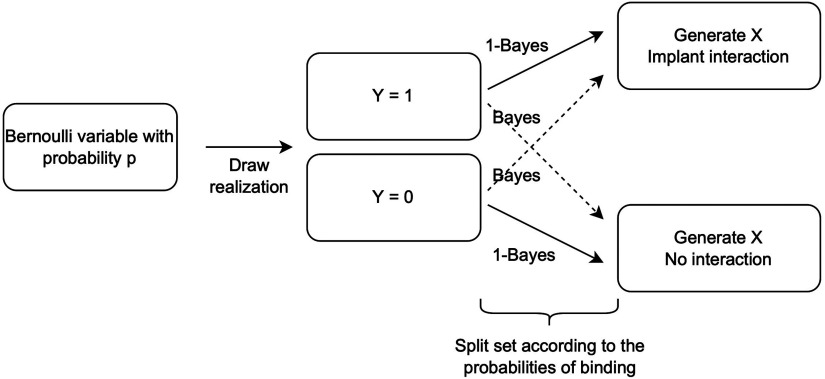 Figure 20
 Figure 21
 Figure 22
 Figure 23
 Figure 24
 Figure 25
 Figure 26
 Figure 27
 Figure 28
 Figure 29
 Figure 30
 Figure 31
 Figure 32
 Figure 33
 Figure 34
 Figure 35
 Figure 36
 Figure 37
 Figure 38
 Figure 39
 Figure 40
 Figure 41
 Figure 42
 Figure 43
 Figure 44
 Figure 45
 Figure 46
 Figure 47
 Figure 48
 Figure 49
 Figure 50
Peer Reviews
No public reviews on file for this paper yet. If you reviewed it on a platform where reviews are public (OpenReview, ICLR, NeurIPS, ICML), you can paste yours below so the community can read it here.
Videos
No videos yet. Explain this paper in a talk, walkthrough, or lecture? Add one.
Taxonomy
TopicsMonoclonal and Polyclonal Antibodies Research · Artificial Immune Systems Applications · vaccines and immunoinformatics approaches