Adaptive multi-stage paramedian forehead flap for nasal reconstruction following HSV-related necrosis in a pediatric patient with primary immunodeficiency
Hatan Mortada, Shabeer Ahmad Wani, Doaa F. Andejani

TL;DR
A 4-year-old girl with an immune deficiency and HSV-related nasal damage successfully underwent a multi-stage nasal reconstruction using a paramedian forehead flap.
Contribution
This case demonstrates the safe use of a multi-stage paramedian forehead flap in a pediatric patient with HSV-related necrosis and undiagnosed immunodeficiency.
Findings
The staged reconstruction achieved stable alar contour and improved nasal airway patency.
Intraoperative indocyanine green angiography confirmed adequate flap perfusion at each stage.
Parental satisfaction with cosmetic outcomes was high despite the complexity of the defect.
Abstract
Large nasal defects in children are rare and create significant reconstructive challenges due to limited donor tissue, ongoing facial growth, and higher perioperative risks. These challenges are amplified in immunocompromised pediatric patients, particularly when infections such as herpes simplex virus (HSV) contribute to tissue destruction. The paramedian forehead flap is a reliable option for major nasal reconstruction in adults, but its use in children remains uncommon. We report a 4-year-old girl with an undiagnosed primary immunodeficiency and recurrent HSV infection who developed a full-thickness defect of the right nasal ala with partial auricular loss. A staged reconstruction was performed adaptively over five stages, including flap elevation with delay, transposition with native nasal skin lining and Matriderm application to reduce wound burden, partial division with alar…
Genes, proteins, chemicals, diseases, species, mutations and cell lines named across the full text — each resolved to its canonical identifier and authoritative record.
Click any figure to enlarge with its caption.
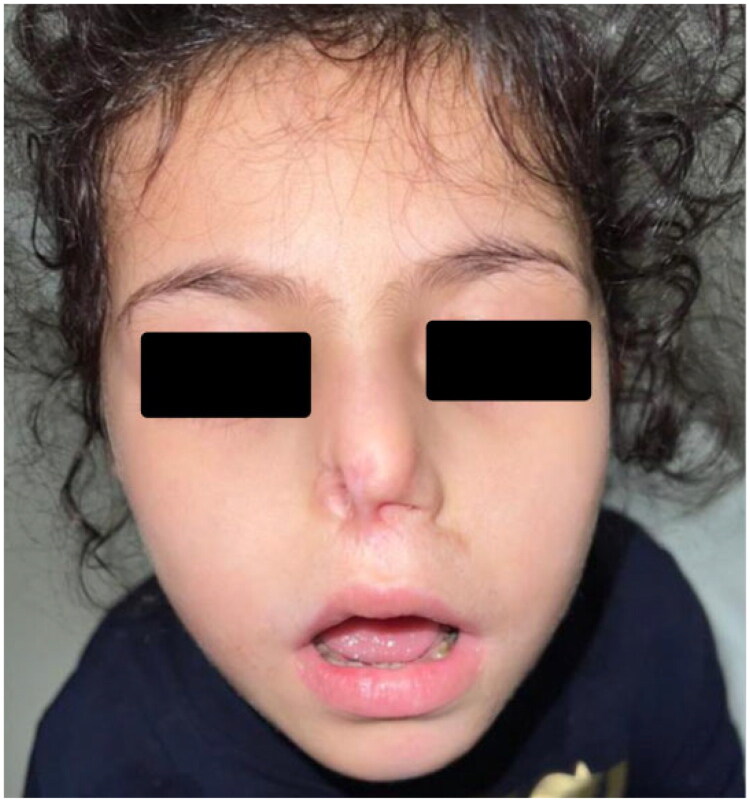 Figure 1
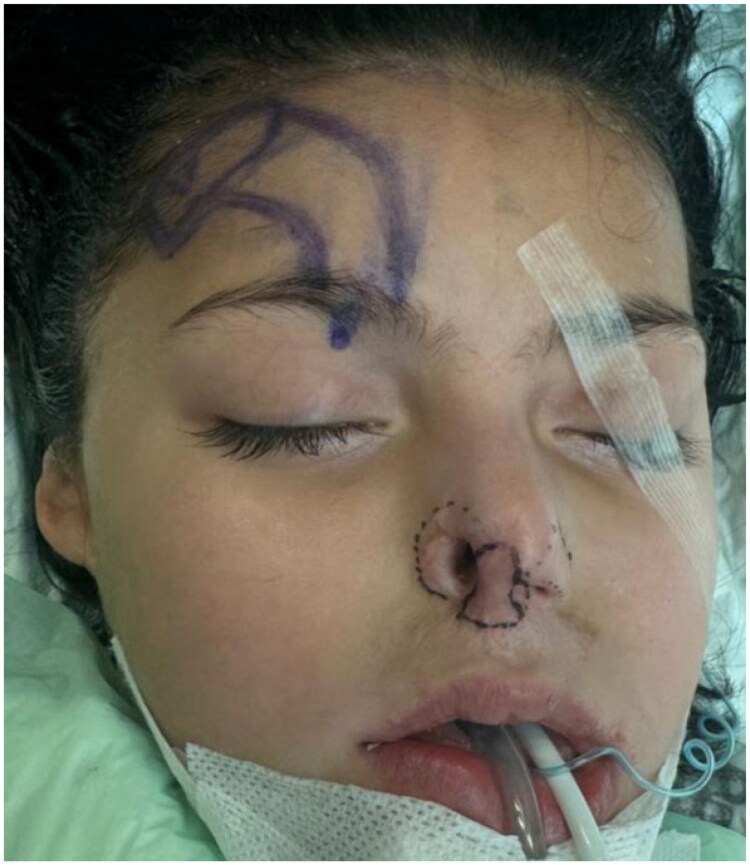 Figure 2
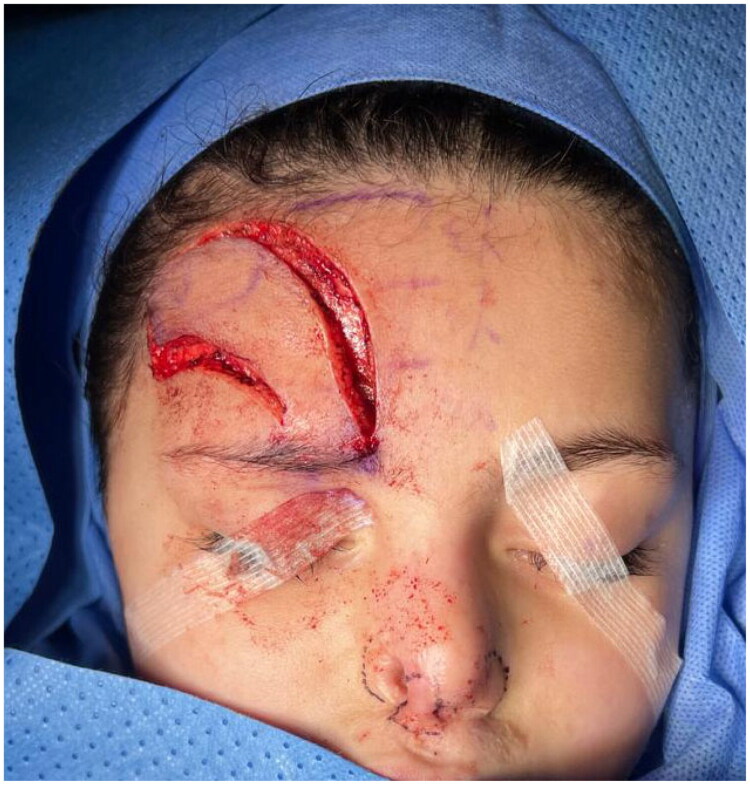 Figure 3
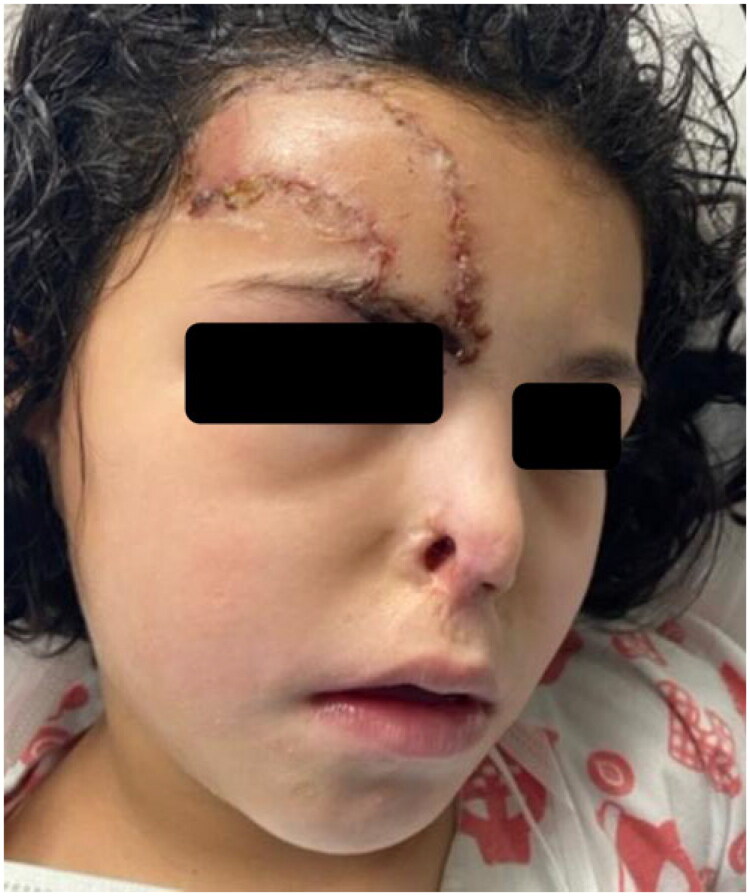 Figure 4
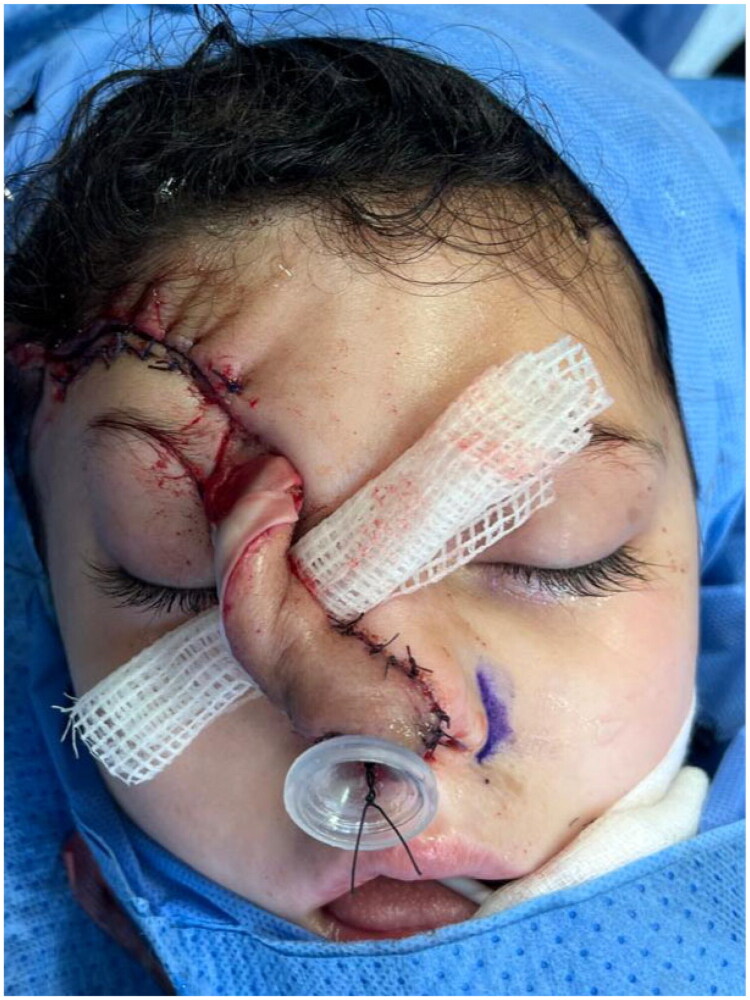 Figure 5
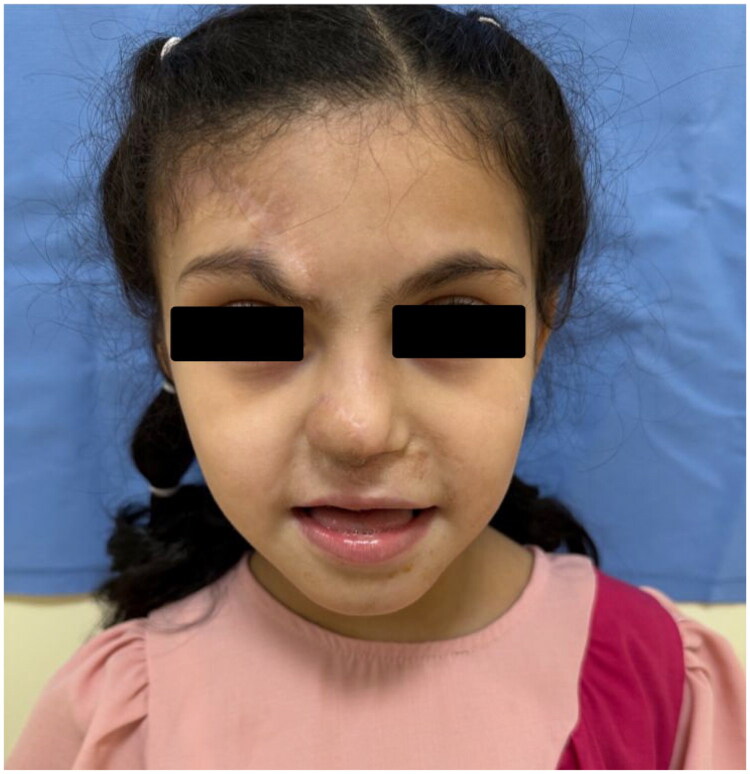 Figure 6
Peer Reviews
No public reviews on file for this paper yet. If you reviewed it on a platform where reviews are public (OpenReview, ICLR, NeurIPS, ICML), you can paste yours below so the community can read it here.
Videos
No videos yet. Explain this paper in a talk, walkthrough, or lecture? Add one.
Taxonomy
TopicsReconstructive Facial Surgery Techniques · Ocular Disorders and Treatments · Cleft Lip and Palate Research