P. gingivalis induces endothelial dysfunction via mitochondrial fission dependent VDAC1-HK2 disassociation
Yi Wang, Shengming Xu, Zichao Zhuang, Congyi Tu, Zhe Zhou, Tianhao Chen, Mengting Wu, Bin Lu, Pengcheng Ye, Xia Fan, Rongdang Hu, Hui Deng

TL;DR
The bacteria P. gingivalis harms blood vessel function by causing mitochondrial damage through a specific protein interaction pathway.
Contribution
The study reveals a novel mechanism involving Drp1, VDAC1, and HK2 in P. gingivalis-induced mitochondrial and endothelial dysfunction.
Findings
P. gingivalis causes mitochondrial fragmentation and mPTP overactivation in endothelial cells.
VDAC1 oligomerization disrupts its interaction with HK2, promoting mPTP opening.
Inhibiting Drp1 or mPTP restores endothelial and mitochondrial function in infected cells and mice.
Abstract
Mitochondrial dysfunction contributes to Porphyromonas gingivalis (P. gingivalis)-impaired endothelial function. Given the critical role of the mitochondrial permeability transition pore (mPTP) in mitochondrial homeostasis, this study explored how P. gingivalis promotes dynamin-related protein 1 (Drp1)–dependent mPTP overactivation, leading to mitochondrial damage and endothelial dysfunction. Mitochondrial and endothelial functions were evaluated in P. gingivalis–infected human aortic endothelial cells (HAECs) and C57BL/6 mice. Western blotting, immunofluorescence, and co-immunoprecipitation were used to assess the mitochondrial dynamics and mPTP-related protein interactions. Aortic vasodilation and endothelial integrity were examined following treatment with the Drp1 inhibitor Mdivi-1 or mPTP inhibitor cyclosporin A (CsA). P. gingivalis infection induced significant mitochondrial…
Genes, proteins, chemicals, diseases, species, mutations and cell lines named across the full text — each resolved to its canonical identifier and authoritative record.
Click any figure to enlarge with its caption.
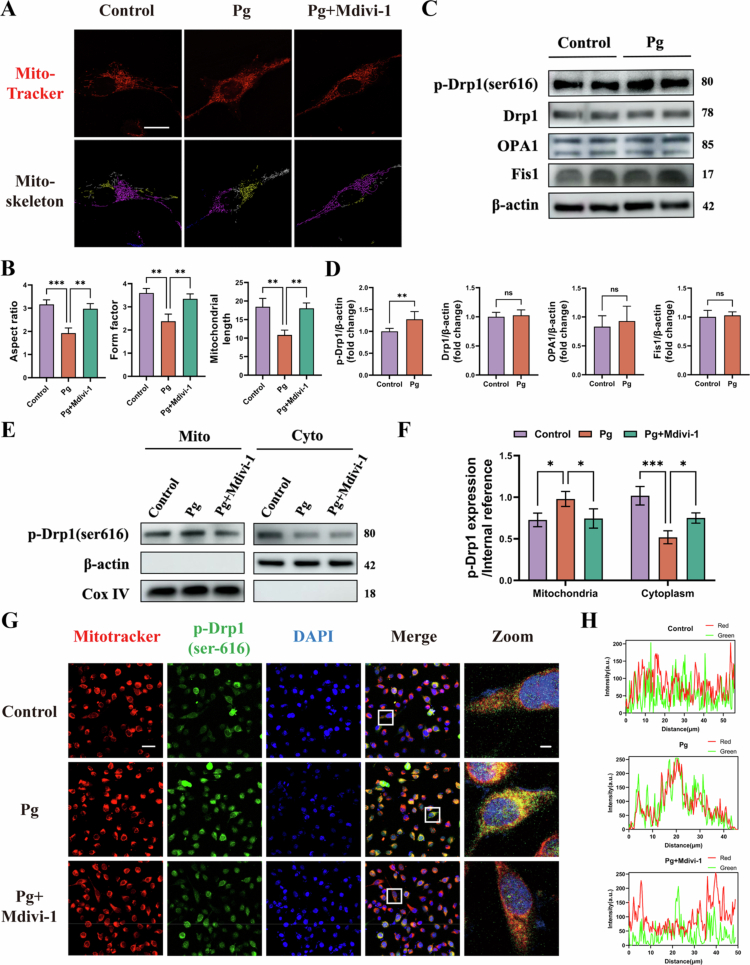 Figure 1
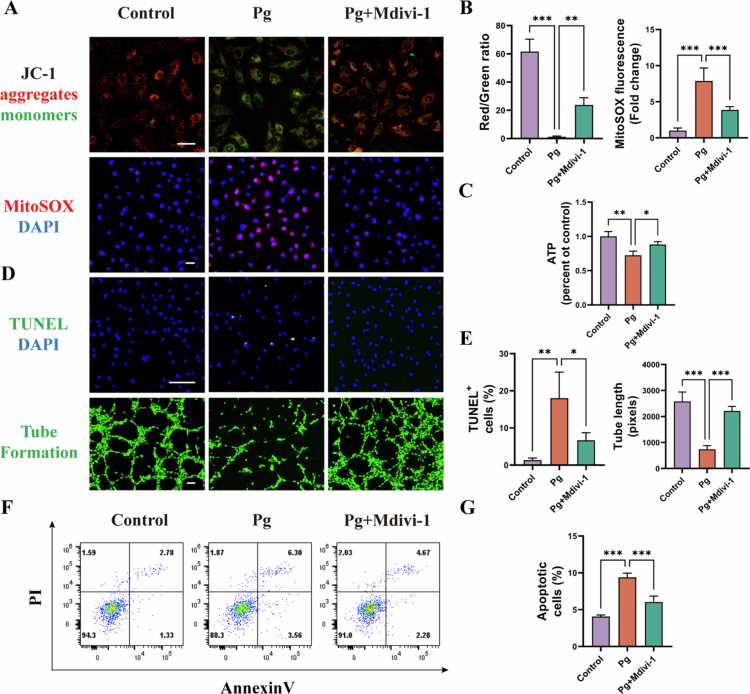 Figure 2
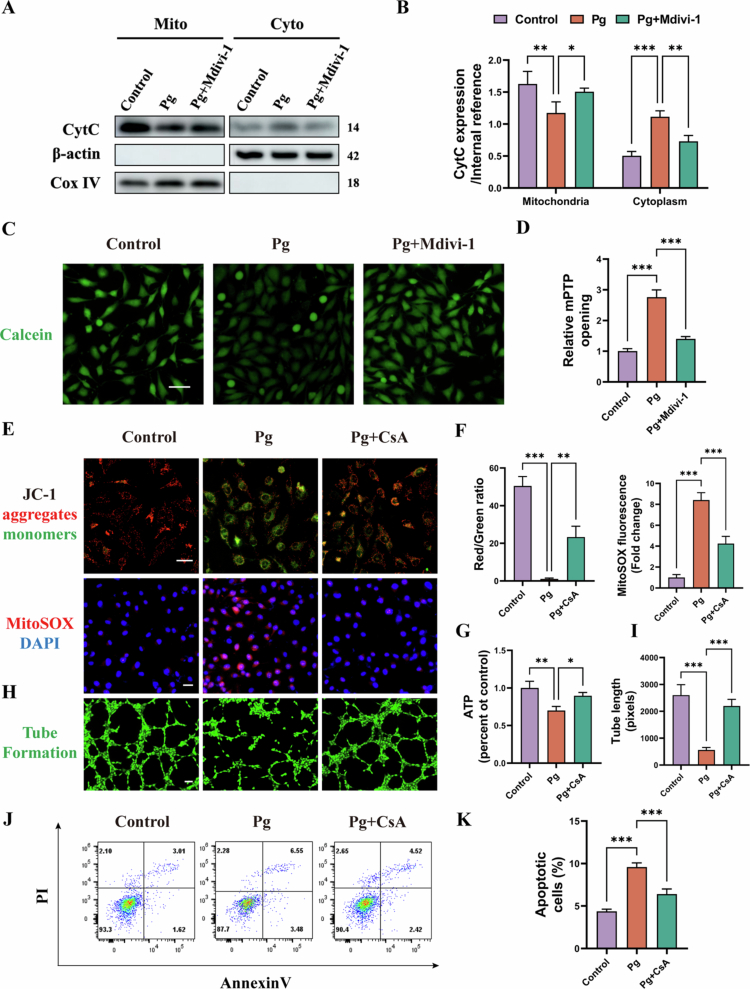 Figure 3
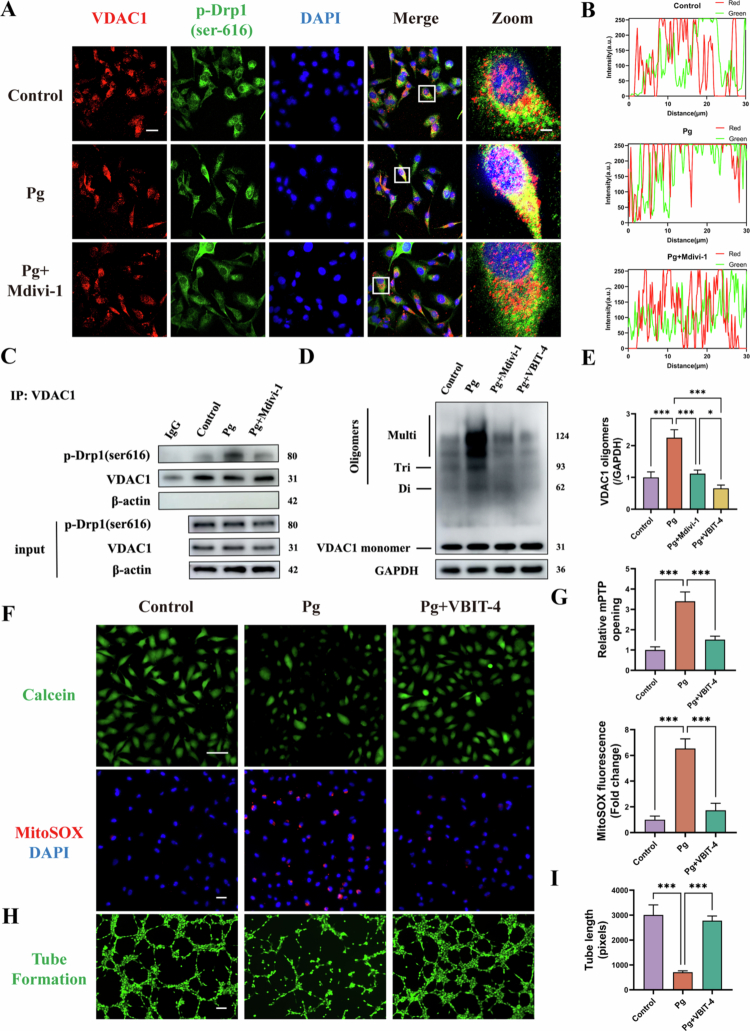 Figure 4
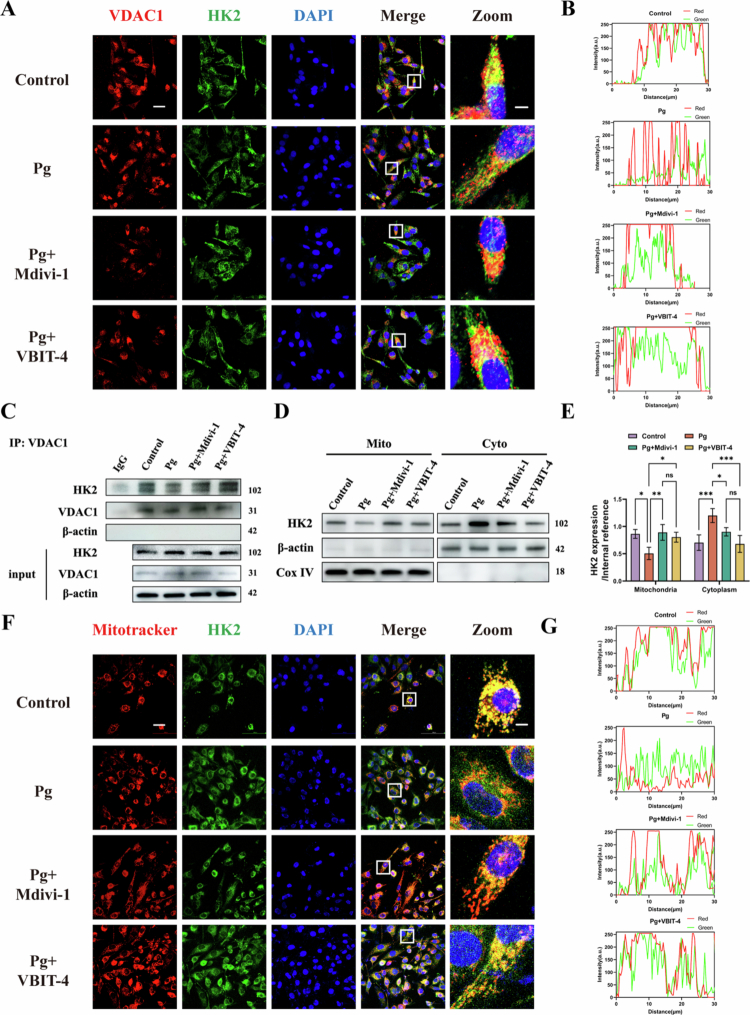 Figure 5
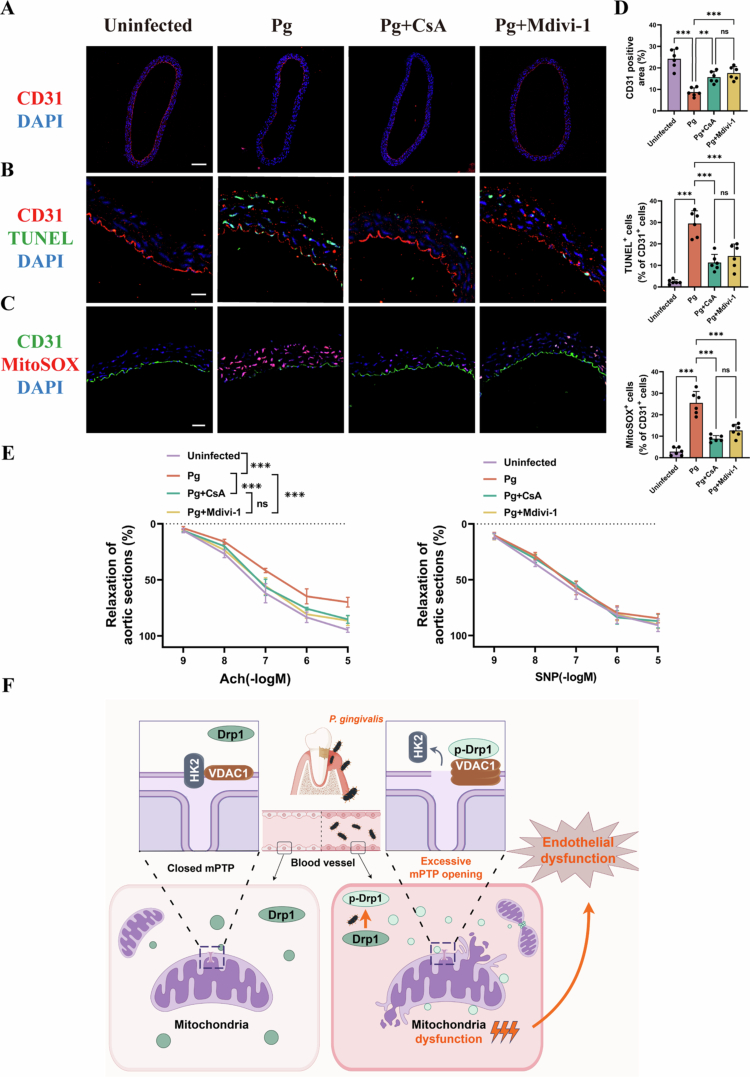 Figure 6
Peer Reviews
No public reviews on file for this paper yet. If you reviewed it on a platform where reviews are public (OpenReview, ICLR, NeurIPS, ICML), you can paste yours below so the community can read it here.
Videos
No videos yet. Explain this paper in a talk, walkthrough, or lecture? Add one.
Taxonomy
TopicsOral and gingival health research · Oral microbiology and periodontitis research · Caveolin-1 and cellular processes