Effectiveness of dimeticone oils versus sodium carbonate solution in the treatment of tungiasis in Kenya: a non-inferiority randomised trial
Kana Suzuki, Yasuhiko Kamiya, Chris Smith, Satoshi Kaneko, Juma Vitalis, Obino Tai, Abigael Osendi, Asiko Ongaya, Evans Amukoye

TL;DR
A study in Kenya compared two treatments for tungiasis, a skin disease caused by fleas, finding that a traditional sodium carbonate solution was less effective than the recommended dimeticone oil.
Contribution
This study provides the first non-inferiority randomized trial comparing sodium carbonate and dimeticone for tungiasis treatment in Kenya.
Findings
On day 11, 88% of fleas were dead with NYDA® treatment versus 77% with sodium carbonate.
Sodium carbonate did not meet the non-inferiority margin compared to NYDA®.
No significant differences were observed in inflammation or symptoms between the two treatments.
Abstract
Tungiasis is a cutaneous parasitic disease caused by the female flea Tunga penetrans. The World Health Organization recommends two-component dimeticone (NYDA®) as the sole treatment for tungiasis; however, this topical medication is not available in Kenya. In western Kenya, sodium carbonate has been adopted as a traditional village-based treatment. A pilot study found that the proportion of dead fleas on day 7 was higher with NYDA® treatment than that with 5% sodium carbonate treatment (87% vs. 64%, respectively). This study was aimed at assessing the 11-day cure rates of tungiasis by comparing the efficacy of sodium carbonate and NYDA® treatments in Vihiga County, Kenya. A randomised, observer-blinded, non-inferiority trial was conducted, with the non-inferiority margin set at 10%. A total of 160 eligible children with 941 flea infections were matched and randomised. The number of…
Genes, proteins, chemicals, diseases, species, mutations and cell lines named across the full text — each resolved to its canonical identifier and authoritative record.
Click any figure to enlarge with its caption.
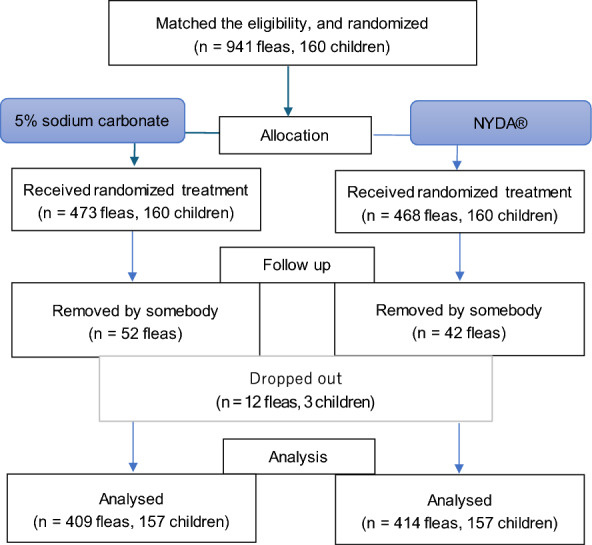 Figure 1
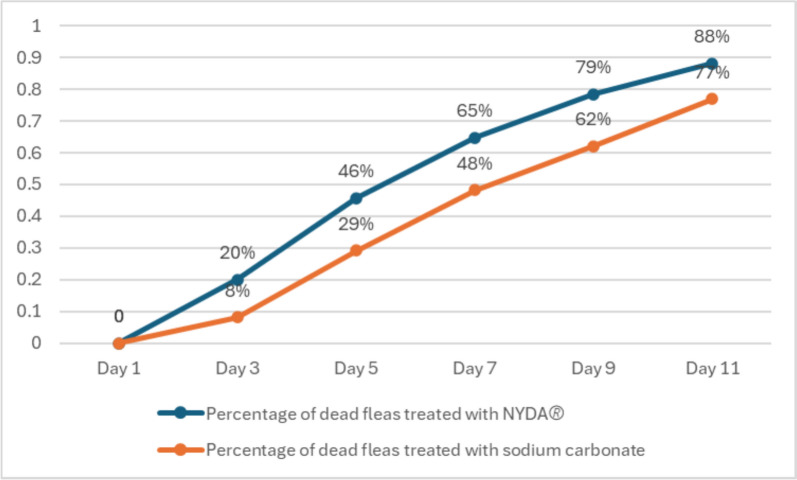 Figure 2
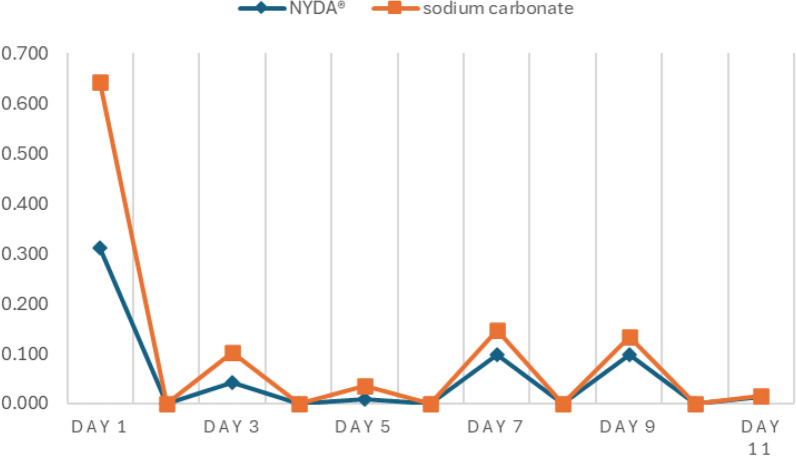 Figure 3
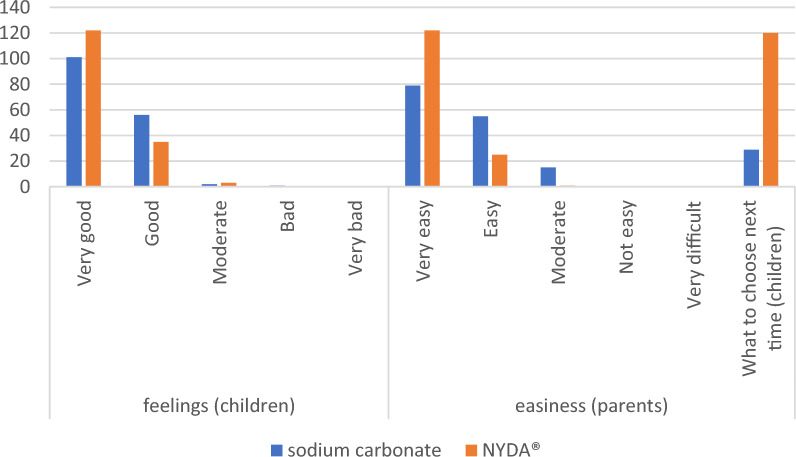 Figure 4
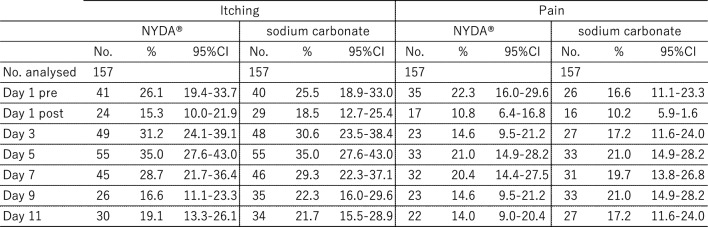 Figure 5
Peer Reviews
No public reviews on file for this paper yet. If you reviewed it on a platform where reviews are public (OpenReview, ICLR, NeurIPS, ICML), you can paste yours below so the community can read it here.
Videos
No videos yet. Explain this paper in a talk, walkthrough, or lecture? Add one.
Taxonomy
TopicsDermatological diseases and infestations · Nail Diseases and Treatments · Beetle Biology and Toxicology Studies