Aggregates and Excitons: Excited-State Behavior of Platinum–Acetylide Two-Photon Chromophore-Doped Ormosil Glasses
Thomas M. Cooper, Jonathan E. Slagle, Douglas M. Krein, Joy E. Haley

TL;DR
This study explores how the concentration of a platinum–acetylide chromophore in ormosil glasses affects its excited-state behavior, revealing changes in absorption, emission, and exciton coupling.
Contribution
The paper introduces a quantitative relationship between chromophore concentration, aggregation, and exciton dynamics in ormosil glasses.
Findings
At low concentrations, the chromophore behaves similarly to in solution, with no aggregation effects.
Higher concentrations lead to aggregation, causing changes in absorption and emission characteristics.
Exciton coupling and triplet lifetimes are modulated by concentration and aggregation.
Abstract
We probe the excited-state dynamics of a platinum–acetylide chromophore dissolved in ormosil glasses in the concentration range of 0.1–400 mM to gain a better understanding of how the environment of the dye reflects upon the overall kinetics observed. At 0.1 mM, ground-state absorption, fluorescence, excited-state absorption (ESA), and triplet ESA reproduce solution behavior. Above ≥10 mM, a weak 485 nm ground-state band appears, consistent with a nominally forbidden S0 → T1 transition, and steady-state emission shows quenched fluorescence with enhanced phosphorescence. Following 355 nm flash photolysis, high-concentration samples initially exhibit triplet ESA identical to the 0.1 mM case, but a blue-shifted triplet ESA develops at longer delays; direct excitation of the 485 nm band yields the same blue-shifted spectrum, confirming aggregation effects. Kinetically, the 0.1 mM sample…
Genes, proteins, chemicals, diseases, species, mutations and cell lines named across the full text — each resolved to its canonical identifier and authoritative record.
Click any figure to enlarge with its caption.
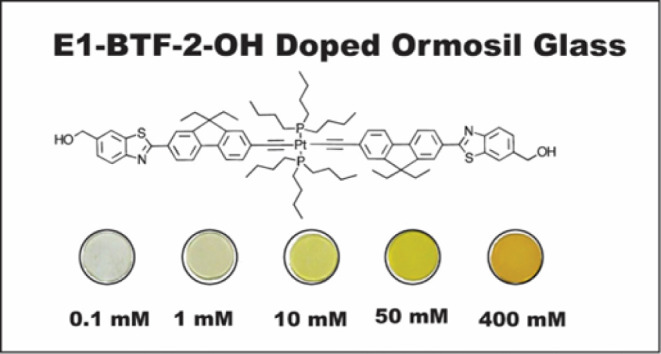 Figure 1
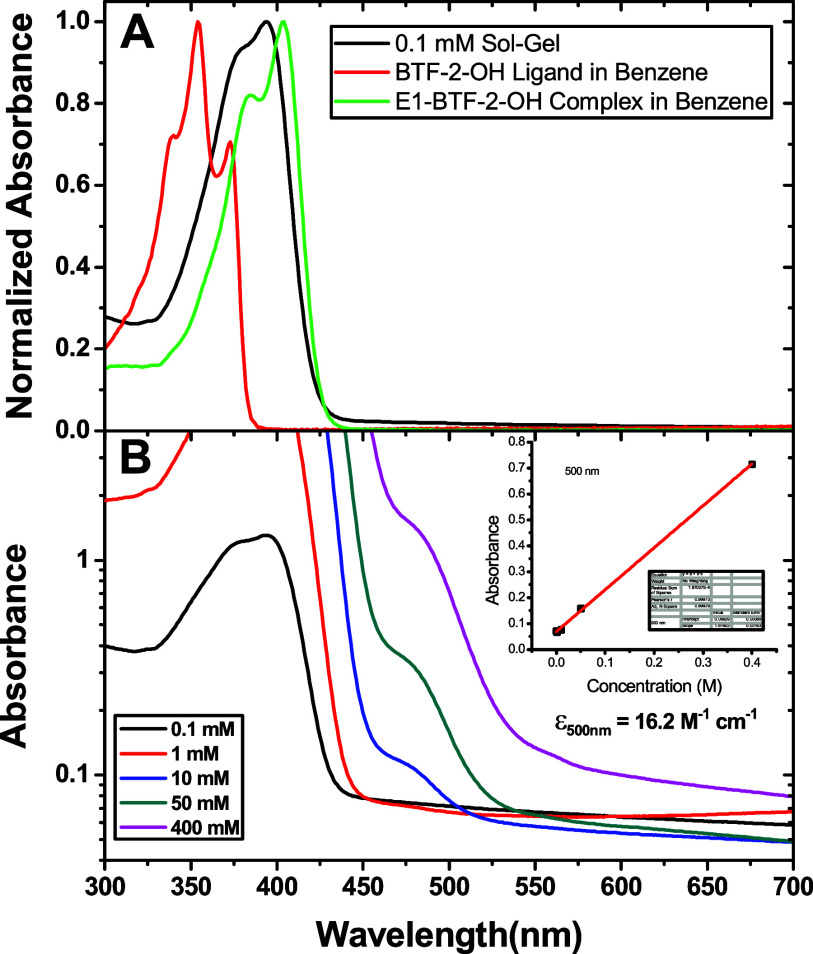 Figure 2
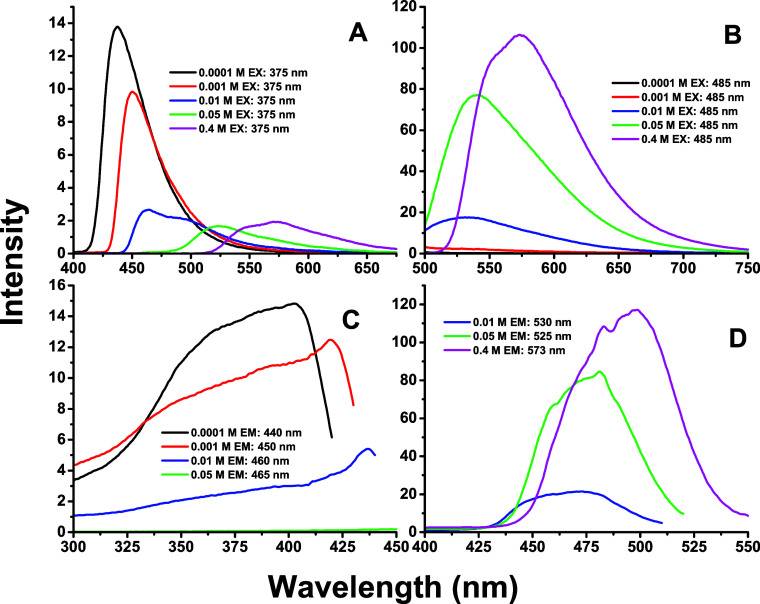 Figure 3
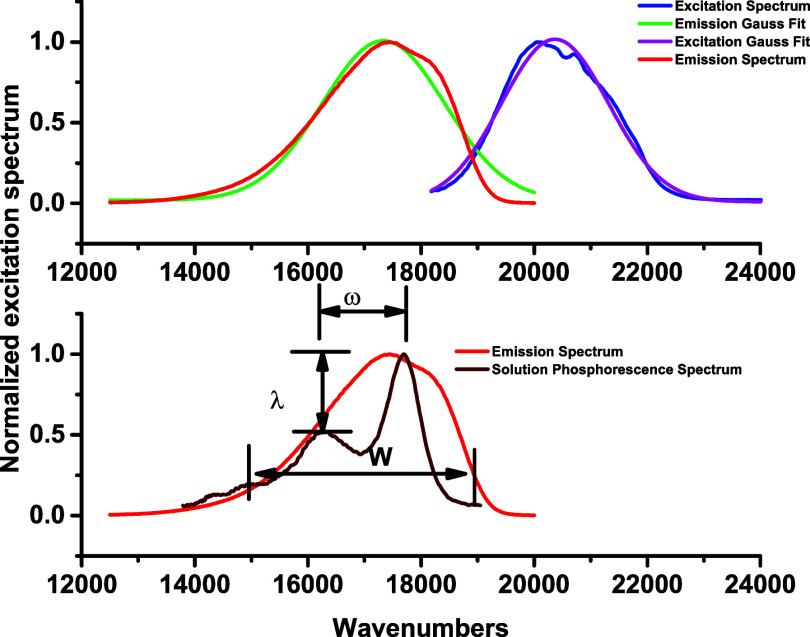 Figure 4
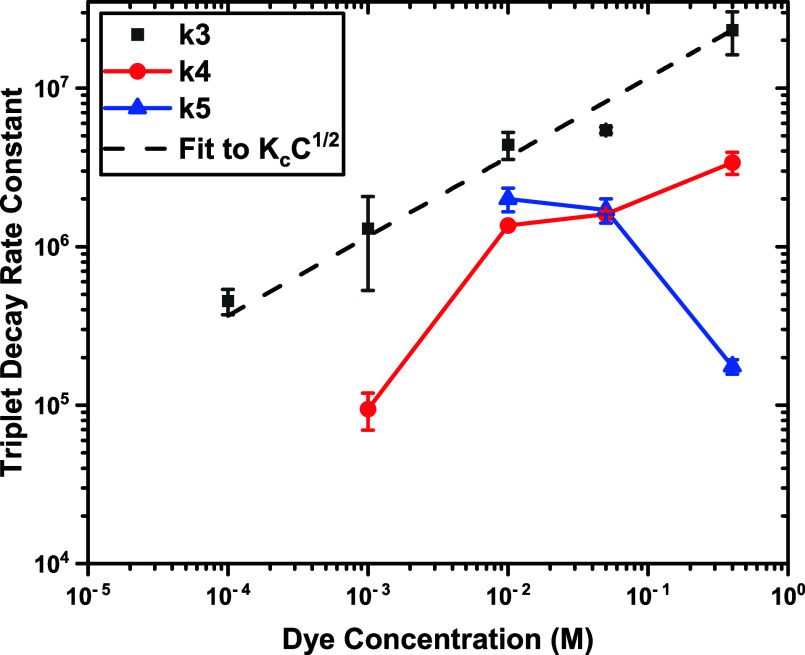 Figure 5
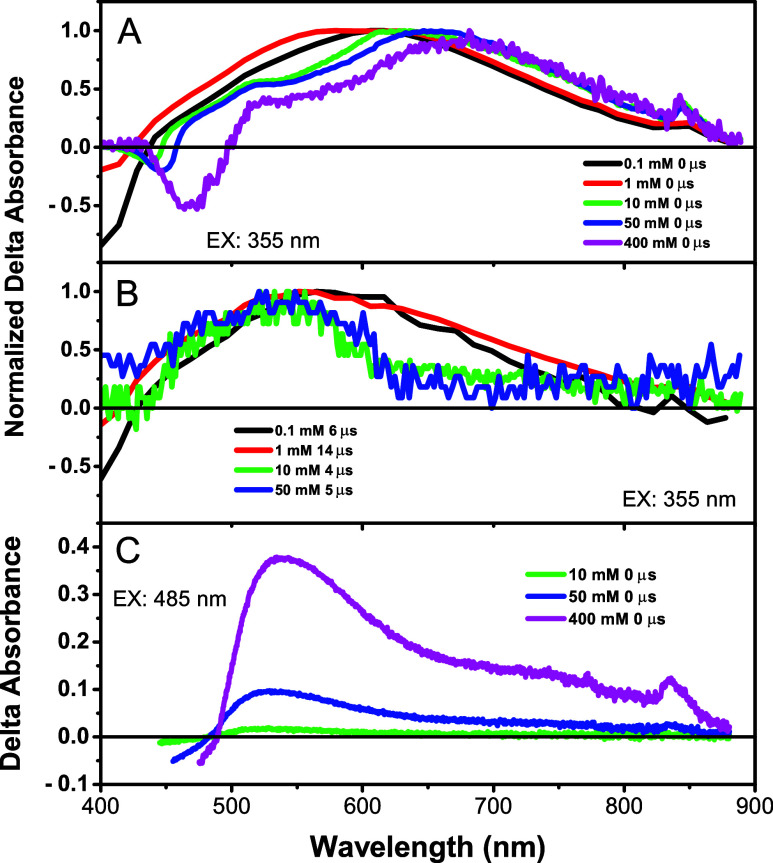 Figure 6
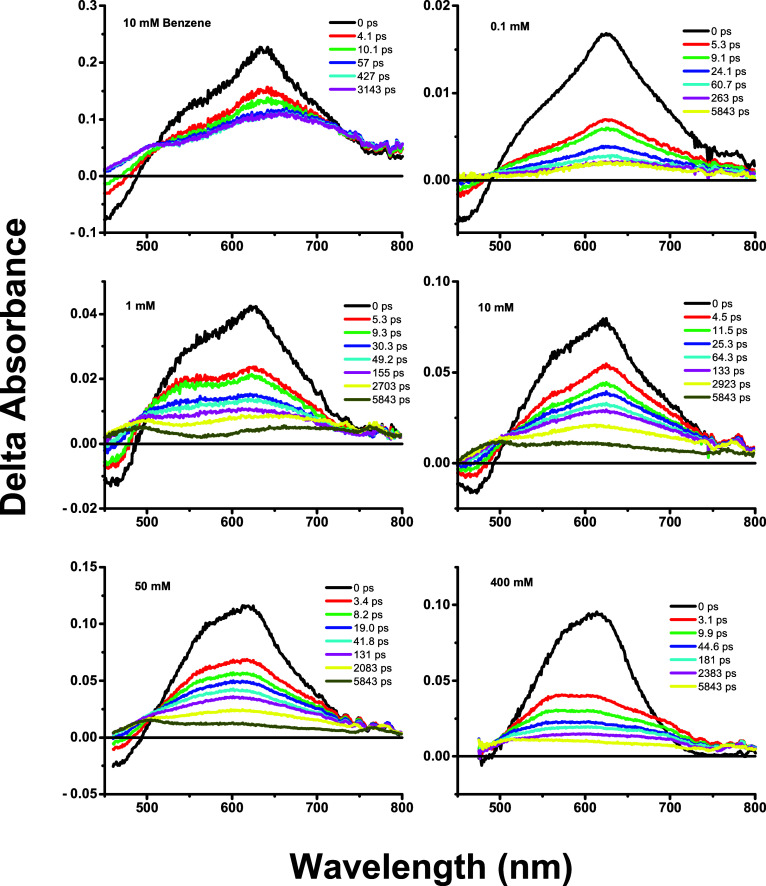 Figure 7
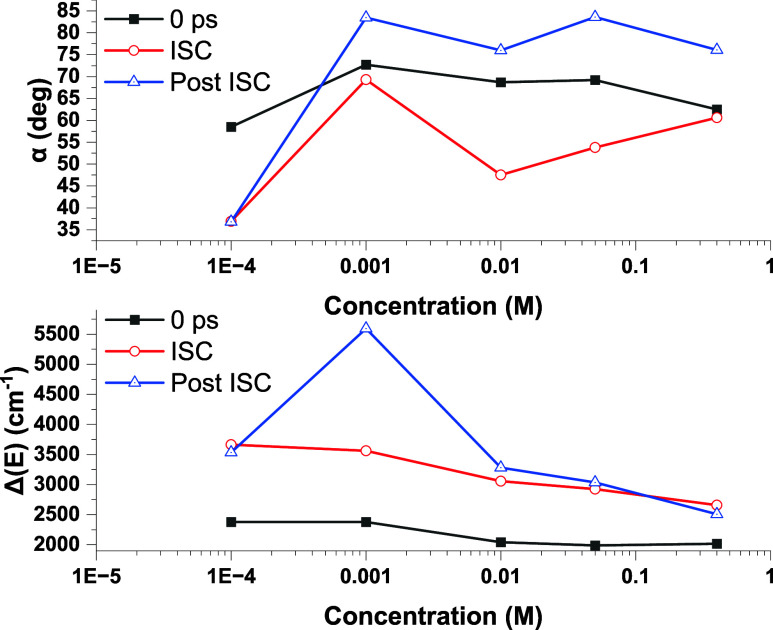 Figure 8
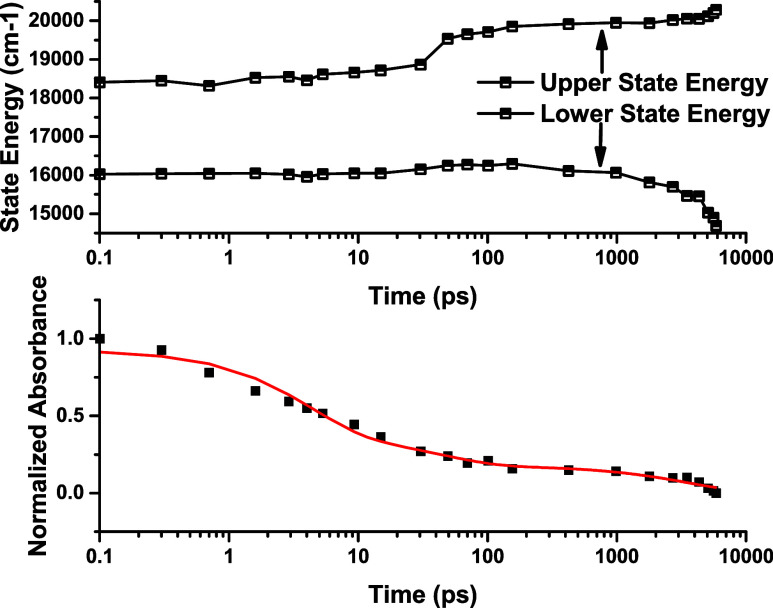 Figure 9
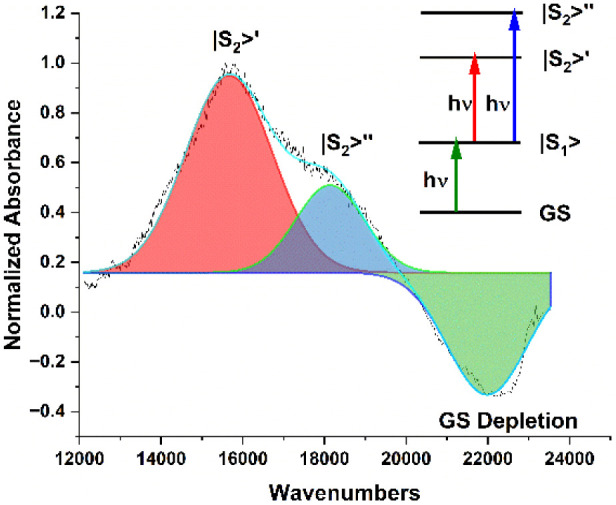 Figure 10
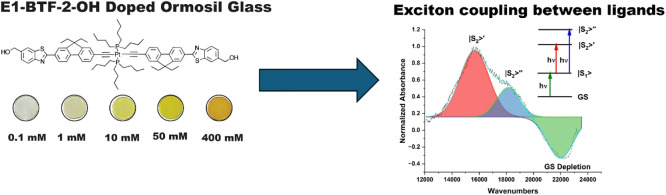 Figure 11
 Figure 12
 Figure 13
 Figure 14
 Figure 15
 Figure 16
 Figure 17
 Figure 18
 Figure 19
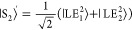 Figure 20
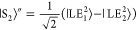 Figure 21
 Figure 22
 Figure 23
 Figure 24
 Figure 25
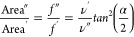 Figure 26
 Figure 27
 Figure 28
 Figure 29
 Figure 30
Peer Reviews
No public reviews on file for this paper yet. If you reviewed it on a platform where reviews are public (OpenReview, ICLR, NeurIPS, ICML), you can paste yours below so the community can read it here.
Videos
No videos yet. Explain this paper in a talk, walkthrough, or lecture? Add one.
Taxonomy
TopicsNonlinear Optical Materials Studies · Photochemistry and Electron Transfer Studies · Luminescence and Fluorescent Materials