Influence of Electrolytes on the Air–Water Interfacial Properties of Perfluoroalkyl Acids (PFAAs)
Muchu Zhou, Hayden B. McCray, Bor-Jier Ben Shiau, Brian P. Grady, Reza Foudazi

TL;DR
This study explores how electrolytes affect the air-water interface properties of PFAAs, which are harmful chemicals, to improve methods for cleaning contaminated water.
Contribution
The study reveals how electrolytes influence PFAA surface tension and adsorption, offering insights for better remediation techniques.
Findings
Electrolytes reduce surface tension for both long- and short-chain PFAAs.
Divalent ions like Ca2+ have a stronger effect on surface tension than monovalent ions like Na+.
Electrolytes enhance adsorption and surface excess concentrations of PFAAs.
Abstract
Perfluoroalkyl acids (PFAAs), a subclass of per- and polyfluoroalkyl substances (PFAS), are widely used but pose significant environmental concerns due to their toxicity and bioaccumulation. Foam fractionation, utilizing the amphiphilic nature of PFAS, offers a promising remediation method by exploiting their migration to air–water interfaces. The effectiveness of this technique is highly dependent on the air–water interfacial properties and the adsorption capacity of PFAS at the interface. This study investigates the impact of electrolytes prevalent in PFAS-contaminated water on the air–water interfacial properties of PFAAs, focusing on surface tension and diffusion behavior. Our results show that electrolytes reduced surface tension for both long- and short-chain PFAAs, with divalent ions (Ca2+) exhibiting stronger effects than monovalent ions (Na+). Surface tension modeling using…
Genes, proteins, chemicals, diseases, species, mutations and cell lines named across the full text — each resolved to its canonical identifier and authoritative record.
Click any figure to enlarge with its caption.
 Figure 1
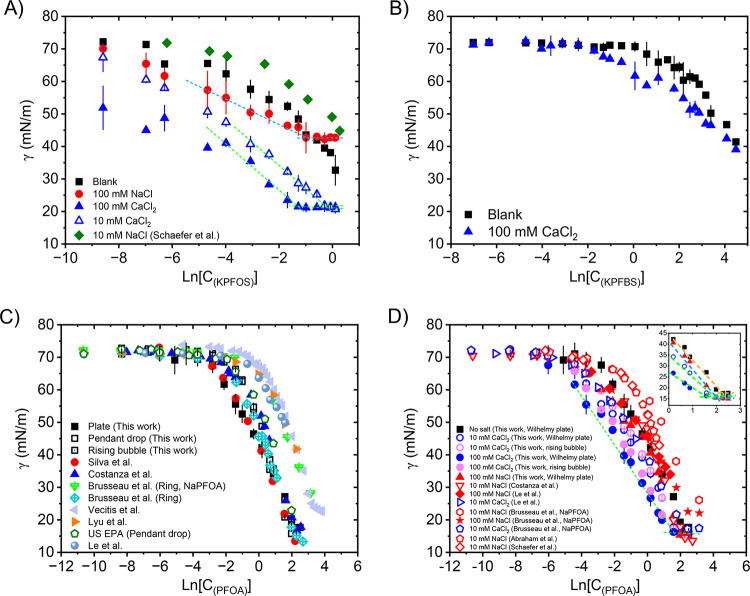 Figure 2
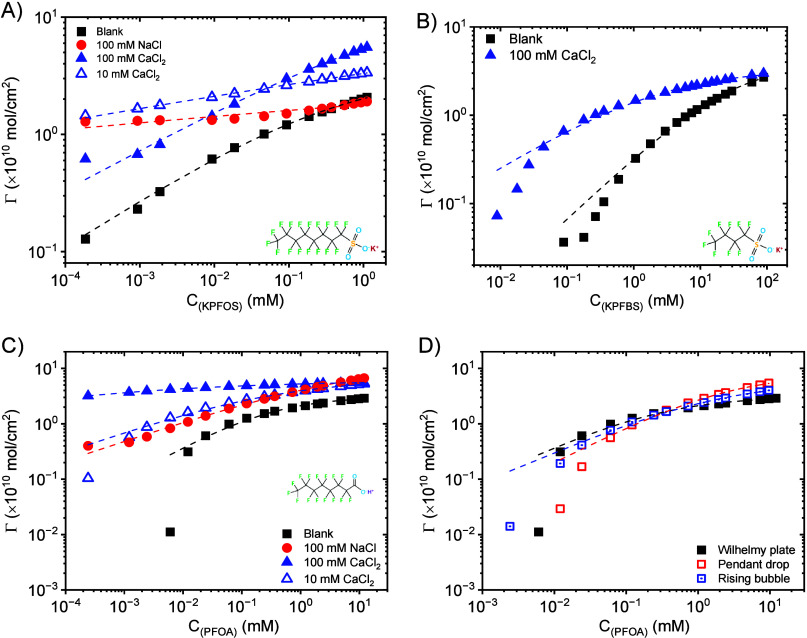 Figure 3
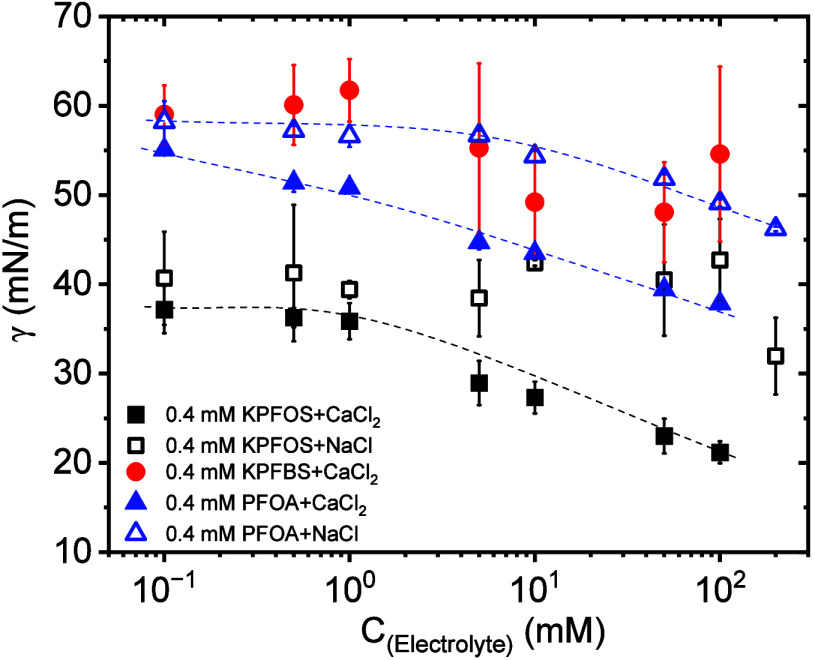 Figure 4
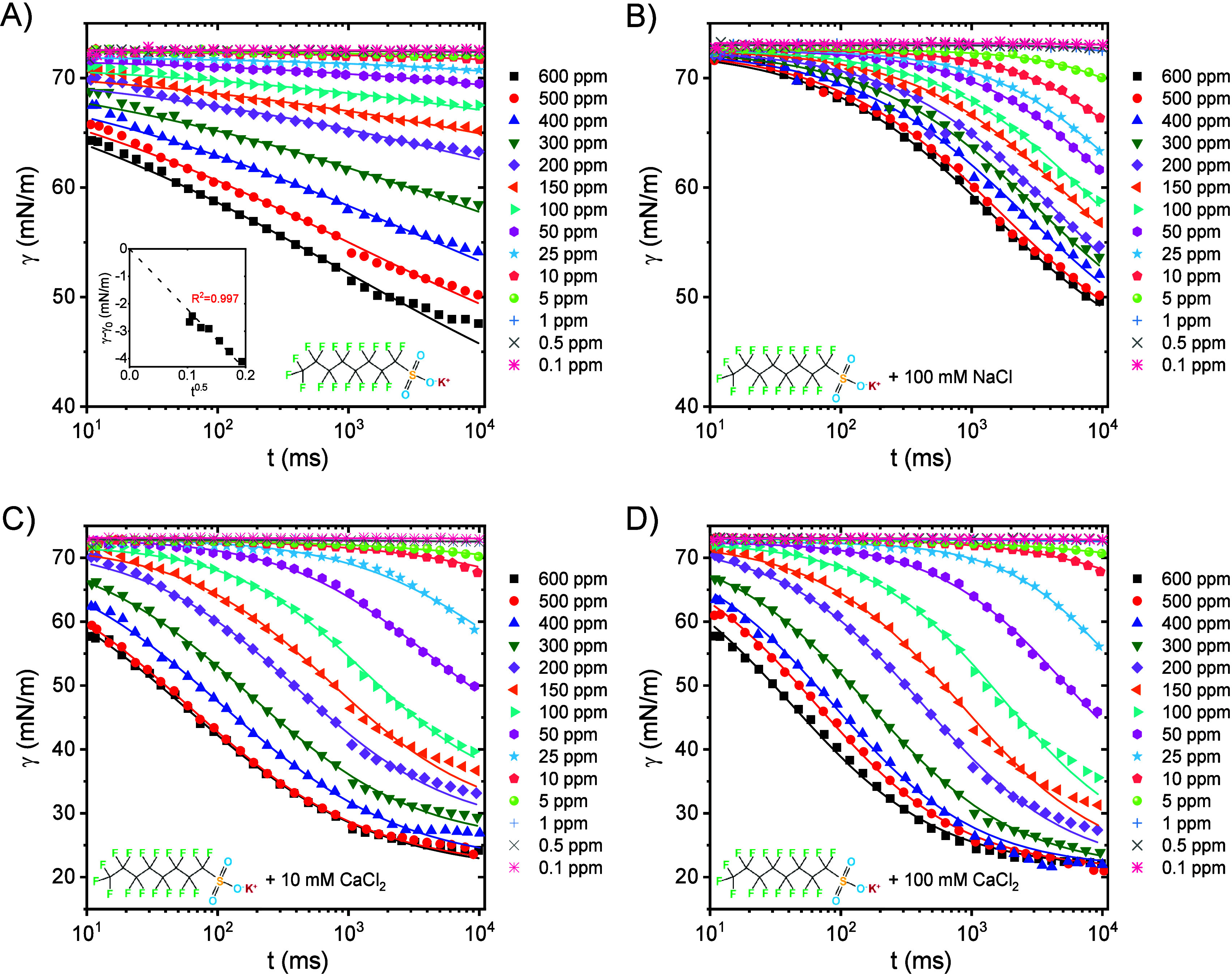 Figure 5
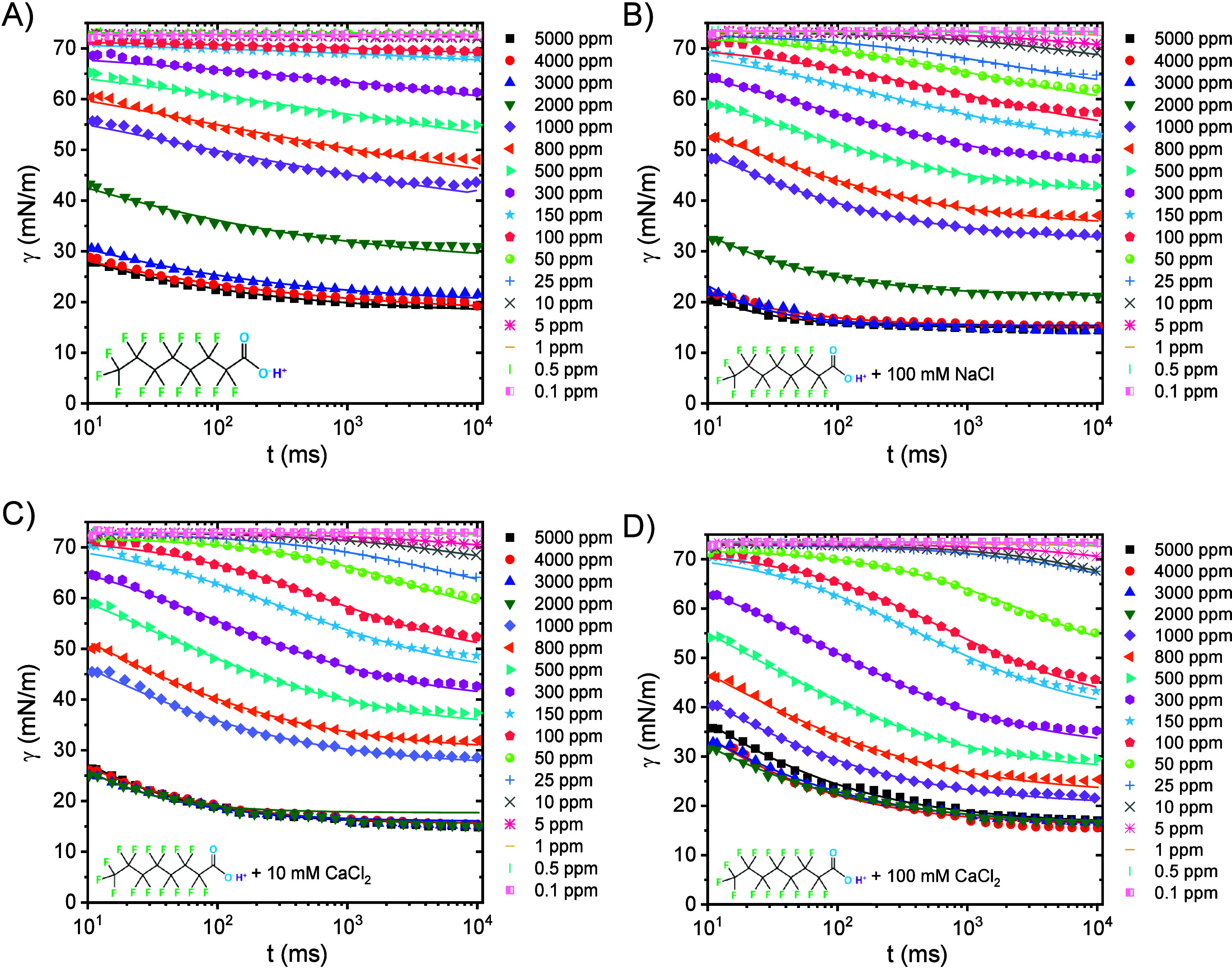 Figure 6
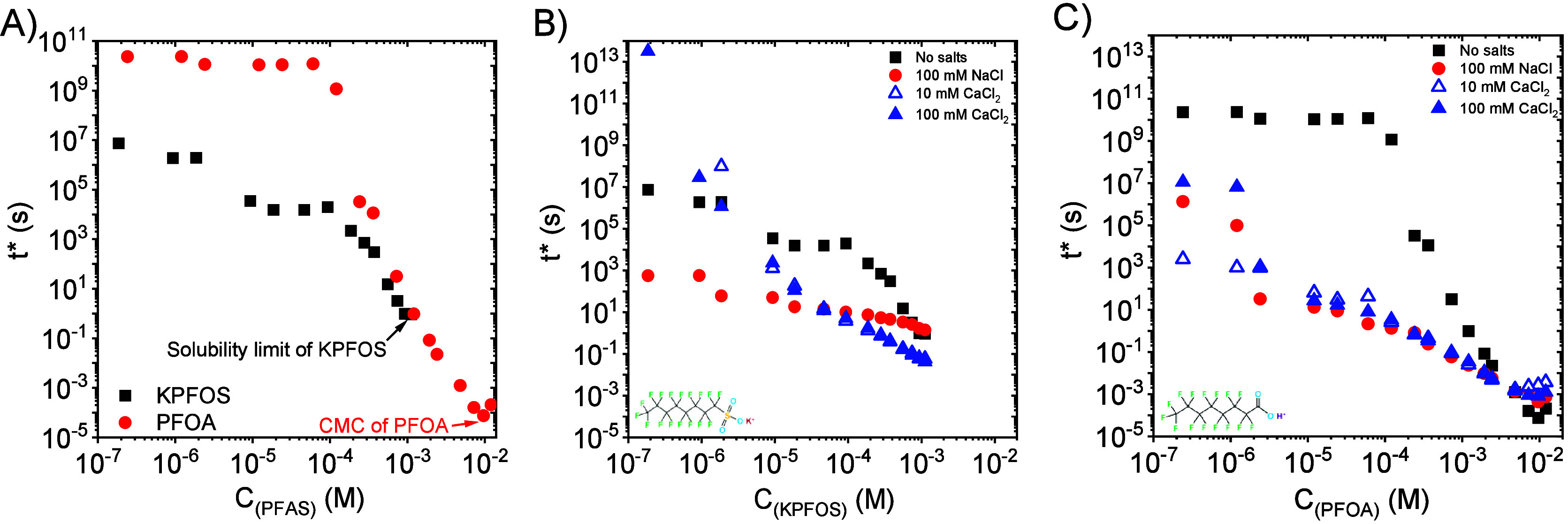 Figure 7
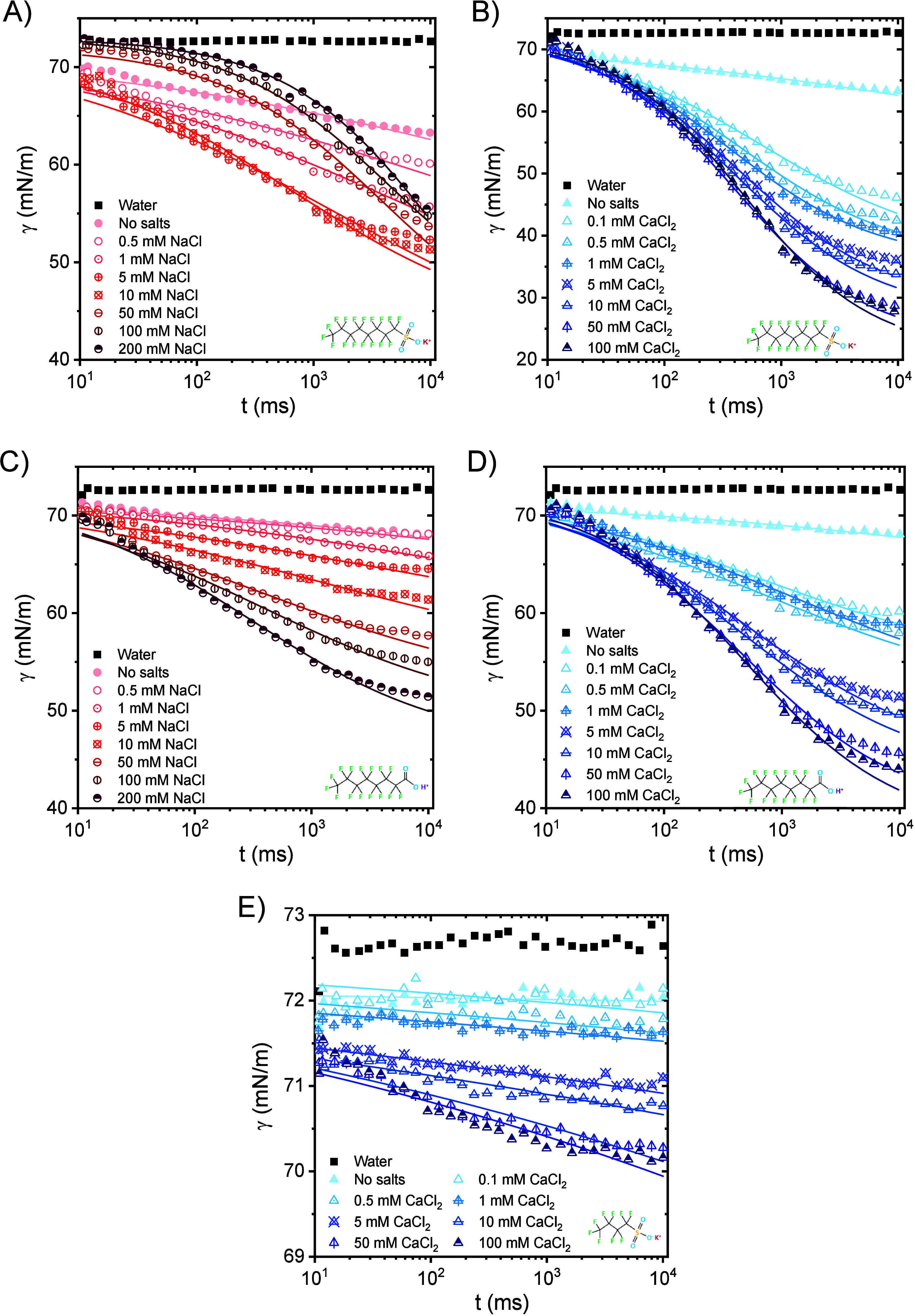 Figure 8
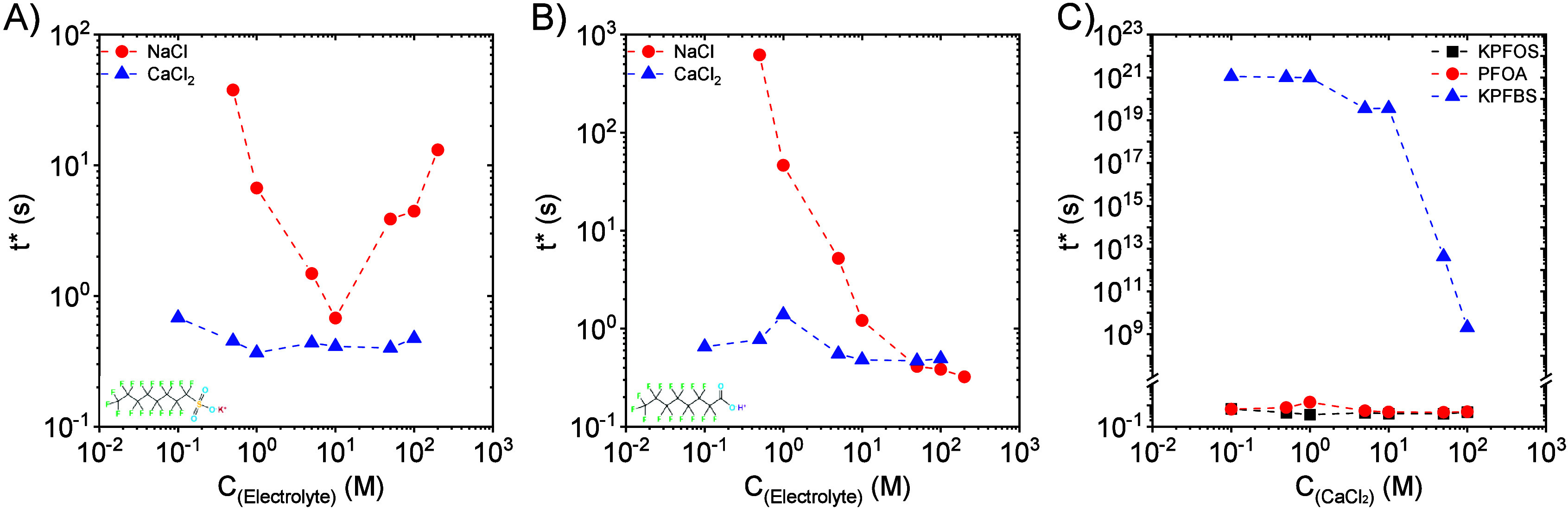 Figure 9
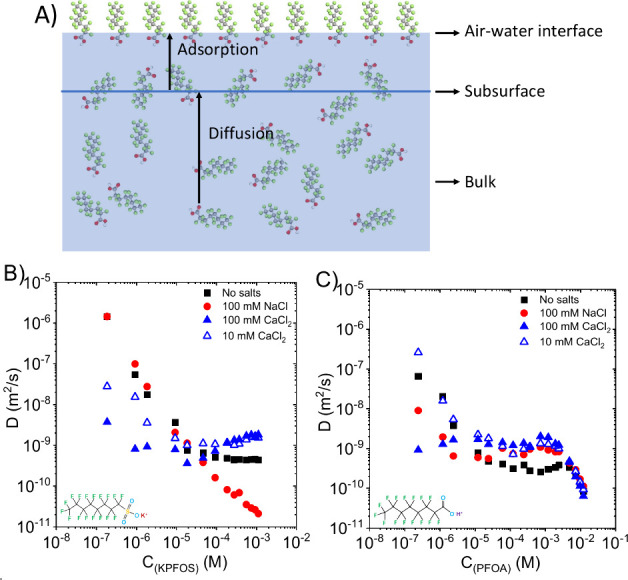 Figure 10
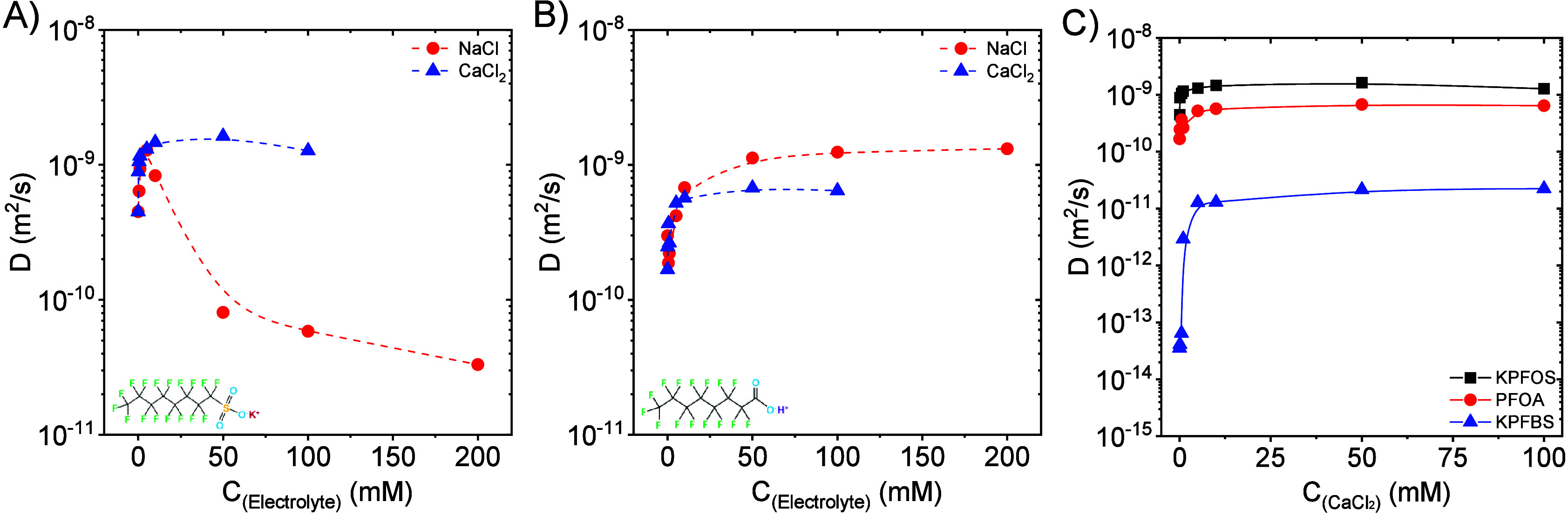 Figure 11
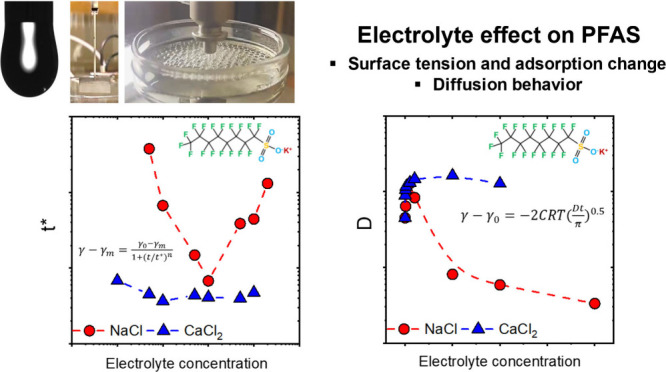 Figure 12
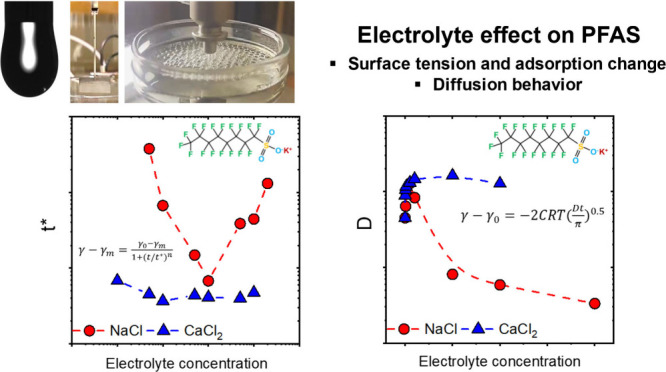 Figure 13
 Figure 14
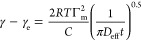 Figure 15
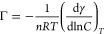 Figure 16
 Figure 17
 Figure 18
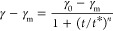 Figure 19
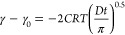 Figure 20
Peer Reviews
No public reviews on file for this paper yet. If you reviewed it on a platform where reviews are public (OpenReview, ICLR, NeurIPS, ICML), you can paste yours below so the community can read it here.
Videos
No videos yet. Explain this paper in a talk, walkthrough, or lecture? Add one.
Taxonomy
TopicsPer- and polyfluoroalkyl substances research · Toxic Organic Pollutants Impact · Surfactants and Colloidal Systems