Prediction, syntax and semantic grounding in the brain and large language models
Nikola Kölbl, Stefan Rampp, Martin Kaltenhäuser, Konstantin Tziridis, Andreas Maier, Thomas Kinfe, Ricardo Chavarriaga, Patrick Krauss, Achim Schilling

TL;DR
The study explores how the brain processes language by combining brain imaging with a large language model to understand how syntax and meaning are anticipated during natural speech.
Contribution
The novel contribution is using combined EEG-MEG and a transformer-based language model to investigate word-class-specific neural responses during naturalistic language comprehension.
Findings
Neural responses for different word classes showed reproducible spatio-temporal patterns with pre-onset activity for nouns.
Nouns showed enhanced anticipatory processing and deeper semantic grounding in sensorimotor cortices compared to verbs.
The transformer-based model Llama provided a computational reference frame that complements neural findings at the word-class level.
Abstract
Language comprehension involves continuous anticipation of upcoming linguistic input, requiring the rapid integration of syntactic structure and semantic information. To capture the spatio-temporal dynamics of such anticipatory processes during naturalistic language comprehension, we combined electroencephalography (EEG) and magnetoencephalography (MEG), leveraging their complementary sensitivities and high temporal resolution. Using this combined EEG-MEG approach, we investigated word-class-specific neural responses during continuous speech perception and related these findings to word class-level predictability and representational structure in a large language model. Twenty-nine healthy participants listened to a German audio book while their neural responses were recorded. Event-related fields and event-related potentials for different word classes showed highly reproducible,…
Genes, proteins, chemicals, diseases, species, mutations and cell lines named across the full text — each resolved to its canonical identifier and authoritative record.
Click any figure to enlarge with its caption.
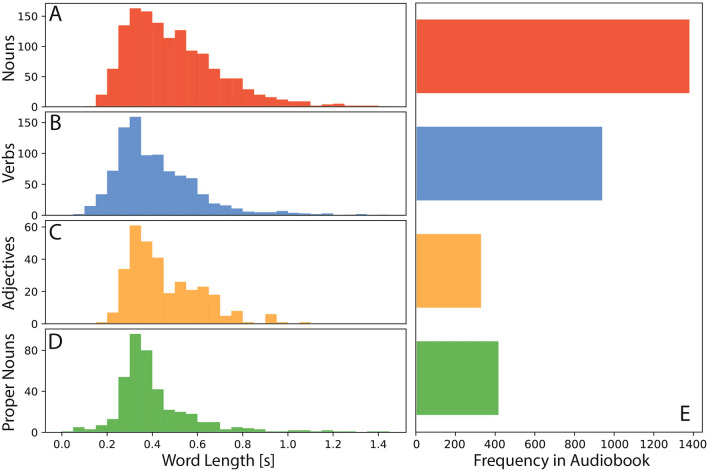 Figure 1
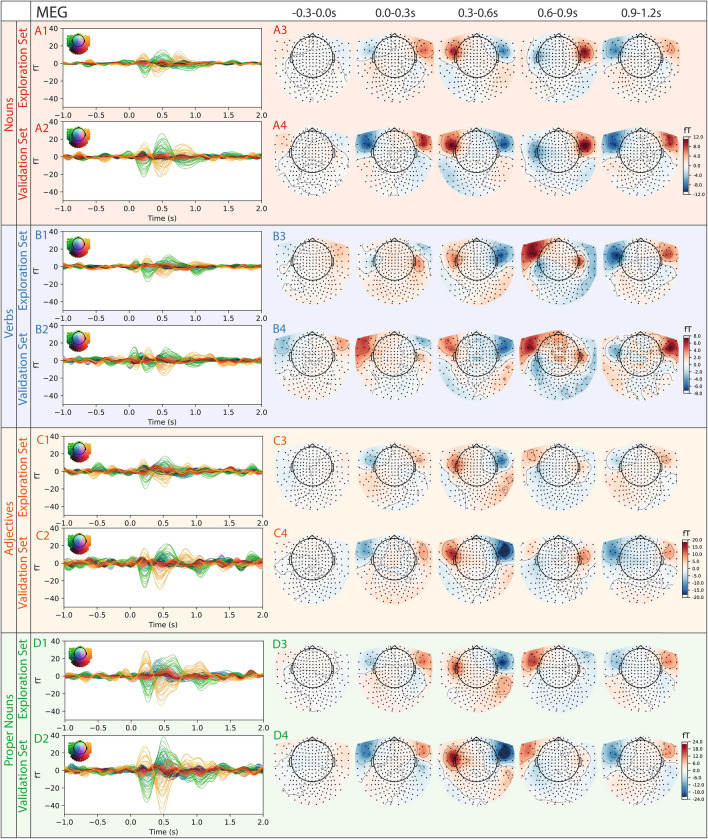 Figure 2
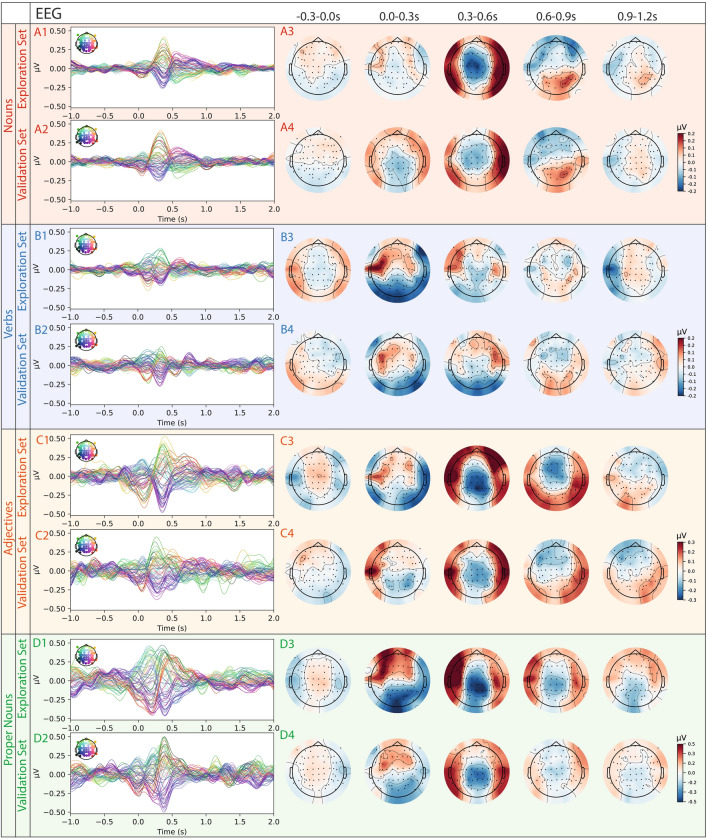 Figure 3
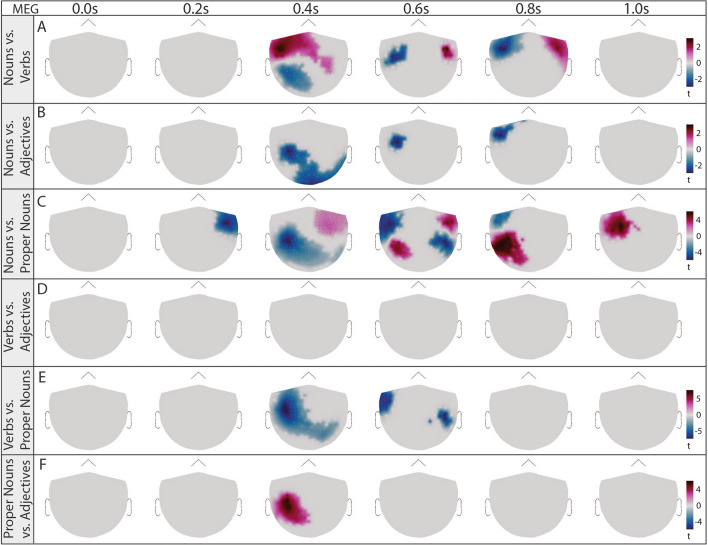 Figure 4
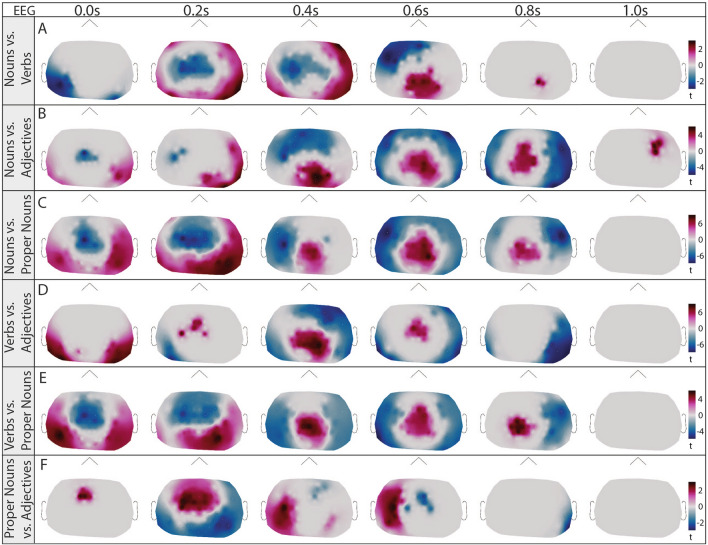 Figure 5
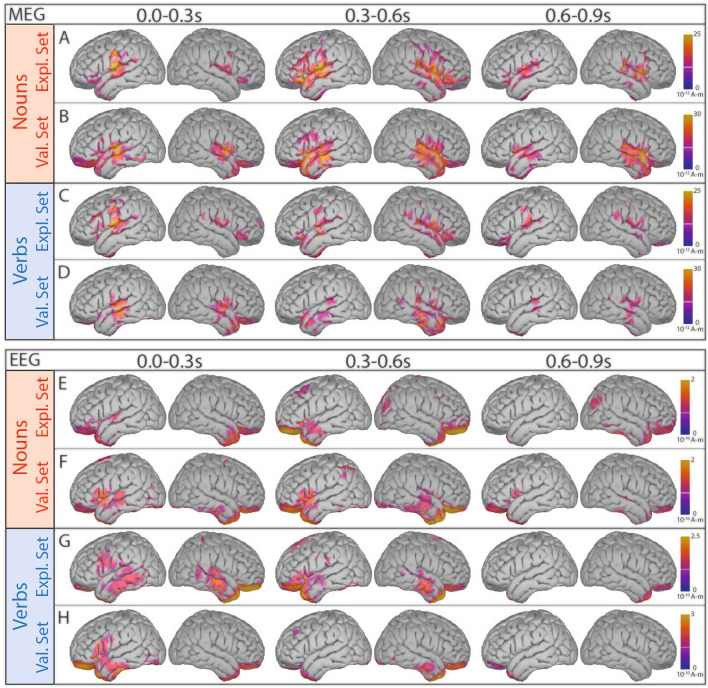 Figure 6
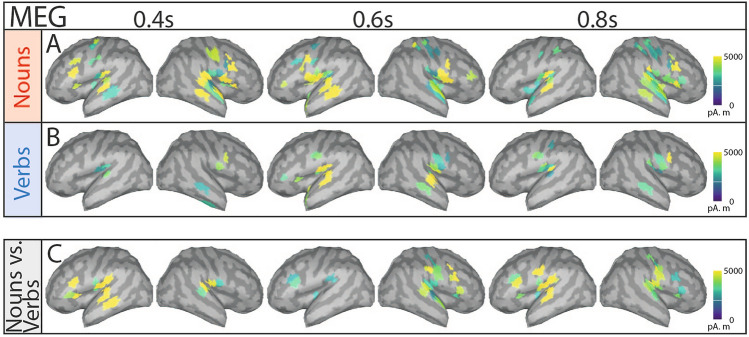 Figure 7
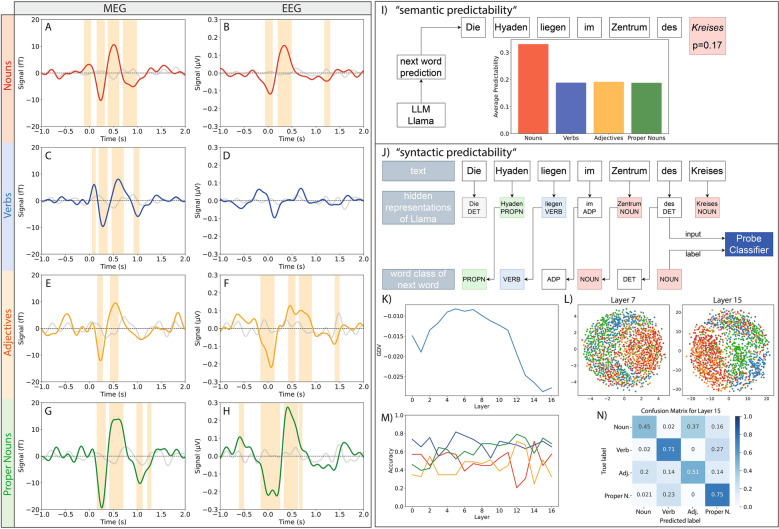 Figure 8
- —Universitätsklinikum Erlangen (8546)
Peer Reviews
No public reviews on file for this paper yet. If you reviewed it on a platform where reviews are public (OpenReview, ICLR, NeurIPS, ICML), you can paste yours below so the community can read it here.
Videos
No videos yet. Explain this paper in a talk, walkthrough, or lecture? Add one.
Taxonomy
TopicsNeurobiology of Language and Bilingualism · Neuroscience and Music Perception · Action Observation and Synchronization
Introduction
Emerging from cutting-edge AI research, large language models (LLMs) such as GPT4o and Llama have revolutionized the way we interact with machines, surprising users with their human-like responses^1–4^. These models rely almost entirely on predictive processes to generate language^5,6^, enabling them to approach - or even surpass - the Turing-Test with unprecedented proficiency^7,8^.
The human brain, too, is not a passive receiver, but an active “prediction machine”, constantly anticipating upcoming words and events^9–11^. Language - perhaps the most central of all human capacities - underpins our culture, society, science, and collective progress^12,13^. Understanding the neural mechanisms that generate such linguistic predictions can provide insights for casting light on the very foundations of human communication and cognition.
Despite significant progress in uncovering the neural basis of language, it remains largely elusive how the brain stores and processes grammar and grammatical structures^14,15^ - do they emerge through predictive use, or are they innately pre-specified? Despite our increasingly deep understanding of these predictive processes, questions about how different grammatical frameworks are represented, stored, and ultimately learned continue to fuel a vigorous debate^16,17^.
Currently, two prominent schools of thought - Chomsky’s theory of universal grammar^18,19^ and the usage-based cognitive linguistics approach^20–23^ - offer competing explanations of how grammatical structures are acquired and represented in the brain. Chomsky’s theory of universal grammar posits that humans possess an innate, biologically determined language ability that enables rapid identification of word categories, such as nouns and verbs, and thus facilitates language acquisition in children^18,19,24^. In contrast, cognitive linguistics emphasizes a deep interplay between language structure and language use, suggesting that grammar emerges as a dynamic system shaped by contextual processing and mental representations^20–23^.
Moreover, syntax directly shapes meaning, as, e.g., the position of a word in a sentence can change the semantic content of the whole sentence^25^ - a fact that is taken into account in LLMs by the positional encoding method (see e.g.,^26,4^). Thus, if language indeed represents the fundamental ability required for the development of general intelligence, chain-of-thought reasoning and abstract cognition, and if grammar naturally emerges through language usage – thereby aligning brain mechanisms with patterns observed in deep neural networks – this raises the critical question: can LLMs trained solely on next-word prediction evolve into artificial general intelligence (AGI)^27^?
According to the “symbol grounding problem”^28,29^, this is very unlikely, as the meaning of words these neural networks manipulate is not grounded in the real world. Therefore, to better understand how these mechanisms work in the human brain and how they could be adapted for artificial intelligence, syntax processing and semantic grounding should not be regarded in isolation^30^.
Resolving these long-standing issues will likely require a two-pronged strategy: on the theoretical front, using cutting-edge machine learning algorithms as computational models of brain function^31–33,12,34–37^, and on the empirical side, conducting precise neuroscience measurements with high temporal resolution (e.g., using EEG, MEG techniques) to study the neural correlates of language processing^39–43^.
From the theoretical side, we have already started to tackle this problem in a previous study by training a small five-layered brain-constrained recurrent language model on next-word prediction^44^. By examining the hidden representations of this model after training, we observed the spontaneous emergence of distinct clusters of activation in the internal feature space corresponding to specific word types^44^. This suggests that even a relatively simple neural network trained only on next-word prediction can spontaneously internalize basic grammatical structures. Hence, it seems plausible that the human brain, with its approximately 100 billion neurons, could accomplish this feat through continuous language-based prediction alone^45,46,44^.
However, syntax is not equivalent to semantics, and a purely computational account remains incomplete without empirical validation from experimental neuroscience, underscoring the need for direct measurements of how the human brain encodes and processes grammatical structures. Furthermore, it is necessary to move from simple neural networks as described above to state-of-the-art cognitive models, which are already able to solve complex cognitive and reasoning tasks such as LLMs^47,34,48^.
Therefore, we performed combined MEG/EEG measurements on the one hand and compared the neuronal patterns found to the patterns observed in the Meta’s Llama 3.2 LLM^49,26,4^.
Up to now, much of our understanding of language processing in the brain has come from neuroimaging studies that rely on carefully controlled, often simplified linguistic stimuli - such as single words, isolated sentences, or short phrases^50,51^. Although these paradigms allow researchers to pinpoint specific cognitive processes underlying comprehension, they fail to capture the dynamic complexity of natural language and can be heavily influenced by experimental design^52^. Consequently, findings from such controlled contexts do not always generalize to everyday language use^53^. In response, neurolinguistic research has increasingly adopted more realistic, continuous speech stimuli, including excerpts from audio-books, to better reflect real-world language processing^54,39,41–43^. Such more realistic, context-enriched stimuli offer a promising way to immerse participants in the complexities of naturalistic language processing^41^.
In the present study, we used a naturalistic continuous speech stimulus and performed combined EEG and MEG measurements to investigate neural responses to four different word classes - nouns, verbs, adjectives, and proper nouns. To this end, we presented the first 6.5 chapters of two stories from the German science fiction audio-book “Vakuum” by Phillip P. Peterson to 29 healthy, right-handed German native speakers, allowing us to capture brain responses in a fluid linguistic environment^40,41^. Inspired by recent practices aimed at improving reproducibility and internal replication in cognitive neuroscience, rather than model validation in the machine learning sense, we divided participants into exploration and validation cohorts, an approach that allowed for the explorative discovery of neural patterns associated with different word classes and their subsequent verification in an independent sample, thereby increasing the reliability and generalizability of our findings^40,55,41^.
By incorporating this strategy, we aimed to enhance the reproducibility of our findings – a core aim of the “replication movement” in cognitive neuroscience^56,57^. Finally, we also compared the recorded brain activity with outputs from the large language model LLama 3.2, probing for potential parallels in human and machine-based language processing. Rather than directly mapping model representations to neural signals using encoding or decoding models, the present study adopts a complementary approach: we analyze word class specific neural responses and compare them to word class-specific predictability and representational structure in the LLM.
Our analyses of event-related potentials (ERPs) and fields (ERFs), as well as spatio-temporal patterns in source space, reveal distinct processing profiles for different word classes from the earliest neural time windows. In particular, we observed significant pre-onset activity for nouns, suggesting heightened readiness for this word category.
Moreover, in a complementary analysis, we trained a linear probe neural network on the hidden states of Llama 3.2, revealing that nouns and adjectives are more easily predicted than verbs – an outcome that aligns with the pre-onset ERFs and ERPs signals observed in our data. We discuss our findings in the context of anticipatory frameworks in artificial neural networks, highlighting potential parallels between biological and computational approaches to language anticipation.
Material and methods
Participants
We recorded the neural responses of 29 participants (15 females, mean age 22.8 years, range 18-28 years) while they listened to an audio book. All participants were healthy, right-handed individuals (mean laterality quotient 85.4 ± 12.6^58^), German native speakers with normal hearing, and reported no history of neurological disorders or substance abuse. The study protocol was approved by the Ethics Committee of the University Hospital Erlangen (No: 22-361-2, PK). All participants provided written informed consent prior to their inclusion in the study and all experiments were performed in accordance with relevant guidelines and regulations.
Experimental design
As a natural language stimulus, we used about 50 minutes of the science fiction audio book “Vakuum” by Phillip P. Peterson (published by Argon Hörbuch, narrated by Uve Treschner). The text comprises several story-lines, two of which were selected for the experiment. The auditory stimulus was presented as continuous speech rather than as discrete trials. The audio book was divided into approximately seven-minute segments to structure the experiment and to allow for intermittent comprehension checks, but neural data were recorded continuously throughout each segment.
To ensure sustained attention, participants answered three single-choice questions about the preceding content after each chapter. Each question and its three response options (labeled A, B, and C) were presented on a screen positioned above the participant’s head via a mirror system. Participants read their selected answer aloud via an intercom system, and the responses were documented. Unless a participant requested a short break, the session continued immediately after the responses were given.
Simultaneous recordings of brain activity were obtained with a 248-channel magnetoencephalography (MEG) system (Magnes 3600WH, 4D-Neuroimaging) and a 64-channel electroencephalography (EEG) system (ANT Neuro), supplemented with electrooculogram (EOG) and electrocardiogram (ECG) measurements. To limit electromagnetic artifacts affecting the MEG sensors, sound was delivered through air tubes from loudspeakers placed outside a magnetically shielded chamber (see^41^). The sound level was individually adjusted for clarity and comfort. Throughout the measurement, participants lay still and focused on a fixation cross to minimize eye and muscle artifacts.
Data preparation
To improve the signal quality of both EEG and MEG datasets, we applied a standard pre-processing pipeline^59^ using the MNE software (version 1.8.0,^60^). First, we identified and interpolated faulty sensors and electrodes - those with flat (zero variance) or excessively noisy (high variance) amplitudes. Next, we applied a 1-20 Hz band-pass filter to constrain the analysis to a relevant frequency range and down-sampled the data to 200 Hz to decrease computational complexity. We then performed Independent Component Analysis (ICA) to remove artifacts. Specifically, in addition to discarding the first two independent components (ICs) with the highest variance, we eliminated any ICs, which correlated with the simultaneously recorded EOG or ECG channels, thereby mitigating eye movement and heartbeat artifact^39^.
To align and segment the continuous EEG and MEG recordings, we applied forced alignment (WebMAUS software^61^) to the audio files and corresponding transcripts, extracting precise onset times for each word in the audio book. Simultaneously with the audio playback, we routed the audio signal to a dedicated stimulus channel in the MEG acquisition device (trigger channel). Using this channel and the word-onset information, we then segmented the MEG and EEG data into epochs from 1.0 s before to 2.0 s after each word onset with baseline correction applied from –1.0 s to 0.0 s. Because the stimulus consisted of continuous natural speech, the selected baseline interval does not represent a resting baseline in the classical ERP sense. Instead, the -1.0 to 0.0 s window was chosen as a local reference interval to normalize signal amplitudes relative to the immediate linguistic context preceding each word. The relatively long baseline interval was selected to obtain a stable estimate of the ongoing neural activity in continuous speech, while averaging across multiple preceding words and reducing sensitivity to transient fluctuations associated with individual word onsets. We acknowledge that in continuous-speech paradigms, any baseline inevitably contains linguistic processing. Accordingly, baseline correction in this context should be interpreted as a normalization procedure rather than as a subtraction of task-unrelated activity.
Since our primary interest is in syntactic processing, we used the natural language processing software spaCy (model: “de_core_news_sm”) to assign part-of-speech (POS) tags to each word^62^. From these tags, we focused on four categories - nouns, verbs, adjectives, and proper nouns. Figure 1 illustrates both the distribution of word lengths across these categories and their respective frequencies in the audio book.
We further refined the word-type-specific event-related fields (ERFs) and event-related potentials (ERPs) by filtering them into the 1–4 Hz range using a one-pass, zero-phase finite impulse response (FIR) filter. We selected frequencies in the delta band to emphasize slow, event-related components that dominate language-evoked responses, such as N400- and P600-range activity, as well as slow anticipatory dynamics. This frequency range has been shown to capture the majority of variance associated with linguistic processing in continuous speech, while reducing high-frequency noise and non-phase-locked activity^63,64,15^. The analysis was not intended to investigate oscillatory activity, but to focus on slow evoked responses that are reliably observable across participants under naturalistic listening conditions. We acknowledge that this filtering limits sensitivity to faster oscillatory processes. However, these were outside the scope of the present study.
Before analyzing the data, we divided the participants into two independent cohorts for exploration (subjects 1–19) and validation (subjects 20–29) to identify word-type-specific patterns in the grand-average-ERFs and ERPs that would prove consistency across the two groups. The subject numbers reflect the chronological order in which recordings were done (exploration set: 13 females, mean age 22.1 years, range 18–27 years; validation set: 2 females, mean age 24.0 years, range 19–28). The division into exploration and validation cohorts was not intended for model training or parameter optimization. Instead, it served as an internal replication strategy to assess whether word class-specific spatio-temporal patterns emerge consistently across independent subsets of participants^41^. This approach aims to reduce the risk of over-interpreting sample-specific effects in naturalistic EEG/MEG data.Fig. 1. Distribution of word lengths for each word class. (A): Nouns, µ: 0.498 s, \documentclass[12pt]{minimal} \usepackage{amsmath} \usepackage{wasysym} \usepackage{amsfonts} \usepackage{amssymb} \usepackage{amsbsy} \usepackage{mathrsfs} \usepackage{upgreek} \setlength{\oddsidemargin}{-69pt} \begin{document}$$\sigma$$\end{document} : 0.220 s. (B): Verbs, µ: 0.420 s, \documentclass[12pt]{minimal} \usepackage{amsmath} \usepackage{wasysym} \usepackage{amsfonts} \usepackage{amssymb} \usepackage{amsbsy} \usepackage{mathrsfs} \usepackage{upgreek} \setlength{\oddsidemargin}{-69pt} \begin{document}$$\sigma$$\end{document} : 0.198 s. (C): Adjectives, µ: 0.457 s, \documentclass[12pt]{minimal} \usepackage{amsmath} \usepackage{wasysym} \usepackage{amsfonts} \usepackage{amssymb} \usepackage{amsbsy} \usepackage{mathrsfs} \usepackage{upgreek} \setlength{\oddsidemargin}{-69pt} \begin{document}$$\sigma$$\end{document} : 0.177 s. (D): Proper Nouns, µ: 0.427 s, \documentclass[12pt]{minimal} \usepackage{amsmath} \usepackage{wasysym} \usepackage{amsfonts} \usepackage{amssymb} \usepackage{amsbsy} \usepackage{mathrsfs} \usepackage{upgreek} \setlength{\oddsidemargin}{-69pt} \begin{document}$$\sigma$$\end{document} : 0.228 s. (E): Word-type frequency histogram in audio book. Nouns (red): 1376, Verbs (blue): 936, Adj (orange): 325, Proper Nouns (green): 413.
Source reconstruction
For source reconstruction and subsequent data analysis, we used the open-access Brainstorm software^65^, using the standard ICBM 152 anatomy from the MNI database as our head model^66^.
Prior to each EEG-MEG measurement, we used a Polhemus digitizer to record fiducial points (nasion, left and right preauricular points, inion, and Cz) and to map the contour of the participant’s head. These markers were then employed to refine the registration between the template MRI and the EEG-MEG sensors using an iterative alignment algorithm. For source modeling, we used the ’Overlapping Spheres’-method to create a cortical surface head model for the MEG data, and a Boundary Element Model (BEM) with OpenMEEG for the EEG data^67,68^. We estimated the noise covariance matrix from a one-minute silence recording made immediately before the audio book session for each participant. For source reconstruction, we applied minimum norm imaging (using the sLORETA measure) with constrained dipole orientations^69^.
We first performed source reconstructions on the averaged ERPs and ERFs for each participant, followed by a grand-average of these reconstructions across the exploration and validation datasets.
Statistical tests
To systematically assess differences in ERFs and ERPs, we performed a cluster-based paired t-test on all 29 subjects (two-tailed, 5,000 randomizations) employing the FieldTrip toolbox^70^ within the Brainstorm environment. This analysis used the averaged ERF/ERP data from each participant, spanning the -1.0 to 2.0 s window around word onset across all sensors and channels.
In sensor space (method timelockstatistics), we compared the 29 averaged ERFs/ERPs for nouns and verbs to identify significant differences. In source space (method sourcestatistics), we reconstructed word-type-specific ERFs for each participant and compared these averages with those derived from randomly selected time points matched for trial number. We then computed the mean activity within each of the 600 regions defined in the Schaefer2018 MNI parcellation^71,72^. For visualization, we generated a global source map illustrating the significant p-values (p < 0.05) across all parcellations, allowing clear identification of brain-regions with contributions to the significant differences.
We further examined potential anticipatory activity in the data by performing a paired permutation test across specific brain areas, comparing averaged noun and verb ERPs/ERFs to random time points in sensor space^73^. This two-tailed Wilcoxon signed-rank test (5,000 randomizations) was controlled for false detections across signal, time, and frequency dimensions (FDR correction). In the MEG data, we concentrated on left frontal channels (A229, A212, A178, A154, A126, A230, A213, A179, A155, A127, A177, A153, A125). In the EEG, analyses are focused on the left and right temporal channels (P11, TP7, TP9, M1, P12, TP8, TP10, M2).
Analysis of LLM LLaMa 3.2
We used the pre-trained multilingual large language model Llama-3.2-1B (version release date: September 25, 2024,^49^) as a computational platform, extracting hidden representations from both its embedding layer and each of its 16 transformer blocks using PyTorch^74^. Llama incorporates a rotary position encoding (RoPE) mechanism to capture token order, while its initially random embedding matrix was refined during pre-training, potentially encoding both semantic and syntactic cues^49,26,4^. The model has a vocabulary size of over 128 k tokens, can process sequences of up to 128 k tokens, and was trained on approximately 9 trillion tokens for next-token prediction^49^.
To gain further insights into the mechanisms underlying prediction-related readiness, we conducted two additional experiments utilizing the LLM Llama to explore the relationship between its internal representations and the neural signals observed in this study. This approach aims to shed light on whether - and how - artificial models replicate the brain’s ability to anticipate specific linguistic features, thereby refining our understanding of how both biological and computational systems manage predictive processing in language. Accordingly, our primary research question is whether expectation-related neural activity is more closely associated with the semantic context of the narrative – referred to here as “semantic prediction” – or whether it is more influenced by the knowledge of the preceding word’s grammatical category, defined here as “syntactic prediction.”
In the “semantic prediction”-experiment with Llama, we used the pre-trained Llama model and fed in chunks of the audio book with increasing length step-by step to the LLM, limiting the context to the 200 preceding words to reduce computational load. Each time, we used PyTorch’s softmax function^74^ to compute the probability of the actual next word. If a word was split into multiple subtokens, we averaged their probabilities. This approach allowed us to evaluate the model’s ability to predict individual words (see Fig. 8 I) based on the preceding text segments. Thus, we calculated a prediction probability for each individual word in the text. For instance, given the input “The Hyades lie in the center of the ...”, Llama predicted the next word in the text - “circle” - with a probability of 0.17 (see Fig. 8 I). We repeated this for all words in the audiobook and averaged the prediction probabilities based on the predicted word classes.
In the “syntactic prediction”-experiment, we fed the entire segment of the audio book as presented to participants into Llama at once and read out the hidden-representations of the transformer blocks (Fig. 8 J). We utilized hooks to capture the embeddings of tokens at several stages: after the embedding layer of Llama (layer 0) and following each decoder layer (layers 1-16). Without additional fine-tuning, we extracted the hidden representations for each word. In cases where words were split into subtokens, only the first embedding was stored as an approximation for the entire word. We then assessed how well these hidden representations clustered according to the grammatical class of the subsequent word and quantified this separability using the Generative Discrimination Value (GDV)^75^. To further analyze these embeddings, we trained a probe classifier to predict the grammatical class of the next word based on the current word’s embedding, i.e. we used the word class of the next word as label for the embedding input (Fig. 8 J). We employed a simple linear model architecture for probing comprising a linear layer (input dimension = 2048, hidden dimension = 512), a ReLU activation function, and a final linear layer (hidden dimension = 512, output dimension = 4). Given the highly imbalanced dataset, we sub-sampled all word classes to match the smallest category (325 for adjectives) and partitioned the data into training (70%), validation (15%), and test (15%) sets. This allowed us to assess the extent to which information about word classes is already encoded in the hidden representations, incorporating more complex non-linear relationships.
We emphasize that this comparison is conceptual rather than based on a direct mapping between model representations and neural time series.
Results
ERFs and ERPs in sensor space
Fig. 2. Grand average ERFs (MEG) in sensor space for different word types split into exploration (subject 1-19) and validation (subject 20–29) sets. Each colored trace represents the averaged ERF of a single MEG sensor across subjects. A1: Average nouns ERFs in exploration set with average topographic maps in five time frames (−.3–0.0 s, 0.0–0.3 s, 0.3–0.6 s, 0.6–0.9 s, 0.9–1.2 s) in A3. Topographic maps show sensor-level averages across subjects within the respective time window. A2: Average ERFs induced by nouns in validation set with corresponding average topographic maps in A4. B,C,D 1-4: Same analysis as for nouns, for verbs (B), adjectives (C), and proper nouns (D). Fig. 3. Grand average ERPs (EEG) in sensor space for different word types split into exploration (subject 1-19) and validation (subject 20-29) sets. Each colored trace represents the averaged ERP of a single EEG channel across subjects. A1: Average nouns ERPs in exploration set with average topographic maps in five time frames (−0.3–0.0 s, 0.0–0.3 s, 0.3–0.6 s, 0.6–0.9 s, 0.9–1.2 s) in A3. Topographic maps show sensor-level averages across subjects within the respective time window. A2: Average ERPs induced by nouns in validation set with corresponding average topographic maps in A4. B,C,D 1–4: Same analysis as for nouns, for verbs (B), adjectives (C), and proper nouns (D).
To ensure reproducibility, we split the recorded data into an exploration set (19 subjects) and a validation set (10 subjects) before analysis. We use the term “validation” to denote confirmation of effect stability across an independent participant subset, rather than validation of a trained model^41^. This allowed us to verify that observed temporal and spatial signals reflected word-type effects rather than artifacts or noise. Striking similarities in sensor-level MEG and EEG average responses between both sets confirmed the stability and robustness of these language-related signals. Furthermore, direct comparisons of ERFs and ERPs showed no significant differences between the exploration and validation datasets (see Fig. 2 for ERFs and Fig. 3 for ERPs), further confirming the reliability of our measures across participant groups.
The corresponding topographic maps generated from the MEG data, which emphasize the spatial distribution of the signal (see Fig. 2 A3/A4, B3/B4, C3/C4, D3/D4), also show strong concordance between the exploration and validation data sets for all four word types. In the time interval between 0.3 and 0.6 s after word onset, a robust signal pattern emerges across word types, characterized by left hemisphere positivity and right hemisphere negativity in frontal regions. This activity falls within the classical N400 time window, which is commonly associated with semantic integration processes^76^. In contrast, the subsequent 0.6-0.9 s window shows more word-type-specific differences and corresponds to the typical latency of the P600 wave, often linked to syntactic integration and reanalysis processes^77^. Visual inspection of the grand-average waveforms show an apparent ordering of amplitudes across word classes, with larger responses for proper nouns compared to adjectives, nouns, and verbs.
In analogy to MEG topographic maps, the EEG data also show strong similarity between the exploration and validation data sets across all word types (see Fig. 3 A3/A4, B3/B4, C3/C4, D3/D4). All word types, except verbs, show a comparable bilateral response in the time interval between 0.3-0.6 s after word onset, which then diverges in the following window. Again, proper nouns and adjectives show the largest amplitudes, while verbs exhibit the weakest. In contrast to the MEG findings, the EEG data signal amplitude is lower in the time interval between 0.6 and 0.9 s.
To estimate the signal-to-noise ratio of the actual signal, we compared the ERFs and ERPs with pseudo-ERFs/ERPs calculated from random time points (see Suppl. Fig. 1 for random time points, for word types ERFs/ERPs against baseline see Suppl. Fig. 2 and 3). We used cluster statistics to compare the spatio-temporal patterns between each word class pair (nouns vs. verbs, nouns vs. adjectives, nouns vs. proper nouns, verbs vs. adjectives, verbs vs. proper nouns, and proper nouns vs. adjectives) and identified significant distinctions in both sensor-level EEG and MEG data (see Fig. 4 for MEG, and Fig. 5 for EEG). In the EEG data, clusters were observable immediately at word onset for each comparison (0.0 s), providing a first indication for anticipatory activity (Fig. 5 A-F)^78^. In contrast, the MEG data revealed significant differences from 0.4 s post-onset for every contrastive analysis besides verbs vs. adjectives (Fig. 4 A-F).Fig. 4. Significant differences of spatial distribution of ERFs (topomaps) between all word classes (nouns, verbs, adjectives, proper nouns) based on cluster-based paired t-test (time interval: 0.0–1.0 s, shown time points: 0.0 s, 0.2 s, 0.4 s, 0.6 s, 0.8 s, 1.0 s). Significant clusters found in five investigations. A) nouns vs. verbs; blue: p=0.0012, red: p=0.0008, B) nouns vs. adjectives; blue: p=0.0080, C) nouns vs. proper nouns; red left hemisphere: p=0.0004, red right hemisphere: p=0.0296, blue: p=0.0004, E) verbs vs. proper nouns; blue: p=0.0004, F) proper nouns vs. adjectives; red: p=0.0210.Fig. 5. Significant differences of spatial distribution of ERPs (topomaps) between all word classes (nouns, verbs, adjectives, proper nouns) based on cluster-based paired t-test (time interval: 0.0-1.0 s, shown time points: 0.0 s, 0.2 s, 0.4 s, 0.6 s, 0.8 s, 1. s). A) nouns vs. verbs; blue: p=0.0004, red: p=0.0004. B) nouns vs. adjectives; blue: p=0.0004, red: p=0.0004. C) nouns vs. proper nouns; red: p=0.0004, blue: p=0.0004. D) verbs vs. adjectives; blue: p=0.0004, red: p=0.0004, E) verbs vs. proper nouns; red: p=0.0004, blue: p=0.0004. F) proper nouns vs. adjectives; red: p=0.0024, blue: p=0.0004.
Source space analysis
To map the neural activity to the exact brain regions we performed source space analysis. As the audio book contained far fewer adjectives (#325) and proper nouns (#413) than verbs (#936) and nouns (#1376), the resulting lower number of trials produced a poorer signal-to-noise ratio - particularly noticeable in the EEG data (see Fig. 3 C2). As a result, we focused on nouns and verbs in the subsequent statistical analyses. First, we visually verified the source-reconstructed ERFs and ERPs for both the exploration and validation data sets for nouns and verbs to ensure consistency and reliability in our spatial analyses (see Fig. 6 (A–D) for MEG and (E-H) for EEG, RMS amplitudes in intervals 0–0.3 s, 0.3–0.6 s, and 0.6–0.9 s). However, the relative sparseness of the EEG recordings (64 channels) compared to MEG recordings (248 sensors) limits the precision of the source reconstructions, leading to differences between exploration and validation datasets (cf. e.g., Fig. 6 E and F at 0 s–0.3 s). Consequently, we focused our source space analyses on the MEG data only, taking advantage of its superior spatial resolution to precisely localize brain activity associated with specific grammatical structures. MEG source space reconstructions showed high reproducibility between the exploration and validation datasets, identifying significant neural sources in the temporal lobes with a pronounced left lateralization during the 0-0.3 s interval (Fig. 6 0–0.3 s). In addition, sustained activity emerged in both hemispheres from 0.3 to 0.9 s after word onset, indicating a dynamic bilateral engagement of brain regions involved in grammatical processing. During this interval, noun processing elicited more spatially extended activity than verb processing (see Fig. 6 0.3-0.9 s A vs. C). To further identify the brain regions involved in processing different word types, we used cluster-based statistical analyses to contrast the source-space signals elicited by nouns and verbs with those derived from averaging responses at random time points.Fig. 6. Source reconstructed ERFs/ERPs in three time intervals (RMS amplitudes in intervals: 0.0-0.3 s, 0.3–0.6 s, 0.6–0.9 s). Grand average ERFs (MEG) of nouns for exploration (A, subjects 1–19) and validation data set (B, subjects 20–29). C-D: Source reconstructions for verbs. E-H: Source reconstruction for ERPs (EEG) for nouns (E-F) and verbs (G-H).
Most strikingly, in addition to frontal and temporal activations, noun processing was associated with significant clusters encompassing regions compatible with pre- and postcentral cortices at latencies beyond 0.6 s (see Fig. 7 A). In contrast, verbs predominantly activated clusters in areas of left and right subcentral gyri (see Fig. 7 B).
Thus, nouns and verbs engage distinct neural mechanisms, with nouns eliciting signals in regions above the auditory cortex around the motor cortex. This aligns with the embodied cognition framework, suggesting that language and sensory systems are interconnected^79,80^. Nouns may carry more meaning on average than verbs, though verb types vary in semantic richness, contrasting with Maess et al.’s claim that verbs hold more semantic information^81^. Additionally, verbs help predict upcoming nouns^82^, warranting further study to advance understanding of semantic grounding and embodied cognition.
Disentangling semantic and syntactic processing in the brain using continuous speech stimuli presents a difficult challenge. To gain a deeper understanding of these mechanisms, it is crucial to further investigate brain signals associated with prediction.Fig. 7. Significant differences of source space activity between nouns and baseline, verbs and baseline, and nouns and verbs based on cluster-based paired t-test (^70^) (shown time points: 0.4 s, 0.6 s, 0.8 s). Shown amplitudes is simulated MEG activity in pAm using the resulting t-values of significant regions (p<0.05). A: Noun-ERFs vs. random-time point ERFs (significant difference from baseline), B: Verb-ERFs vs. random time point ERFs and C) Noun-ERFs vs. verb-ERFs.
Prediction-related anticipatory mechanisms
To systematically investigate expectation-related signals in the brain, we next focused on the temporal dynamics of verb and noun processing. Accordingly, we returned to sensor space and performed paired permutation tests on the MEG data (Fig. 8 A, C, E, G), evaluating averaged signals from left frontal channels for each word type to determine whether significant activity emerged around 0 s. A corresponding analysis in the EEG data (see Fig. 8 B, D, F, H) targeted combined left and right temporal channels. In the EEG, nouns, adjectives, and proper nouns elicited a significant negative peak beginning before 0 s, whereas verbs showed no evidence of early anticipatory activity. The MEG data also revealed a significant peak around 0 s in left frontal channels for nouns, but not for the other word types, suggesting early predictive mechanisms specifically associated with this word class. To gain further insights into the mechanisms underlying prediction-related readiness, we conducted two additional experiments utilizing the LLM Llama to investigate the correspondence between its hidden representations and the neural signals observed in this study.
As result of the “semantic predictability”-experiment we found that the prediction probability for the next word is highest for the word class “noun”, and considerably lower for the other three word classes (see Fig. 8 I). However, in the EEG data the expectation-related signal is similarly high for nouns, adjectives, and proper nouns (see Fig. 8 B, F, H). Therefore, the underlying mechanisms in the brain might differ from those in the LLM.
In the second experiment - “syntactic predictability” - we calculated the separability of the hidden representations of Lama according to the word class of the next word (see Fig. 8 J). Analysis of the discrimination value shows that already in the embedding layer the word representations (embeddings) cluster according to the word classes of the subsequent words (see Fig. 8 K). Visualization of 2D projections of the embeddings are shown in Fig. 8 L. These embeddings should not contain much information on the context of the actual story, as the context is first added in the attention-heads of the LLM (^83,4^). The pre-training should already have added some information on the syntactic structure of sentences to the embeddings. Therefore, this experiment was developed to test the prediction on syntactic rules what we call the “syntactic prediction”. Note, however, that syntax and semantics are not strictly separable in LLMs and that this distinction used here as an approximation with the purpose to gain more insights in semantic and syntactic processing. We could show that across the transformer blocks the clustering of proper nouns considerably increases (see green dots in Fig. 8 L). Proper nouns are located and used similarly in sentences as nouns in general. However, the fact that proper nouns and nouns cannot be easily separated in the early transformer blocks compared to the later ones, indicates that this separability depends on the semantic content.
By using a probe classifier trained on the hidden representations we see that the (prediction-) classification accuracy does not change much across the transformer blocks. However, accuracy consistently increases exclusively for the proper nouns (see Fig. 8 M). This is likely due to the semantic content of the proper nouns. We analyzed the confusion matrix for the different word classes and found that adjectives and nouns are often confused (Fig. 8 N). This can potentially be because nouns and adjectives are used at similar positions in sentences in the german language. Thus, it is e.g., impossible to predict purely from syntactic considerations, how the sentence “We have picked up a ...” has to be completed and if the next word is a noun or an adjective. It is possible that the next word is a noun: “We have picked up a signal” or an adjective: “We have picked up a strong signal” (Fig. 8 N). An analysis of the audio book text confirms this, as 80% of all adjectives appear preceding nouns within sentences. Whether these findings are generalizable to other languages remains to be tested.
The fact that the prediction-related amplitudes of the ERPs are similar for nouns, proper-nouns and adjectives might indicate that simple syntactic rules are integrated in the temporal regions of the brain. In contrast, ERFs show greater differentiation between proper nouns and nouns, which may suggest that frontal brain regions integrate multi-model information with memory content - possibly indicating involvement in semantic processing.
We acknowledge that this represents only a preliminary step toward understanding syntactic and semantic processing by comparing LLMs and human brain activities. We present initial evidence suggesting that different transformer blocks may functionally correspond to distinct cortical regions, though further exploration is needed.Fig. 8. Prediction-related readiness in ERPs and ERFs and in the LLM Llama. A: Permutation-test (FDR corrected, nouns vs. baseline, red) (^73^) on ERFs averaged across left frontal channels (’A229’, ’A212’, ’A178’, ’A154’, ’A126’, ’A230’, ’A213’, ’A179’, ’A155’, ’A127’, ’A177’, ’A153’, ’A125’). C, E and F Verbs(blue)/Adjectives(orange)/Proper Nouns(green) against baseline for the same sensors as in A. B: Permutation-test (FDR corrected, nouns vs. baseline, red) on ERPs using average signal across temporal channels (’P12’, ’TP7’, ’TP9’, ’M1’, ’P11’, ’TP8’, ’TP10’, ’M2’). D, F, H: Verbs (blue)/ adjectives (orange)/ proper nouns (green) vs. baseline for same EEG sensors as B. Significant (p<0.05) time intervals marked in orange. I) “semantic predictability”: The probability for each word in the audio book was calculated using next word prediction with LLM Llama. Averaging the probabilities of all nouns, verbs, adjectives and proper nouns demonstrated that nouns are easiest to predict by semantic context. J) “Syntactic predictability” based on the hidden representations of Llama for each word embedding as input data and the word class of the next word as labels for training a linear probe classifiers. K) GDV scores of the representations for each layer show a first increasing and then decreasing curve with minimum at layer 15. MDS plots (L) display embeddings projected on 2 dimension for layer 7 (left) and layer 15 (right). (M) Accuracy of the probe classifier of each word class, and (N) confusion matrix of layer 15. The probe classifier shows performance above chance level. Verbs and proper nouns are clearly separated while adjectives and nouns show a significant overlap.
Discussion
Summary
In this study, we simultaneously recorded EEG and MEG data from 29 healthy German-speaking participants while they listened to an audio book, thus capturing neural responses to continuous naturalistic speech. After signal filtering and segmentation pre-processing, we computed event-related fields (ERFs) and event-related potentials (ERPs) for four word types - nouns, verbs, adjectives, and proper nouns - and performed both sensor- and source-level analyses to characterize the spatio-temporal dynamics of speech resp. language processing.
Although the N400 and P600 components are often discussed in the context of semantic or syntactic violations, it is well established that both components also occur during normal, predictable language processing and primarily reflect ongoing semantic and syntactic integration processes rather than categorical violation or surprisal per se^84–86^. Accordingly, in the present study predictability is not interpreted in terms of the presence or absence of N400- or P600-range activity, but rather as systematic modulation of their amplitude, temporal dynamics, and pre-onset characteristics across different word classes. Even highly predictable word classes, such as nouns, are therefore expected to elicit activity in the N400 and P600 time ranges, as these components index integrative processing mechanisms rather than exclusively responding to unexpected or anomalous input.
In the present study, we use the terms predictive and predictability in a broad sense to describe anticipatory neural activity occurring prior to word onset. Importantly, this usage should not be conflated with predictive coding in the strict computational framework of prediction error minimization, in which neural responses are interpreted as signaling mismatches between expected and observed input. The pre-onset effects observed in the present study do not reflect prediction error, but rather preparatory or readiness-related activity that may arise in strongly constrained linguistic contexts. Consequently, we refrain from interpreting these findings as evidence for prediction-error-based learning mechanisms in the sense proposed by Friston^87^. Instead, our results are more consistent with earlier accounts of semantic and syntactic readiness potentials, which capture anticipatory processes during language comprehension without necessarily implying violation or surprise.
Finally, we acknowledge that the observed pre-onset effects may reflect multiple interacting factors, including higher-level linguistic structure, contextual integration demands, and methodological aspects inherent to continuous-speech analysis. These effects should therefore be interpreted cautiously, as neural correlates of anticipatory processing rather than as direct markers of predictive coding in the strict computational sense.
Our main findings reveal characteristic spatio-temporal activation patterns for different word types, likely reflecting both syntactic and semantic processes. In source space, nouns elicited pronounced activation not only in temporal and frontal areas, but also in areas spatially consistent with sensorimotor regions, suggesting that they may carry a heavier semantic load^88^. Furthermore, we observed significant pre-onset activity exclusively for nouns and adjectives in both EEG and MEG, whereas no comparable anticipatory-related signals emerged for verbs. In the temporal-lobe-ERPs we also found significant pre-onset activity for proper nouns, whereas in the frontal-lobe-ERFs we found no activity before proper noun onset.
In addition, we performed a series of experiments with a LLM (Llama-3.2-3B) and compared the findings with the predictive neuronal data of MEG and EEG measurements.
Recent studies have successfully linked continuous neural signals to language model representations using temporal response functions (TRFs), enabling fine-grained encoding analyses across model layers and time lags^43,89^. These approaches address fundamentally different research questions than the present study. While TRF-based methods aim to directly predict neural activity from model-derived features, our focus lies on word-class-specific neural dynamics under naturalistic conditions and their conceptual relationship to predictability and representational structure in large language models. We therefore view both approaches as complementary rather than competing.
In our first experiment, we evaluated what we call “semantic prediction” of the pre-trained Llama-3.2-3B model by presenting it with progressively longer segments of audio book text to assess its ability to anticipate the subsequent word from the context. Across the dataset, nouns were predicted with a higher probability than other word classes. However, the fact that nouns are predicted far better than other word classes does not fit to what we see in the neuronal data and thus we did further experiments with Llama.
In our “syntactic prediction” experiment row, we fed an extended segment of the audio book into Llama-3.2-3B and extracted hidden representations from all 16 transformer blocks^49^. We then quantified the separability of these representations using the Generalized Discrimination Value (GDV) to find out how much predictory power is stored in the hidden representations of certain words. Our analyses showed that even at the embedding level, the model’s representations began to cluster by grammatical class, with this separation becoming more pronounced in later transformer blocks. In particular, proper nouns and nouns became increasingly distinct, suggesting that syntactic information is progressively integrated with semantic information throughout transformer blocks. As an extension of the syntactic prediction experiment, we trained a linear classifier (probe network,^90^) on Lama’s hidden representations to assess the extent to which information about upcoming word classes was encoded in non-linear relationships, which were already covered by the GDV analysis. These probe experiments revealed that prediction accuracy remained relatively stable across transformer blocks, with improved accuracy for proper nouns, suggesting that syntactic and semantic cues are progressively integrated during language processing in accordance to the results described above. Our findings suggest that the similar prediction-related ERP amplitudes (EEG) for nouns, adjectives and proper nouns in temporal regions indicate the integration of simple syntactic rules in analogy to the embedding layer of Llama. In contrast, the different ERF patterns (MEG) observed in frontal regions - particularly between proper nouns and nouns - suggest that these areas may integrate more complex multi-modal information into memory, likely reflecting semantic processing.
Activity in sensory and motor system as indication for semantic grounding
Our work explores the relationship between semantic grounding, multi-modal integration in language understanding, and our findings in the source space analysis. The activity patterns spatially consistent with pre- and postcentral areas evoked by nouns but not verbs may result from covert sensorimotor processes rather than overt motor behavior (Fig. 7). In our study, no motor tasks, visible motor cues, or tactile stimulation were provided, eliminating voluntary actions and mirror-related activity as potential sources of the motor cortex response^91–93^. Although participants were instructed to remain still-potentially suppressing movement-related signals-such suppression would likely manifest in a temporally uncorrelated manner^94^. Instead, the prominent effects extending into sensorimotor regions detected in the absence of explicit movement tasks could be explained by engagement in motor imagery (MI)^95,96^. Indeed, it has already been shown that the ventral precentral gyrus, related to tongue movement for speech production could be used for brain computer interfaces (BCIs) in a sense that a cursor could be moved just by imagining and mentally verbalizing the action^96^. Consistent with theories of embodied cognition, previous studies have shown that action-related language processing can evoke activity in motor regions as early as 200-400 ms post-stimulus^97,80,98^. These activations may stem from the heavier semantic load nouns carry relative to verbs, a distinction that should also shape the predictability of these word classes. Consequently, examining word-class-specific predictability could help disentangle the extent to which neural responses reflect semantic grounding in contrast to purely syntactic processes.
Methodological Limitations
The interpretation of source-space MEG results must be considered in light of the inherent limitations of inverse modeling. In particular, cluster-based permutation statistics identify spatio-temporal patterns of significant differences but do not allow for precise anatomical localization of neural generators^99^. Due to the ill-posed nature of the MEG inverse problem, spatially extended or overlapping sources may contribute to the observed effects. Importantly, regions showing activity patterns compatible with precentral and postcentral cortices are located in close proximity to auditory areas that are strongly engaged during continuous speech perception. As a consequence, spatial spread or source leakage from auditory cortex cannot be fully excluded and may contribute to the observed sensorimotor-compatible activations. Therefore, our source-space findings should be interpreted descriptively as indicating activity patterns consistent with sensorimotor involvement rather than as conclusive evidence for localized activation of specific somatomotor regions.
Future studies combining subject-specific anatomical models, higher-density recordings, or complementary imaging modalities will be required to further disentangle auditory, motor, and somatosensory contributions to word class-specific language processing.
Prediction of different word classes in the brain and LLMs
From the perspective of the Bayesian brain and especially of the free energy principles, the cognitive system continuously refines its internal model of language to minimize prediction error and surprise when anticipating the next word^100^. Thus, the brain continuously generates predictions about incoming sensory inputs, including the next word during language comprehension^101,10,78^. As Grisoni and coworkers have shown, before presenting a critical word, context-induced semantic predictions are reflected by a semantic readiness potential (SRP), which is the neural correlate of that prediction. However, this SRP is only present before words with high-constraint context^102,103^. To determine whether the expectation-related signal in our data is consistent with semantic readiness potentials observed in studies with less naturalistic stimuli, we relate word class-specific neural dynamics to word class-level predictability and representational structure derived from a large language model, without performing a direct mapping between model representations and neural signals. Our analyses show that the predictive signal in the brain seems to consist of two components: a syntactic readiness, which can be observed in temporal regions, and a semantic readiness potential, mainly located in frontal areas, consistently with previous reports^103^. These convergent findings are consistent with the Bayesian framework of the brain, suggesting that both neural and computational systems continually update their internal models by integrating prior expectations with incoming information. Taken together, this evidence highlights the presence of distinct but complementary predictive mechanisms underlying semantic and syntactic processing in language comprehension.
LLMs as complementary computational perspective
The question remains whether LLMs can serve as a valid model for understanding the human brain. Large language models are constructed as layered stacks of transformer blocks that operate via self-attention rather than explicit recurrent connections^104,26,4^, yet their repetitive structure - characterized by self-similarity and fractal organization being a universal principle in biological structures^105–107^- may serve as an analogue to the recurrent transmission of signals through the arcuate fasciculus. In the human brain, the arcuate fasciculus facilitates dynamic bidirectional communication between Broca’s and Wernicke’s areas, a pathway long proposed as the neural substrate for a universal innate grammar^16,108^. Although LLMs do not replicate the full complexity of biological recurrence, the iterative processing achieved by stacking transformer blocks appears to approximate the brain’s integration of syntactic and semantic cues. These observations suggest that the self-similar structure of the LLM may provide valuable insights into the neural strategies underlying anticipatory activity and integrative processing during language comprehension.
We emphasize that the present study does not establish a direct correspondence between LLM representations and neural activity. Instead, the LLM analyses serve as a computational reference that contextualizes word class-specific predictability and representational structure alongside the observed neural dynamics.
Conclusive remarks
Our study demonstrates that prediction-related readiness in language processing operates through both syntactic and semantic anticipation, as reflected in distinct pre-word onset activity captured by combined MEG and EEG recordings. To overcome the limitations of conventional averaging and low signal-to-noise ratios, future research in cognitive computational neuroscience should incorporate advanced single-trial analyses and deep learning techniques to improve word class classification and reveal underlying grammatical structures (see, e.g.,^109^). In addition, our results suggest that LLMs provide a computational framework that approximates human prediction-related readiness, with their stacked transformer blocks potentially mirroring the recurrent interactions between Broca’s and Wernicke’s areas via the arcuate fasciculus. The self-similar organization of these transformer architectures may reflect universal hierarchical principles of cognitive processing, shedding new light on the computational basis of linguistic prediction. The integration of neurophysiological data with advanced AI models provides a promising framework to disentangle the interplay between syntactic structure and semantic context in prediction-related readiness. The fusion of generative AI and neural data has the potential to refine cognitive computational neuroscience (CCN,^34^) and provide deeper insights into the hierarchical organization of language processing in biological and artificial systems. Ultimately, bridging neuroscience, AI and linguistic theory may not only reveal the cognitive mechanisms that govern human language, but also drive the development of artificial intelligence - bringing it closer to the way the human brain anticipates and processes language^110,11^.
Supplementary Information
Supplementary Information.
The reference list from the paper itself. Each links out to its DOI / PubMed record.
- 1Hugo Touvron et al. Llama: Open and efficient foundation language models. In: ar Xiv preprint ar Xiv:2302.13971 (2023).
- 2Ethan Ewer et al. ENTP: Encoder-only Next Token Prediction. In: ar Xiv preprint ar Xiv:2410.01600 (2024).
- 3Mengnan Qi et al. Is Next Token Prediction Sufficient for GPT? Exploration on Code Logic Comprehension. In: ar Xiv preprint ar Xiv:2404.08885 (2024).
- 4Moshe Bar. Predictions: a universal principle in the operation of the human brain. 2009.10.1098/rstb.2008.0321 PMC 266671819527998 · doi ↗ · pubmed ↗
- 5Achim Schilling and Patrick Krauss. The Bayesian brain: world models and conscious dimensions of auditory phantom perception. 2024.10.1152/jn.00263.202438958284 · doi ↗ · pubmed ↗
- 6Patrick Krauss et al. Analyzing Narrative Processing in Large Language Models (LL Ms): Using GPT 4 to test BERT. In: ar Xiv preprint ar Xiv:2405.02024 (2024).
- 7Hugo Touvron et al. Llama 2: Open foundation and fine-tuned chat models. In: ar Xiv preprint ar Xiv:2307.09288 (2023).
- 8Mathis Immertreu et al. Probing for Consciousness in Machines. In: ar Xiv preprint ar Xiv:2411.16262 (2024).10.3389/frai.2025.1610225 PMC 1240525040910115 · doi ↗ · pubmed ↗