Diagnostic Utility of PRAME and SOX10 Immunostaining for Vulvar Melanocytic Lesions
Kridtin Jarutatsanangkoon, Phitsinee Purngpiputtrakul, Suchanan Hanamornroongruang, Vuthinun Achariyapota, Panitta Sitthinamsuwan

TL;DR
This study evaluates SOX10 and PRAME as diagnostic markers for vulvar melanoma and benign melanocytic lesions, finding that PRAME is highly specific for melanoma.
Contribution
The study demonstrates that PRAME has 100% specificity for diagnosing vulvar melanoma, distinguishing it from benign lesions.
Findings
SOX10 was positive in all vulvar melanoma and benign lesion cases but lacked specificity.
PRAME was positive in 78% of vulvar melanoma cases and negative in all benign lesions, showing 100% specificity.
PRAME is proposed as a valuable adjunct marker for diagnosing vulvar melanoma.
Abstract
Background: Vulvar melanoma (VM) is a rare type of malignant melanoma. Clinical presentations typically show mass or bleeding. Benign melanocytic lesions of the vulva include genital lentigines and genital melanocytic nevus. SOX10 is a marker commonly used in melanocytic lesions, and the preferentially expressed antigen in melanoma (PRAME) is a recent marker that shows high specificity for malignant melanoma. Objectives: The study is to evaluate the histopathology and immunohistochemistry of SOX10 and PRAME in VM and benign vulvar melanocytic lesions (genital lentigine and genital melanocytic nevus). Materials and methods: All cases of VM and benign vulvar melanocytic lesions were recruited. Clinical and pathological data were reviewed. SOX10 and PRAME immunohistochemistry were performed and compared between VM and benign vulvar melanocytic lesions. Results: Of the total nine cases…
Genes, proteins, chemicals, diseases, species, mutations and cell lines named across the full text — each resolved to its canonical identifier and authoritative record.
Click any figure to enlarge with its caption.
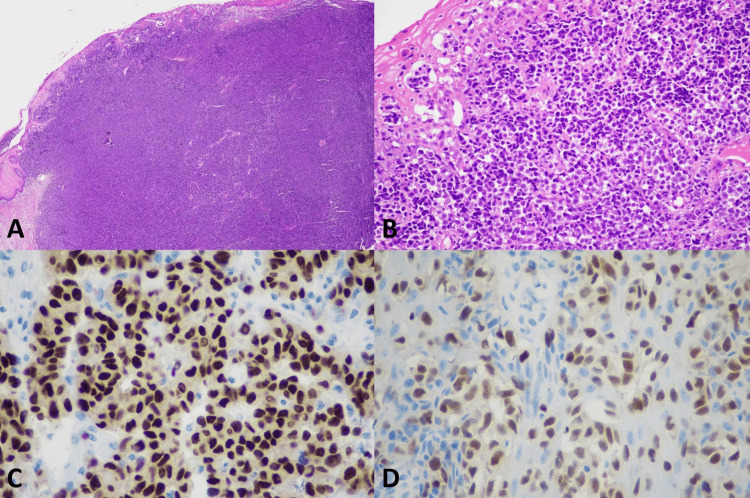 Figure 1
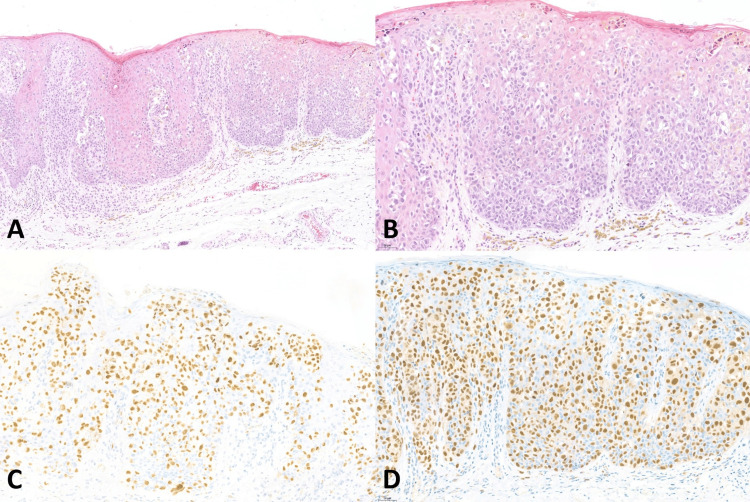 Figure 2
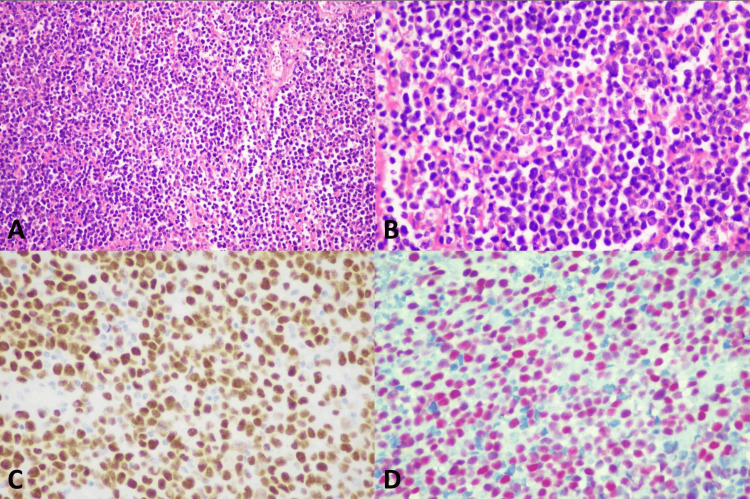 Figure 3
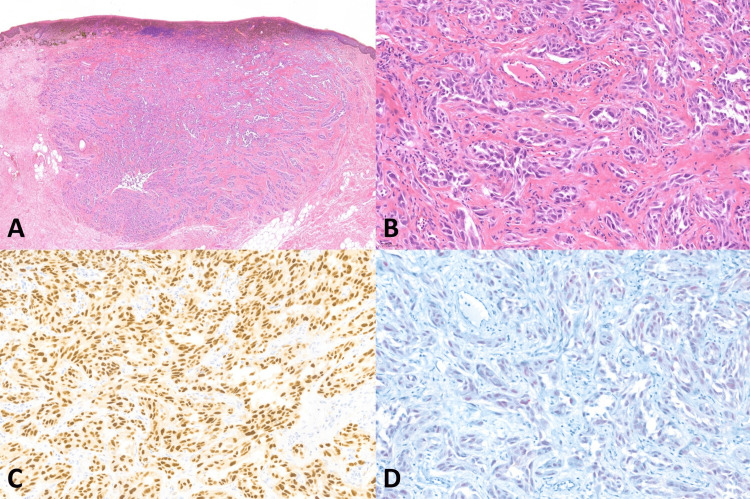 Figure 4
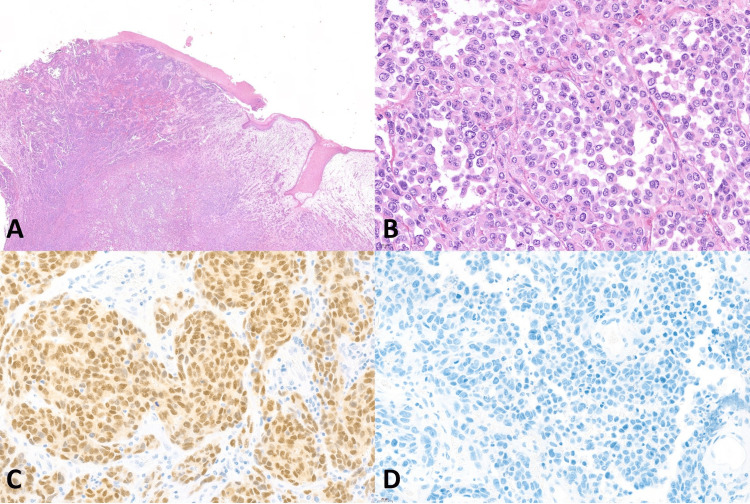 Figure 5
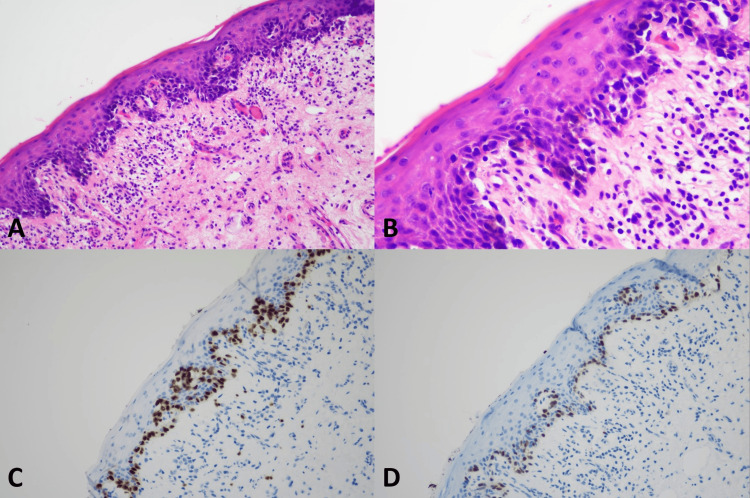 Figure 6
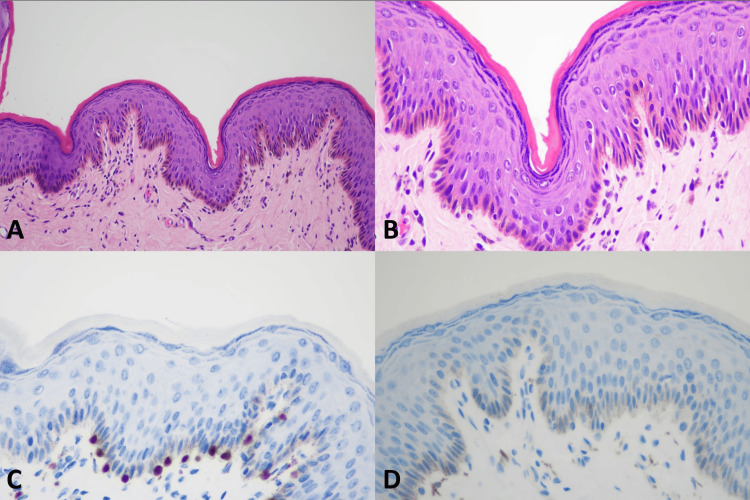 Figure 7
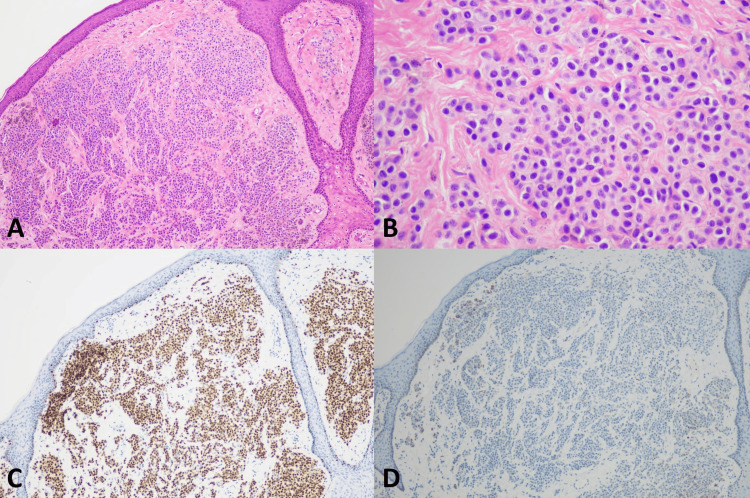 Figure 8
Peer Reviews
No public reviews on file for this paper yet. If you reviewed it on a platform where reviews are public (OpenReview, ICLR, NeurIPS, ICML), you can paste yours below so the community can read it here.
Videos
No videos yet. Explain this paper in a talk, walkthrough, or lecture? Add one.
Taxonomy
TopicsCutaneous Melanoma Detection and Management · Cancer and biochemical research · Cancer Research and Treatment