Effectiveness of Virtual Reality–Based Early Rehabilitation Strategies on Pain, Sleep, Anxiety, Balance, Cognition, and Limb Motor Function in Adult Intensive Care Unit Patients: Systematic Review and Meta-Analysis of Randomized Controlled Trials
Fei Wu, Yunting Wu, Yana Xing, Weixin Cai, Ran Zhang

TL;DR
This study reviews evidence that virtual reality-based early rehabilitation in ICU patients may help with anxiety, sleep, balance, and motor function, but more research is needed due to low certainty.
Contribution
The paper provides a systematic review and meta-analysis of VR-based early rehabilitation in ICU patients, highlighting its potential and limitations.
Findings
VR-ERI showed potential trends in improving ICU anxiety and subjective sleep quality, though with very low certainty.
Follow-up results suggested improved balance and motor function with moderate to low certainty.
No significant effects were found for objective sleep measures or ICU pain, and safety data were limited.
Abstract
Early rehabilitation is vital for functional recovery in critically ill patients. Virtual reality–based early rehabilitation intervention (VR-ERI) is an emerging strategy, but evidence on its feasibility, safety, and efficacy remains inconsistent and unsynthesized. We synthesized evidence from randomized controlled trials (RCTs) on the feasibility and safety of VR-ERI in adult critically ill patients and evaluated its effects on functional outcomes during intensive care unit (ICU) stay and at short-term follow-up (≤3 months post ICU). Following PRISMA (Preferred Reporting Items for Systematic Reviews and Meta-Analyses) 2020 guidelines, we searched 10 databases (eg, PubMed, Web of Science, Cochrane Library, and Embase) from inception to October 5, 2025, for Chinese and English publications. We included RCTs comparing VR-ERI with control measures initiated early (within 72 h of ICU…
Genes, proteins, chemicals, diseases, species, mutations and cell lines named across the full text — each resolved to its canonical identifier and authoritative record.
Click any figure to enlarge with its caption.
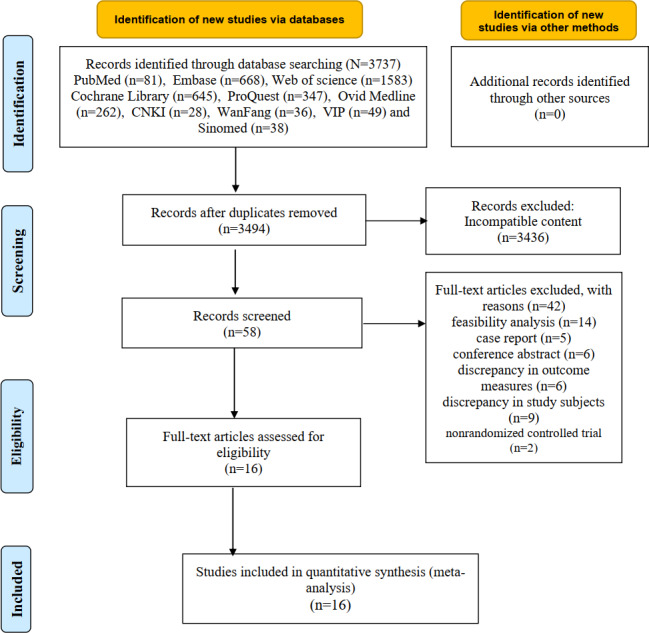 Figure 1
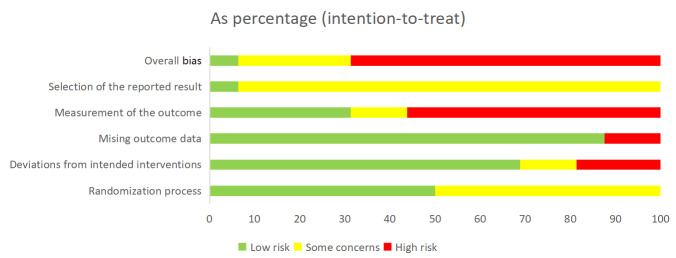 Figure 2
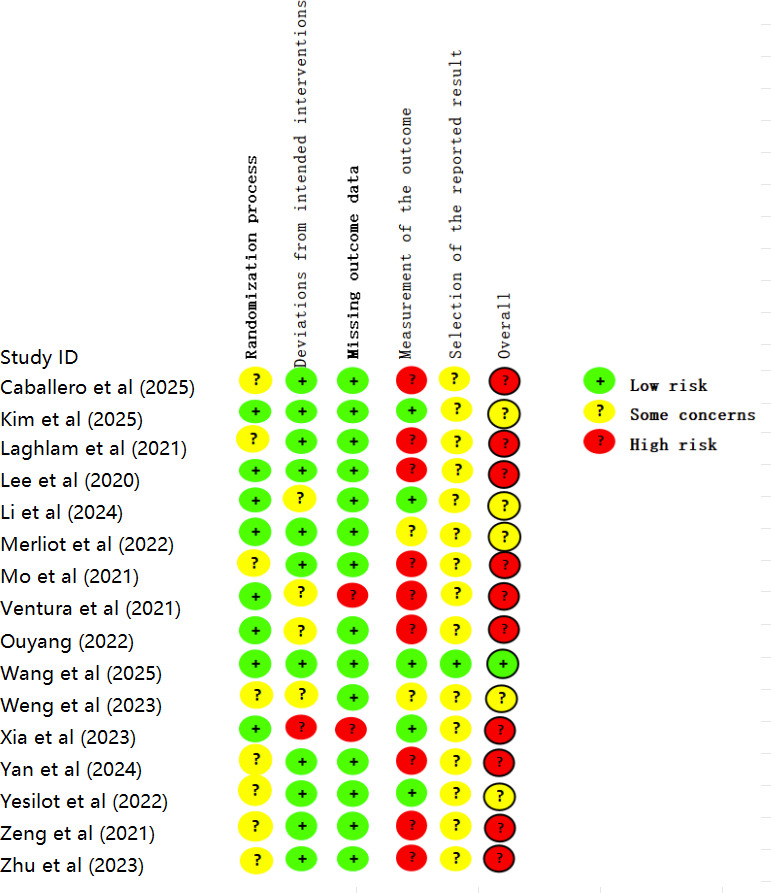 Figure 3
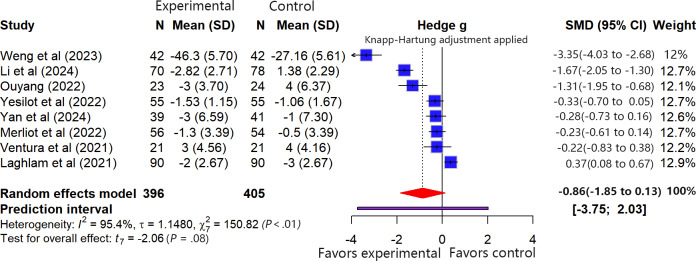 Figure 4
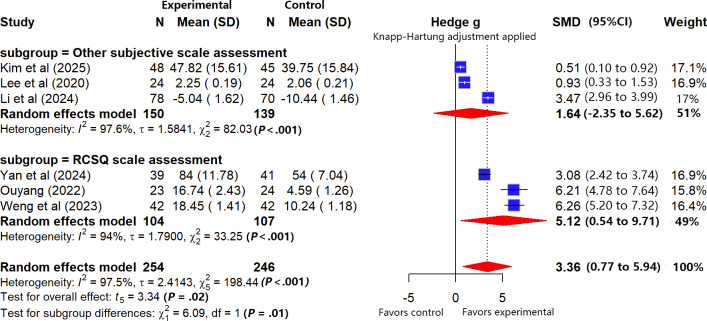 Figure 5
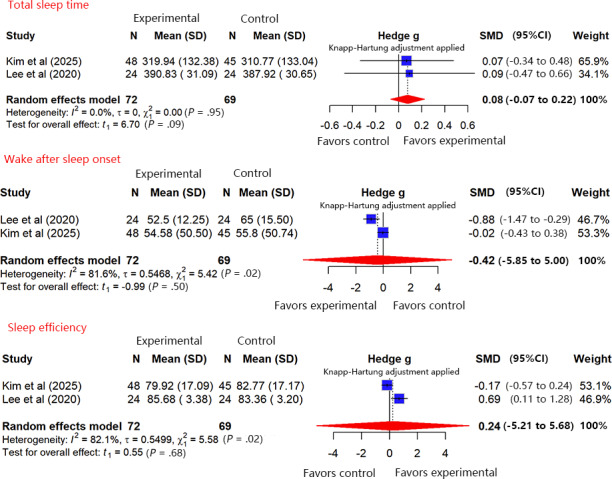 Figure 6
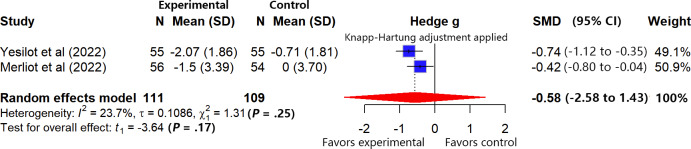 Figure 7
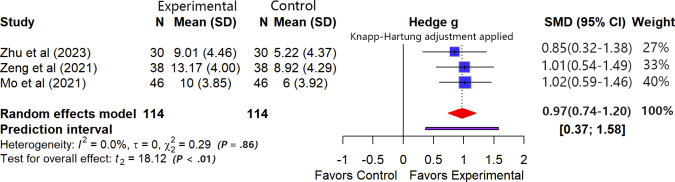 Figure 8
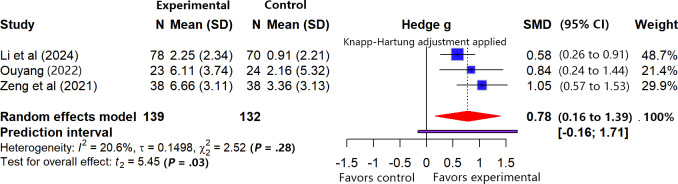 Figure 9
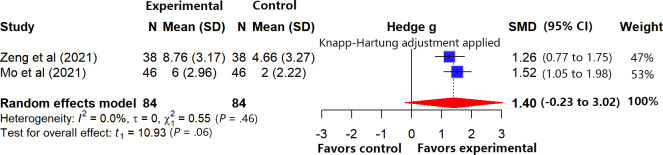 Figure 10
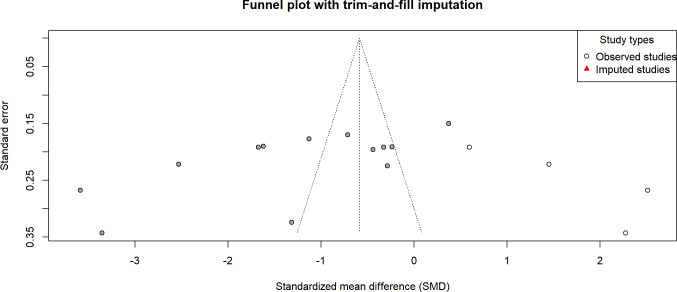 Figure 11
Peer Reviews
No public reviews on file for this paper yet. If you reviewed it on a platform where reviews are public (OpenReview, ICLR, NeurIPS, ICML), you can paste yours below so the community can read it here.
Videos
No videos yet. Explain this paper in a talk, walkthrough, or lecture? Add one.
Taxonomy
TopicsIntensive Care Unit Cognitive Disorders · Stroke Rehabilitation and Recovery · Frailty in Older Adults