Movement Models to Predict Low‐Altitude Flight of Soaring Birds Using Look‐Ahead Environmental Factors
Rimple Sandhu, Charles Tripp, Eliot Quon, Regis Thedin, Michael Lanzone, Melissa A. Braham, Tricia A. Miller, Christopher J. Farmer, David Brandes, Todd Katzner

TL;DR
This paper introduces a model that predicts the flight paths of golden eagles near wind turbines by considering terrain and wind conditions ahead of them, improving collision risk prediction.
Contribution
The model uses real-time environmental factors ahead of the bird's path to predict flight behavior, improving accuracy by 3× compared to existing methods.
Findings
The model accurately predicts eagle flight paths at rotor-swept altitudes using ground elevation and wind data.
The rate of change of heading correlates with orographic updrafts in the eagle's line of sight.
The model performs best during wind conditions when turbines are likely to be operational.
Abstract
Advances in fine‐scale movement modeling of soaring birds can aid efforts to understand and resolve the impacts of anthropogenic activities on such birds. Soaring birds often rely on underlying terrain and low‐altitude updrafts to govern their flights at rotor‐swept altitudes (≤ 200 m above ground level), which puts them at risk of collision with wind turbines. We developed a data‐driven Markov model at 1‐s resolution that predicts the fine‐scale flight behavior of golden eagles ( Aquila chrysaetos ) as a function of ecological covariates at the current location as well as those within an eagle's line of sight. We only considered ecological covariates that are readily available in real‐time (ground elevation and wind conditions). Latent factors (age, sex, species, behavioral intent, migratory status) were intentionally left out of the model. We calibrated the model using golden eagle…
Genes, proteins, chemicals, diseases, species, mutations and cell lines named across the full text — each resolved to its canonical identifier and authoritative record.
Click any figure to enlarge with its caption.
 Figure 1
 Figure 2
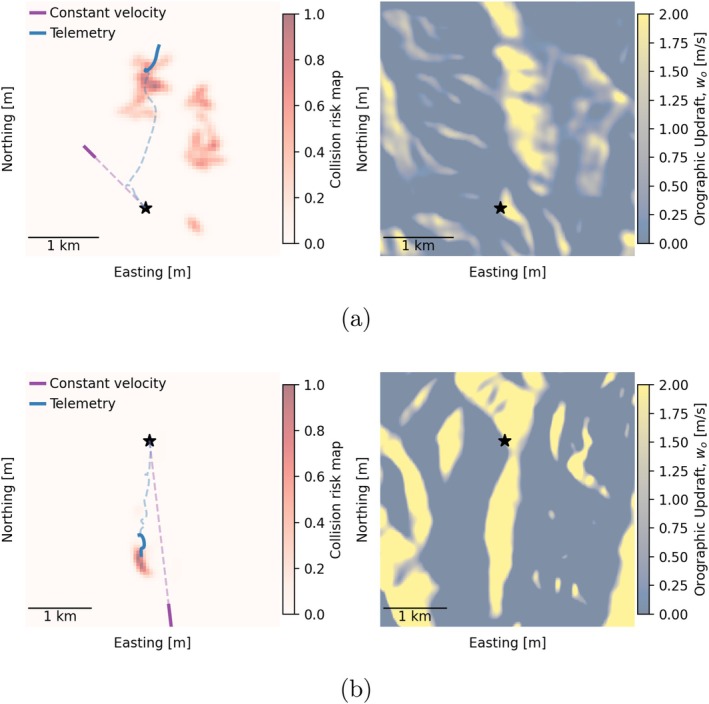 Figure 3
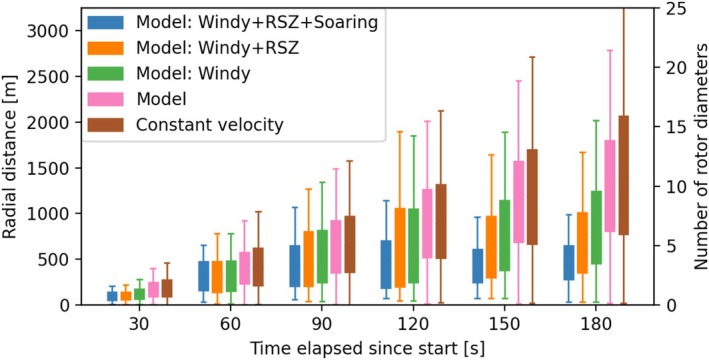 Figure 4
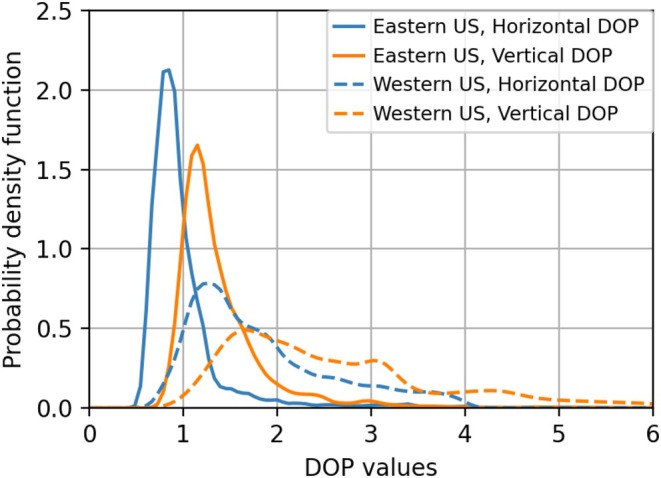 Figure 5
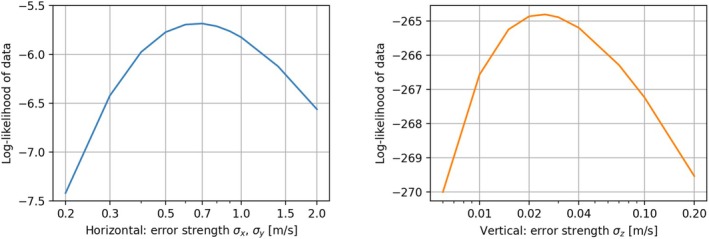 Figure 6
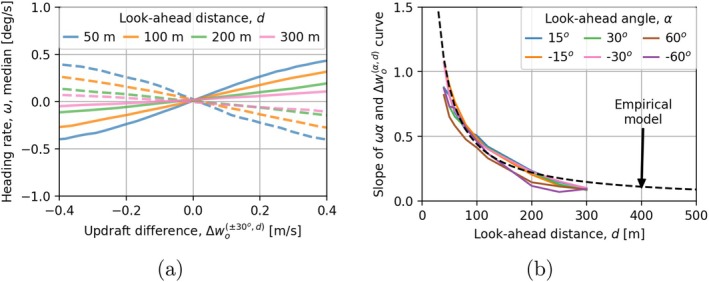 Figure 7
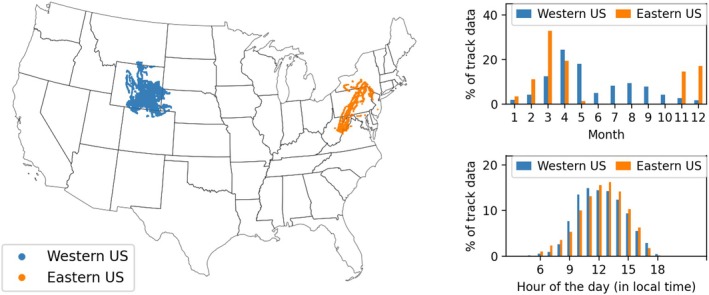 Figure 8
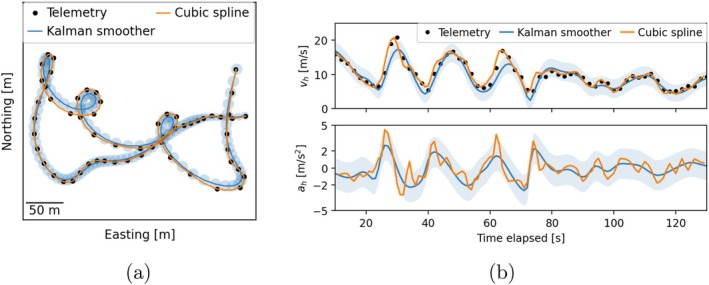 Figure 9
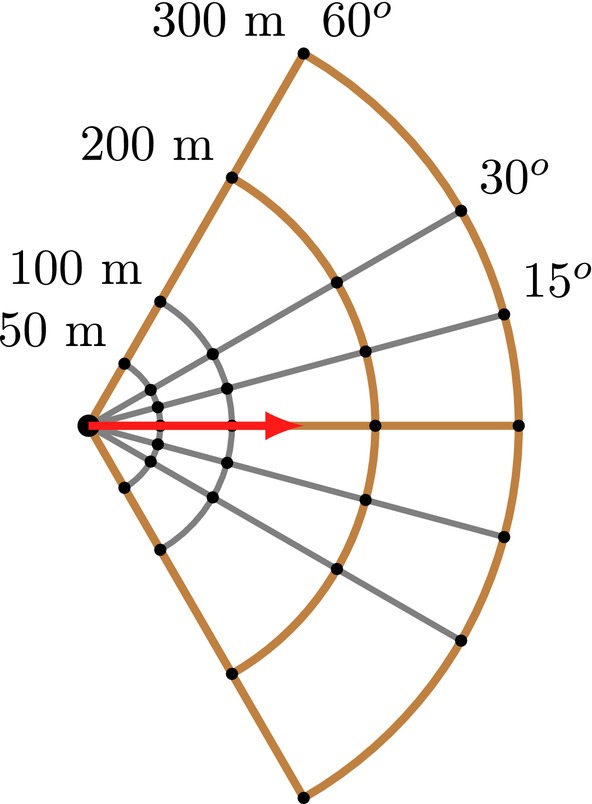 Figure 10
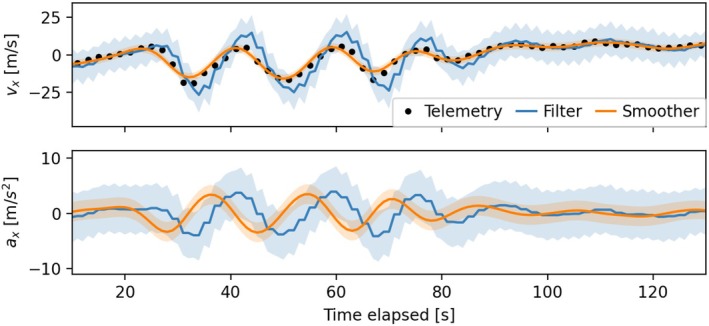 Figure 11
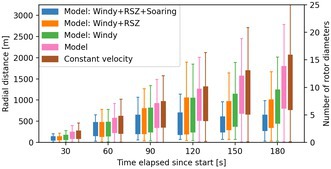 Figure 12
Peer Reviews
No public reviews on file for this paper yet. If you reviewed it on a platform where reviews are public (OpenReview, ICLR, NeurIPS, ICML), you can paste yours below so the community can read it here.
Videos
No videos yet. Explain this paper in a talk, walkthrough, or lecture? Add one.
Taxonomy
TopicsAvian ecology and behavior · Aerospace and Aviation Technology · Biomimetic flight and propulsion mechanisms