Early diagnosis and treatment of leptospirosis: Optimizing clinical outcomes
Umaporn Limothai, Nattachai Srisawat, David A. Haake

TL;DR
This paper discusses the importance of early diagnosis and treatment of leptospirosis to improve clinical outcomes and reduce complications.
Contribution
The paper proposes a paradigm shift toward field-adaptable, point-of-care diagnostics and integrated care pathways for leptospirosis.
Findings
Delayed diagnosis of leptospirosis leads to more complications and less effective treatment.
Early antibiotic therapy during the leptospiremic phase is most effective.
Integrated scoring systems and molecular diagnostics can aid in early detection and triage.
Abstract
Leptospirosis is a globally prevalent zoonotic infection causing more than one million cases and nearly 60,000 deaths annually yet is often diagnosed late after organ dysfunction and other complications have arisen. Delayed diagnosis leads to late initiation of antibiotics and other therapeutic interventions, at which point complications such as renal failure, jaundice, or pulmonary hemorrhage are more common and therapy is less effective. This review highlights the critical importance of early recognition and intervention, emphasizing the therapeutic window during the leptospiremic phase when antibiotics are most effective. We examine the limitations of current clinical and laboratory diagnostic methods, the evolving role of molecular and biomarker-based platforms, and the potential of integrated scoring systems for frontline triage. Evidence supporting early antibiotic therapy,…
Genes, proteins, chemicals, diseases, species, mutations and cell lines named across the full text — each resolved to its canonical identifier and authoritative record.
Click any figure to enlarge with its caption.
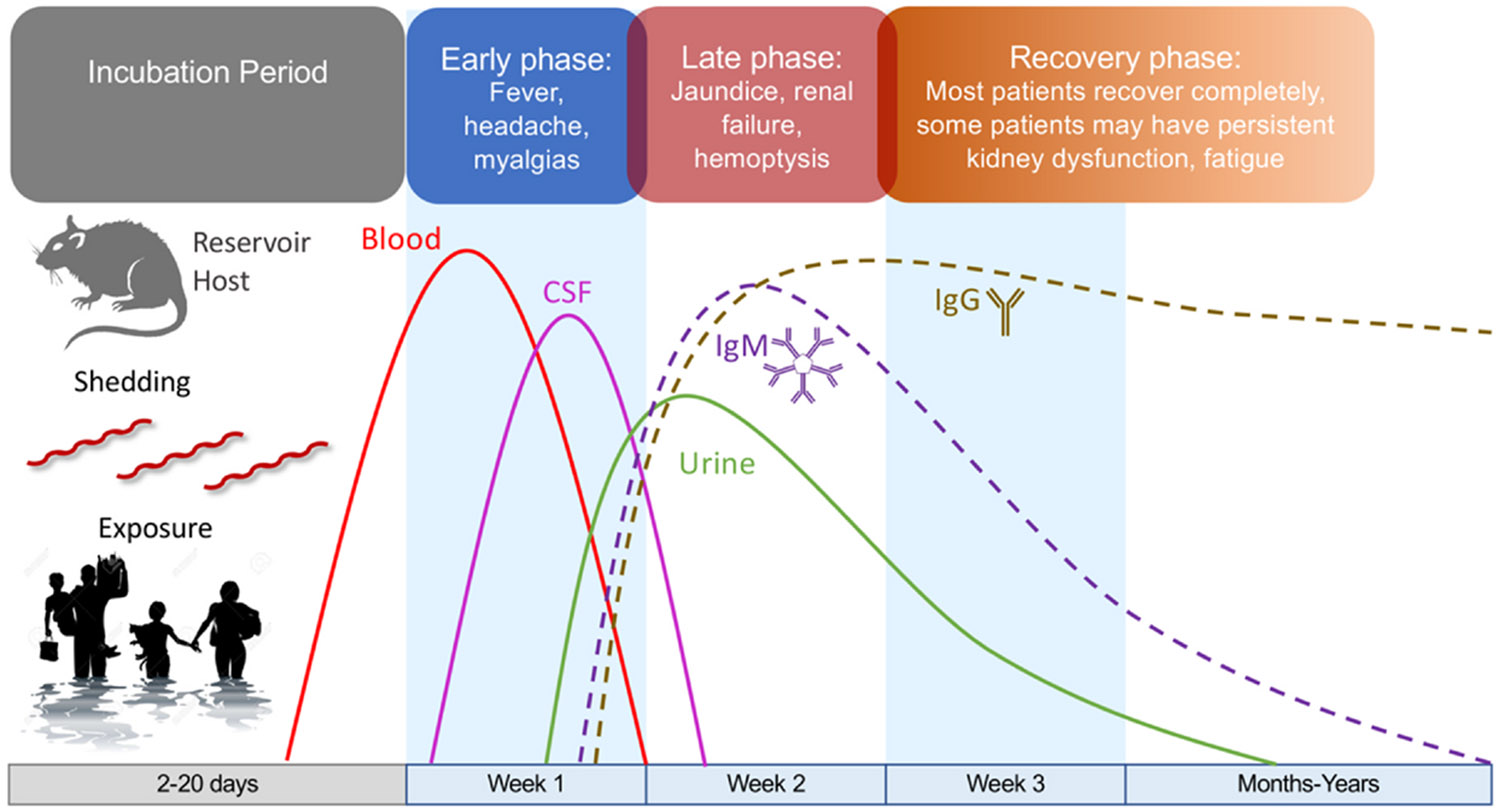 Figure 1
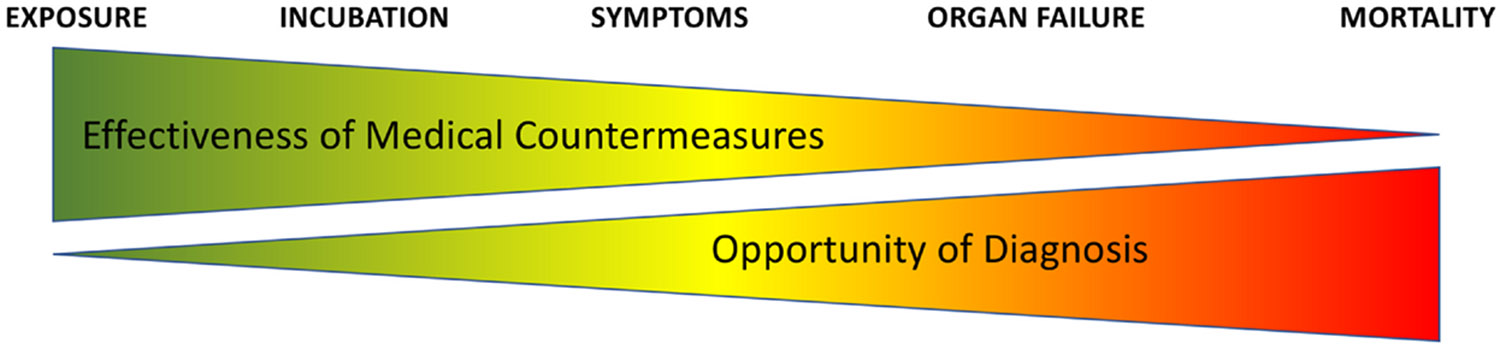 Figure 2
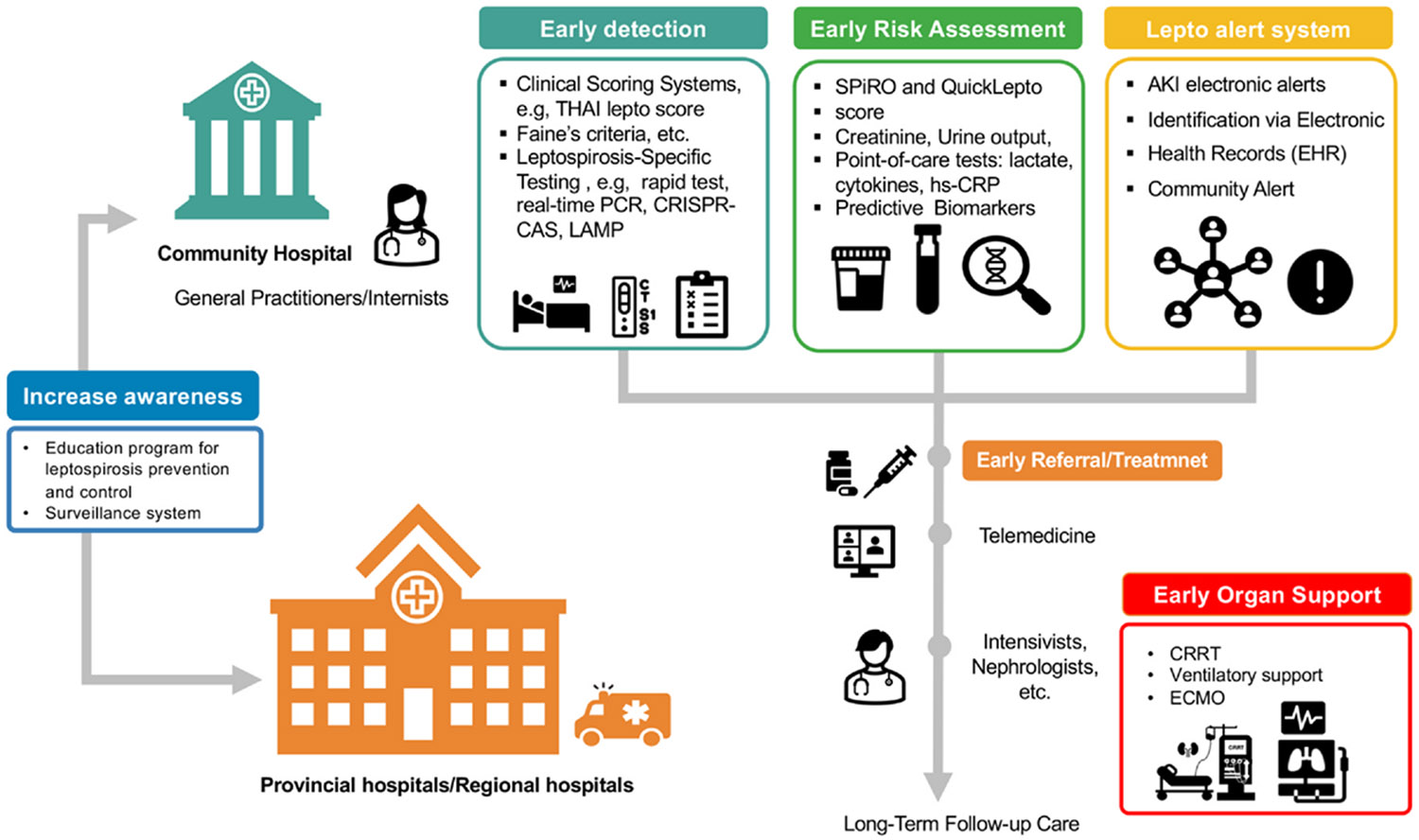 Figure 3
Peer Reviews
No public reviews on file for this paper yet. If you reviewed it on a platform where reviews are public (OpenReview, ICLR, NeurIPS, ICML), you can paste yours below so the community can read it here.
Videos
No videos yet. Explain this paper in a talk, walkthrough, or lecture? Add one.
Taxonomy
TopicsLeptospirosis research and findings · Yersinia bacterium, plague, ectoparasites research · Zoonotic diseases and public health