Improving muscle recruitment via multi-electrode transcutaneous spinal cord stimulation using automated selectivity-driven algorithms
Mouhamed Zorkot, Solaiman Shokur, Riccardo Carpineto, Silvestro Micera, Mohamed Bouri

TL;DR
This study improves non-invasive spinal cord stimulation by using automated algorithms to better target specific muscles, helping people with spinal injuries regain motor control.
Contribution
The study introduces automated algorithms for real-time spinal reflex detection and personalized stimulation in multi-electrode tSCS.
Findings
Automated algorithms enhance rostrocaudal and ipsilateral muscle selectivity in tSCS.
The selectivity-driven approach (SDA) is more effective for targeted muscle recruitment than the ranking-based approach (RBA).
Results challenge assumptions about tSCS selectivity, showing variability in electrode effectiveness across participants.
Abstract
Spinal cord injury (SCI) severely impairs motor function and quality of life. Transcutaneous spinal cord stimulation (tSCS) has emerged as a promising non-invasive neuromodulation technique to restore voluntary motor function by engaging spinal circuits below the lesion. While standard tonic tSCS with a single electrode at T11–T12 offers limited gait-specific selectivity, recent studies show that multi-electrode configurations can recruit better proximal and distal muscles on the ipsilateral side. However, clinical translation of such approaches is still limited due to individual variability and the need for time-consuming calibration procedures that rely on manual electrode placement and offline analysis. We aim to enhance the selectivity of tSCS in multi-electrode configurations and to implement online spinal reflex detection and automated algorithms for personalizing stimulation…
Genes, proteins, chemicals, diseases, species, mutations and cell lines named across the full text — each resolved to its canonical identifier and authoritative record.
Click any figure to enlarge with its caption.
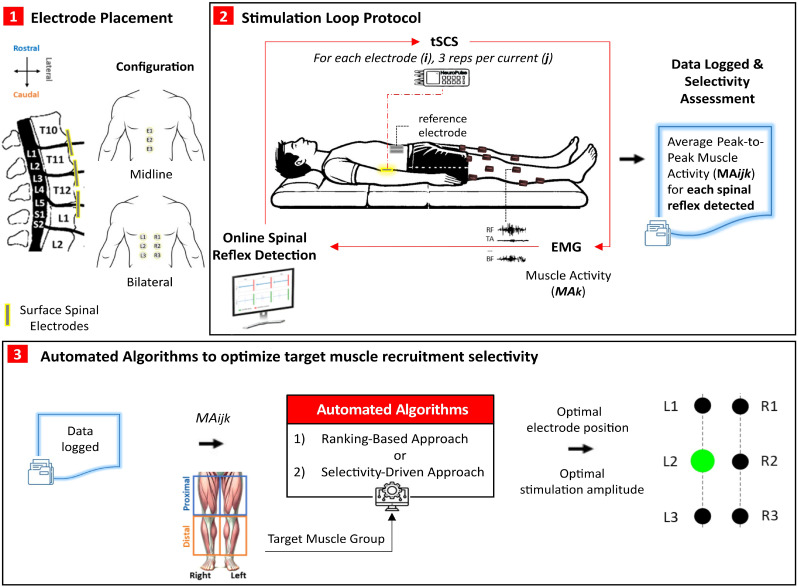 Figure 1
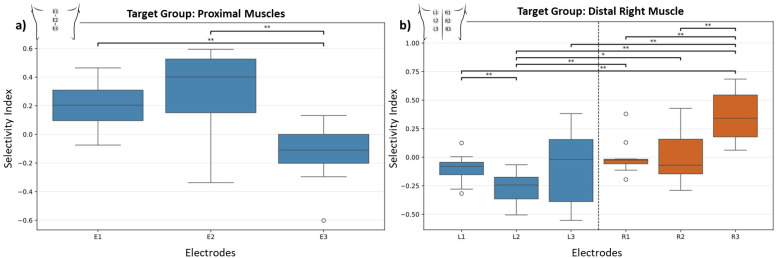 Figure 2
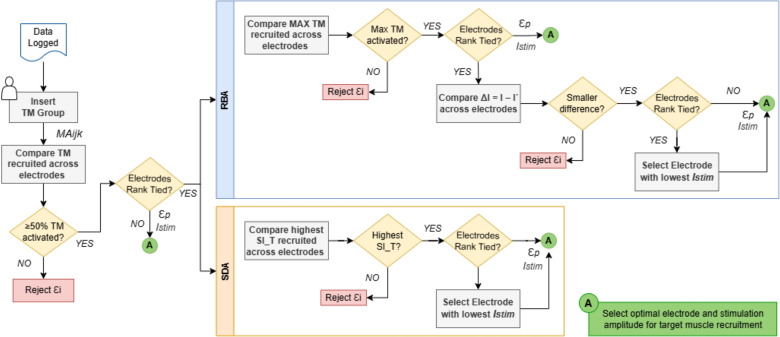 Figure 3
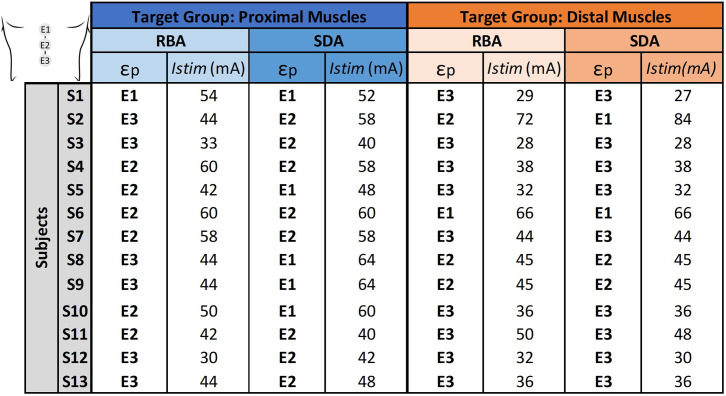 Figure 4
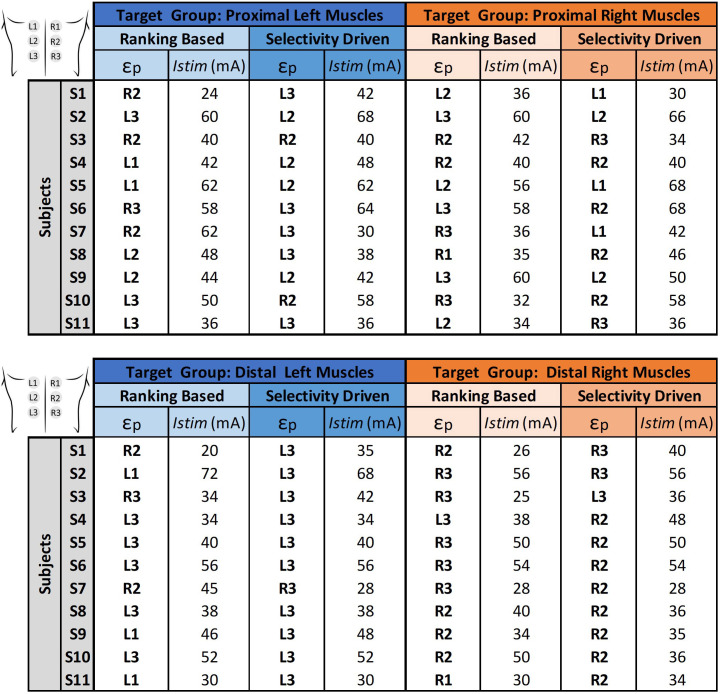 Figure 5
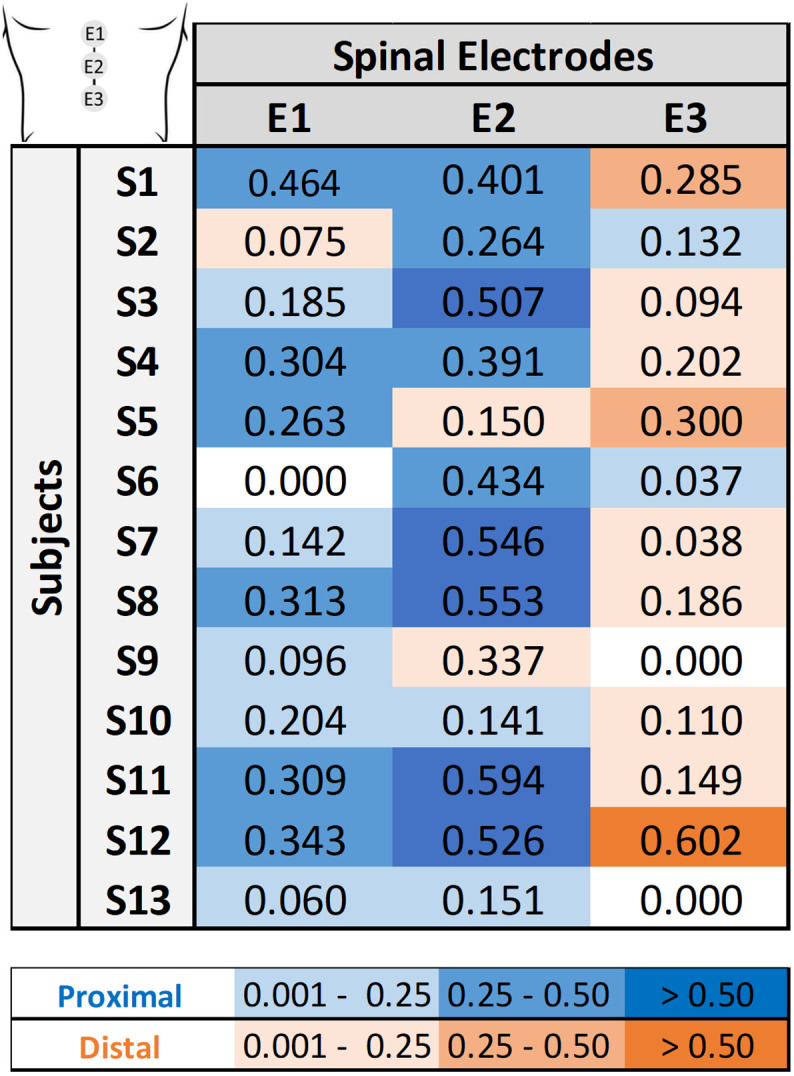 Figure 6
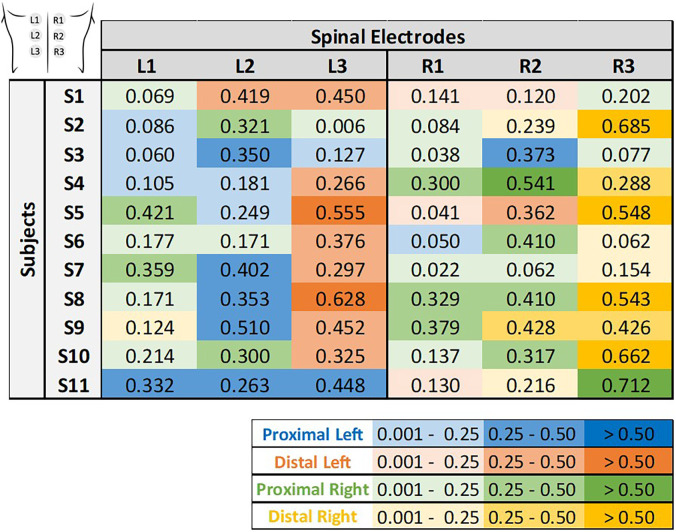 Figure 7
Peer Reviews
No public reviews on file for this paper yet. If you reviewed it on a platform where reviews are public (OpenReview, ICLR, NeurIPS, ICML), you can paste yours below so the community can read it here.
Videos
No videos yet. Explain this paper in a talk, walkthrough, or lecture? Add one.
Taxonomy
TopicsSpinal Cord Injury Research · Pain Management and Treatment · Muscle activation and electromyography studies