Quenching-based electrochemiluminescence detection of chlorpyrifos using a portable sensor platform
Emre DOKUZPARMAK

TL;DR
A portable sensor was developed to detect the pesticide chlorpyrifos in food with high sensitivity and accuracy using electrochemiluminescence.
Contribution
A novel quenching-based ECL sensor using MWCNTs and [Ru(bpy)3]2+ for ultrasensitive detection of chlorpyrifos in food matrices.
Findings
The sensor achieved a detection limit of 0.24 ± 0.05 pM for chlorpyrifos.
Recovery rates in honey samples ranged from 96.26% to 101.45%, showing high accuracy.
The sensor maintained over 80% signal stability after eight consecutive measurements.
Abstract
Chlorpyrifos (CPF) is an organophosphate pesticide extensively used in agriculture, posing significant threats to human health due to its neurotoxic effects. Its presence in food products has raised considerable public health concerns, necessitating the development of rapid, sensitive, and reliable detection methods. This study aims to design and validate an electrochemiluminescence (ECL) sensor platform operating via a quenching-based mechanism to enable ultrasensitive detection of CPF in food matrices. The sensing strategy exploits the coreactant mechanism between 2-(dibutylamino)ethanol (DBAE) and [Ru(bpy)3]2+ (tris(2,2′-bipyridyl)ruthenium(II)), wherein CPF suppresses the ECL emission by interfering with the excited-state electron transfer pathway. The sensing interface was fabricated by integrating carboxyl-functionalized multiwalled carbon nanotubes (MWCNTs) with [Ru(bpy)3]2+…
Genes, proteins, chemicals, diseases, species, mutations and cell lines named across the full text — each resolved to its canonical identifier and authoritative record.
Click any figure to enlarge with its caption.
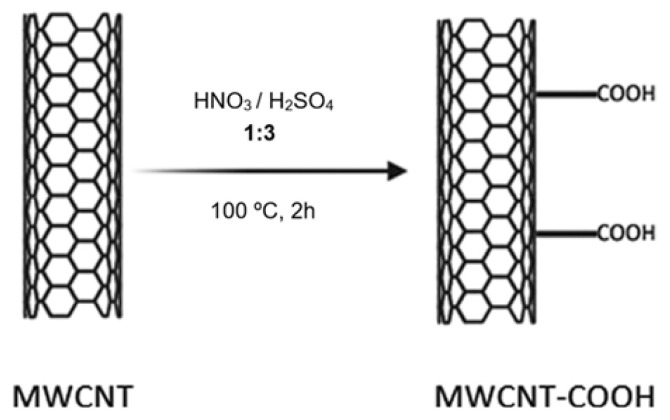 Figure 1
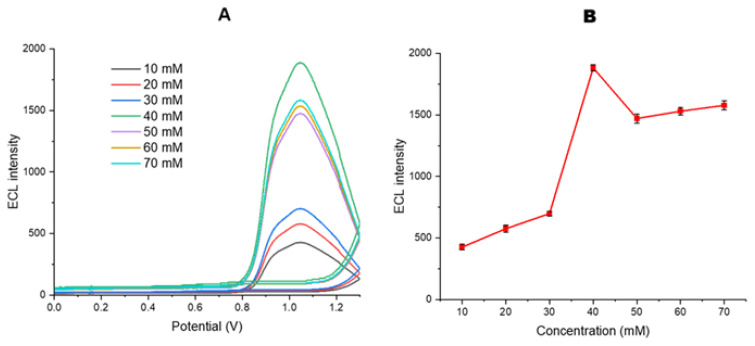 Figure 2
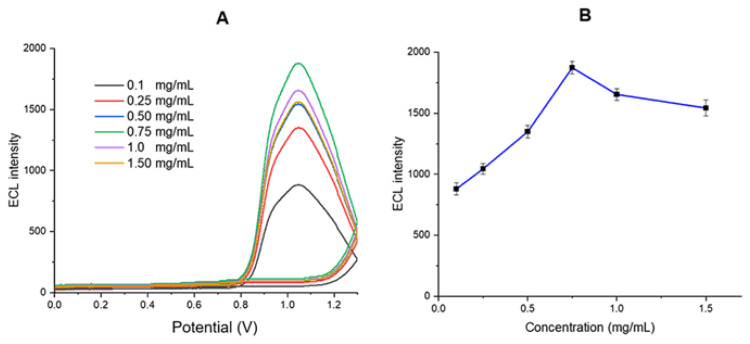 Figure 3
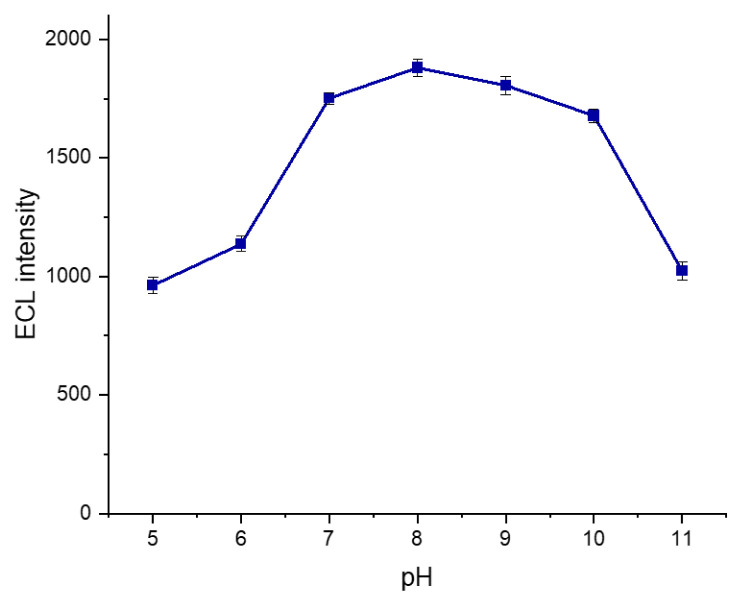 Figure 4
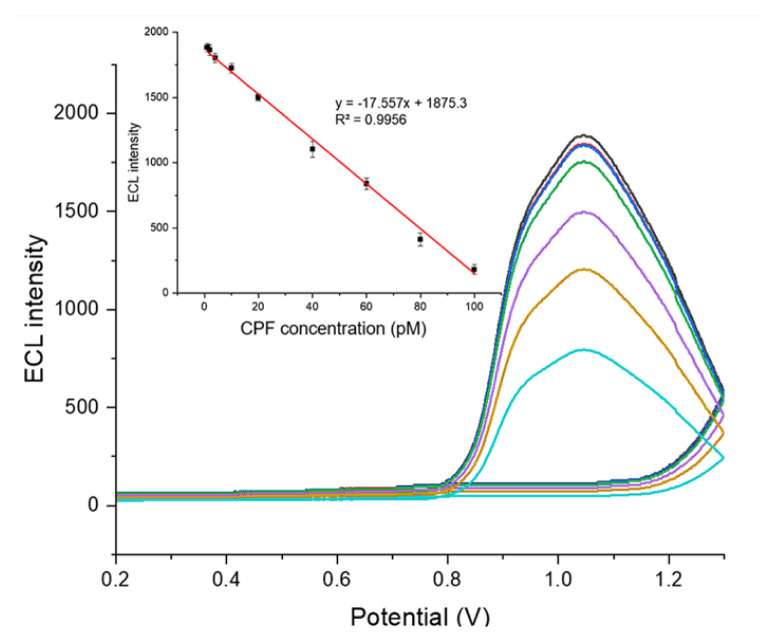 Figure 5
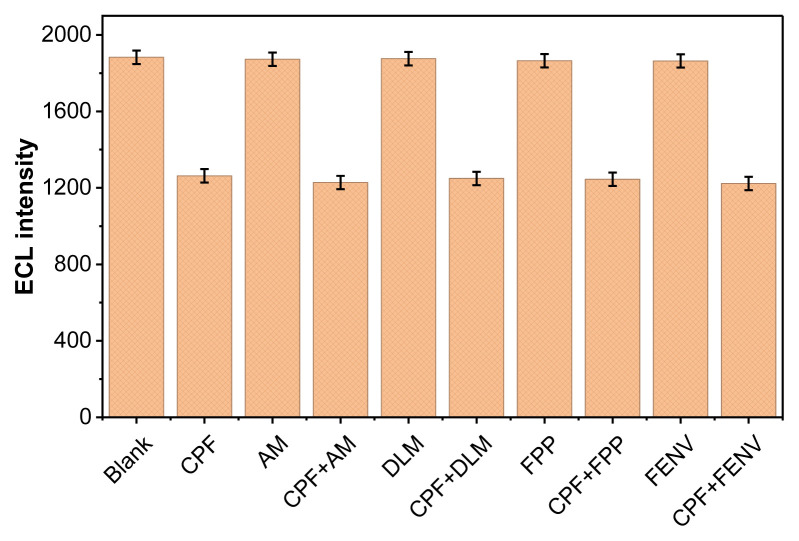 Figure 6
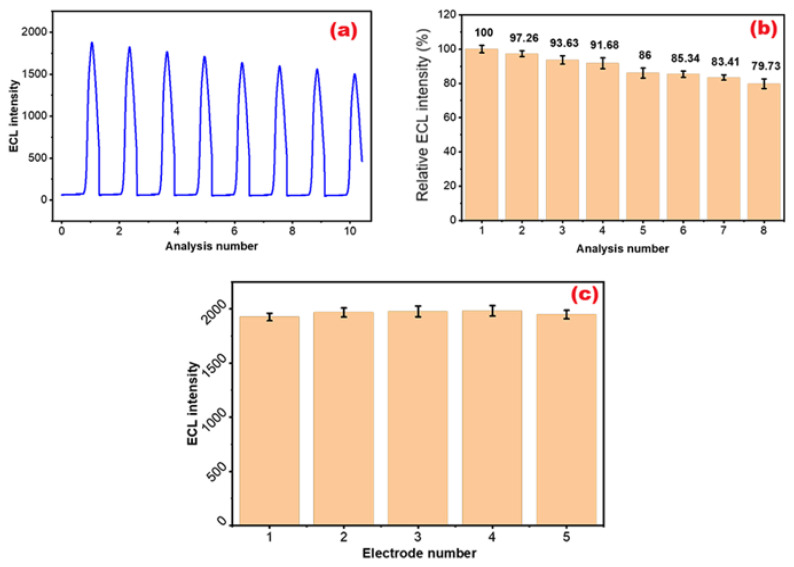 Figure 7
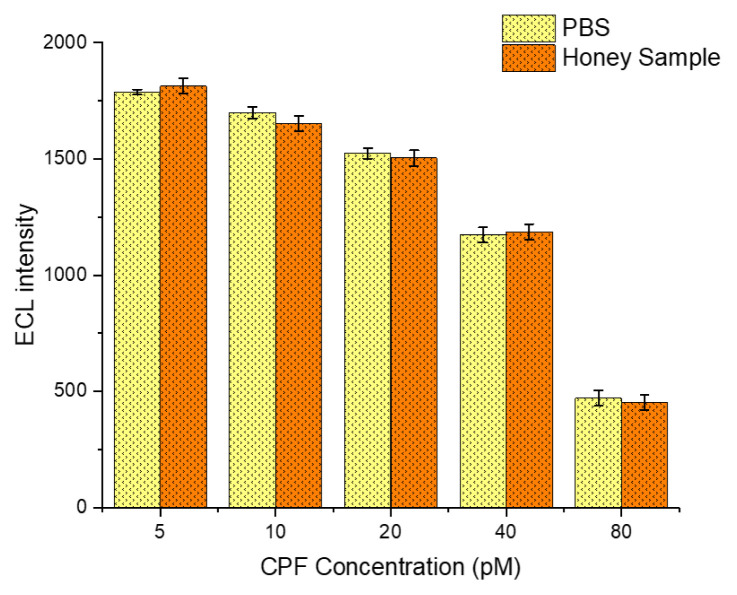 Figure 8
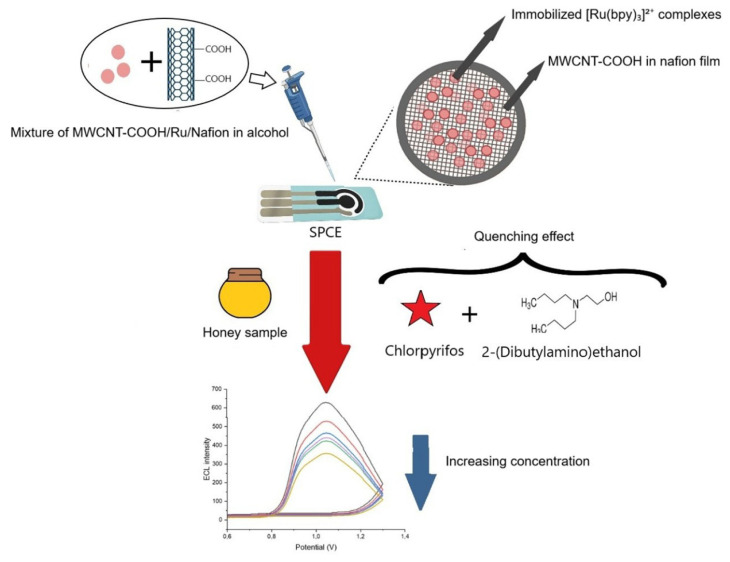 Figure 9
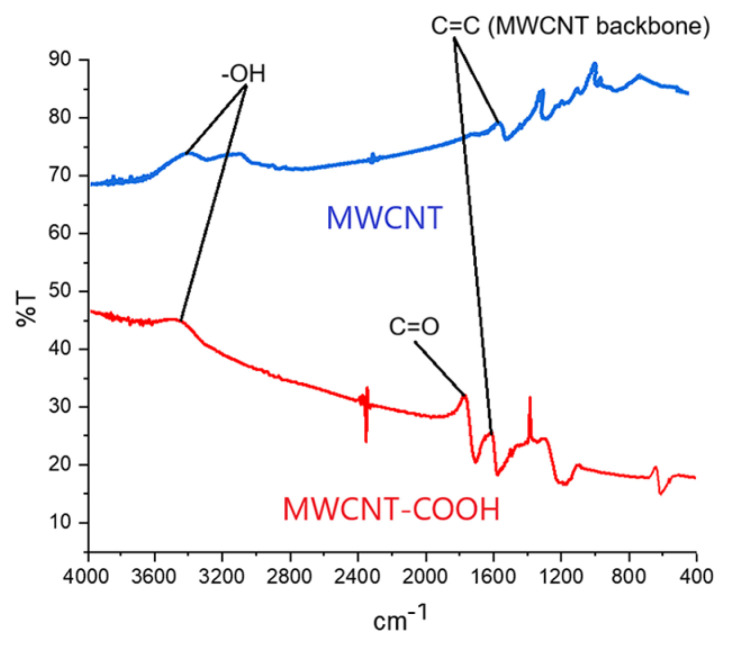 Figure 10
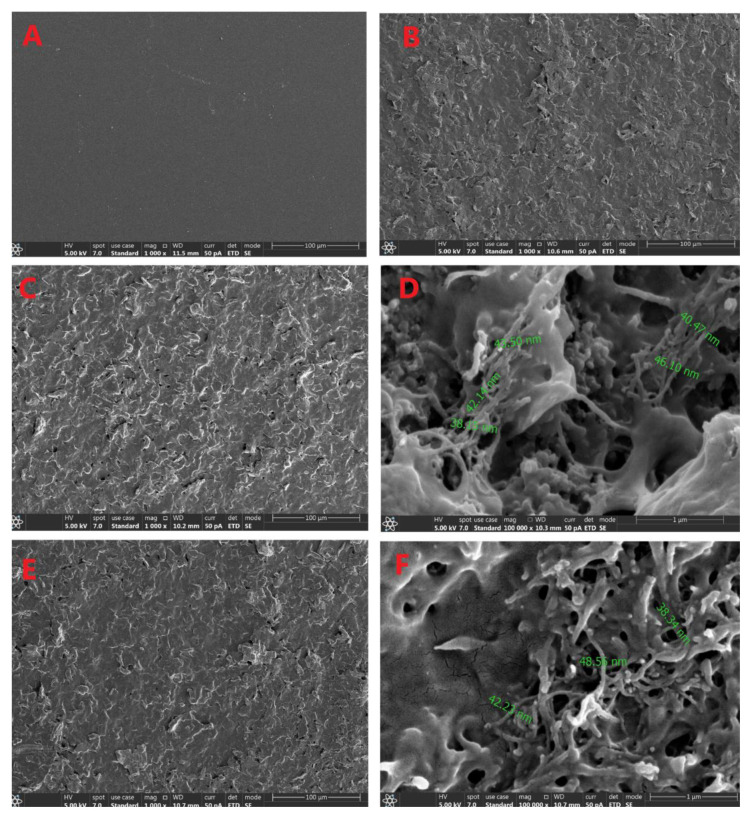 Figure 11
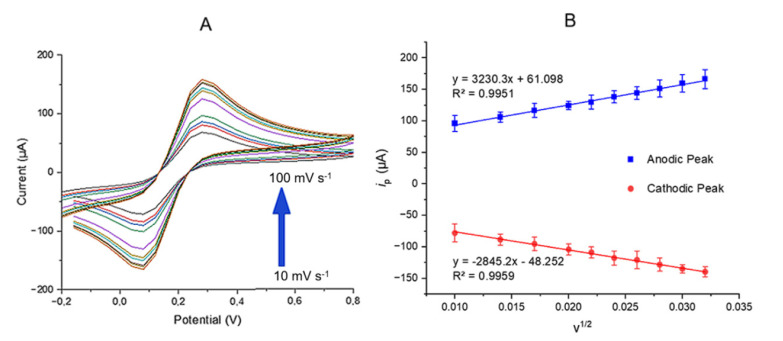 Figure 12
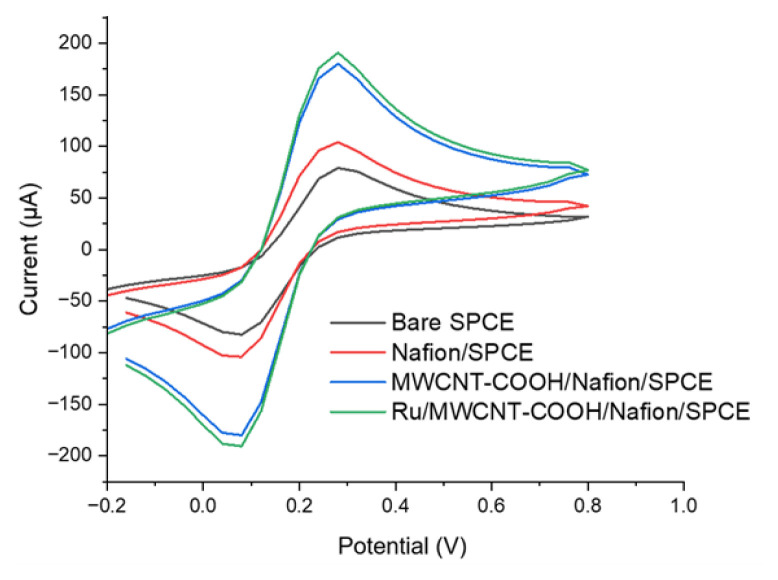 Figure 13
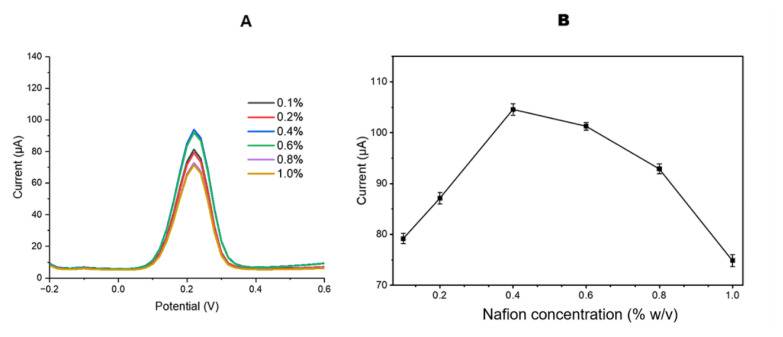 Figure 14
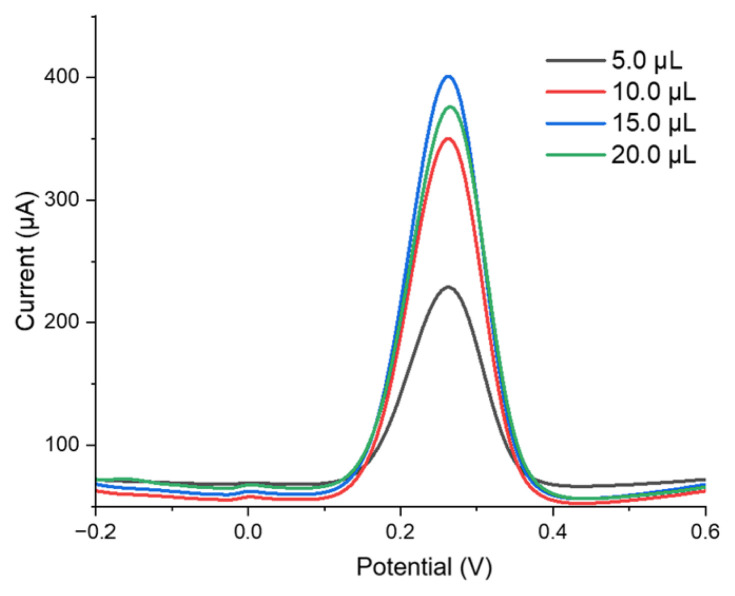 Figure 15
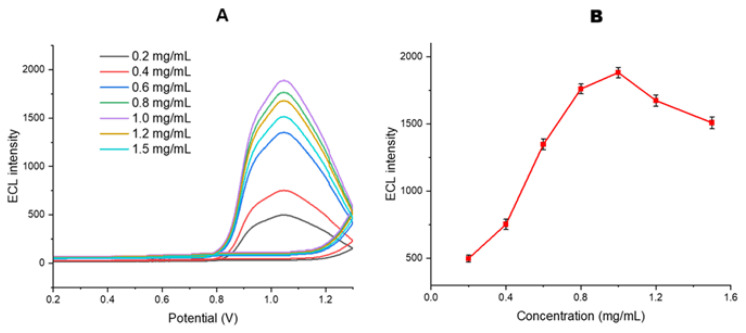 Figure 16
Peer Reviews
No public reviews on file for this paper yet. If you reviewed it on a platform where reviews are public (OpenReview, ICLR, NeurIPS, ICML), you can paste yours below so the community can read it here.
Videos
No videos yet. Explain this paper in a talk, walkthrough, or lecture? Add one.
Taxonomy
TopicsElectrochemical sensors and biosensors · Advanced biosensing and bioanalysis techniques · Electrochemical Analysis and Applications