Reverse Total Shoulder Arthroplasty Versus Hemiarthroplasty for Massive, Irreparable Rotator Cuff Tears Without Arthritis: A Systematic Review and Meta-Analysis
Ayman Saad, Qasim M Shamtoot, Ali M Juma, Saad I Abuelsaid, Mohammed W Alghamdi, Ezzat M Abu Khaled, Abdulmalik A Aljulajil, Hayf Zayed Oraidah, Adnan F Soqir, Safwan K Alghwail, Rayan M Alharbi, Tareq Albaqali, Mohammed A Alamer, Mohamad B Dahha, Deena M Alamri

TL;DR
This study compares reverse total shoulder arthroplasty and hemiarthroplasty for treating massive rotator cuff tears, finding better functional outcomes with reverse arthroplasty.
Contribution
The study provides a systematic review and meta-analysis comparing clinical outcomes of two surgical treatments for massive rotator cuff tears.
Findings
Reverse total shoulder arthroplasty (rTSA) showed superior functional outcomes compared to hemiarthroplasty (SMD=0.64).
rTSA allowed significantly greater active forward elevation (113° vs. 58°).
There was no significant difference in revision rates between the two procedures.
Abstract
Massive, irreparable rotator cuff tears with glenohumeral deficiency present a significant surgical challenge. While hemiarthroplasty was historically the treatment of choice, reverse total shoulder arthroplasty (rTSA) has gained popularity due to its biomechanical ability to restore active elevation. However, high-quality comparative evidence remains scarce. The purpose of this systematic review and meta-analysis was to compare the clinical outcomes and revision rates of rTSA versus hemiarthroplasty for massive rotator cuff deficiency. A systematic literature search was conducted to identify comparative studies evaluating rTSA versus hemiarthroplasty for cuff tear arthropathy or massive cuff tears without significant arthritis. Methodological quality was assessed using the ROBINS-I (Risk Of Bias In Non-randomized Studies - of Interventions) tool for non-randomized studies. Data were…
Genes, proteins, chemicals, diseases, species, mutations and cell lines named across the full text — each resolved to its canonical identifier and authoritative record.
Click any figure to enlarge with its caption.
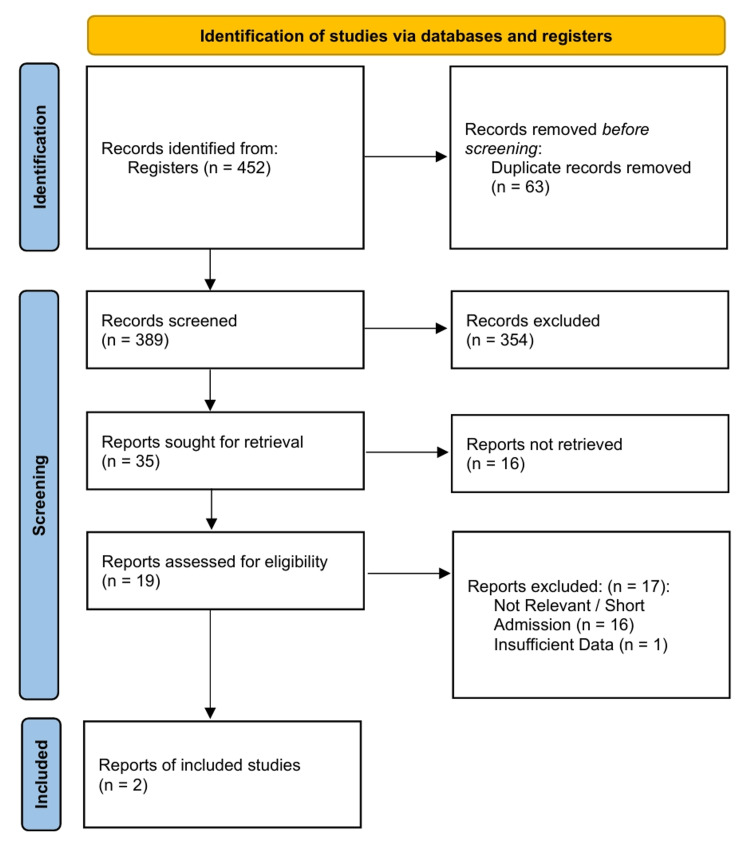 Figure 1
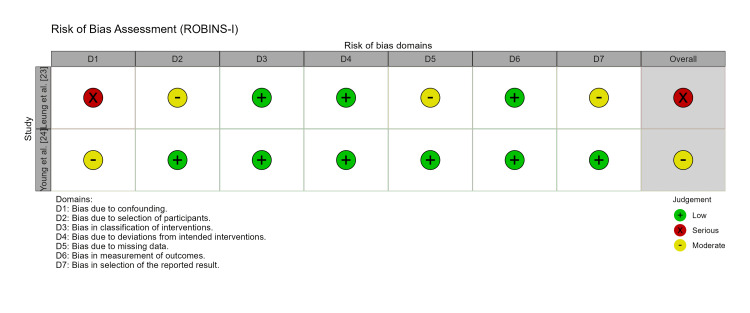 Figure 2
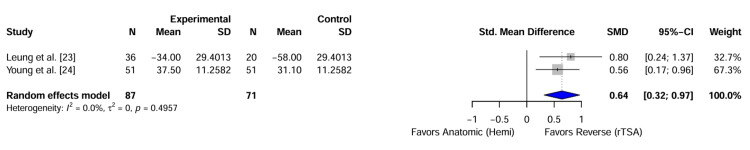 Figure 3
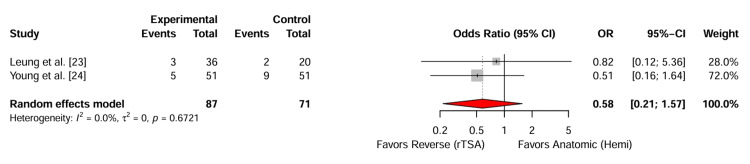 Figure 4
Peer Reviews
No public reviews on file for this paper yet. If you reviewed it on a platform where reviews are public (OpenReview, ICLR, NeurIPS, ICML), you can paste yours below so the community can read it here.
Videos
No videos yet. Explain this paper in a talk, walkthrough, or lecture? Add one.
Taxonomy
TopicsShoulder Injury and Treatment · Shoulder and Clavicle Injuries · Nerve Injury and Rehabilitation