The Thiol Oxidation State of Albumin Is Associated With Training Load Across an Australian Football Pre‐Season
Christopher James, Jason Weber, Corrin Boyde, Paul A. Fournier, Peter G. Arthur

TL;DR
This study shows that the oxidation state of albumin in blood is linked to training intensity in Australian football players, suggesting a potential biomarker for monitoring training impact.
Contribution
The study introduces a novel method (OxiDx) to measure thiol-oxidised albumin as a potential biomarker for training load in athletes.
Findings
Thiol-oxidised albumin levels correlated with total training distance and velocity-specific distances.
Higher change of direction (COD) running was associated with increased thiol-oxidised albumin levels.
Training loads and albumin oxidation were highest early in the pre-season and lowest at its end.
Abstract
Australian football is a demanding contact sport where high training loads during the pre‐season have been identified as a potential cause of non‐contact injuries. The level of thiol‐oxidised albumin, a marker of oxidative stress, might be related to the training load, and thus could be used to indirectly quantify the impact of training loads upon an athlete. The aim of this study was to investigate whether the level of thiol‐oxidised albumin was affected by the pre‐season training load in a team of professional Australian Football League (AFL) athletes and compare the effect of lower pre‐season training loads caused by COVID‐19 restrictions on the level of thiol‐oxidised albumin. Forty‐five participants collected daily dried blood spots in the morning prior to each training session to measure thiol‐oxidised albumin using a novel methodology (OxiDx). Training load, which was…
Genes, proteins, chemicals, diseases, species, mutations and cell lines named across the full text — each resolved to its canonical identifier and authoritative record.
Click any figure to enlarge with its caption.
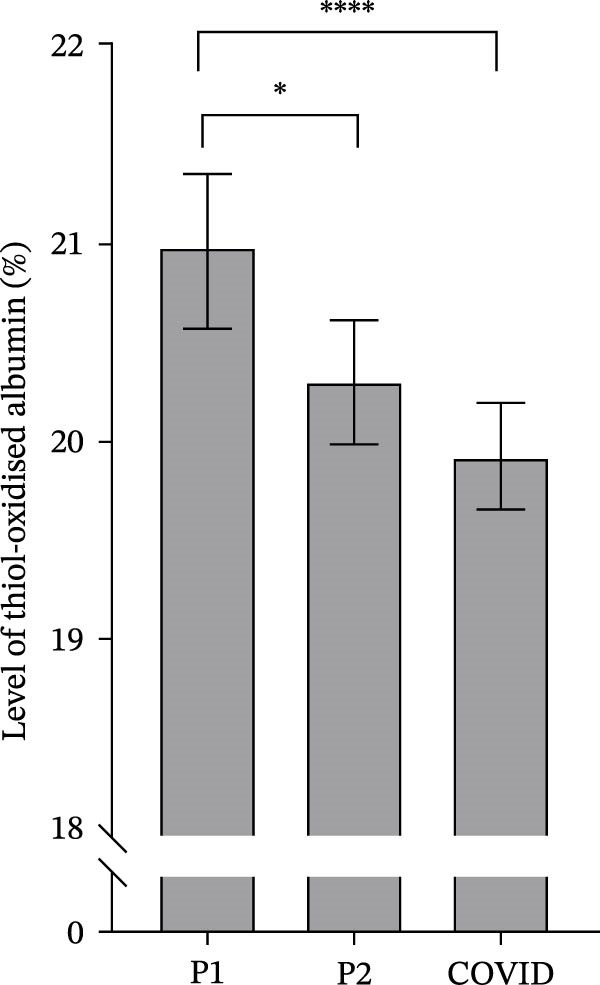 Figure 1
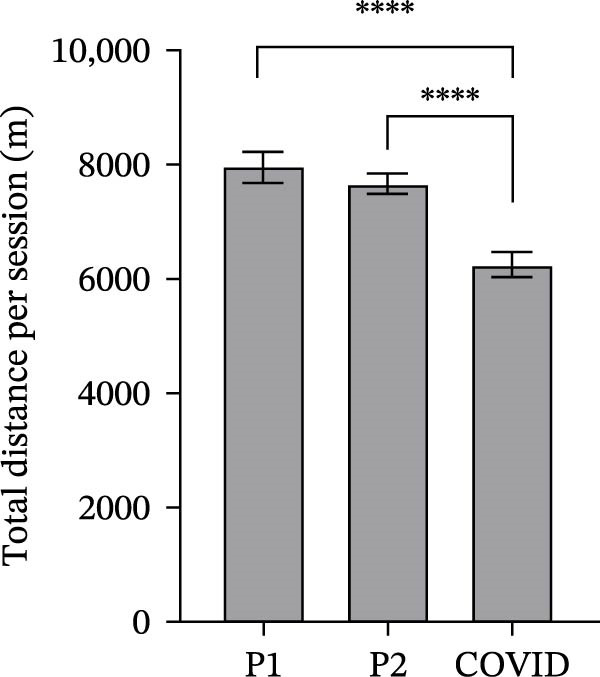 Figure 2
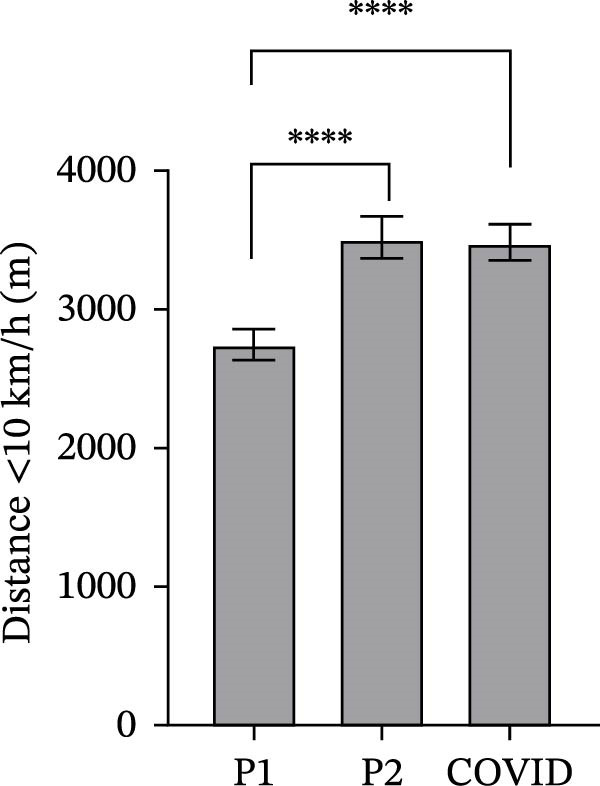 Figure 3
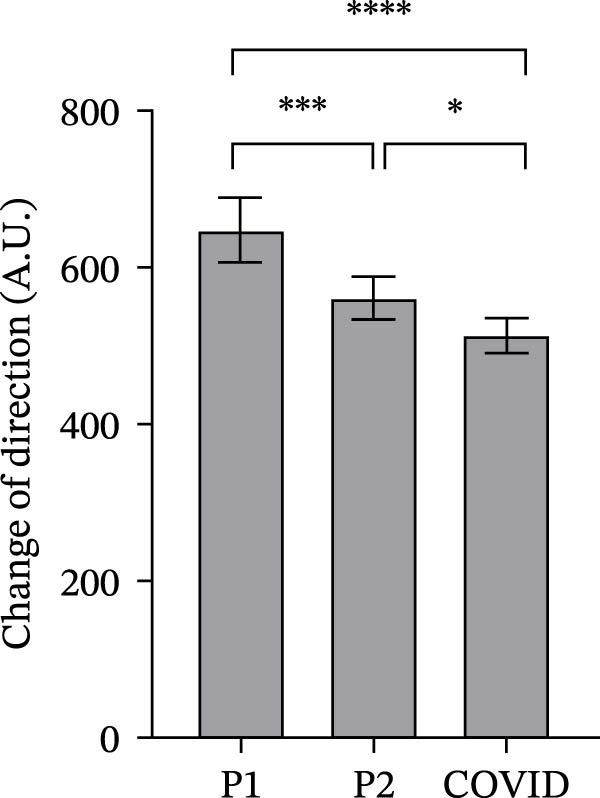 Figure 4
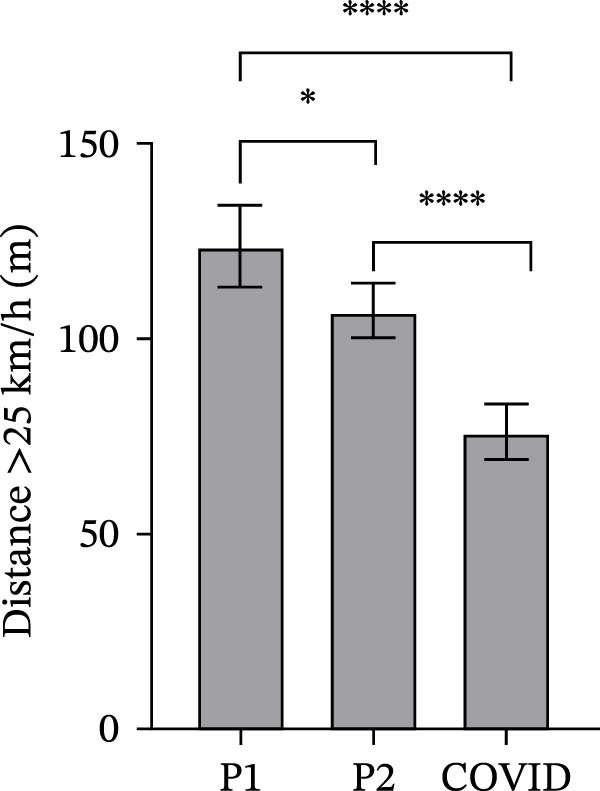 Figure 5
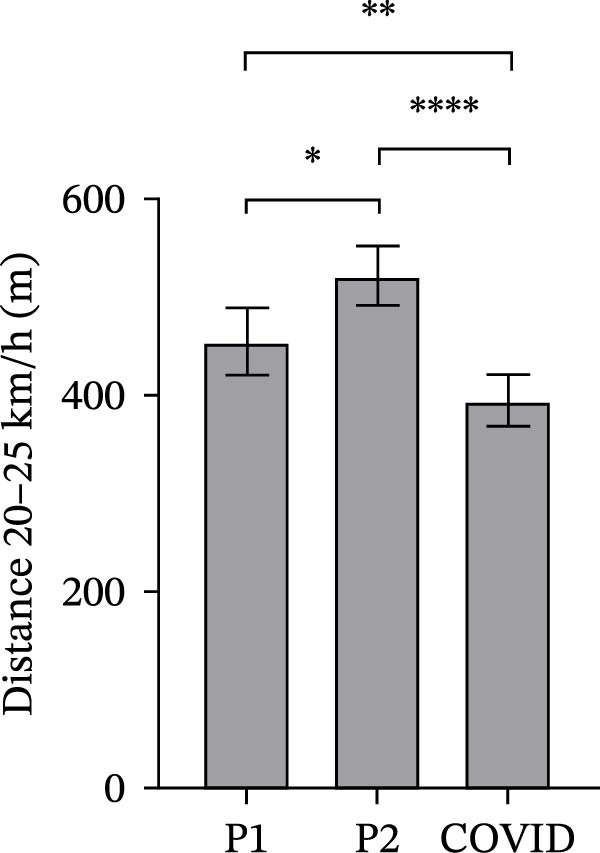 Figure 6
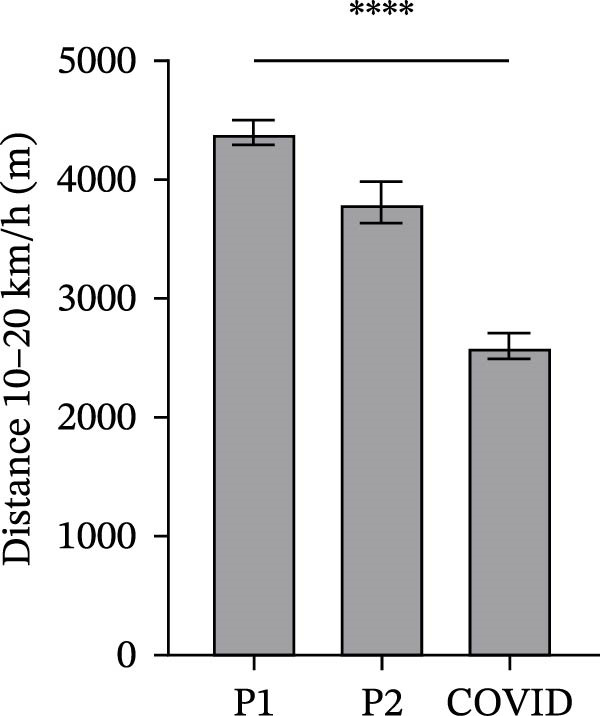 Figure 7
Peer Reviews
No public reviews on file for this paper yet. If you reviewed it on a platform where reviews are public (OpenReview, ICLR, NeurIPS, ICML), you can paste yours below so the community can read it here.
Videos
No videos yet. Explain this paper in a talk, walkthrough, or lecture? Add one.
Taxonomy
TopicsExercise and Physiological Responses · Muscle metabolism and nutrition · Sports Performance and Training