Vasopressin and angiotensin II pathways differentially modulate human fear response dynamics to looming threats
Mengfan Han, Wenyi Dong, Kun Fu, Junjie Wang, Yuanhang Xu, Yueyuan Zheng, Keith Kendrick, Stefania Ferraro, Ting Xu, Dezhong Yao, Benjamin Becker

TL;DR
This study shows how two neuropeptide systems, vasopressin and angiotensin II, differently affect human fear responses to approaching threats.
Contribution
The study reveals distinct roles of vasopressin and angiotensin II in modulating human threat processing dynamics.
Findings
Vasopressin induced time overestimation and sustained hypervigilance during threat exposure.
Losartan reduced anxiety and promoted flexible threat response patterns.
Pupillometry and computational models showed pathway-specific arousal and response dynamics.
Abstract
While basal threat processing dynamics (e.g., visual looming) are well characterized in animals, the underlying mechanisms and their modulation by neuropeptide systems with different modulatory roles in threat processing (vasopressin, angiotensin II) remain poorly understood in humans. In a randomized, placebo-controlled eye-tracking study (N = 111), we administered vasopressin (AVP) or an angiotensin II receptor blocker (via Losartan, LT) during a time-to-collision threat paradigm. This study was prospectively registered at ClinicalTrials.gov (NCT06329076, NCT06329063) on April 11, 2024, prior to participant enrollment. Behaviorally, AVP induced a systematic time overestimation while LT induced temporal compression and reduced state anxiety. Pupillometry revealed distinguishable profiles: AVP induced sustained constriction during stimulus approach followed by post-stimulus…
Genes, proteins, chemicals, diseases, species, mutations and cell lines named across the full text — each resolved to its canonical identifier and authoritative record.
Click any figure to enlarge with its caption.
 Figure 1
 Figure 2
 Figure 3
 Figure 4
 Figure 5
 Figure 6
 Figure 7
 Figure 8
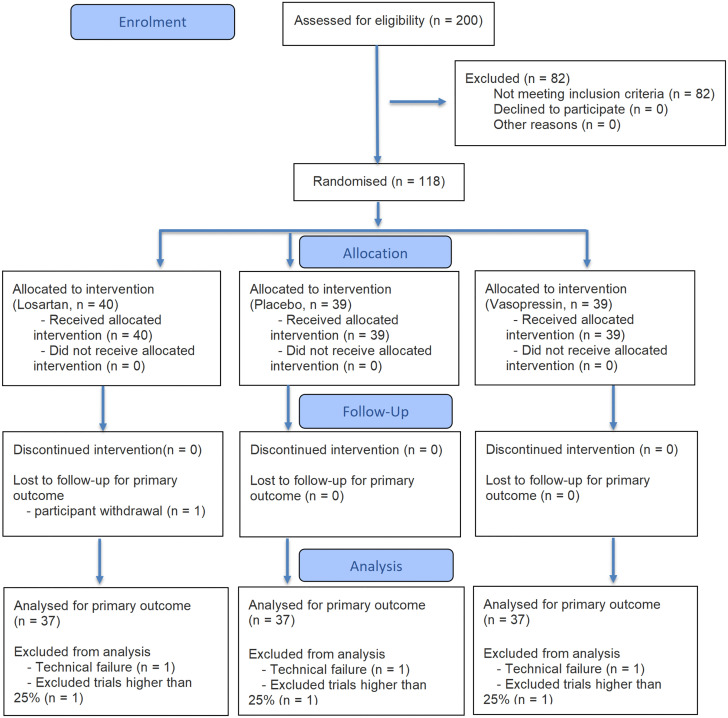 Figure 9
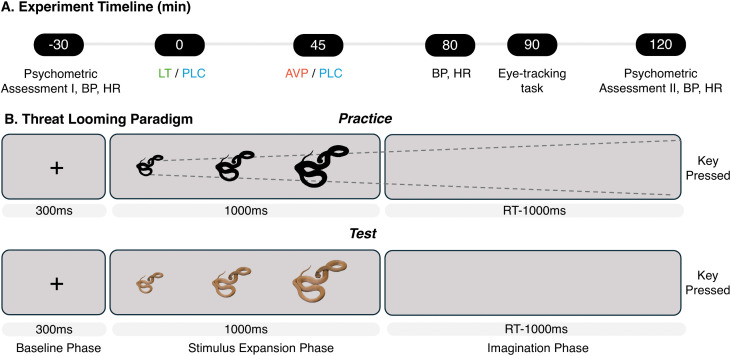 Figure 10
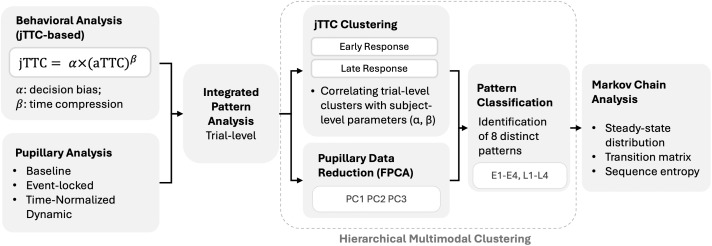 Figure 11
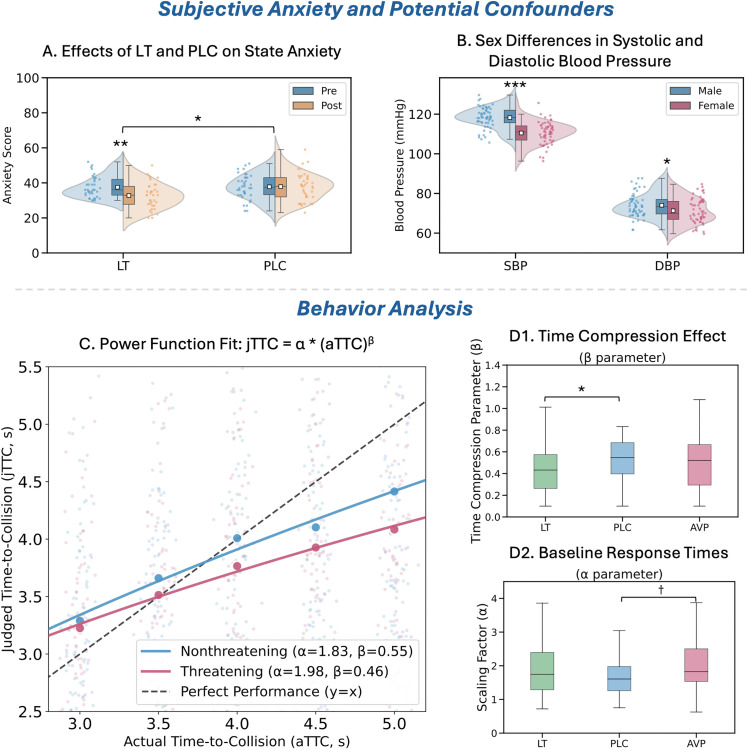 Figure 12
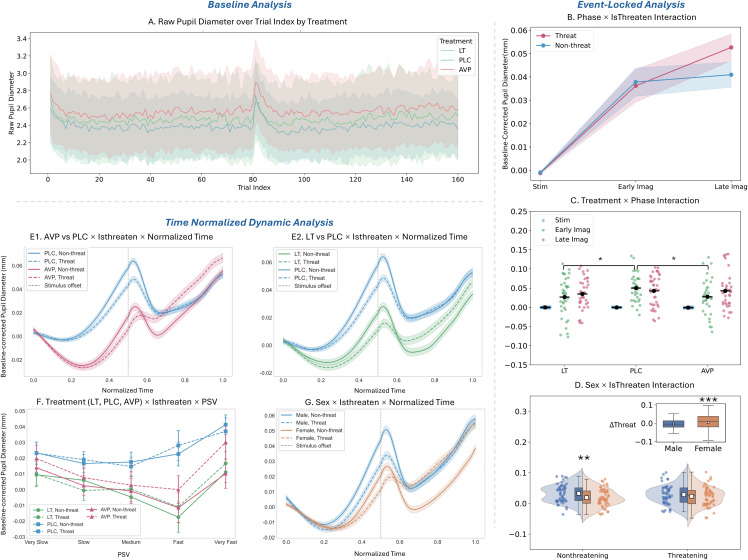 Figure 13
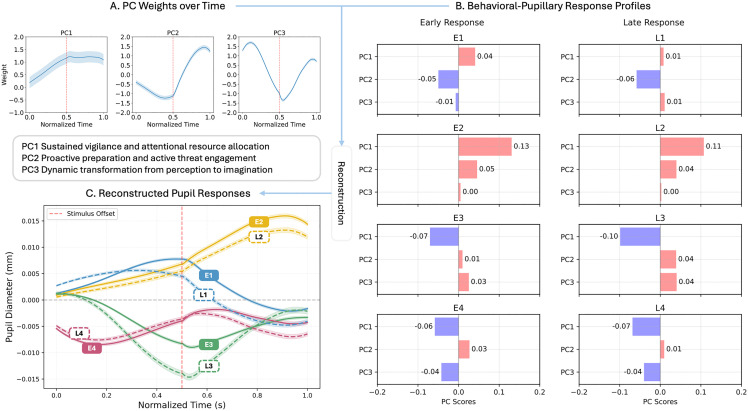 Figure 14
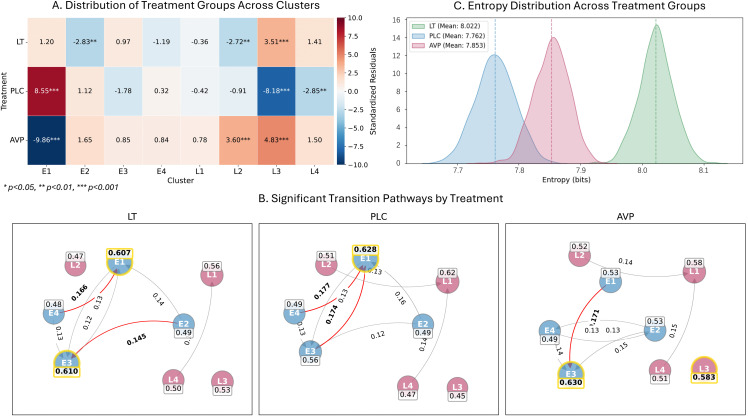 Figure 15
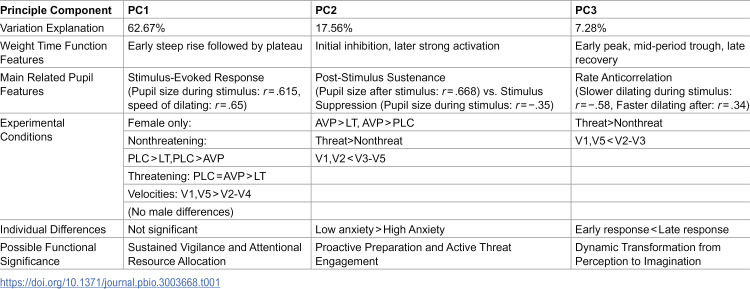 Figure 16
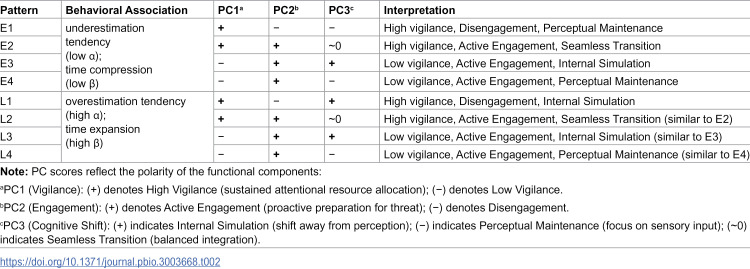 Figure 17
Peer Reviews
No public reviews on file for this paper yet. If you reviewed it on a platform where reviews are public (OpenReview, ICLR, NeurIPS, ICML), you can paste yours below so the community can read it here.
Videos
No videos yet. Explain this paper in a talk, walkthrough, or lecture? Add one.
Taxonomy
TopicsNeuroendocrine regulation and behavior · Memory and Neural Mechanisms · Stress Responses and Cortisol