Using Semiautomated WhatsApp Messages for Daily Stress Measurements: Integrated Usability and Feasibility Study
Janika Thielecke, Maartje Bakhuys Roozeboom, Irene Niks, Elsbeth de Korte, Sadegh Shahmohammadi

TL;DR
This study explores using WhatsApp messages to track work stress daily, finding that participants prefer text-based methods and report more stressors with this approach.
Contribution
The study introduces semiautomated WhatsApp messages as a novel method for collecting real-time work stress data with high adherence and detailed insights.
Findings
Participants showed a strong preference for multiple-choice and text messages over voice messages due to ease and convenience.
The MC-condition reported three times more stressors per week than the voice condition, despite similar average stress levels.
Voice messages yielded more words per response compared to text, but text and MC methods were more efficient for data collection.
Abstract
Stress is a key determinant of health outcomes and may influence work performance. Questionnaire-based assessments of stress are typically broad and retrospective. Daily stress measurements via smartphones offer more granular, real-time data but have adherence issues. Using an already established communication medium (WhatsApp) and a more conversational style assessment might improve adherence and help collect more detailed insights into (work) stress, underlying stressors, and countering energy sources. This study focuses on the usability and feasibility of semiautomated voice- and text-messages (with and without emojis) via WhatsApp as a method to collect daily data on experienced work stress, stressors, and energy sources. A sample of 210 workers was recruited via social media and participated in a 10-workday diary study using semiautomated WhatsApp messages to rate daily stress,…
Genes, proteins, chemicals, diseases, species, mutations and cell lines named across the full text — each resolved to its canonical identifier and authoritative record.
Click any figure to enlarge with its caption.
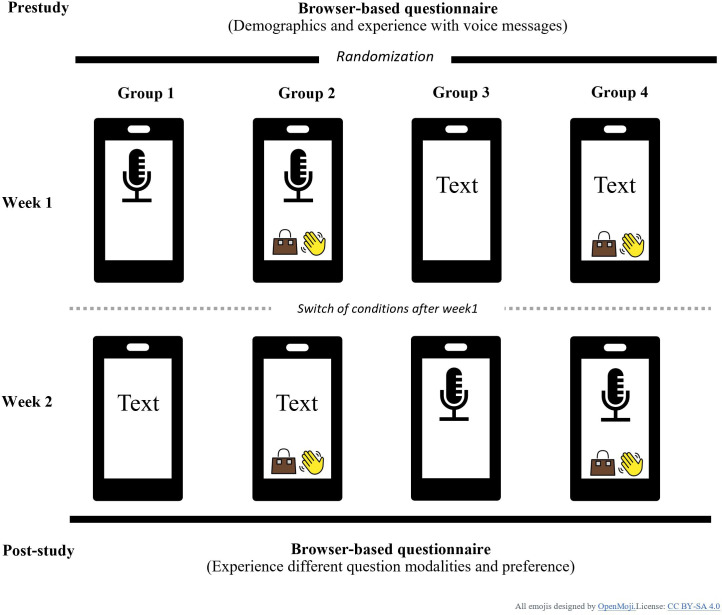 Figure 1
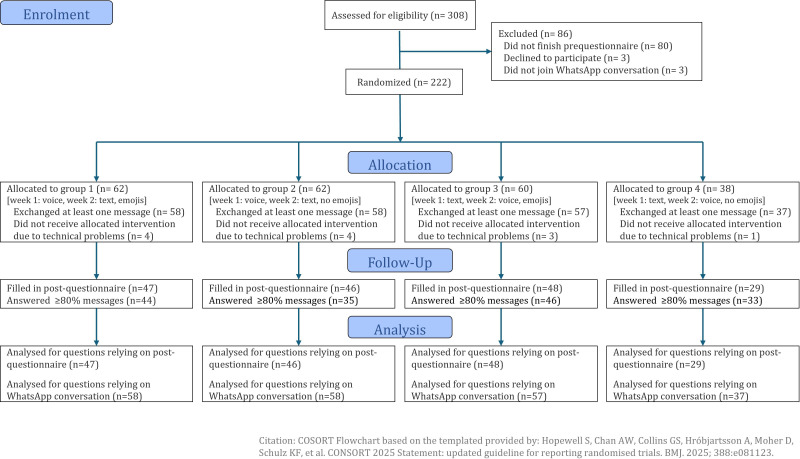 Figure 2
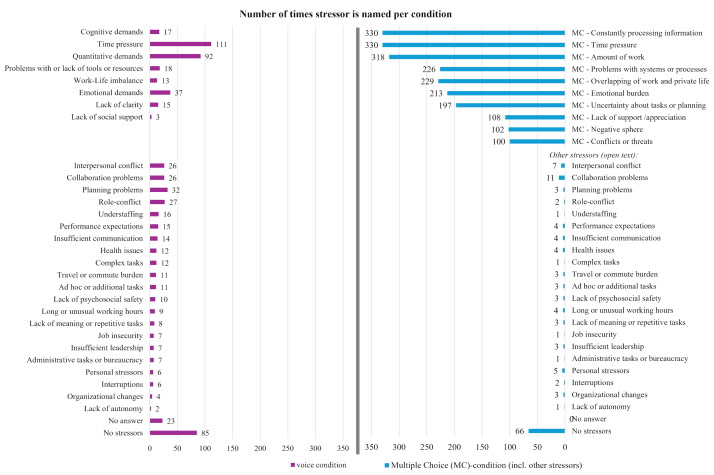 Figure 3
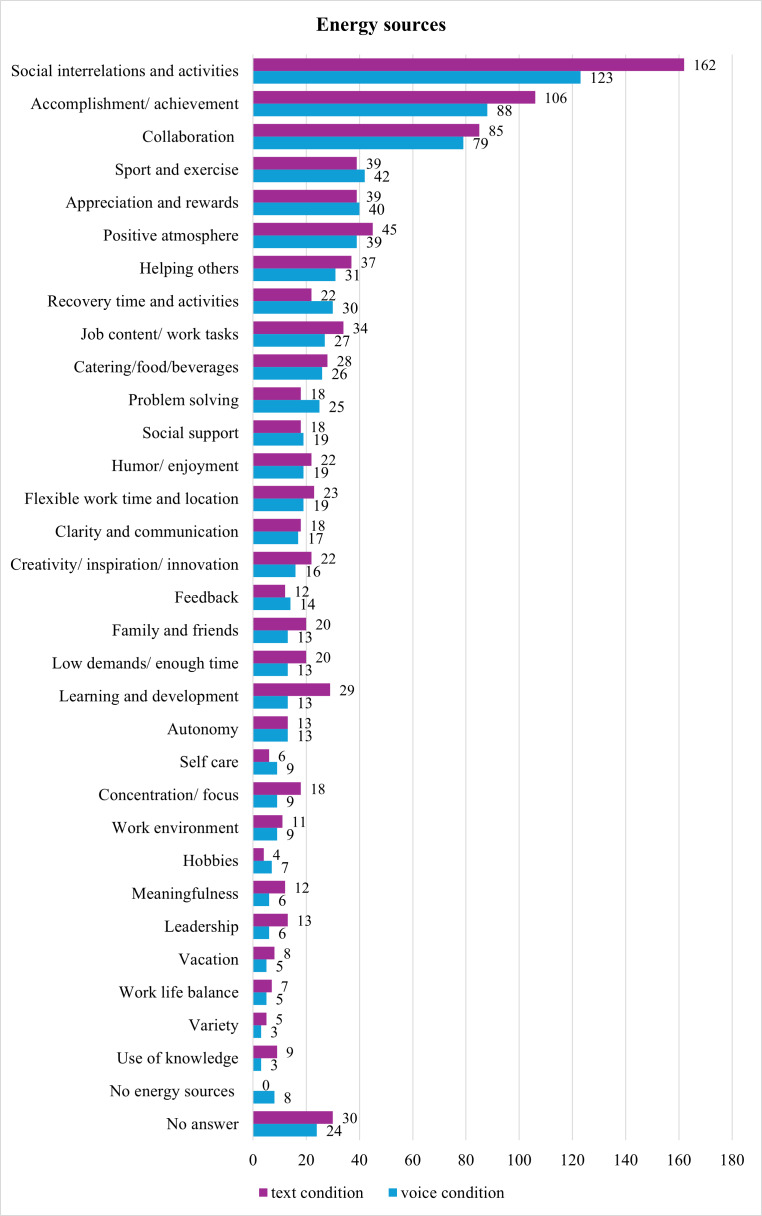 Figure 4
Peer Reviews
No public reviews on file for this paper yet. If you reviewed it on a platform where reviews are public (OpenReview, ICLR, NeurIPS, ICML), you can paste yours below so the community can read it here.
Videos
No videos yet. Explain this paper in a talk, walkthrough, or lecture? Add one.
Taxonomy
TopicsPersonal Information Management and User Behavior · Emotion and Mood Recognition · Technostress in Professional Settings