Feasibility and User Experience of Immersive Virtual Reality–Based Rehabilitation in Patients With Stroke: Single-Arm Pretest-Posttest Pilot Study
Sara Arlati, Marta Mondellini, Isabella Martinelli, Eleonora Guanziroli, Mauro Rossini, Marco Sacco, Franco Molteni

TL;DR
This study tested a VR-based rehabilitation program for stroke patients and found it feasible and effective for improving motor and balance functions.
Contribution
The study provides a structured assessment of user experience and feasibility of VR-based rehabilitation over a longer period for stroke patients.
Findings
Most participants completed the VR training, indicating high feasibility.
VR improved balance, upper limb motor functions, and functional mobility in stroke patients.
User experience metrics like flow, presence, and ease of use were positive, with no severe cybersickness reported.
Abstract
Immersive virtual reality (VR) is promising in stroke rehabilitation; it is believed to promote motivation and intervention adherence among patients. However, existing work often lacks a structured assessment of user experience over a longer period of time. This study aimed to assess the feasibility, user experience, and preliminary effectiveness of a VR-based rehabilitation program designed for patients with stroke to train upper limb and cognitive functions. Thirty-two chronic (n=19, 59%) or postacute (n=13, 41%) patients with stroke (mean age 60, SD 11 years) were enrolled. All participants performed 4 weeks of training, performing exercises in the Virtual Supermarket for Stroke (VSS). The VSS is an ecological VR-based application allowing customization of difficulty to make the task of “doing the shopping” more challenging throughout the sessions. Subjective outcomes were assessed…
Genes, proteins, chemicals, diseases, species, mutations and cell lines named across the full text — each resolved to its canonical identifier and authoritative record.
Click any figure to enlarge with its caption.
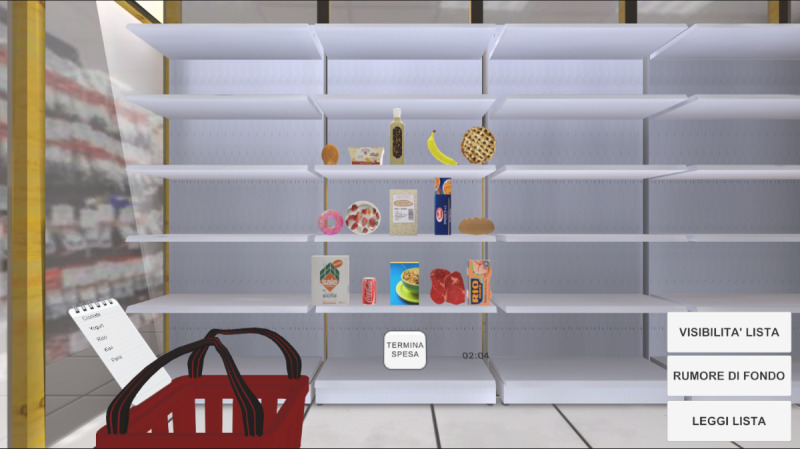 Figure 1
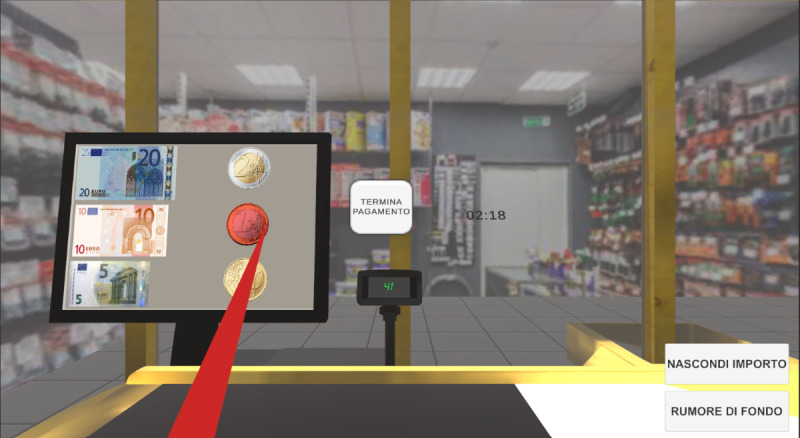 Figure 2
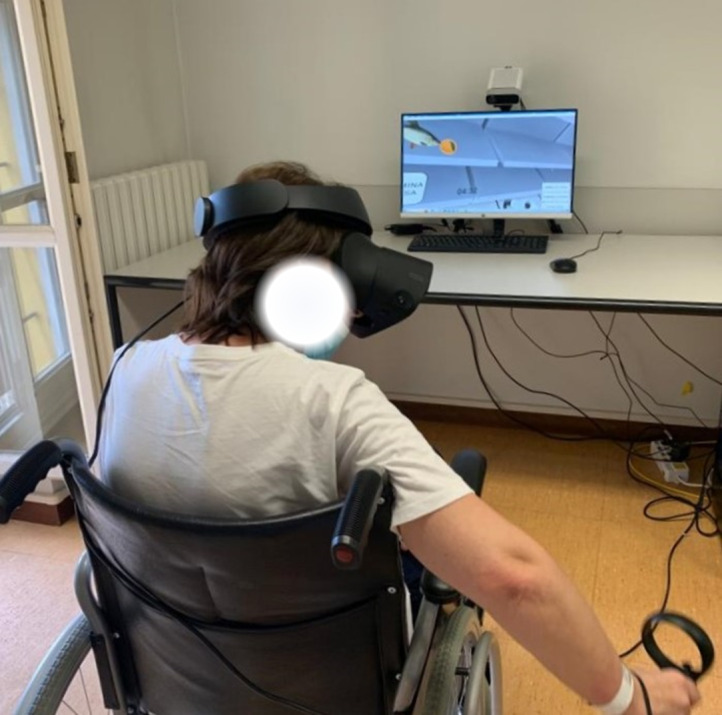 Figure 3
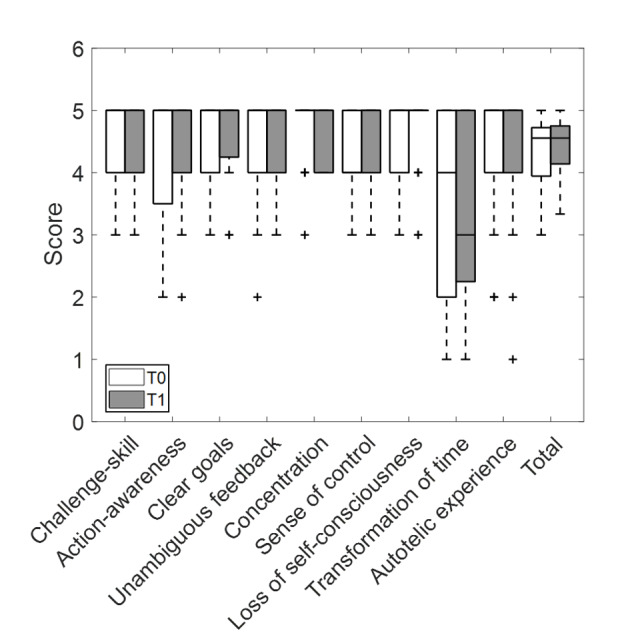 Figure 4
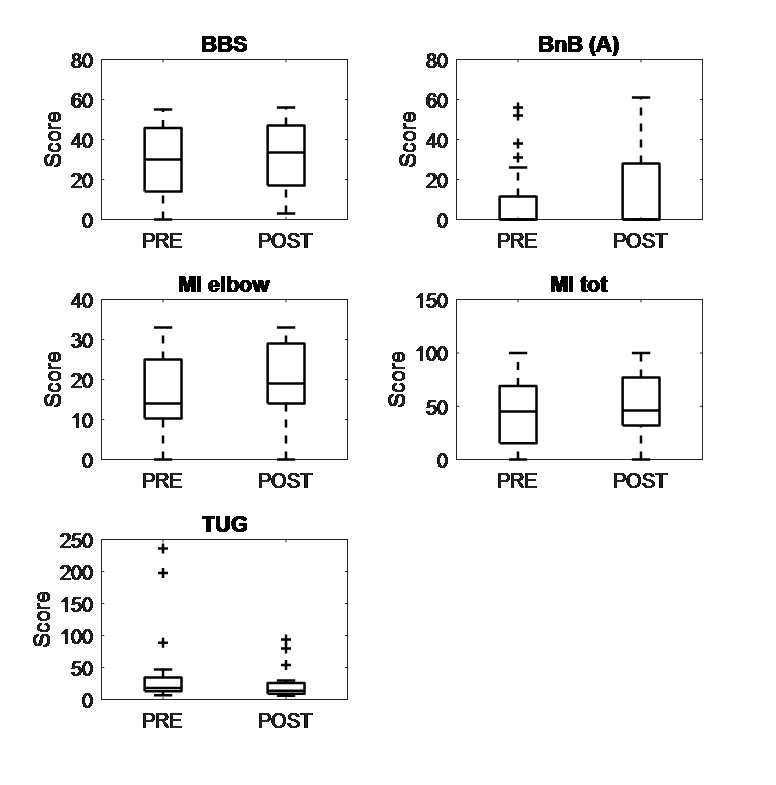 Figure 5
Peer Reviews
No public reviews on file for this paper yet. If you reviewed it on a platform where reviews are public (OpenReview, ICLR, NeurIPS, ICML), you can paste yours below so the community can read it here.
Videos
No videos yet. Explain this paper in a talk, walkthrough, or lecture? Add one.
Taxonomy
TopicsStroke Rehabilitation and Recovery · Virtual Reality Applications and Impacts · Spatial Neglect and Hemispheric Dysfunction