Large-scale genomic phylogeography provides insights into evolutionary history and conservation priorities of the white-bellied pangolin (Phataginus tricuspis)
Tong Tong Gu, Tian Ya Zhai, Yu Jiang, Bao Tong Qi, Feng Yang, Zhong Xu Zhang, Rui Yu, Oladipo Omotosho, Olajumoke Morenikeji, Hua Rong Zhang, Jing Yang Hu, Li Yu

TL;DR
This study uses large-scale genomic data to uncover the evolutionary history and conservation needs of the endangered white-bellied pangolin.
Contribution
The study identifies genetic lineages and conservation priorities using whole-genome and mitogenome data from across the species' range.
Findings
Four whole-genome and six mitochondrial genetic lineages were identified, showing mito-nuclear discordance.
Nigeria and West Africa lineages show lower genetic diversity and higher inbreeding, requiring urgent conservation action.
Population decline is linked to overexploitation, not just historical climate changes.
Abstract
The white-bellied pangolin (Phataginus tricuspis) serves as a critical biogeographic indicator for understanding faunal diversification in African rainforests and is a priority for conservation due to its status as the most heavily trafficked and endangered mammal. However, the species’ evolutionary history and the genetic consequences of population decline remain unclear. In this study, we conducted comprehensive phylogeographic and conservation genomic studies of 209 whole genomes, including 100 newly sequenced genomes, and 215 mitogenomes covering all geographic ranges. Our findings reveal four whole-genome genetic lineages and six mitochondrial genetic lineages, uncovering mito-nuclear discordance driven by deep mitochondrial divergence and the replacement of some mitochondrial lineages by nuclear lineages. We suggest that Pleistocene refugia and river barriers are hypothesized to…
Genes, proteins, chemicals, diseases, species, mutations and cell lines named across the full text — each resolved to its canonical identifier and authoritative record.
Click any figure to enlarge with its caption.
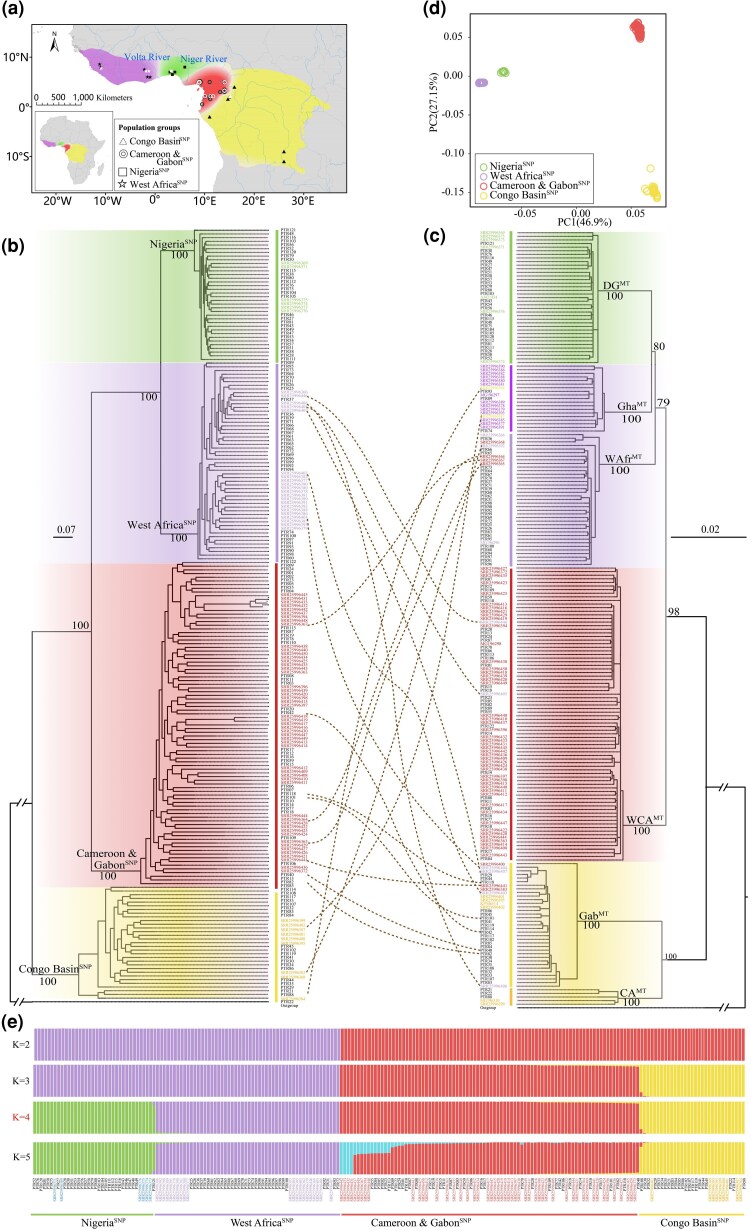 Figure 1
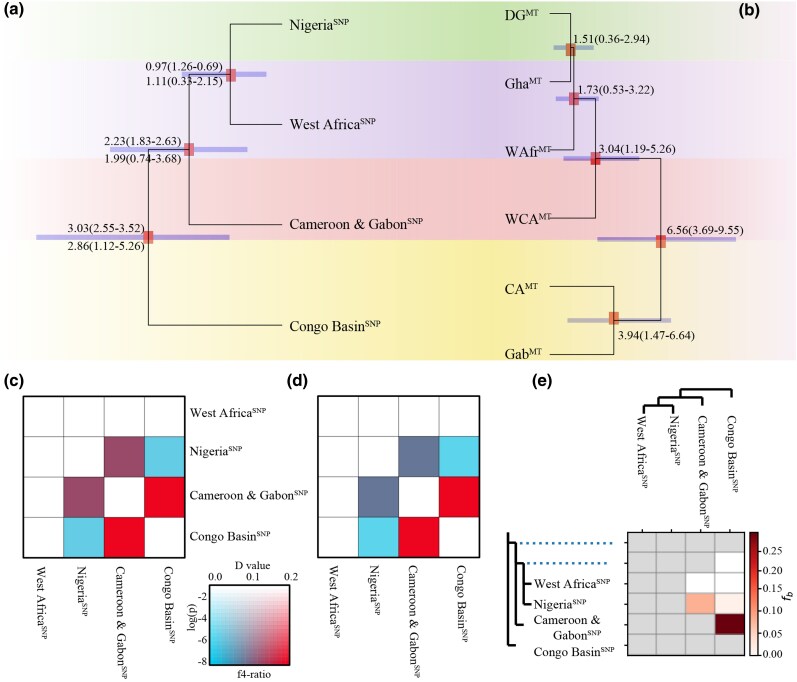 Figure 2
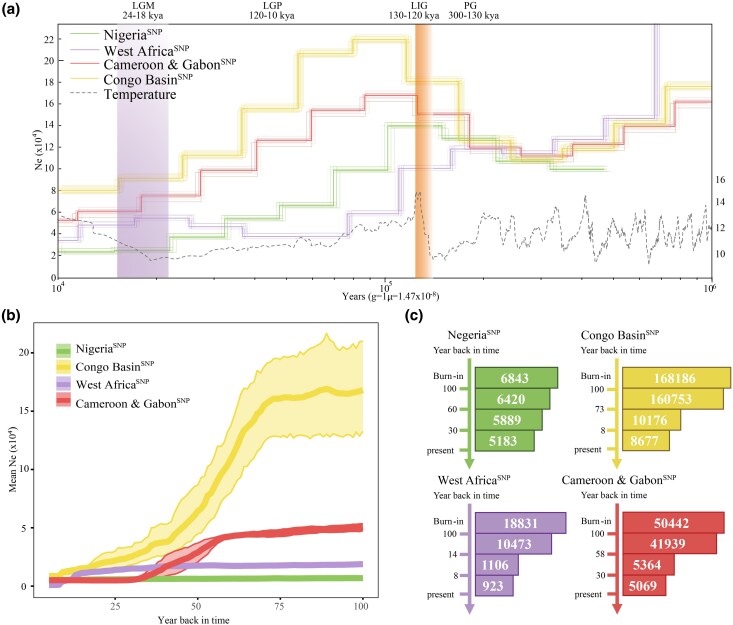 Figure 3
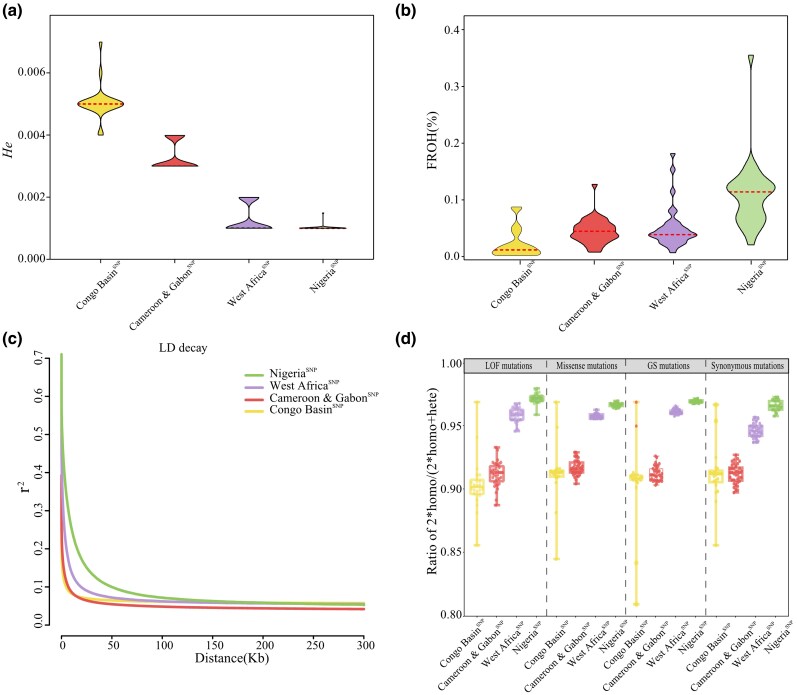 Figure 4
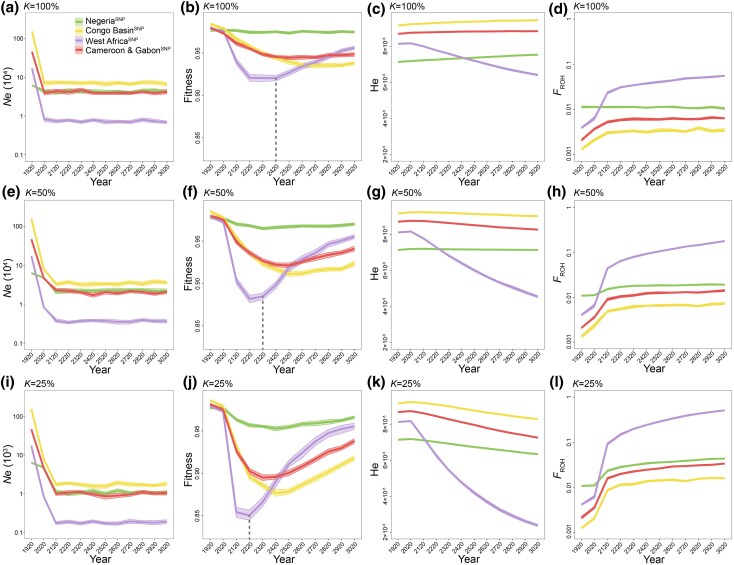 Figure 5
Peer Reviews
No public reviews on file for this paper yet. If you reviewed it on a platform where reviews are public (OpenReview, ICLR, NeurIPS, ICML), you can paste yours below so the community can read it here.
Videos
No videos yet. Explain this paper in a talk, walkthrough, or lecture? Add one.
Taxonomy
TopicsGenetic diversity and population structure · Genomics and Phylogenetic Studies · Primate Behavior and Ecology