Influence of biosilica treatments and storage receptacles on the quality of maize (Zea mays L.) and common bean (Phaseolus vulgaris L.) seeds during long-term storage
Bertrand Zing Zing, Charles Rostand Mvongo Mvodo, Valteri Audrey Voula, Lin Marcellin Messi Ambassa, Eugene Ejolle Ehabe, Placide Desiré Belibi Belibi, Charles Melea Kede, Yêyinou Laura Estelle Loko, Yêyinou Laura Estelle Loko, Yêyinou Laura Estelle Loko

TL;DR
This study shows that treating maize and bean seeds with biosilica and storing them in certain containers can reduce insect damage and improve long-term storage quality.
Contribution
The novel contribution is demonstrating biosilica's effectiveness in reducing insect damage and preserving seed viability in maize and common bean during extended storage.
Findings
Biosilica-treated seeds stored in polyethylene bags and glass jars showed reduced insect damage in common beans.
Seed viability remained above 80% for both maize and common beans after six months with biosilica treatment.
Biosilica application significantly reduced storage losses and insect perforation indices.
Abstract
Common bean (Phaseolus vulgaris L.) is a major source of affordable, high-quality dietary protein that complements maize (Zea mays L.)-based diets. Traditional storage of these seeds in sacks and glass jars without treatment often leads to infestation by insect pests, such as Acanthoscelides obtectus and Sitophilus zeamais, causing significant grain losses. This study evaluated grain damage and weight loss after mixing biosilica with maize and common bean seeds, which were stored in various containers (glass jars, polyethylene, and polypropylene bags) over a six-month period, during which seed viability was also assessed. Although the initial moisture level (≤ 13%) was favourable for storage for both grain species, about half of the common bean cultivars (FEB 190 and NUV6) and two-thirds of the maize cultivars (CMS 8501 and CMS 8704) were adversely affected after prolonged storage…
Genes, proteins, chemicals, diseases, species, mutations and cell lines named across the full text — each resolved to its canonical identifier and authoritative record.
Click any figure to enlarge with its caption.
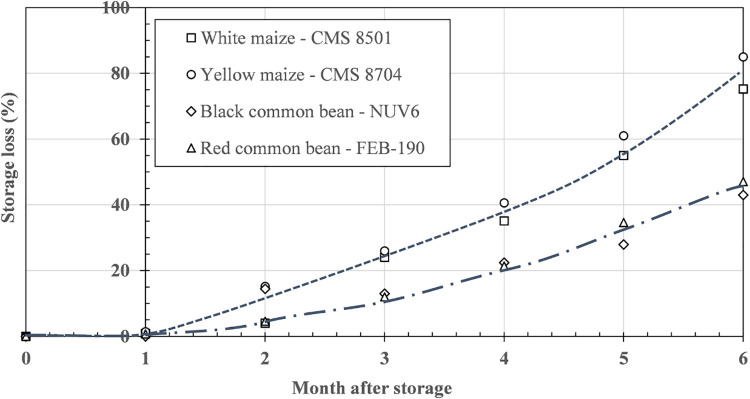 Figure 1
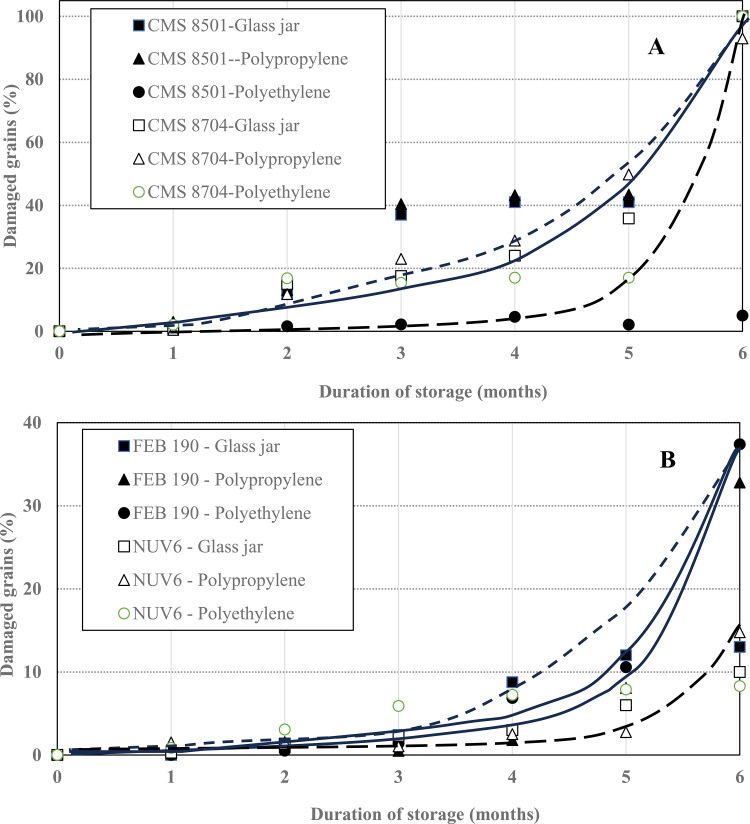 Figure 2
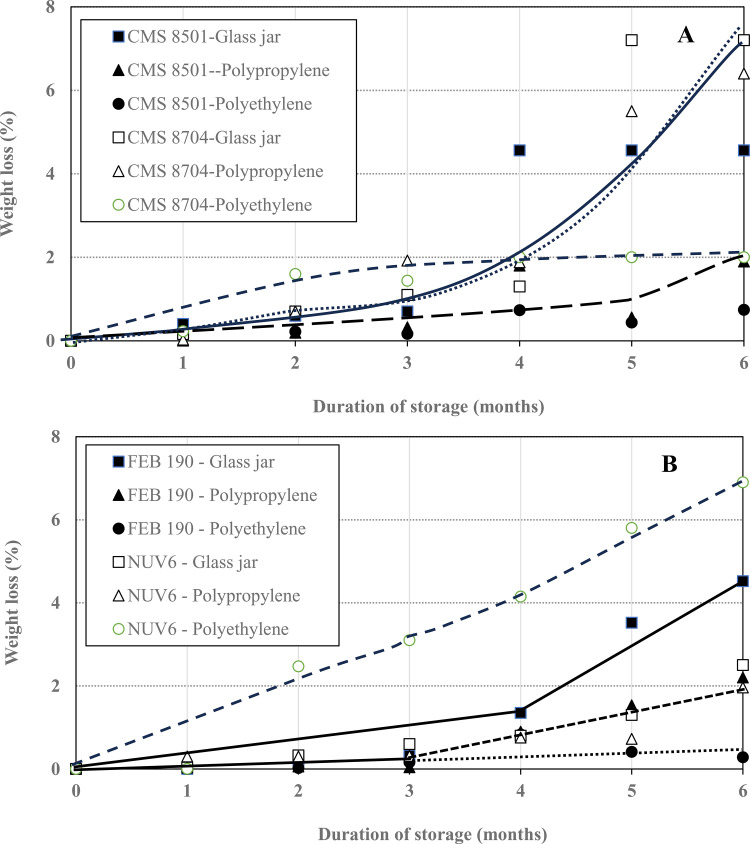 Figure 3
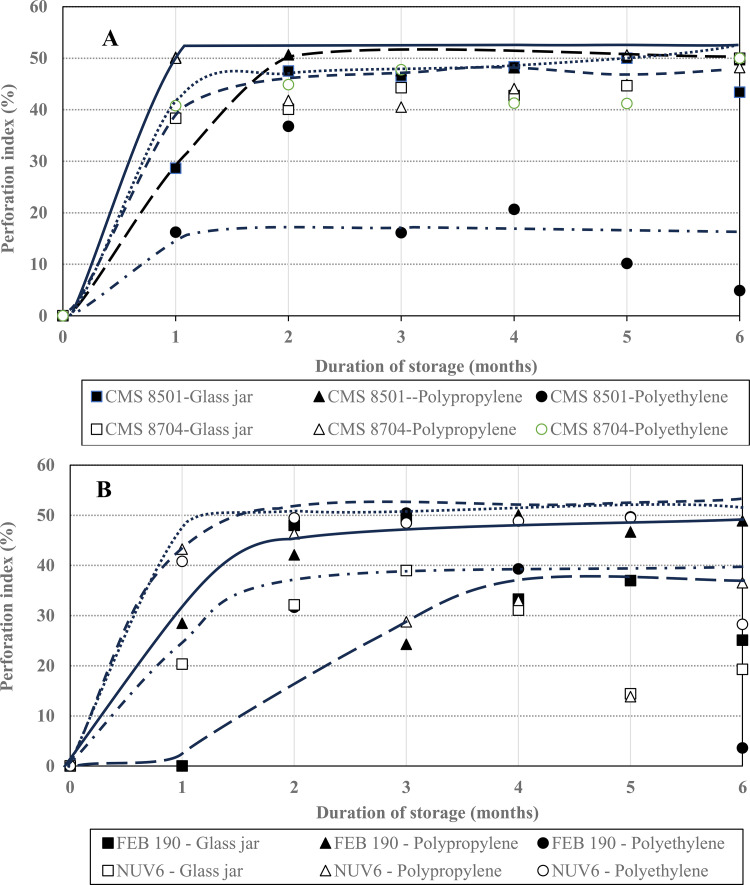 Figure 4
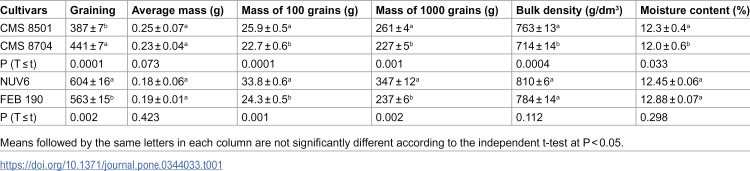 Figure 5
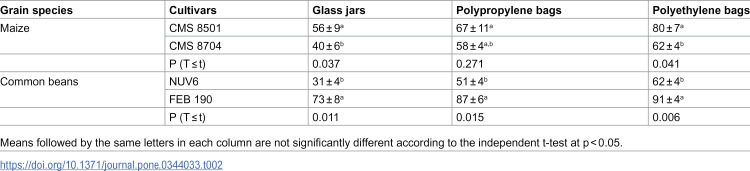 Figure 6
Peer Reviews
No public reviews on file for this paper yet. If you reviewed it on a platform where reviews are public (OpenReview, ICLR, NeurIPS, ICML), you can paste yours below so the community can read it here.
Videos
No videos yet. Explain this paper in a talk, walkthrough, or lecture? Add one.
Taxonomy
TopicsInsect Pest Control Strategies · Silicon Effects in Agriculture · Seed Germination and Physiology