Comprehensive methodology for sample enrichment in EEG biomarker studies for Alzheimer’s risk classification
Verónica Henao Isaza, David Aguillon, Carlos Andrés Tobón-Quintero, Francisco Lopera, John Fredy Ochoa-Gómez, Diego A. Forero, Diego A. Forero, Diego A. Forero

TL;DR
This paper introduces a new framework to improve EEG biomarker studies for Alzheimer’s risk by harmonizing data and using statistical balancing techniques.
Contribution
A novel EEG sample enrichment framework combining data harmonization and Propensity Score Matching to enhance Alzheimer’s risk classification.
Findings
Sample enrichment via PSM improved classification accuracy with decision tree models achieving 0.91–0.96 accuracy.
Higher enrichment ratios increased model stability and generalizability as shown by learning curves and confusion matrices.
Abstract
Dementia, particularly Alzheimer’s disease (AD), constitutes a major global health concern, with AD accounting for approximately 70% of all cases. EEG-based biomarkers hold promise for early identification of individuals at risk; however, small and heterogeneous samples frequently limit generalizability. An EEG-based sample enrichment framework was developed by integrating advanced signal processing, component-level feature extraction, data harmonization (neuroHarmonize), and Propensity Score Matching (PSM). EEG data from four independent cohorts were harmonized to reduce site-related variability while preserving covariates such as age and sex. Features including power, entropy, coherence, synchronization likelihood, and cross-frequency coupling were extracted from independent components. PSM was applied at 2:1, 5:1, and 10:1 ratios to expand and balance the control group (HC) relative…
Genes, proteins, chemicals, diseases, species, mutations and cell lines named across the full text — each resolved to its canonical identifier and authoritative record.
Click any figure to enlarge with its caption.
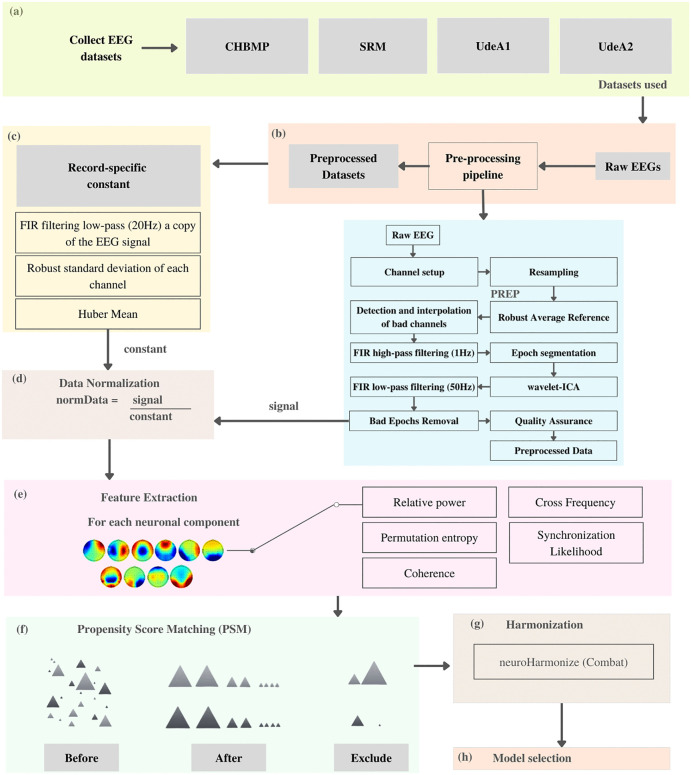 Figure 1
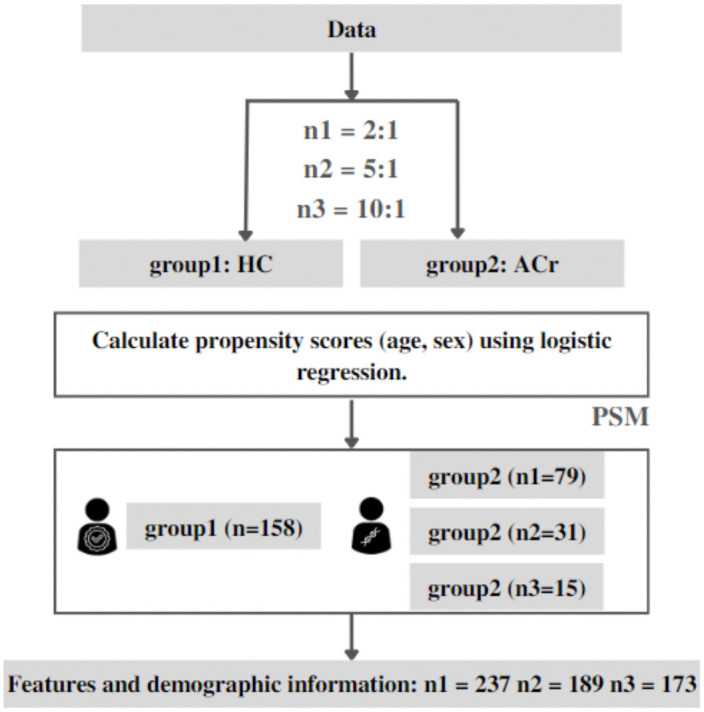 Figure 2
 Figure 3
 Figure 4
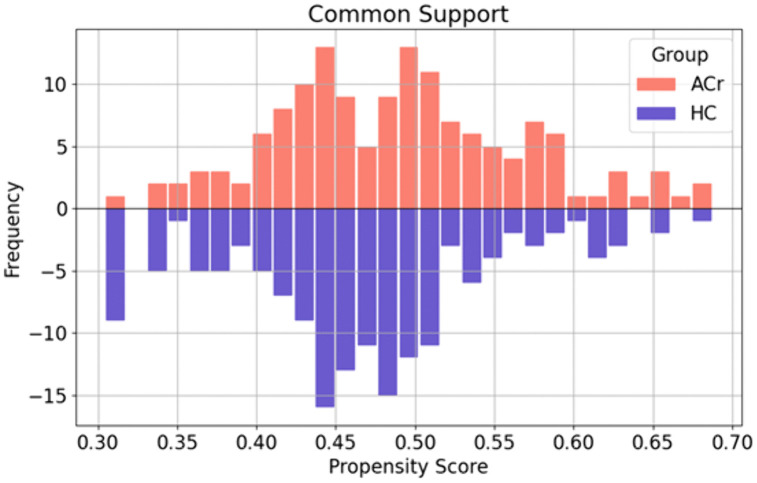 Figure 5
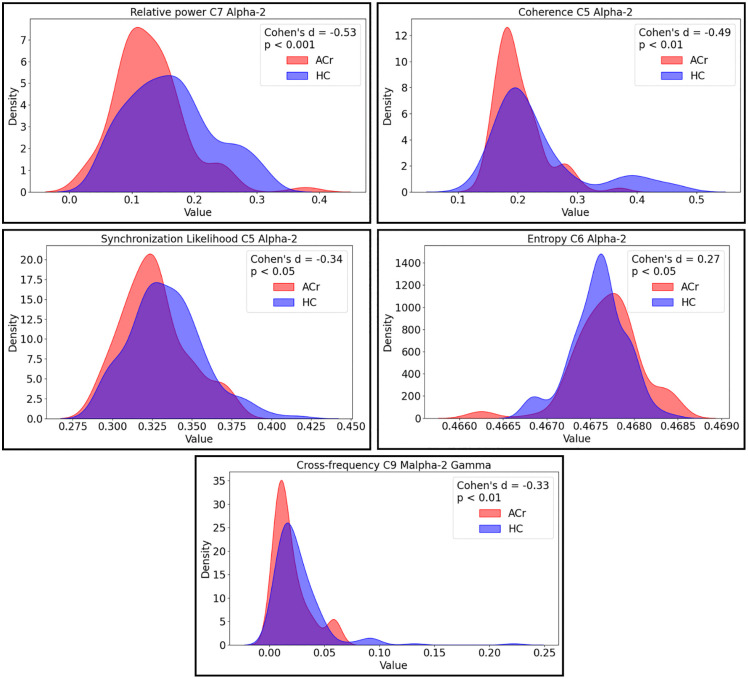 Figure 6
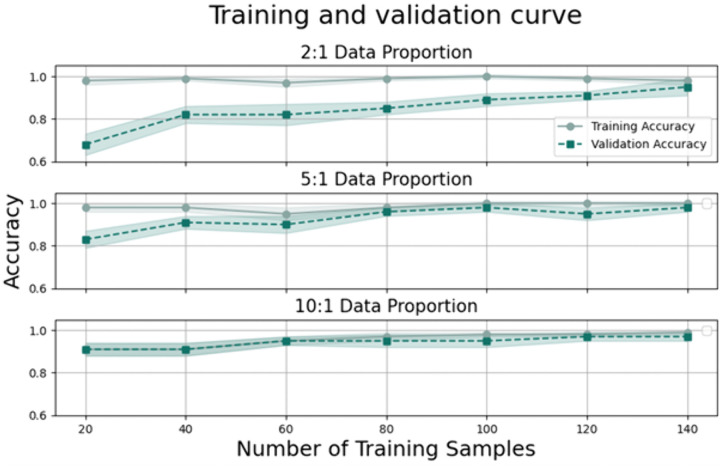 Figure 7
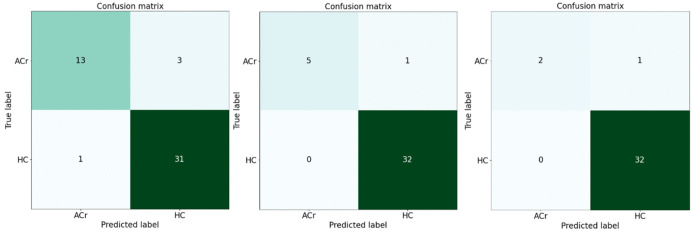 Figure 8
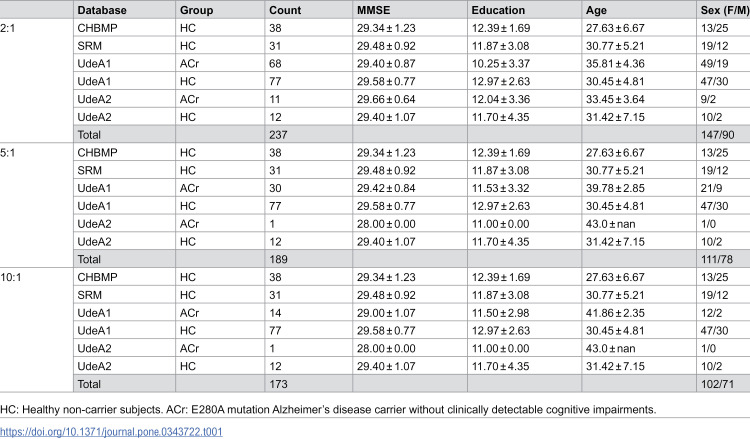 Figure 9
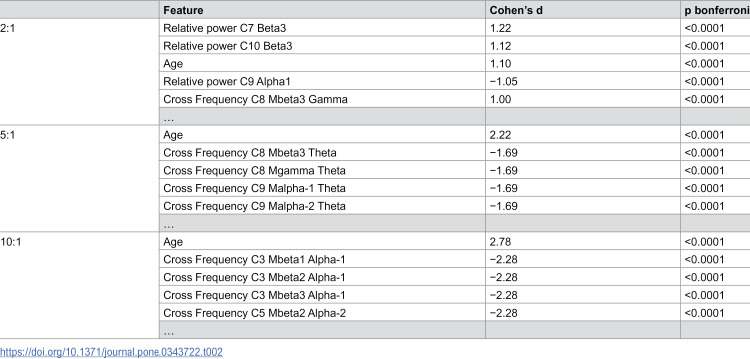 Figure 10
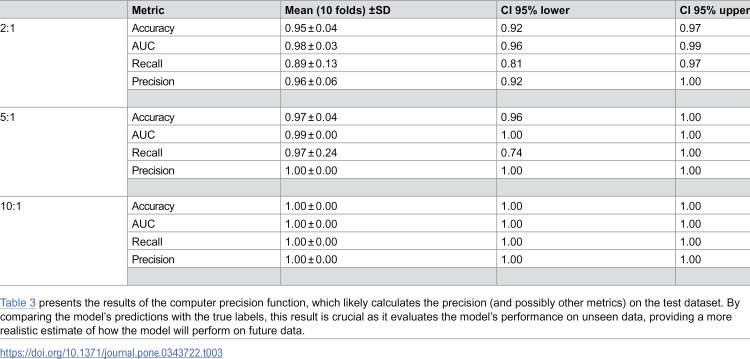 Figure 11
Peer Reviews
No public reviews on file for this paper yet. If you reviewed it on a platform where reviews are public (OpenReview, ICLR, NeurIPS, ICML), you can paste yours below so the community can read it here.
Videos
No videos yet. Explain this paper in a talk, walkthrough, or lecture? Add one.
Taxonomy
TopicsDementia and Cognitive Impairment Research · Alzheimer's disease research and treatments · Functional Brain Connectivity Studies