Comparison of neonatal systemic and intracerebroventricular AAV9 gene therapy delivery demonstrating improved behavioral and phenotypic outcomes in a mouse model of Niemann-Pick disease, type C1
Benjamin E. Epstein, Gabrielle M. Soden, Arturo A. Incao, Avani Mylvara, Jonathan Flynn, Fatih Ozsolak, William J. Pavan, Kent Lai, Kent Lai, Kent Lai

TL;DR
This study compares different gene therapy delivery methods in a mouse model of Niemann-Pick disease, type C1, showing that early treatment improves survival and reduces disease symptoms.
Contribution
The study demonstrates that neonatal systemic delivery of AAV9 gene therapy is as effective as intracerebroventricular delivery for treating NPC in mice.
Findings
Neonatal systemic delivery of AAV9 gene therapy significantly improved survival and slowed disease progression.
Both neonatal systemic and intracerebroventricular delivery achieved near-total Purkinje cell rescue.
There was no difference in efficacy between the EF1α and Mecp2 promoters used in the study.
Abstract
Niemann-Pick disease, type C (NPC), is an inherited fatal lysosomal storage disorder caused by a mutation in the NPC1 or NPC2 genes and characterized by impaired lysosomal cholesterol export. Previous studies have demonstrated that delivery of the NPC1 gene to the central nervous system (CNS) via an adeno-associated virus (AAV) can substantially improve lifespan and mitigate signs of disease in Npc1-deficient mouse models of NPC. To determine the optimal parameters for an efficacious AAV-based gene therapy for NPC, we measured the survival and disease phenotypes of mice treated systemically as neonates or at weaning age, along with neonatal mice treated via intracerebroventricular (ICV) delivery, with a construct containing either a ubiquitous truncated EF1α promoter or a truncated Mecp2 promoter. While all constructs and delivery methods resulted in improvement compared with baseline,…
Genes, proteins, chemicals, diseases, species, mutations and cell lines named across the full text — each resolved to its canonical identifier and authoritative record.
Click any figure to enlarge with its caption.
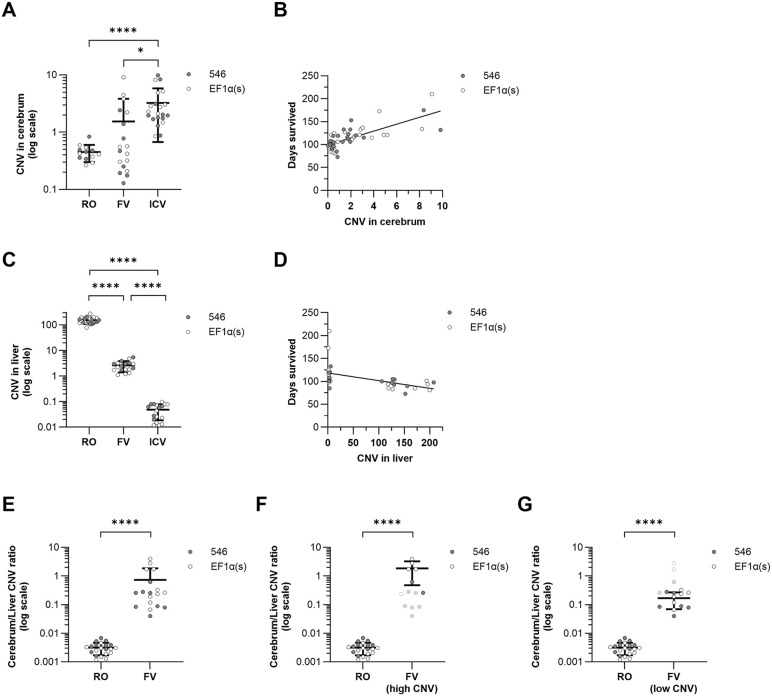 Figure 1
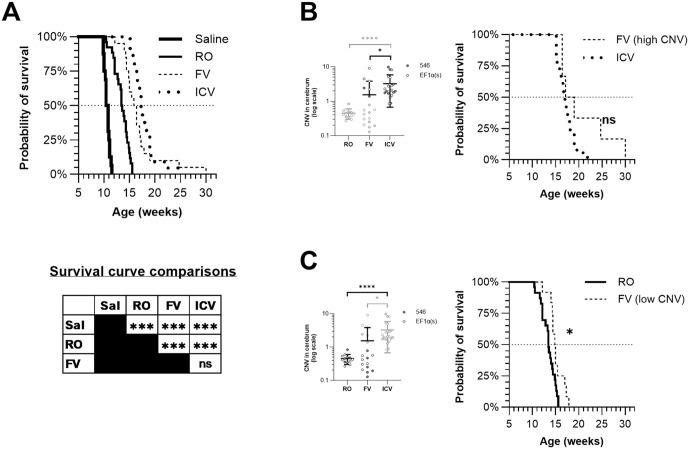 Figure 2
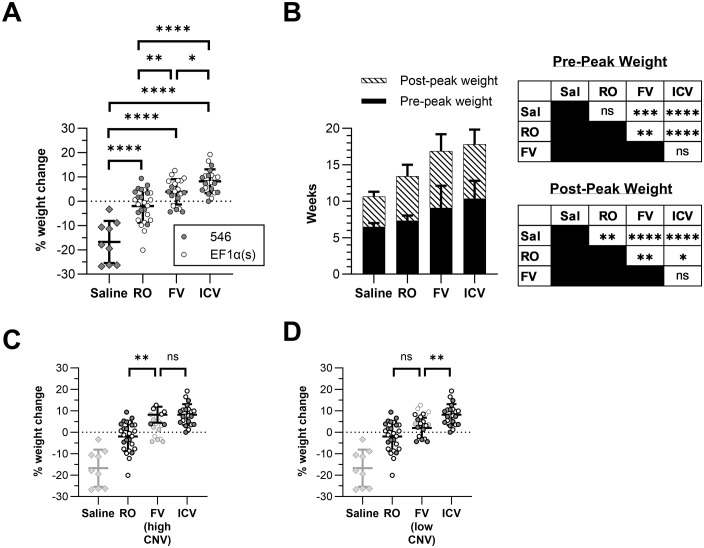 Figure 3
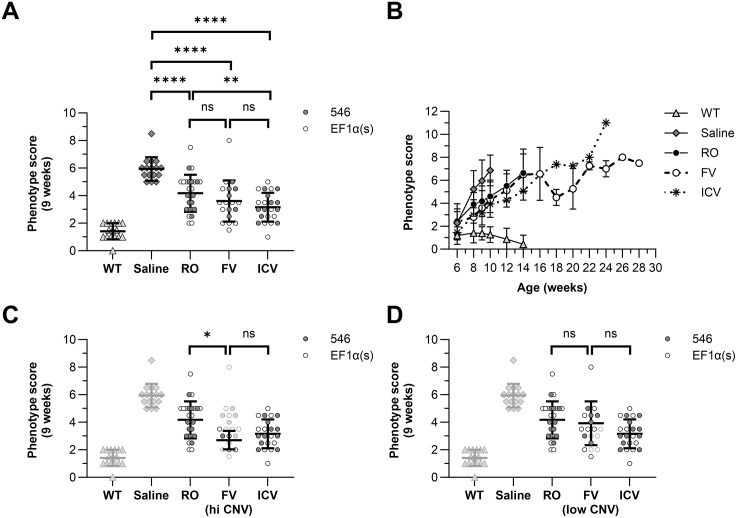 Figure 4
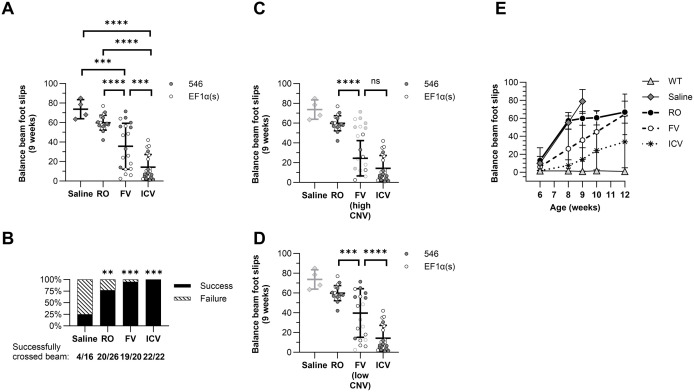 Figure 5
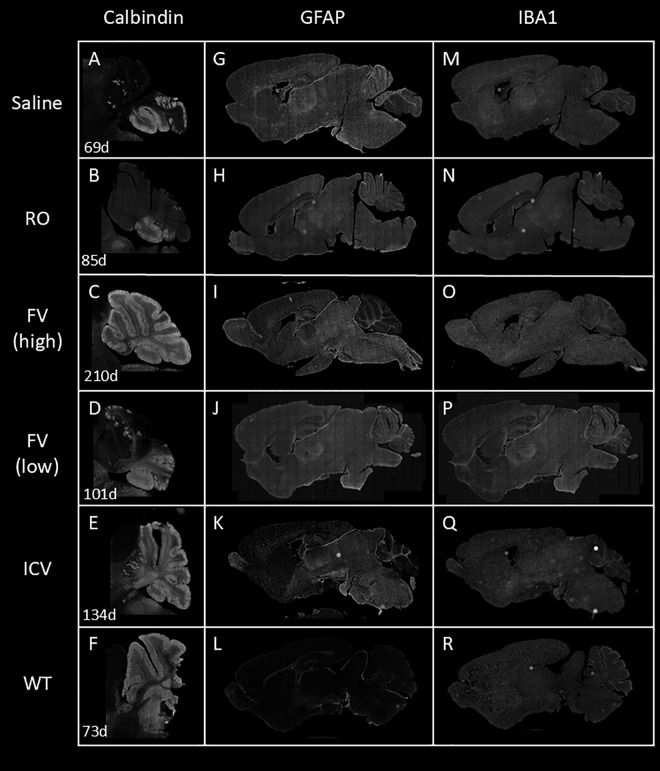 Figure 6
 Figure 7
Peer Reviews
No public reviews on file for this paper yet. If you reviewed it on a platform where reviews are public (OpenReview, ICLR, NeurIPS, ICML), you can paste yours below so the community can read it here.
Videos
No videos yet. Explain this paper in a talk, walkthrough, or lecture? Add one.
Taxonomy
TopicsLysosomal Storage Disorders Research · Calcium signaling and nucleotide metabolism · Trypanosoma species research and implications