Colorectal adenoma presence is associated with decreased menaquinone pathway functions in the gut microbiome of patients undergoing routine colonoscopy
Ilona Vilkoite, Ivars Silamiķelis, Jānis Kloviņš, Ivars Tolmanis, Aivars Lejnieks, Elīna Runce, Krista Cēbere, Ksenija Margole, Olga Sjomina, Laila Silamiķele, Jad El Masri, Jad El Masri, Jad El Masri

TL;DR
This study finds that gut microbes in people with colorectal adenomas show reduced functions related to vitamin K₂ and other key metabolic processes, suggesting early signs of gut dysbiosis linked to cancer risk.
Contribution
The study identifies specific functional microbiome changes associated with early colorectal adenomas, highlighting potential biomarkers for dysbiosis and cancer prevention.
Findings
Adenoma presence correlates with reduced gut microbial functions for menaquinone (vitamin K₂) biosynthesis and propionate production.
Adenoma-positive patients show increased Bacteroides and Prevotella and decreased Faecalibacterium and Anaerostipes at the genus level.
A single species-level feature, UBA7597 sp003448195, is enriched in the adenoma group.
Abstract
Colorectal adenomas are key precancerous lesions and a major target for colorectal cancer prevention. While gut microbiome alterations are well described in colorectal cancer, microbial composition and functional capacity at the adenoma stage remain poorly understood. Emerging metagenomic data suggest early adenomas are associated with loss of microbial metabolic functions supporting epithelial and immune homeostasis. To investigate the association between gut microbiome composition and functional pathways and the presence of colorectal adenomas in patients undergoing routine colonoscopy. This cross-sectional case–control study included adult patients undergoing routine colonoscopy. Participants were enrolled based on strict inclusion and exclusion criteria to minimize confounding factors such as inflammatory bowel disease, prior colorectal surgery, and recent antibiotic or probiotic…
Genes, proteins, chemicals, diseases, species, mutations and cell lines named across the full text — each resolved to its canonical identifier and authoritative record.
Click any figure to enlarge with its caption.
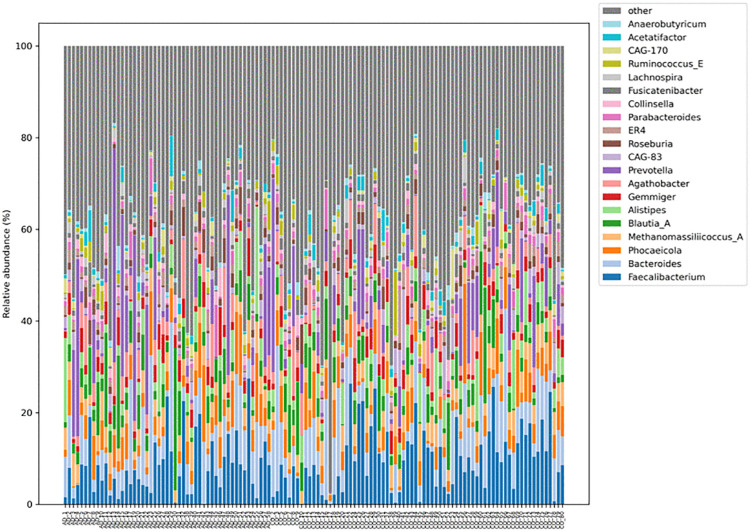 Figure 1
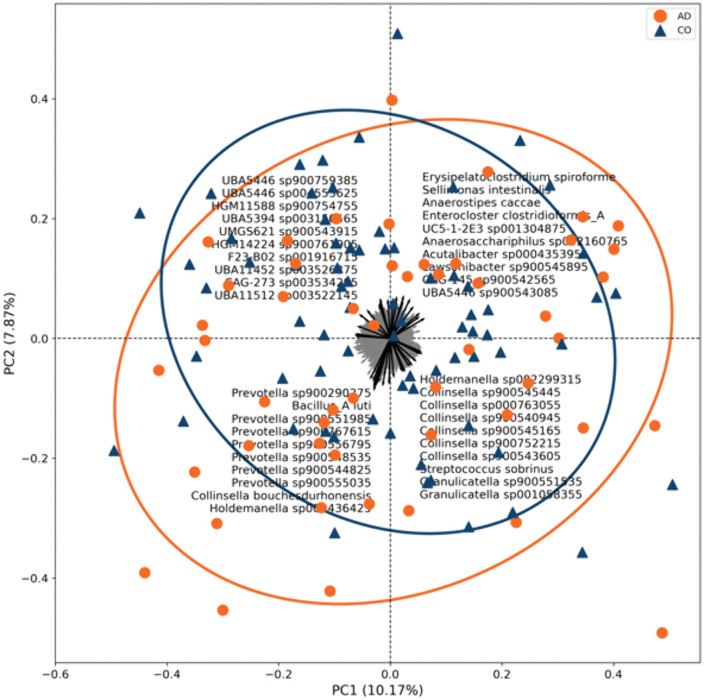 Figure 2
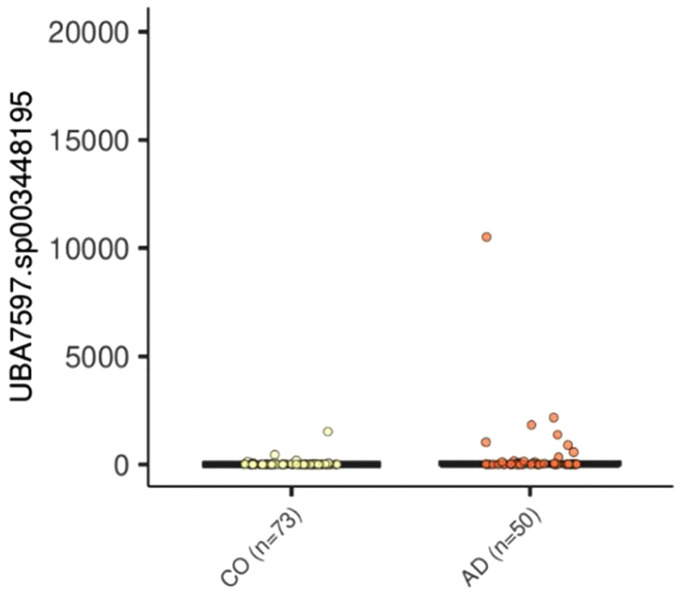 Figure 3
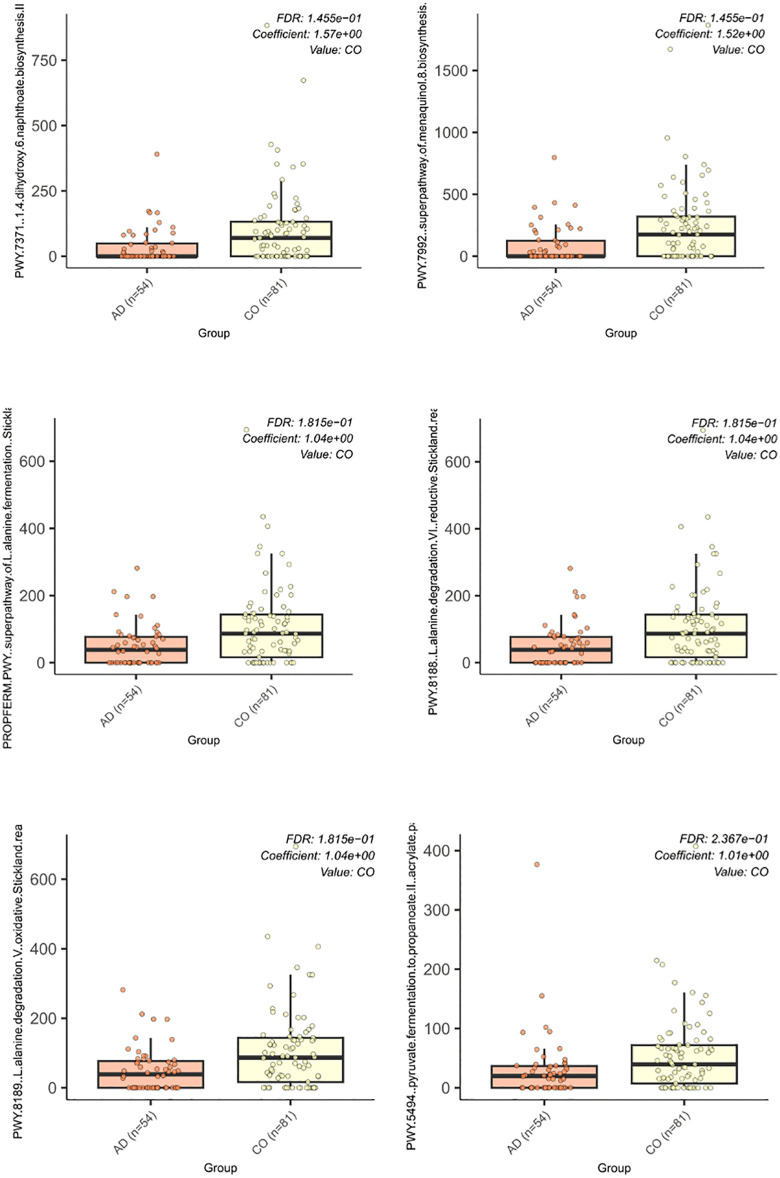 Figure 4
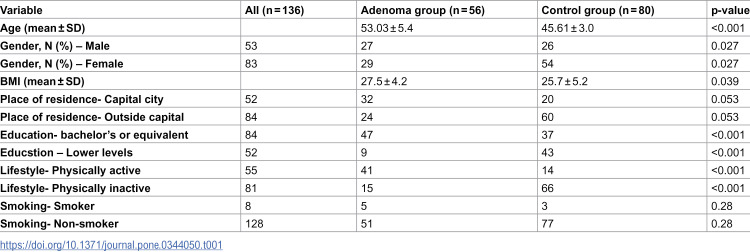 Figure 5
Peer Reviews
No public reviews on file for this paper yet. If you reviewed it on a platform where reviews are public (OpenReview, ICLR, NeurIPS, ICML), you can paste yours below so the community can read it here.
Videos
No videos yet. Explain this paper in a talk, walkthrough, or lecture? Add one.
Taxonomy
TopicsColorectal Cancer Screening and Detection · Vitamin K Research Studies · Gut microbiota and health