Barriers to and facilitators of timely family consent in caesarean sections: Experiences, perspectives and associated factors–a mixed-methods study in Somaliland
Jonah Kiruja, Fatumo Osman, Helena Litorp, Jama Ali Egal, Amina Esse, Marie Klingberg-Allvin

TL;DR
This study explores why family consent for caesarean sections in Somaliland is delayed and what can help speed up the process.
Contribution
The study identifies sociocultural and communication barriers to timely family consent for caesarean sections in Somaliland.
Findings
Women with hypertensive disorders or obstetric haemorrhage had higher odds of late family consent.
Barriers include poor communication, delayed informed choice, and absence of the person providing consent.
Facilitators include the husband's autonomous decision-making and adequate information disclosure.
Abstract
In many countries, the consent for caesarean section (CS), when indicated, is made by the woman herself. However, in Somaliland, the family (husband, father, or other close male family member) are required to make the consent for CS to be performed, a process that can be time-consuming and result in adverse outcomes. This study aimed to investigate the barriers to and facilitators of timely family consent in caesarean sections at the national referral hospital in Somaliland. A convergent mixed-methods study with a parallel sampling method was conducted at the national referral hospital in Somaliland. Quantitative data was collected on timely vs. late family consent for CS, as well as sociodemographic and obstetric characteristics. Data were analysed using binary and multivariable logistic regression. In addition, in-depth interviews were conducted and analysed using thematic analysis.…
Genes, proteins, chemicals, diseases, species, mutations and cell lines named across the full text — each resolved to its canonical identifier and authoritative record.
Click any figure to enlarge with its caption.
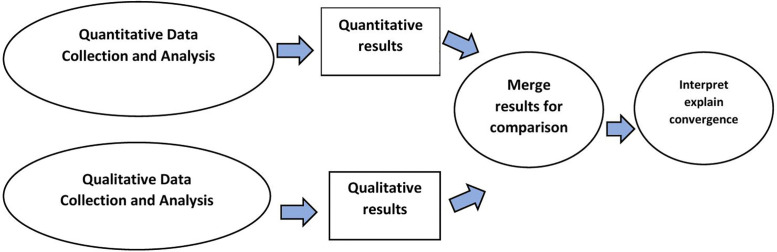 Figure 1
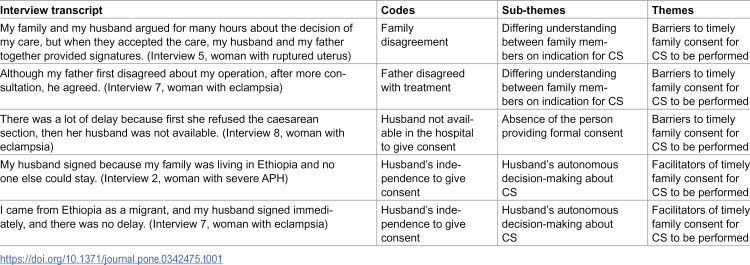 Figure 2
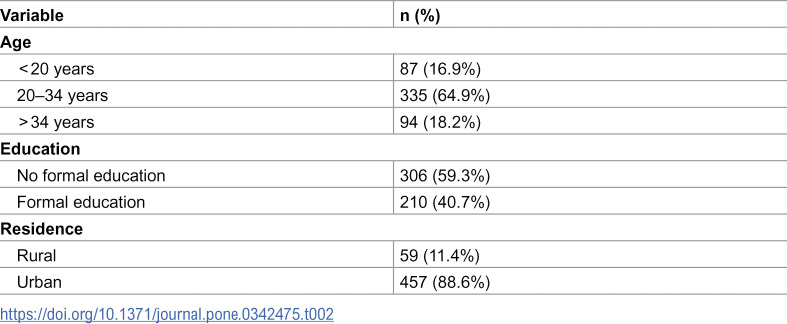 Figure 3
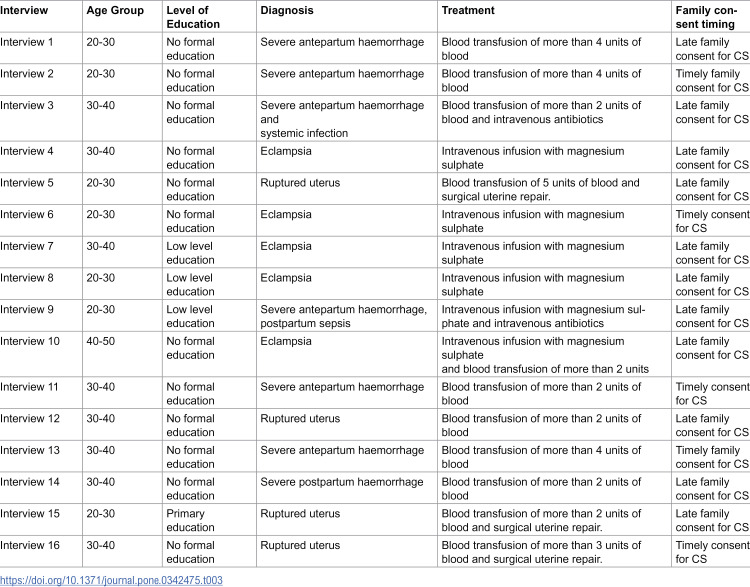 Figure 4
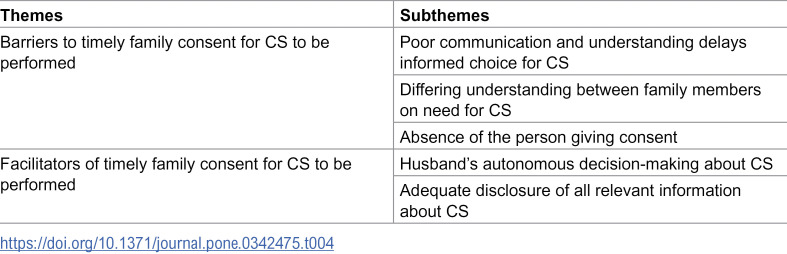 Figure 5
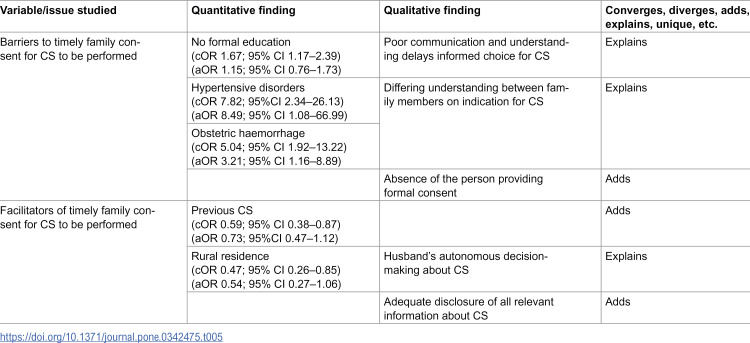 Figure 6
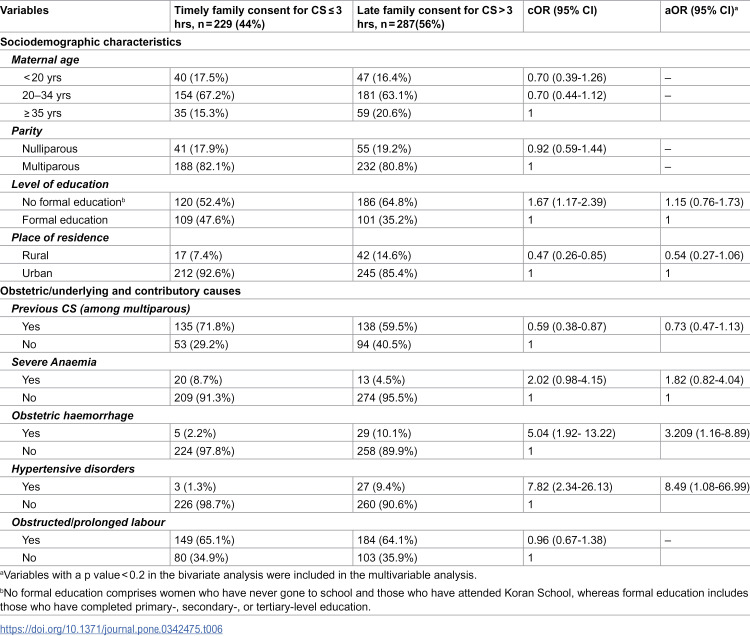 Figure 7
Peer Reviews
No public reviews on file for this paper yet. If you reviewed it on a platform where reviews are public (OpenReview, ICLR, NeurIPS, ICML), you can paste yours below so the community can read it here.
Videos
No videos yet. Explain this paper in a talk, walkthrough, or lecture? Add one.
Taxonomy
TopicsPregnancy and Medication Impact · Global Maternal and Child Health · Sex and Gender in Healthcare