Visual processing of musical syntax and its relationship to sight-reading ability
Yeoeun Lim, Andrew Goldman, Bruno Alejandro Mesz, Bruno Alejandro Mesz, Bruno Alejandro Mesz

TL;DR
The study explores how musicians visually process musical syntax and how this relates to their sight-reading ability.
Contribution
The research introduces a novel approach to examining visual processing of harmonic syntax in symbolic musical notation.
Findings
Harmonically less predictable chords required longer reading times, indicating sensitivity to harmonic predictability.
Accurate sight-readers showed faster chord reading times regardless of harmonic predictability.
Visual processing efficiency may be more critical than syntactic knowledge for sight-reading proficiency.
Abstract
Sight-reading—performing music by reading written notation without prior practice—is a fundamental skill for musicians, yet there is considerable variability in sight-reading ability that technical proficiency alone does not explain. Instead, cognitive mechanisms may explain differences in sight-reading expertise. Prediction of upcoming music is crucial for fluent sight-reading, and these predictions rely on knowledge of harmonic syntax—principles for ordering musical elements. Two research gaps remain: First, no study has directly examined how individual differences in sensitivity to harmonic syntax may relate to sight-reading proficiency. Second, while studies have shown that harmonic syntax can be processed through visual observation of musical actions without sound, it remains unclear whether similar sensitivity emerges during the reading of symbolic musical notation—a context more…
Genes, proteins, chemicals, diseases, species, mutations and cell lines named across the full text — each resolved to its canonical identifier and authoritative record.
Click any figure to enlarge with its caption.
 Figure 1
 Figure 2
 Figure 3
 Figure 4
 Figure 5
 Figure 6
 Figure 7
 Figure 8
 Figure 9
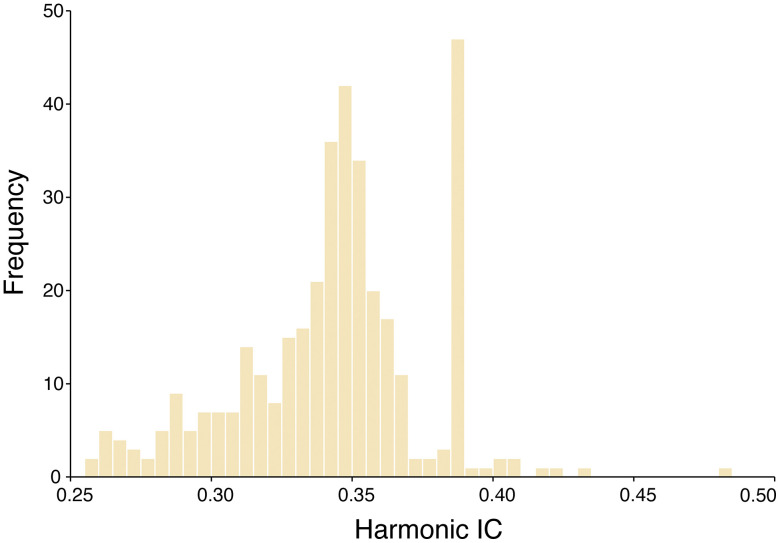 Figure 10
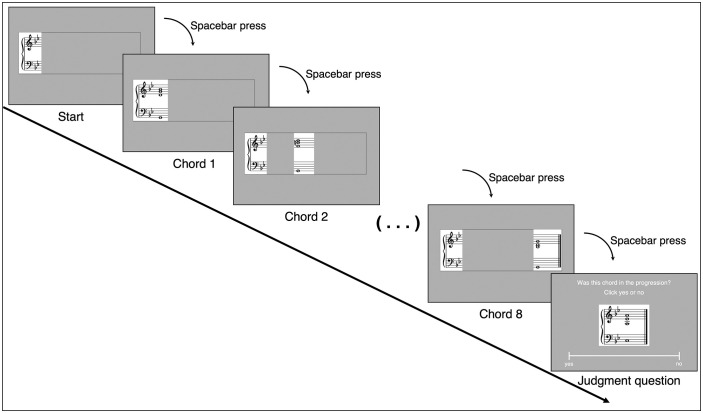 Figure 11
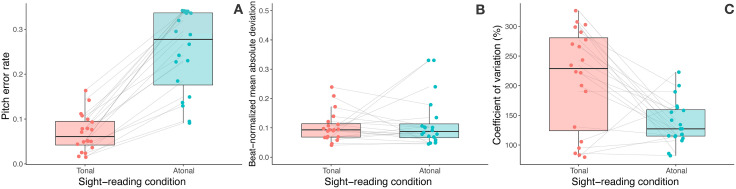 Figure 12
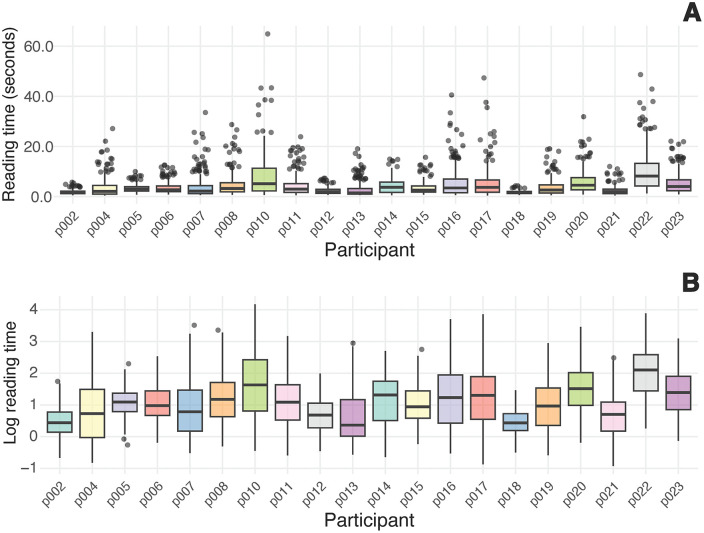 Figure 13
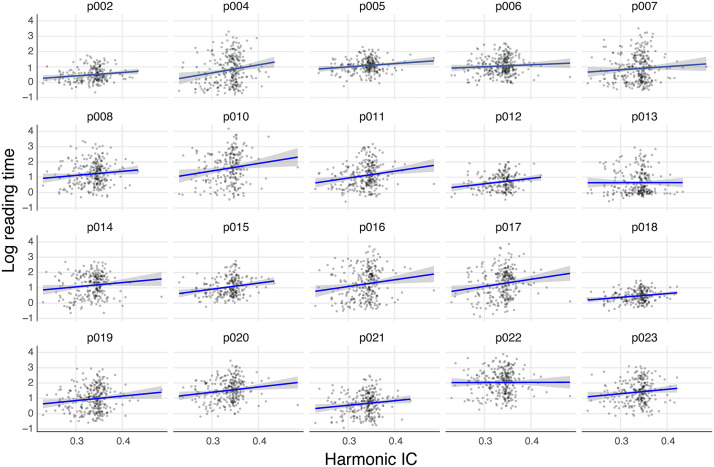 Figure 14
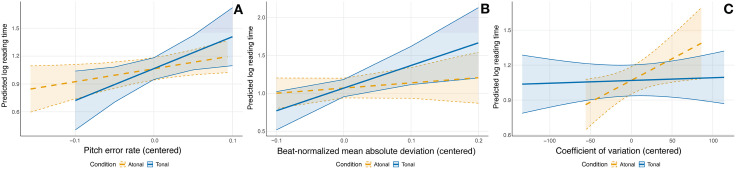 Figure 15
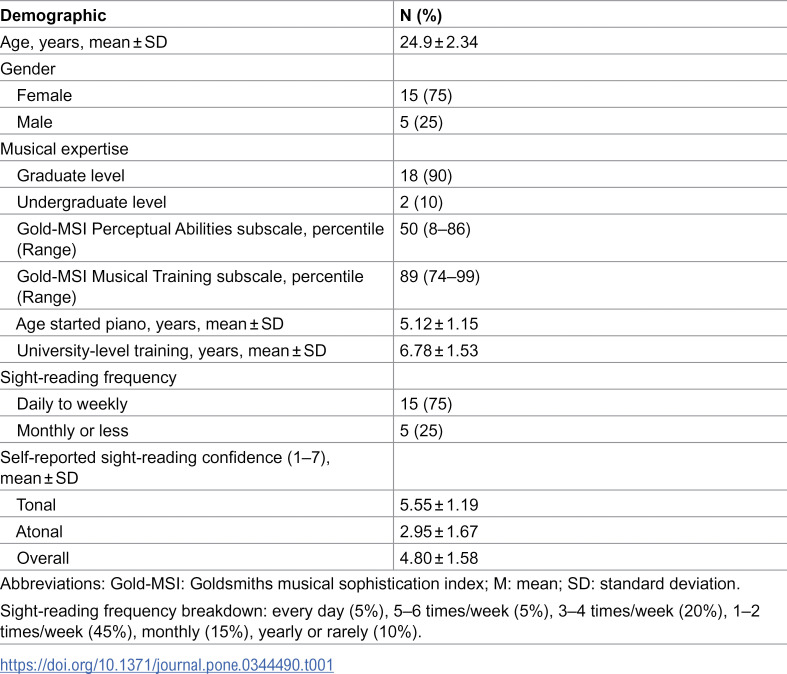 Figure 16
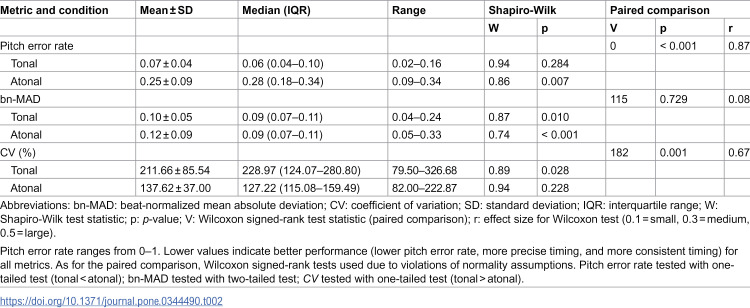 Figure 17
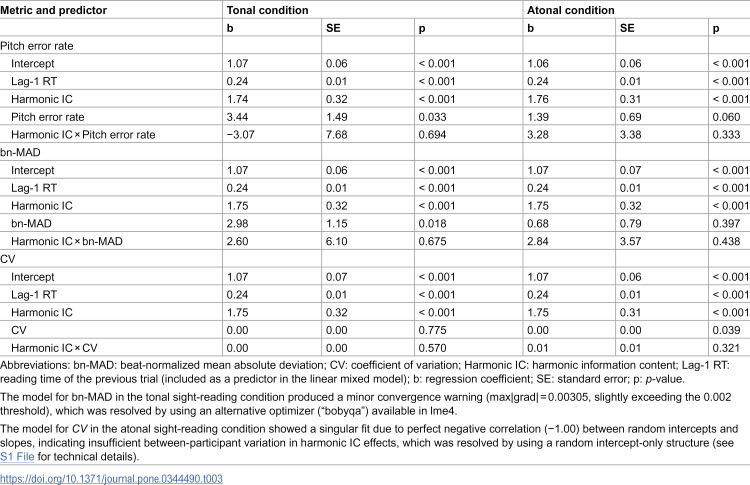 Figure 18
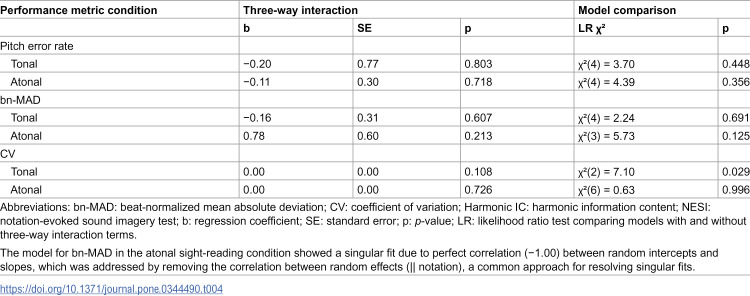 Figure 19
Peer Reviews
No public reviews on file for this paper yet. If you reviewed it on a platform where reviews are public (OpenReview, ICLR, NeurIPS, ICML), you can paste yours below so the community can read it here.
Videos
No videos yet. Explain this paper in a talk, walkthrough, or lecture? Add one.
Taxonomy
TopicsNeuroscience and Music Perception · Diverse Music Education Insights · Music Technology and Sound Studies