A social network analysis of fraud prediction on crowdsourcing platforms
Wenjie Zhang, Zhiyuan Nong, Changyu Hu, Naga Ramesh Palakurti, Naga Ramesh Palakurti, Naga Ramesh Palakurti

TL;DR
This paper uses social network analysis to detect fraud in crowdsourcing platforms by identifying differences in network features between fraudulent and legitimate users.
Contribution
The study introduces social network metrics as a novel approach for detecting fraud in crowdsourcing contests.
Findings
Fraudulent seekers show distinct differences in centrality measures compared to legitimate users.
Social network features like degree and betweenness centrality effectively identify potential fraud.
Clustering coefficients and structural equivalence also reveal significant differences between user types.
Abstract
In the context of crowdsourcing contests, where winners take all, attracting high-quality solvers and solutions presents a significant challenge. A key issue in this environment is protecting solvers’ intellectual property and preventing fraud risks such as solution plagiarism and theft. Addressing these challenges is essential for maintaining the integrity of the platform and encouraging innovation. This study applies social network analysis to examine the structural characteristics of fraudulent seekers and investigate whether they exhibit distinct social network features compared to legitimate users. Specifically, we focus on centrality, cohesion, and structural equivalence to identify potential markers of fraudulent intent. Using a dataset from 9,282 contest projects initiated in China in 2014, involving 6,241 active users and 246 fraudulent seekers, we tested a fraud detection…
Genes, proteins, chemicals, diseases, species, mutations and cell lines named across the full text — each resolved to its canonical identifier and authoritative record.
Click any figure to enlarge with its caption.
 Figure 1
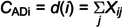 Figure 2
 Figure 3
 Figure 4
 Figure 5
 Figure 6
 Figure 7
 Figure 8
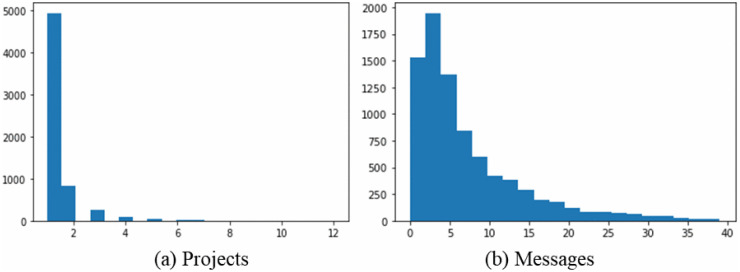 Figure 9
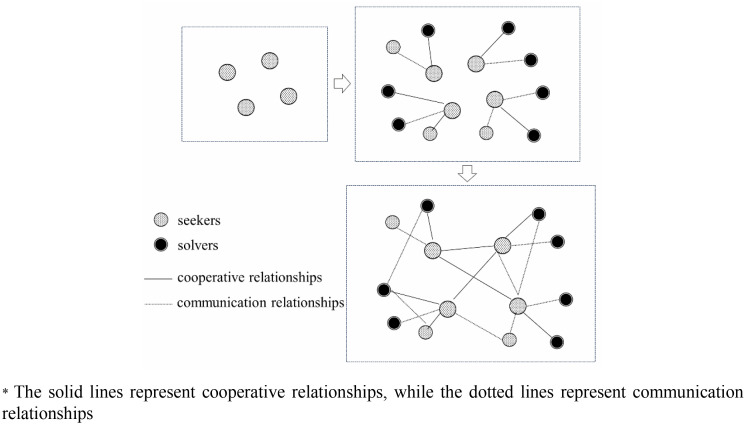 Figure 10
 Figure 11
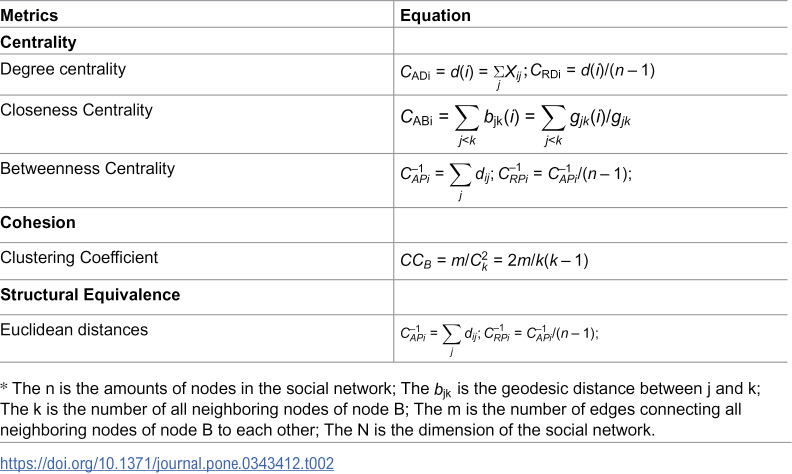 Figure 12
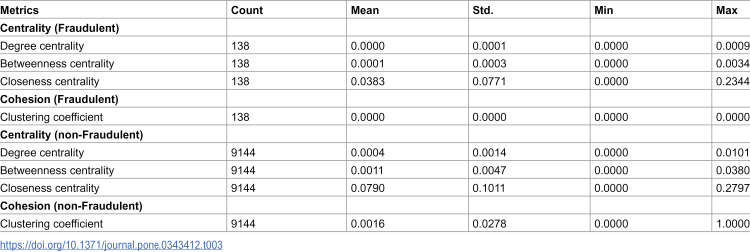 Figure 13
 Figure 14
 Figure 15
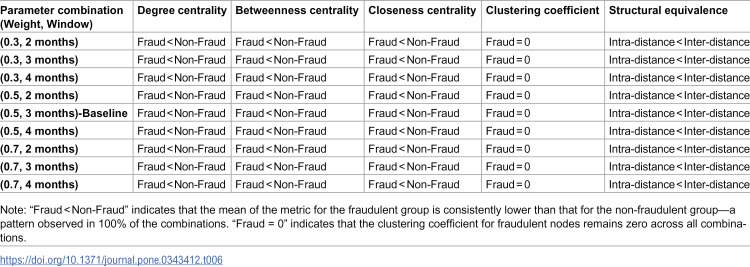 Figure 16
 Figure 17
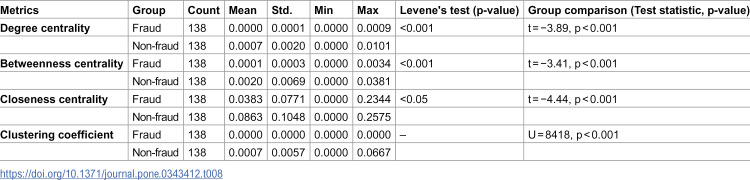 Figure 18
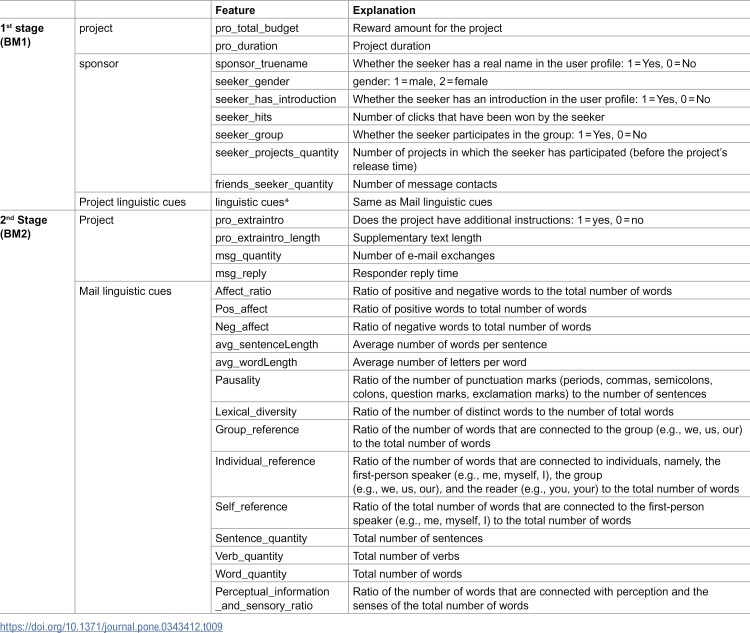 Figure 19
 Figure 20
Peer Reviews
No public reviews on file for this paper yet. If you reviewed it on a platform where reviews are public (OpenReview, ICLR, NeurIPS, ICML), you can paste yours below so the community can read it here.
Videos
No videos yet. Explain this paper in a talk, walkthrough, or lecture? Add one.
Taxonomy
TopicsMobile Crowdsensing and Crowdsourcing · Open Source Software Innovations · Spam and Phishing Detection