Exposure to high-altitude hypobaric hypoxic environment induces low-frequency hearing loss in C57BL/6J mice: Mediated by slowing down the postsynaptic electrical signal transmission speed in the cochlear-inferior colliculus auditory signaling pathway
Benhong Ren, Qingping Zhang, Wenyuan Gan, Guanghao Yue, Shanhong Li, Xiaoli Zhang, Wenjun Cao, Feng Tang, Ying Zhang, Bin Guo, Yi Wang, Gauri Mankekar, Gauri Mankekar, Gauri Mankekar

TL;DR
Exposure to high-altitude hypoxia causes low-frequency hearing loss in mice due to slowed signal transmission in the auditory pathway.
Contribution
Identifies a novel mechanism linking high-altitude hypoxia to hearing loss via slowed postsynaptic signal transmission in the auditory pathway.
Findings
Prolonged latencies in ABR waves and elevated hearing thresholds in hypoxia-exposed mice.
Significant slowing of electrical signal transmission in the cochlear-inferior colliculus pathway.
Endolymphatic hydrops is hypothesized as a key link in hypoxia-induced auditory dysfunction.
Abstract
To reveal the pattern of effects of exposure to high-altitude hypobaric hypoxia environment on the auditory function of C57BL/6J mice, so as to provide a theoretical basis for the targeted prevention and treatment of hearing loss, tinnitus, and otogenic vertigo in high-altitude areas. Forty male C57BL/6J mice were randomly divided into a control group and an experimental group. The experimental group was further subdivided into 9 subgroups according to the exposure duration (3, 5, 7, 10, 15, 20, 25, 30, and 35 days), with 4 mice in each subgroup. Mice in the experimental group were housed in a hypobaric hypoxic chamber simulating an altitude of 6000 meters. Auditory function-related indicators of mice in both groups were detected using auditory brainstem response (ABR), electrocochleography (ECochG), and distortion product otoacoustic emissions (DPOAE). Statistical methods were used to…
Genes, proteins, chemicals, diseases, species, mutations and cell lines named across the full text — each resolved to its canonical identifier and authoritative record.
Click any figure to enlarge with its caption.
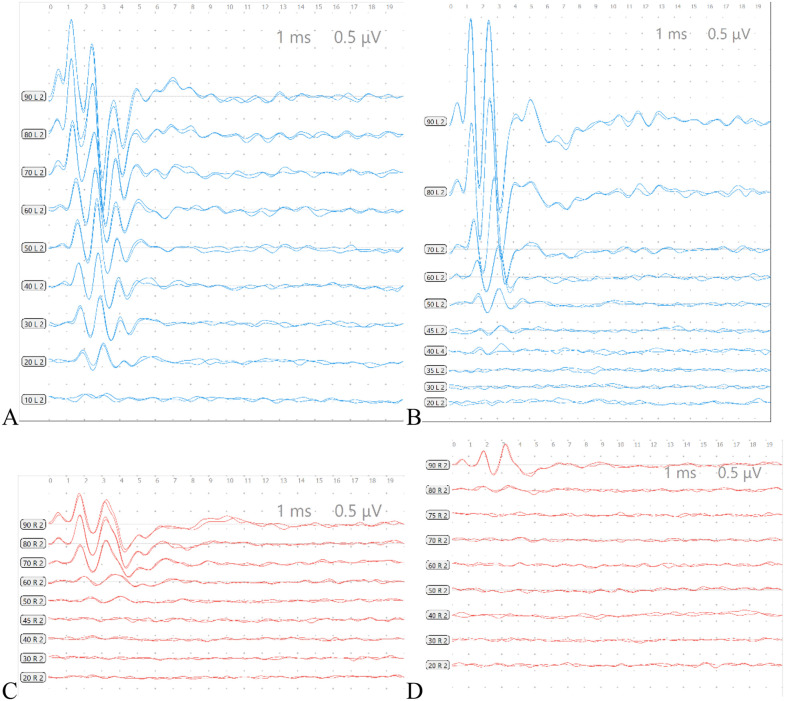 Figure 1
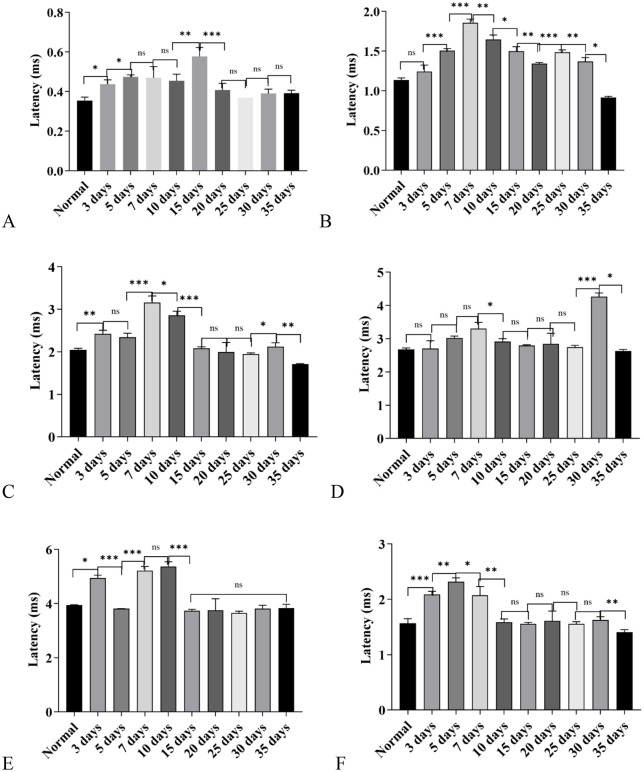 Figure 2
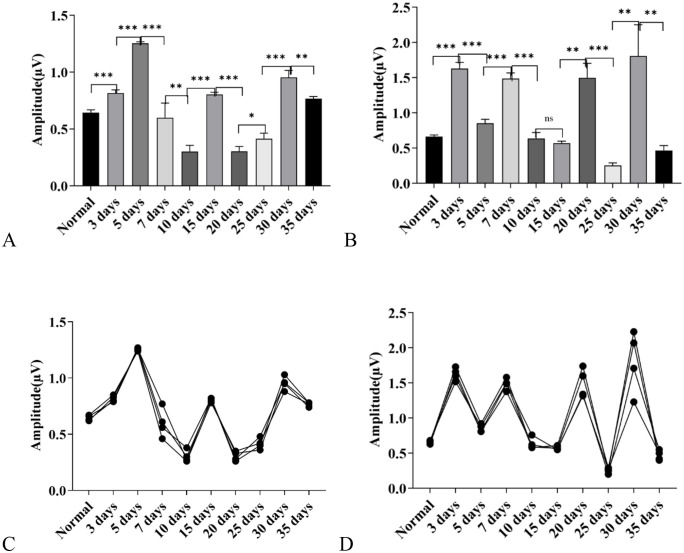 Figure 3
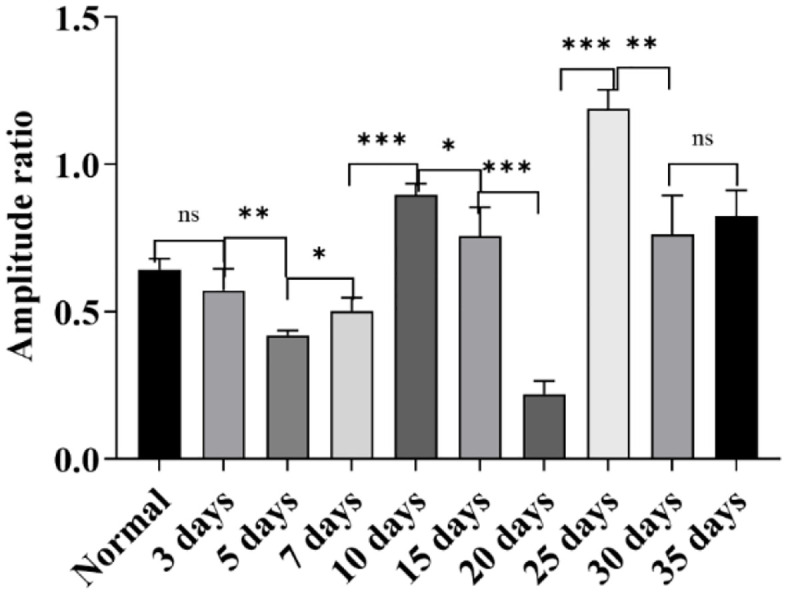 Figure 4
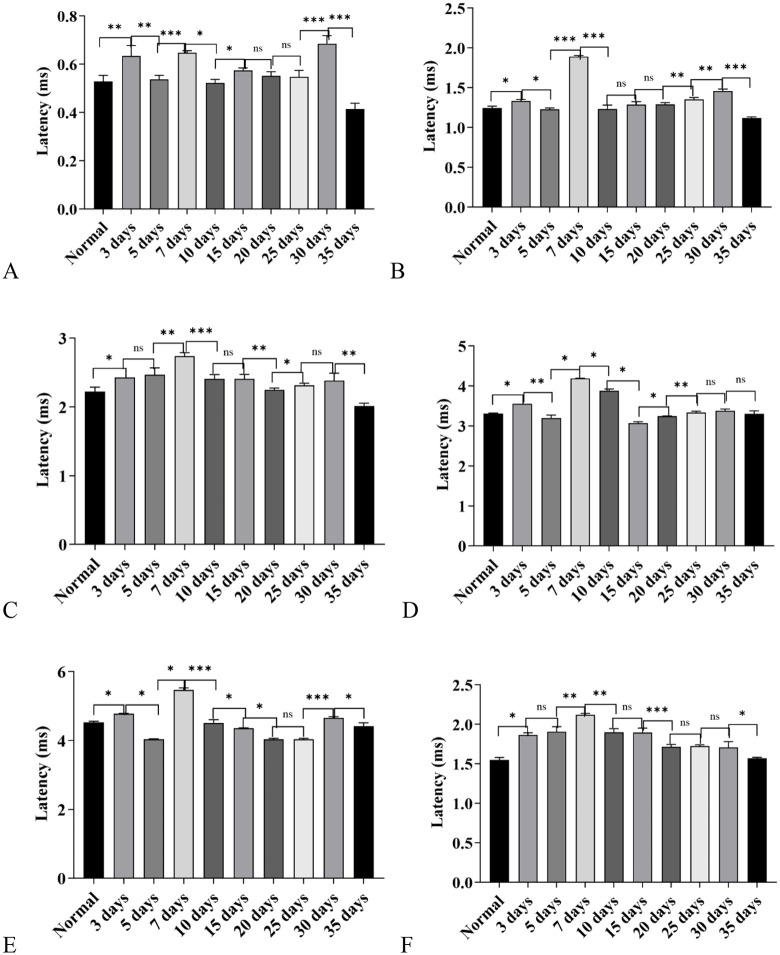 Figure 5
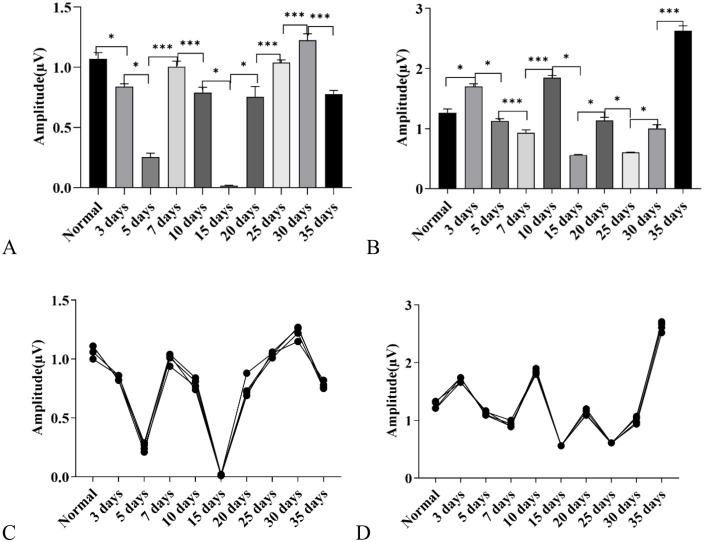 Figure 6
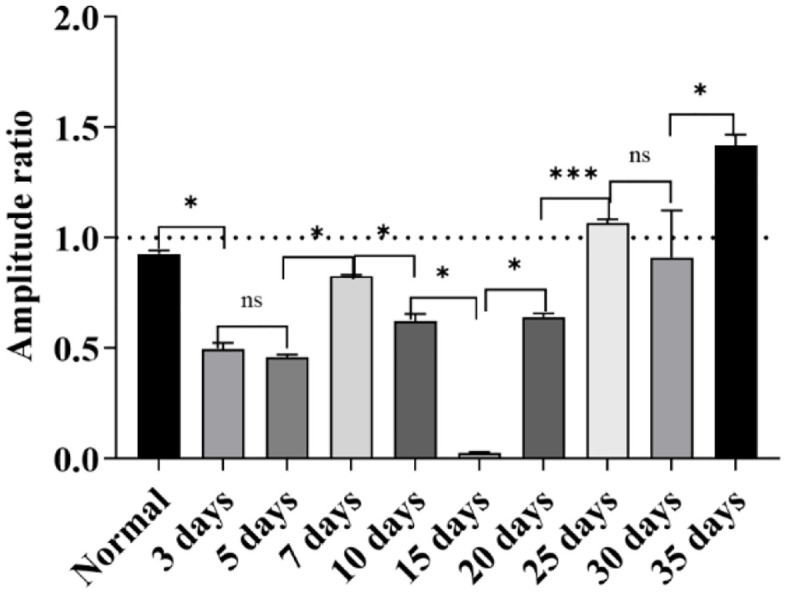 Figure 7
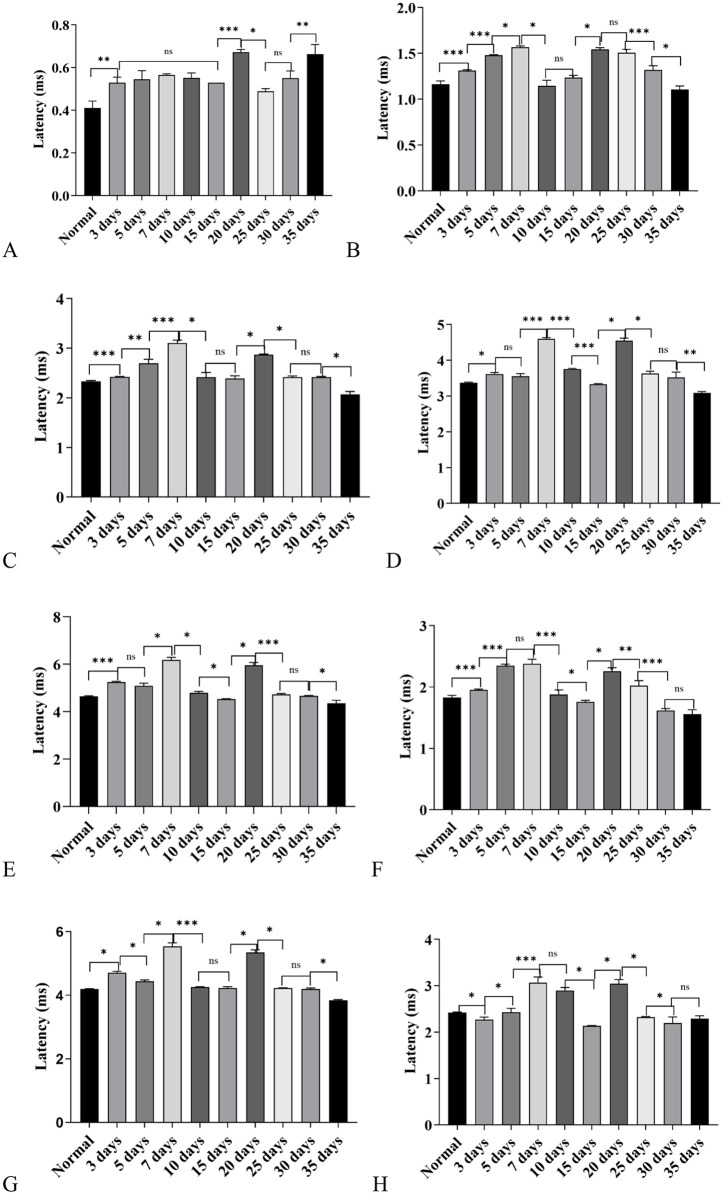 Figure 8
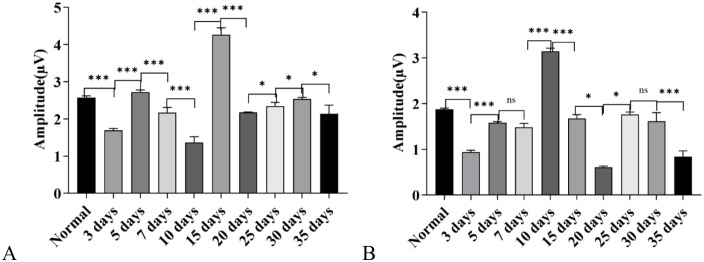 Figure 9
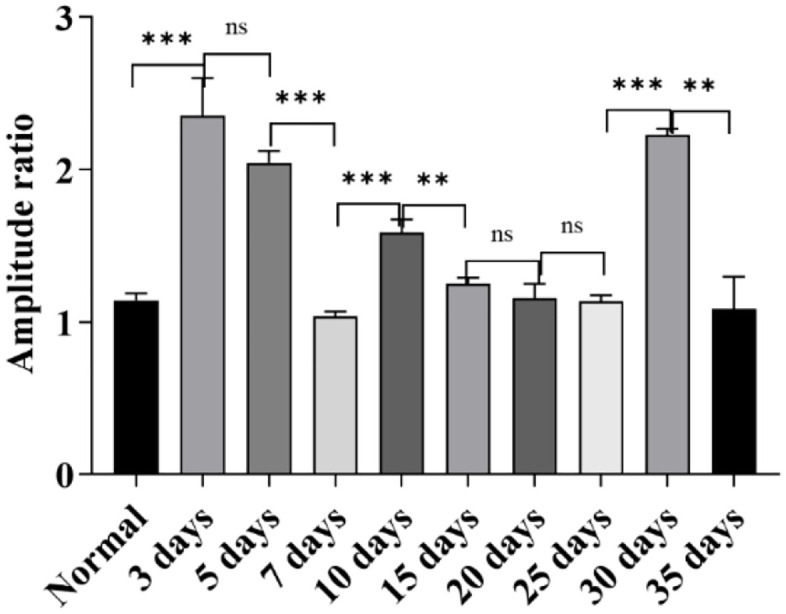 Figure 10
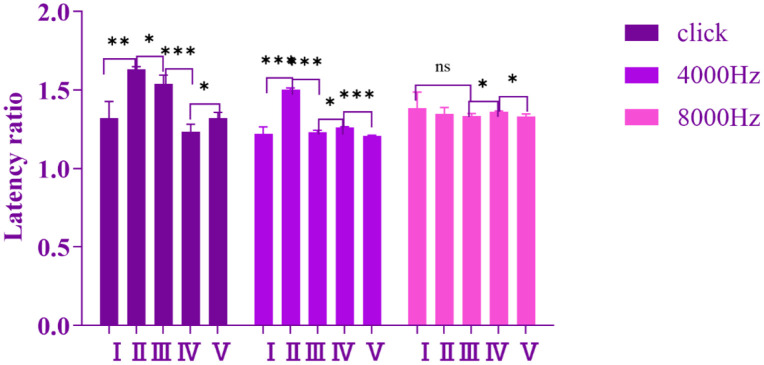 Figure 11
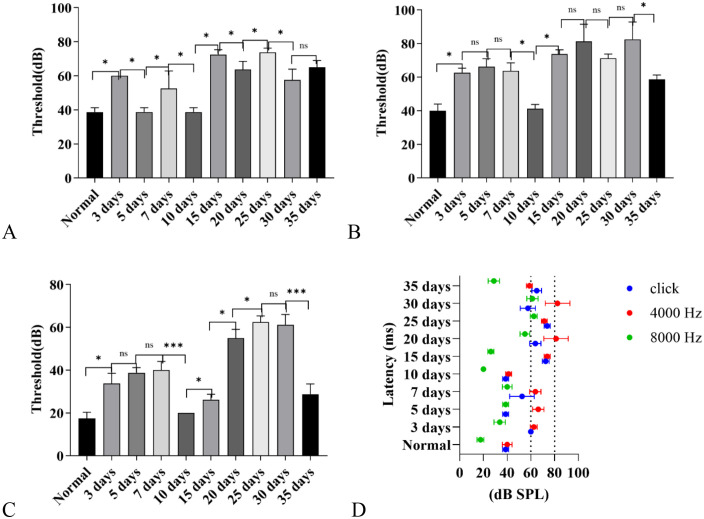 Figure 12
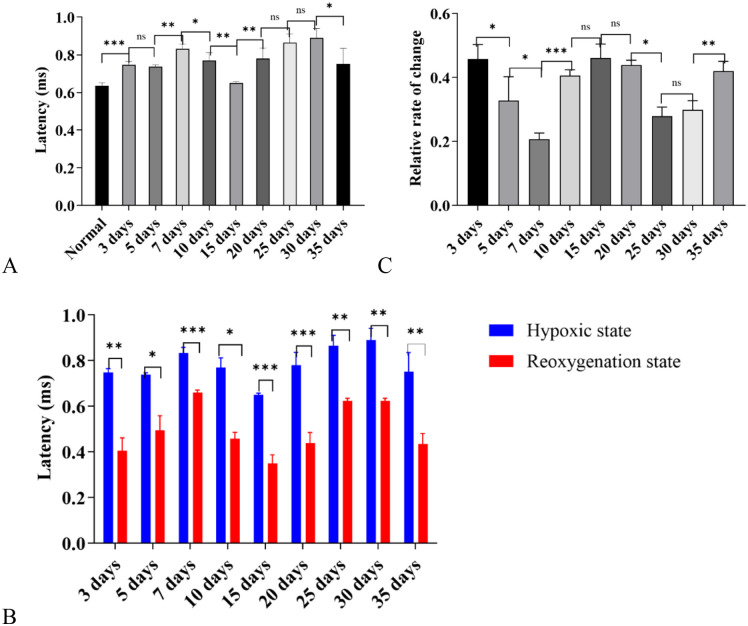 Figure 13
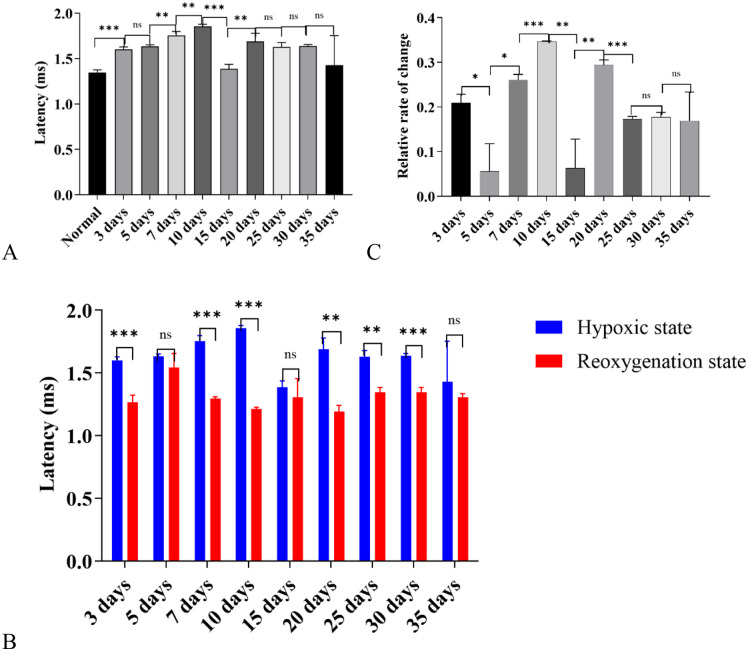 Figure 14
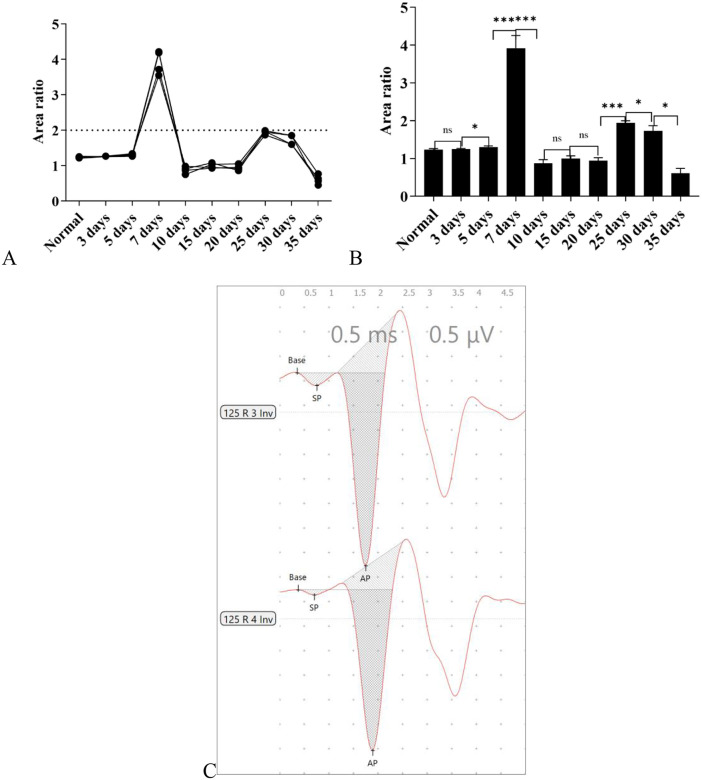 Figure 15
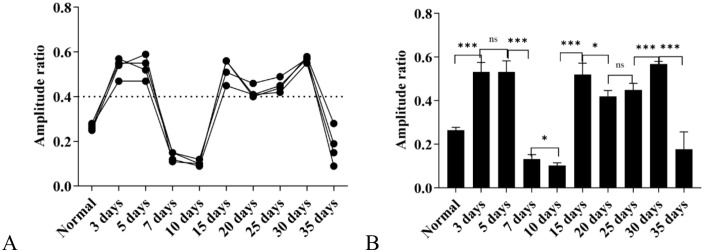 Figure 16
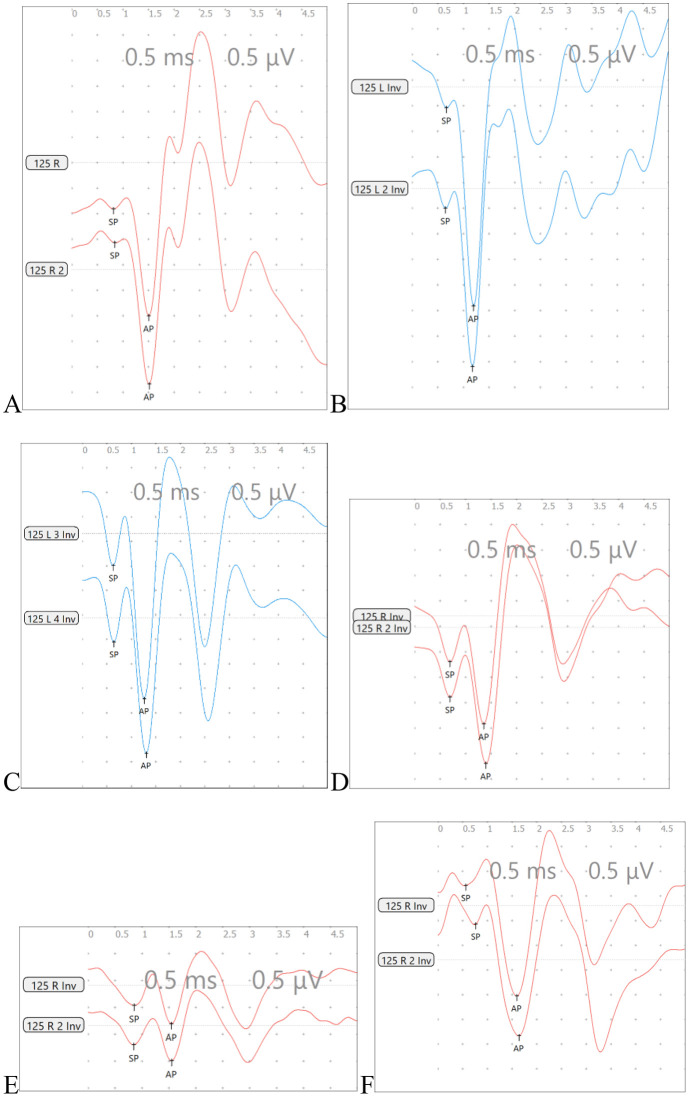 Figure 17
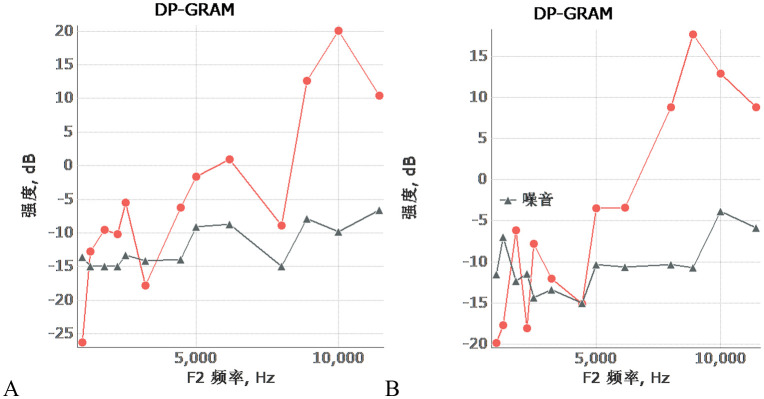 Figure 18
Peer Reviews
No public reviews on file for this paper yet. If you reviewed it on a platform where reviews are public (OpenReview, ICLR, NeurIPS, ICML), you can paste yours below so the community can read it here.
Videos
No videos yet. Explain this paper in a talk, walkthrough, or lecture? Add one.
Taxonomy
TopicsHigh Altitude and Hypoxia · Neuroscience of respiration and sleep · Vestibular and auditory disorders