Left Atrial Deformation Parameters After Myocardial Infarction With Low Triiodothyronine Syndrome and Their Prognostic Value
Edita Jankauskiene, Neda Jonaitiene, Martynas Jankauskas, Daiva Emilija Rekiene, Albinas Naudziunas, Giedre Baksyte, Vytautas Zabiela, Diana Zaliaduonyte

TL;DR
This study shows that left atrial deformation parameters measured by echocardiography can predict long-term complications in heart attack patients, especially those with low thyroid hormone levels.
Contribution
The study introduces the prognostic value of left atrial deformation parameters in STEMI patients with low triiodothyronine syndrome.
Findings
Reduced LA reservoir strain and conduit strain rate were strong predictors of MACEs and AF, respectively.
LA volume increased more in low T3 patients after 6 months.
LA deformation parameters improve risk stratification and guide management in post-STEMI patients.
Abstract
Acute myocardial infarction (AMI) management has reduced in-hospital mortality, yet heart failure (HF) and atrial fibrillation (AF) remain common long-term complications. Left atrial (LA) function, assessed via speckle-tracking echocardiography (STE), provides sensitive markers of cardiac remodeling. This study aims to investigate the prognostic value of LA deformation parameters and their significance for long-term outcomes in patients with ST-segment elevation myocardial infarction (STEMI), particularly in relation to low triiodothyronine (T3) syndrome. A retrospective study enrolled 140 first-onset STEMI patients treated with primary percutaneous coronary intervention. Thyroid hormone concentrations were measured within 24 h of admission, and patients were classified into low T3 (free triiodothyronine (fT3) < 3.2 pmol/L, n = 44) and control groups (n = 96). Echocardiography and STE…
Genes, proteins, chemicals, diseases, species, mutations and cell lines named across the full text — each resolved to its canonical identifier and authoritative record.
Click any figure to enlarge with its caption.
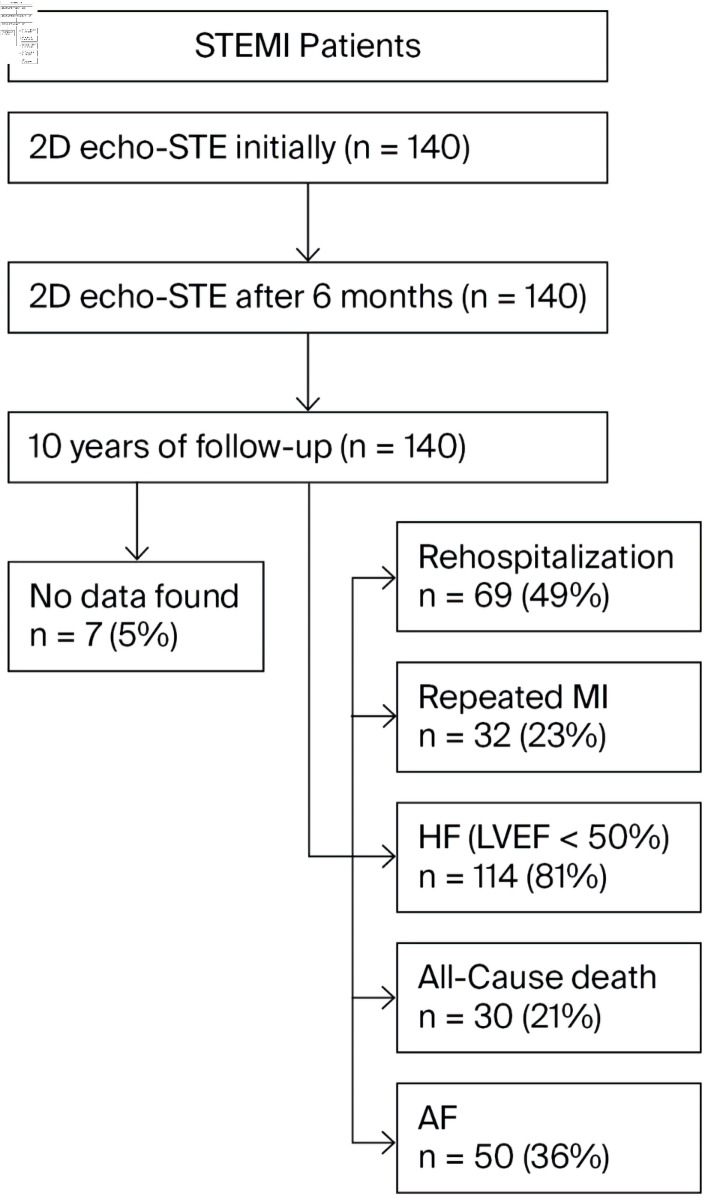 Figure 1
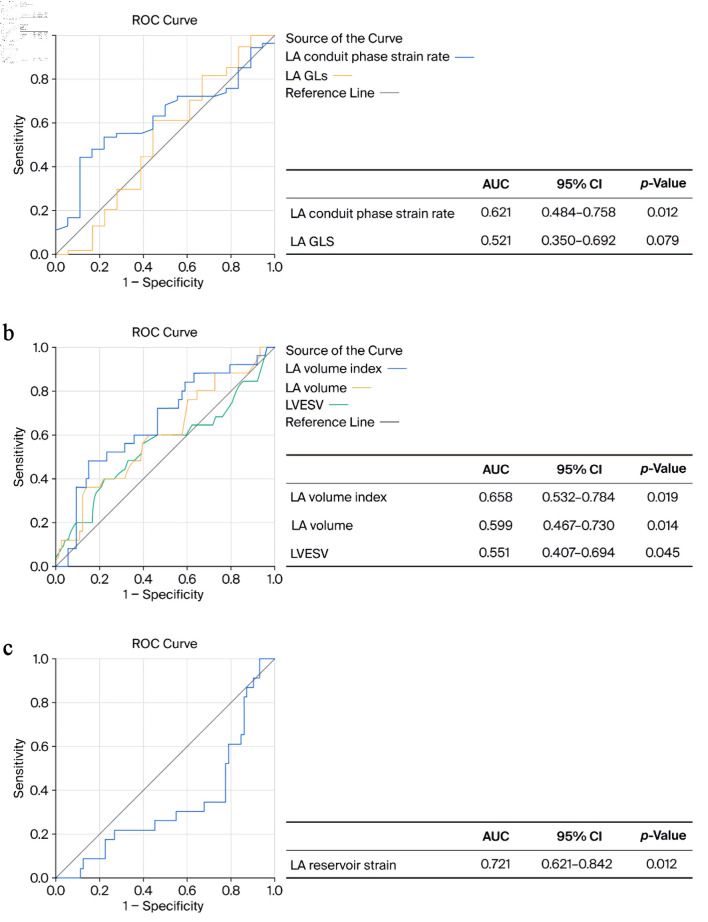 Figure 2
Peer Reviews
No public reviews on file for this paper yet. If you reviewed it on a platform where reviews are public (OpenReview, ICLR, NeurIPS, ICML), you can paste yours below so the community can read it here.
Videos
No videos yet. Explain this paper in a talk, walkthrough, or lecture? Add one.
Taxonomy
TopicsThyroid Disorders and Treatments · Cardiovascular Function and Risk Factors · Cardiovascular Health and Disease Prevention