Integrative analysis of mRNA stability regulation uncovers a metastasis-suppressive program in breast cancer
Heather Karner, Tabea C. Mittmann, Vicky W. Chen, Ashir A. Borah, Andreas Langen, Hassan Yousefi, Lisa Fish, Balyn W. Zaro, Albertas Navickas, Hani Goodarzi

TL;DR
This study reveals how mRNA stability, controlled by specific proteins like RBMS3, suppresses breast cancer metastasis through a newly identified regulatory mechanism.
Contribution
The study introduces GreyHound, a deep-learning model that identifies posttranscriptional regulators of mRNA stability linked to metastasis suppression in breast cancer.
Findings
GreyHound identified RBMS3 and TXNIP as key regulators of mRNA stability in breast cancer.
RBMS3 depletion increases metastatic potential and is associated with poor clinical outcomes.
RBMS3-mediated regulation of TXNIP mRNA stability suppresses cancer metastasis in vivo.
Abstract
Heterogeneity in cancer gene expression is typically linked to genetic and epigenetic alterations, yet the extent of contribution from posttranscriptional regulation remains unclear. Here, we systematically measured messenger RNA (mRNA) dynamics across diverse breast cancer models, revealing that mRNA stability substantially shapes gene expression variability. To decipher these dynamics, we developed GreyHound, an interpretable multimodal deep-learning framework integrating RNA sequence features and RNA binding protein (RBP) expression. GreyHound identified an extensive network of RBPs and their regulons underlying variations in mRNA stability, including a regulatory axis centered on RBP RBMS3 and redox regulator TXNIP. RBMS3 depletion resulted in targeted transcript destabilization—associated with poor clinical outcomes and enhanced metastatic potential in xenograft models. In vivo…
Genes, proteins, chemicals, diseases, species, mutations and cell lines named across the full text — each resolved to its canonical identifier and authoritative record.
Click any figure to enlarge with its caption.
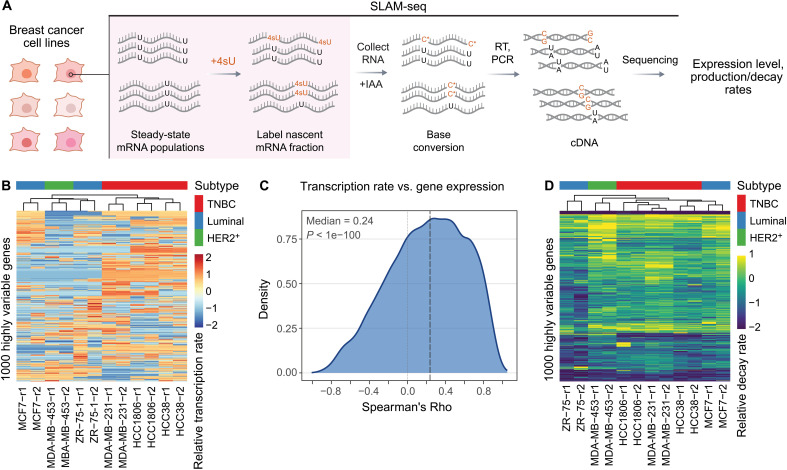 Figure 1
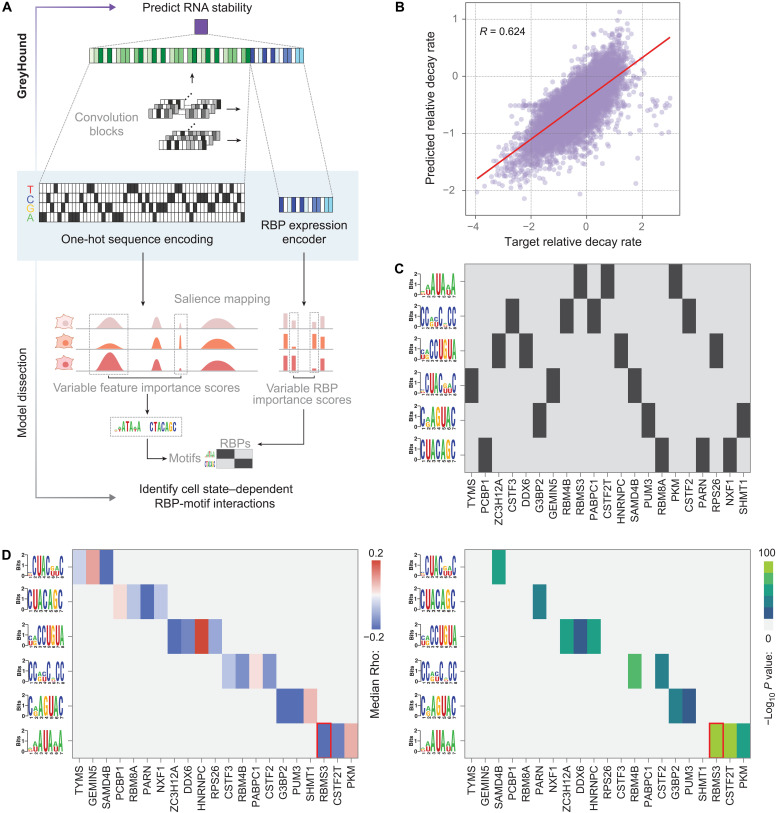 Figure 2
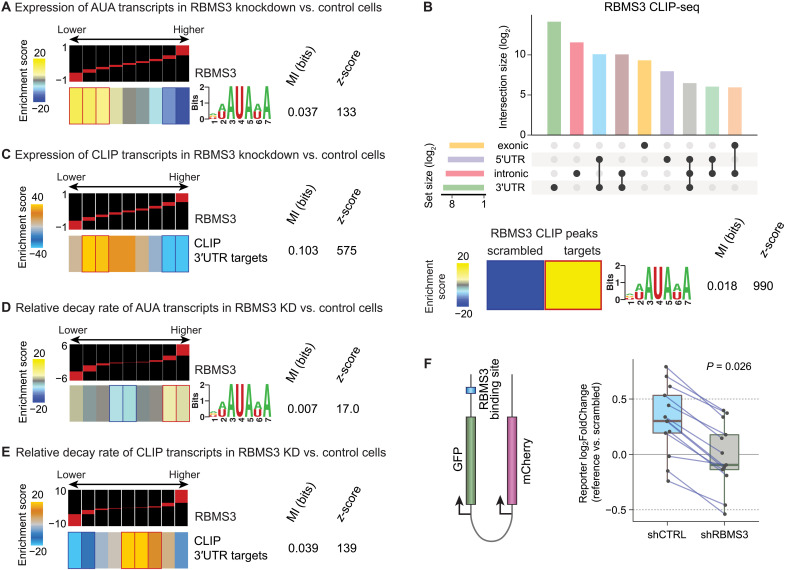 Figure 3
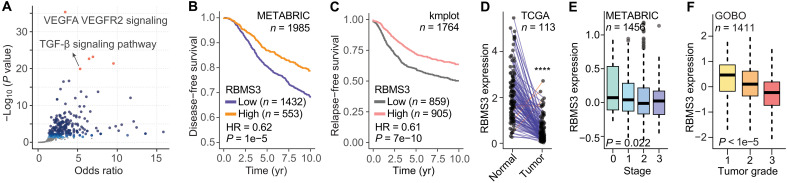 Figure 4
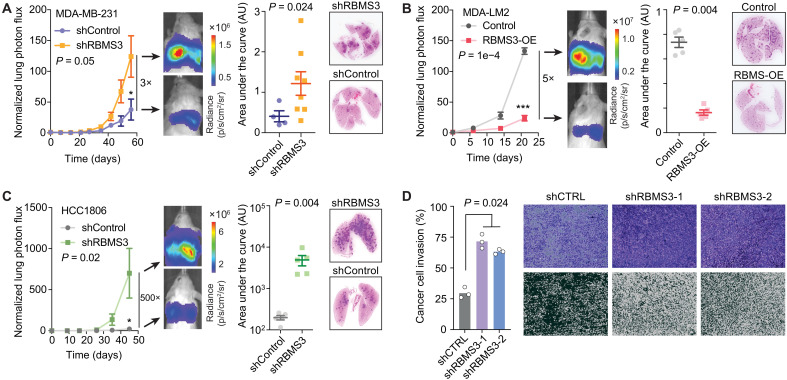 Figure 5
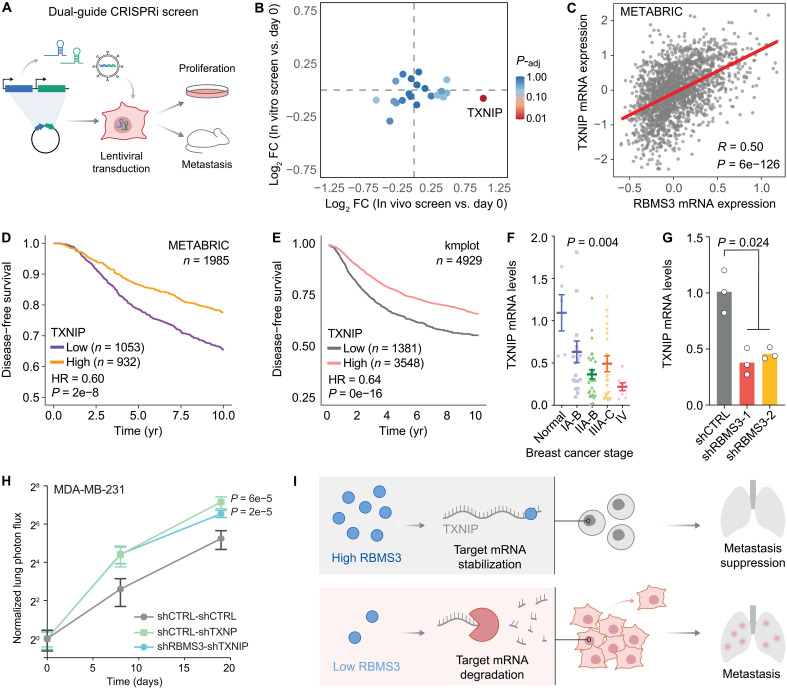 Figure 6
Peer Reviews
No public reviews on file for this paper yet. If you reviewed it on a platform where reviews are public (OpenReview, ICLR, NeurIPS, ICML), you can paste yours below so the community can read it here.
Videos
No videos yet. Explain this paper in a talk, walkthrough, or lecture? Add one.
Taxonomy
TopicsRNA Research and Splicing · RNA modifications and cancer · Cancer-related molecular mechanisms research