Tetramethylthiuram disulfide induces stress granules and DNA damage through oxidative stress in human lung epithelial cells
Ma Lin, Sangsoo Lee, Jiyun Gwak, Jihyun Cha, Seongjin Hong, Eun-Mi Kim, Kee K. Kim

TL;DR
Tetramethylthiuram disulfide harms lung cells by causing stress granules and DNA damage through oxidative stress, suggesting a health risk for workers exposed to it.
Contribution
This study reveals a mechanistic cascade linking TMTD exposure to oxidative stress, stress granule formation, DNA damage, and apoptosis in lung cells.
Findings
TMTD rapidly triggers stress granule formation and eIF2α phosphorylation in A549 cells.
Oxidative stress mediates TMTD-induced DNA damage and apoptosis, confirmed by antioxidant rescue experiments.
Repeated TMTD exposure leads to persistent cellular damage and increased apoptosis.
Abstract
Tetramethylthiuram disulfide (TMTD), widely used in rubber manufacturing and agriculture, presents occupational inhalation hazards, yet its effects on human lung epithelial cells remain poorly characterized. Here, we investigated TMTD-induced cellular stress responses in A549 lung epithelial cells, focusing on stress granule formation, oxidative stress, and DNA damage. TMTD induced concentration-dependent cytotoxicity, with brief exposure producing effects comparable to continuous exposure, indicating persistent cellular damage. Using live-cell imaging with A549 G3BP1-GFP knock-in cells, we demonstrated that TMTD rapidly triggered SG formation within minutes, accompanied by marked eIF2α phosphorylation. TMTD exposure caused dramatic intracellular ROS accumulation and robust γ-H2AX phosphorylation. Antioxidant rescue experiments using N-acetylcysteine confirmed that oxidative stress…
Genes, proteins, chemicals, diseases, species, mutations and cell lines named across the full text — each resolved to its canonical identifier and authoritative record.
Click any figure to enlarge with its caption.
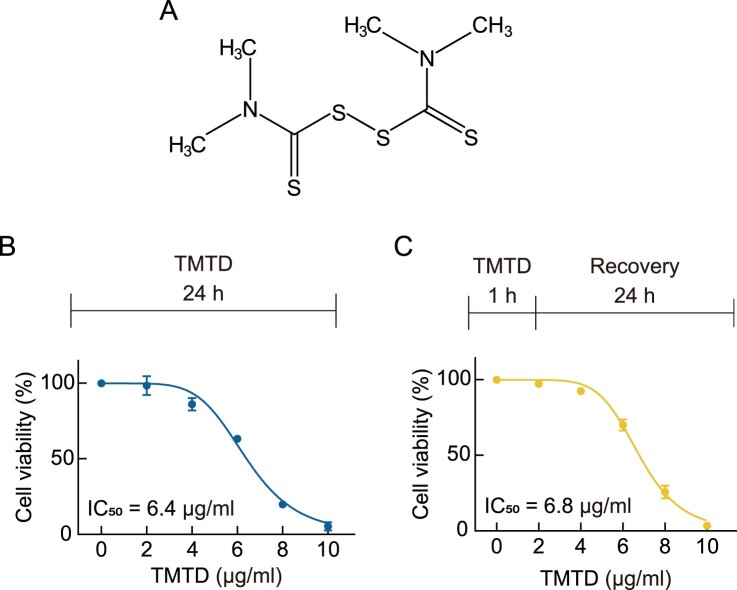 Figure 1
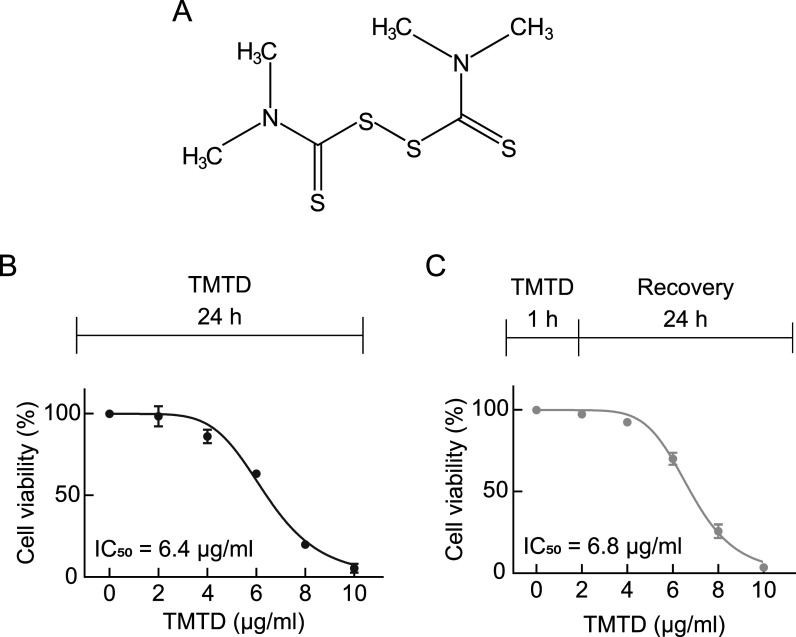 Figure 2
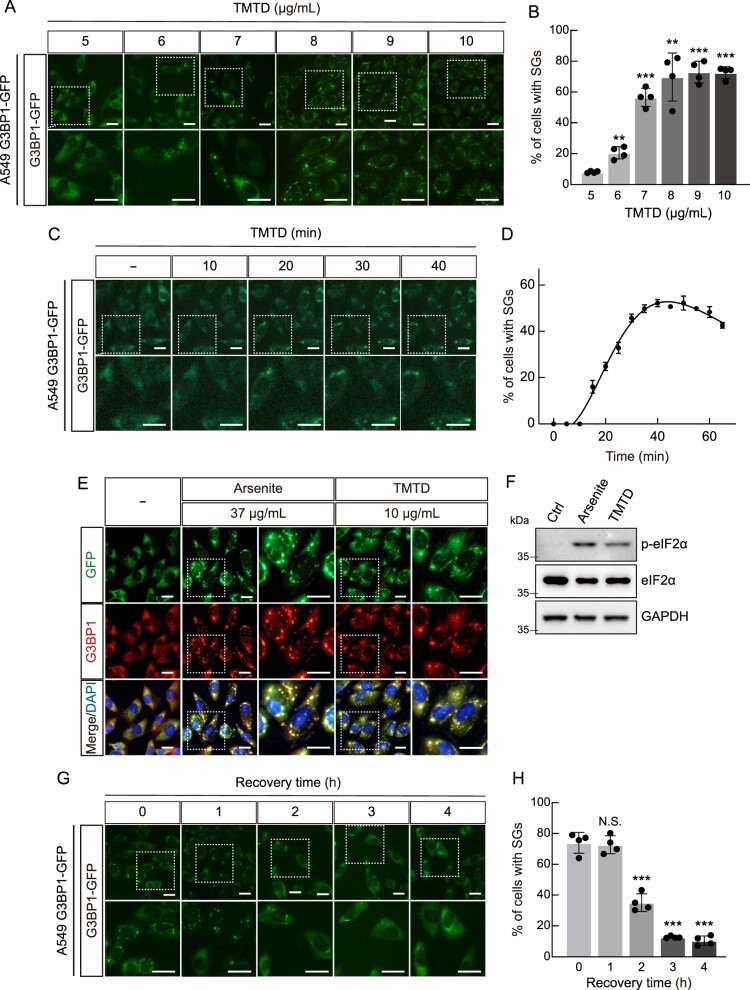 Figure 3
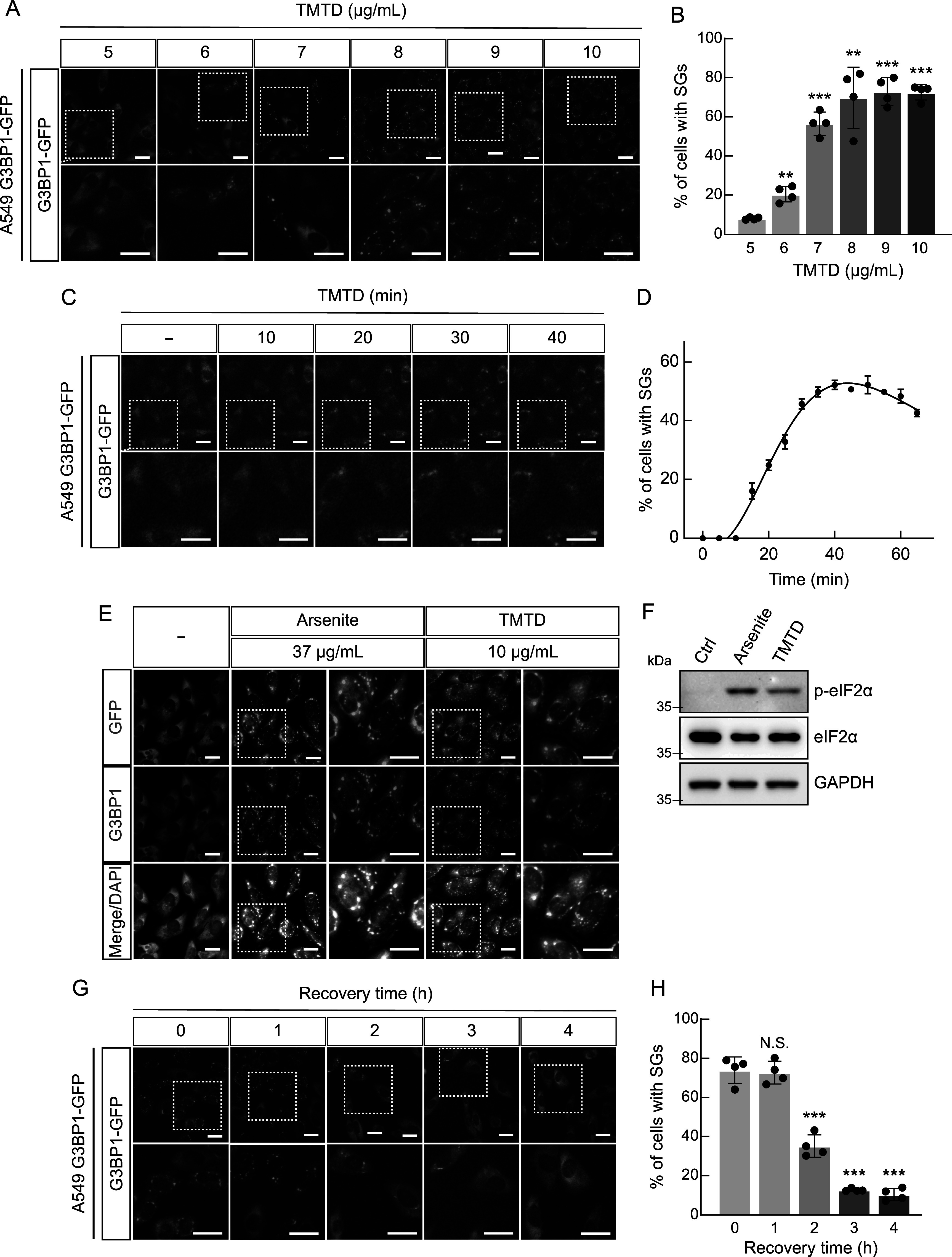 Figure 4
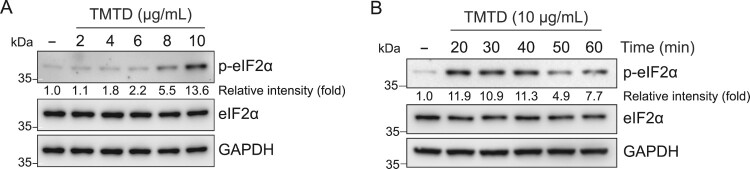 Figure 5
 Figure 6
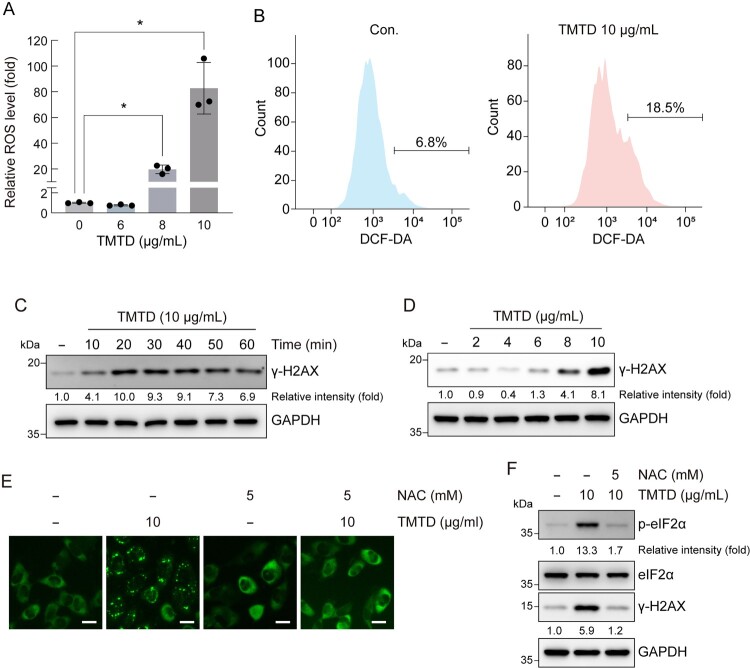 Figure 7
 Figure 8
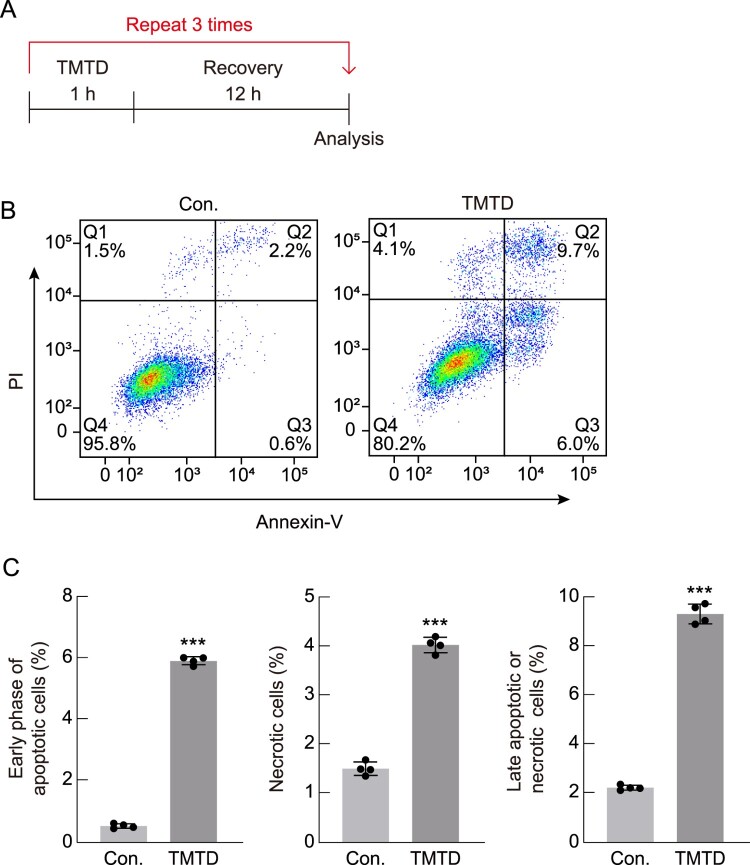 Figure 9
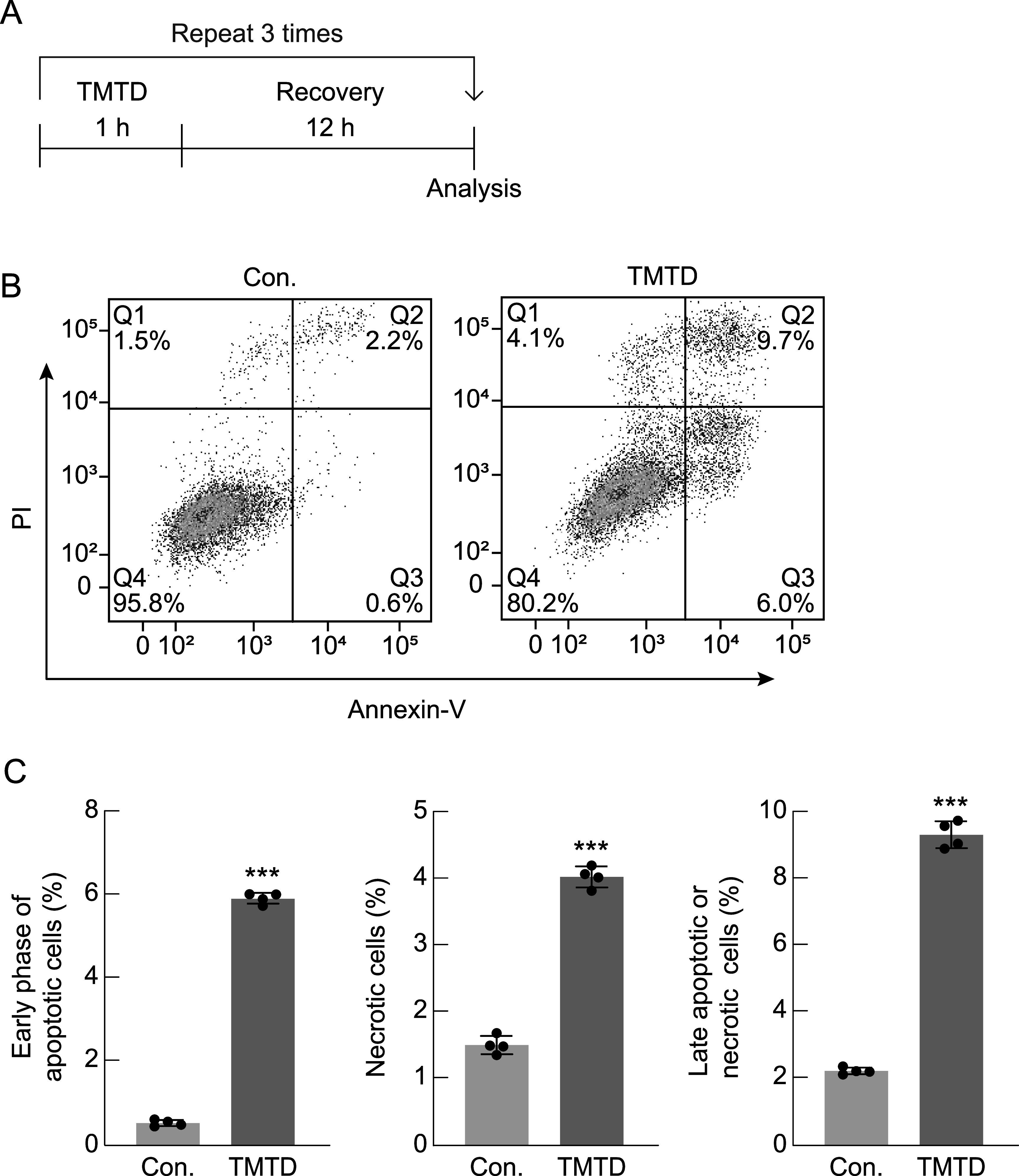 Figure 10
 Figure 11
 Figure 12
Peer Reviews
No public reviews on file for this paper yet. If you reviewed it on a platform where reviews are public (OpenReview, ICLR, NeurIPS, ICML), you can paste yours below so the community can read it here.
Videos
No videos yet. Explain this paper in a talk, walkthrough, or lecture? Add one.
Taxonomy
TopicsSulfur Compounds in Biology · Garlic and Onion Studies · Pesticide Exposure and Toxicity